Environmental attribute certificates in heavy industry unlock decarbonization – and value

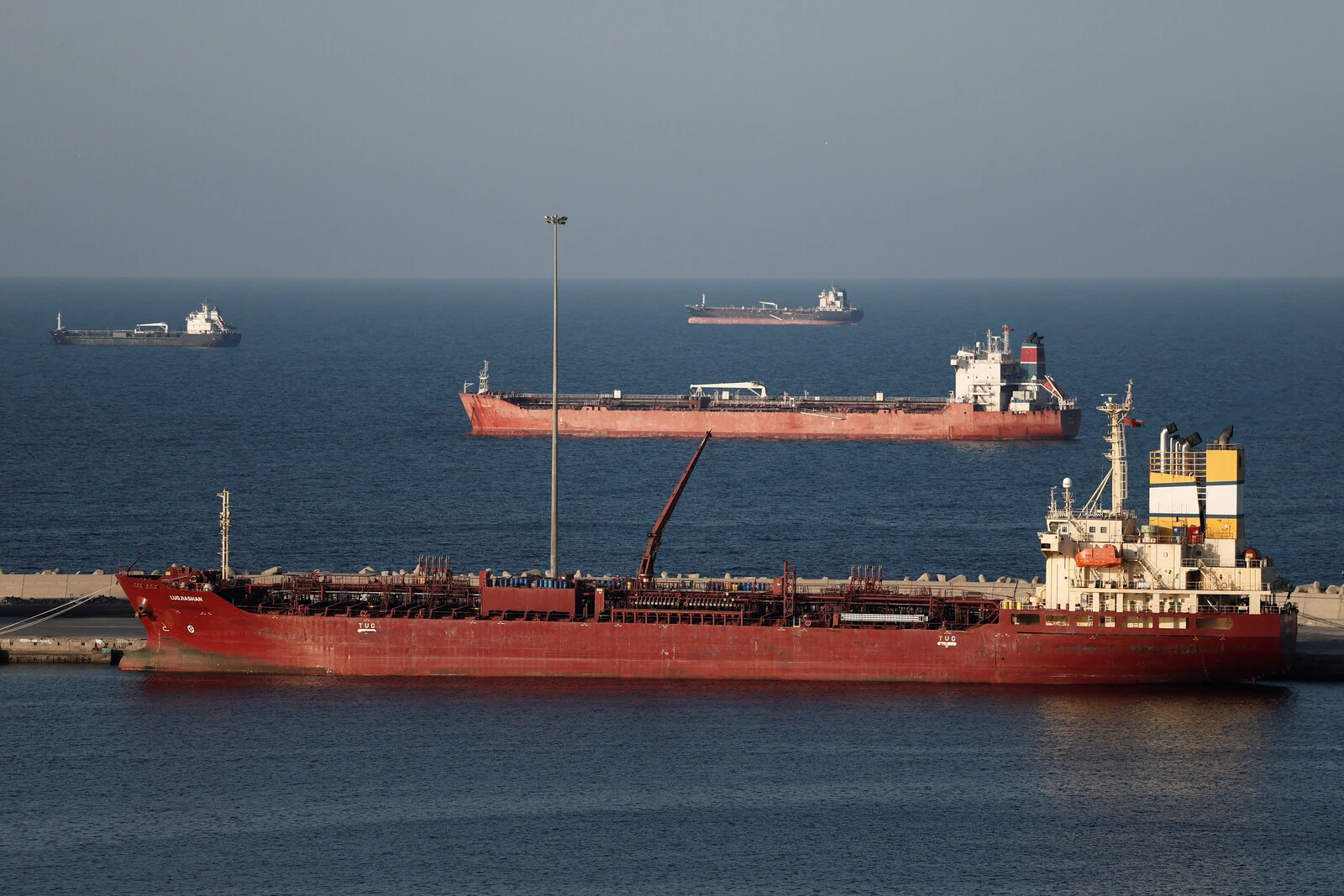
Environmental attribute certificates can help industrial businesses turn net zero from an expense line into a revenue opportunity Image: Scott Webb/Unsplash
- Environmental attribute certificates (EACs) have the potential to be a major unlock in the business case for industrial decarbonization.
- These EACs enable heavy industry to monetize low-carbon production, match upstream reductions with downstream demand and derisk investments.
- They accelerate Scope 3 decarbonization by creating transparency, scalability and turning net zero from a cost into a value opportunity.
Today's business case for low-carbon investment in heavy industry is tough. Assets are capital-intensive, margins are thin and a green premium is hard to attain. Yet, a pragmatic tool is emerging that can accelerate decarbonization and help producers create tangible value: environmental attribute certificates (EACs).
What is the World Economic Forum doing to promote sustainable urban development?
What’s slowed industrial decarbonization
Most indirect emissions (Scope 3) from a company’s supply chain are concentrated upstream – at smelters, refineries, kilns and crackers. As such, they are far removed from the consumer brands that are pushing hardest to reduce the Scope 3 emissions from their own supply chains. Those downstream brands can more easily absorb a modest green premium on inputs.
According to research from BCG and the World Economic Forum, full decarbonization of sectors such as automotive, fashion and electronics would raise the prices of their end products by only 1%-4%. But downstream brands’ interest in lower-carbon materials rarely reaches producers because of the layers of intermediaries that exist between them.
At the same time, many companies have set targets to curb Scope 3 emissions, the majority of which are due to be delivered in 2030. Demand for low-carbon attributes such as EACs is poised to surge as a result, as the certificates represent a more practical option for meeting reduction targets than financing and building the infrastructure required to physically segregate lower-carbon products.
In heavy industry, producers face additional hurdles. For example, decarbonized production is not always physically located near buyers and the emissions benefit can get diluted across an entire site’s output. In addition, short procurement cycles make it hard to underwrite long-term investments.
How EACs work
Until now, there’s been no way to efficiently transfer the low-carbon product demand signal upstream. A mechanism that allows a transfer of low-carbon value between the top and bottom of supply chains is needed, even between companies that may not do business together today.
Enter EACs. The certificates are tradable instruments that represent the verified low-carbon characteristics of a product unit, such as a ton of aluminium, clinker, or ethylene. They separate a product’s environmental attribute from its physical entity. Certificates allow a product to continue moving through established logistics, while the verified green attribute can be sold separately to a customer for use in their Scope 3 reporting.
The logic behind EACs mirrors that of renewable energy certificates: when a wind farm produces electricity, the power goes to the electrical grid and the environmental attribute associated with it is tracked and claimed through a certificate.
Recently, new approaches are emerging for using EACs in the material sectors. It’s creating a complex landscape for buyers because various approaches have their own technical nuances. However, most can be classified based on two overarching dimensions:
1. Certificates vs credits. Certificates quantify product footprints and can count towards Scope 3 inventories. By contrast, credits are project-level reductions and generally cannot be used to reduce corporate inventories.
2. Generation vs exchange. Some systems focus on creating product carbon footprint certificates within a company (which may involve chain of custody approaches such as mass balance). Other systems allow attributes to be exchanged along the supply chain, either directly or via book and claim registries.
Standards bodies, including the International Organization for Standardization (ISO), Greenhouse Gas (GHG) Protocol and Science Based Targets initiative (SBTi), have yet to finalize guidance on using these market mechanisms to abate Scope 3 emissions. But indications of their growing acceptance look promising. For example, the draft alignment framework in SBTi’s Corporate Net-Zero Standard v2.0 issued earlier this year raised the possibility of broader use of EACs. These steps signal a more pragmatic path for Scope 3 action that does not compromise the integrity of the EACs.
Why EACs change the business case for producers
Upstream producers can deploy EACs to turn decarbonization from a cost centre into a value engine. They accomplish this by:
- Matching distant supply and demand. Producers can reach buyers in different geographies or tiers of the value chain without forcing physical segregation or requiring additional transportation that would add cost, carbon and complexity.
- Derisking capital expense investments. EACs allow buyers to commit to long-dated offtakes without committing physical volume, which anchors revenues and improves a project’s financeability, critical for first-of-a-kind retrofits.
- Create market transparency. Digital chain of custody registries enable price discovery for attributes by product, grade, location and vintage. As such, they avoid double counting risks and help CFOs see decarbonization’s true ROI.
Early movers are already experimenting with EACs. Examples include Dow’s Carbon Footprint Ledger, in chemicals; Heidelberg Materials’ EvoZero carbon-capture and storage offering, in cement; and Yara’s Ammonia Transfer System, in agriculture. The common thread running through all three is using verified attribute tracking to connect upstream reductions with downstream demand – at scale.
Have you read?
What is needed to scale
To credibly scale EACs across different industrial material types, three conditions are needed:
- Continued demand for low-carbon products. EACs can help companies deliver on their corporate climate commitments and send a strong demand signal to the upstream. EACs depend on continued delivery of these targets.
- Alignment with evolving standards. The certificates need to function in accordance with ISO, GHGP and SBTi guidance as it is clarified, so corporate claims are comparable and auditable.
- Market infrastructure for transparency and data quality. Where possible, primary data should be used in a transparent and independently auditable market infrastructure, such as public registries or digital ledgers
How producers and buyers can get started
To begin to implement EACs, upstream producers of steel, cement, chemicals, aluminium and other materials should:
- Build the capability to certify low-carbon production using robust, third-party verified methodologies.
- Invest in digital traceability that supports credible chain of custody calculations at scale.
- Collaborate across the sector on common rulebooks for how EACs are generated, audited, exchanged and retired.
- Engage with downstream sectors to structure EACs, including for units, vintages and claims, that fit buyer needs and procurement cycles.
Downstream players, including automotive, electronics, consumer goods and construction companies should:
- Assess where using EACs could be the most efficient means of meeting Scope 3 goals when direct sources of low-carbon products are constrained.
- Prioritize working with suppliers participating in credible certificate systems with strong verification.
- Advocate for harmonized standards to ensure that EACs are consistent, transparent and trustworthy.
- Provide early demand signals, including multi-year commitments for EACs, that are tied to meaningful upstream investments.
The bottom line
EACs don’t replace the need to physically decarbonize industrial assets – they accelerate it. The certificates align incentives along the supply chain by allowing producers to monetize verified low-carbon products and by giving downstream companies a reliable way to make progress on Scope 3 reduction targets.
If upstream and downstream players move together – backed by clear standards and credible systems – EACs can help heavy industry turn net zero from an expense line into a revenue opportunity.
Don't miss any update on this topic
Create a free account and access your personalized content collection with our latest publications and analyses.
License and Republishing
World Economic Forum articles may be republished in accordance with the Creative Commons Attribution-NonCommercial-NoDerivatives 4.0 International Public License, and in accordance with our Terms of Use.
The views expressed in this article are those of the author alone and not the World Economic Forum.
Stay up to date:
CO2 Capture, Utilization and Storage

Forum Stories newsletter
Bringing you weekly curated insights and analysis on the global issues that matter.
More on Supply Chains and TransportationSee all

Jack Barrie and Janez Potocnik
April 2, 2026