Japan's literature shows why human translation matters in the age of AI
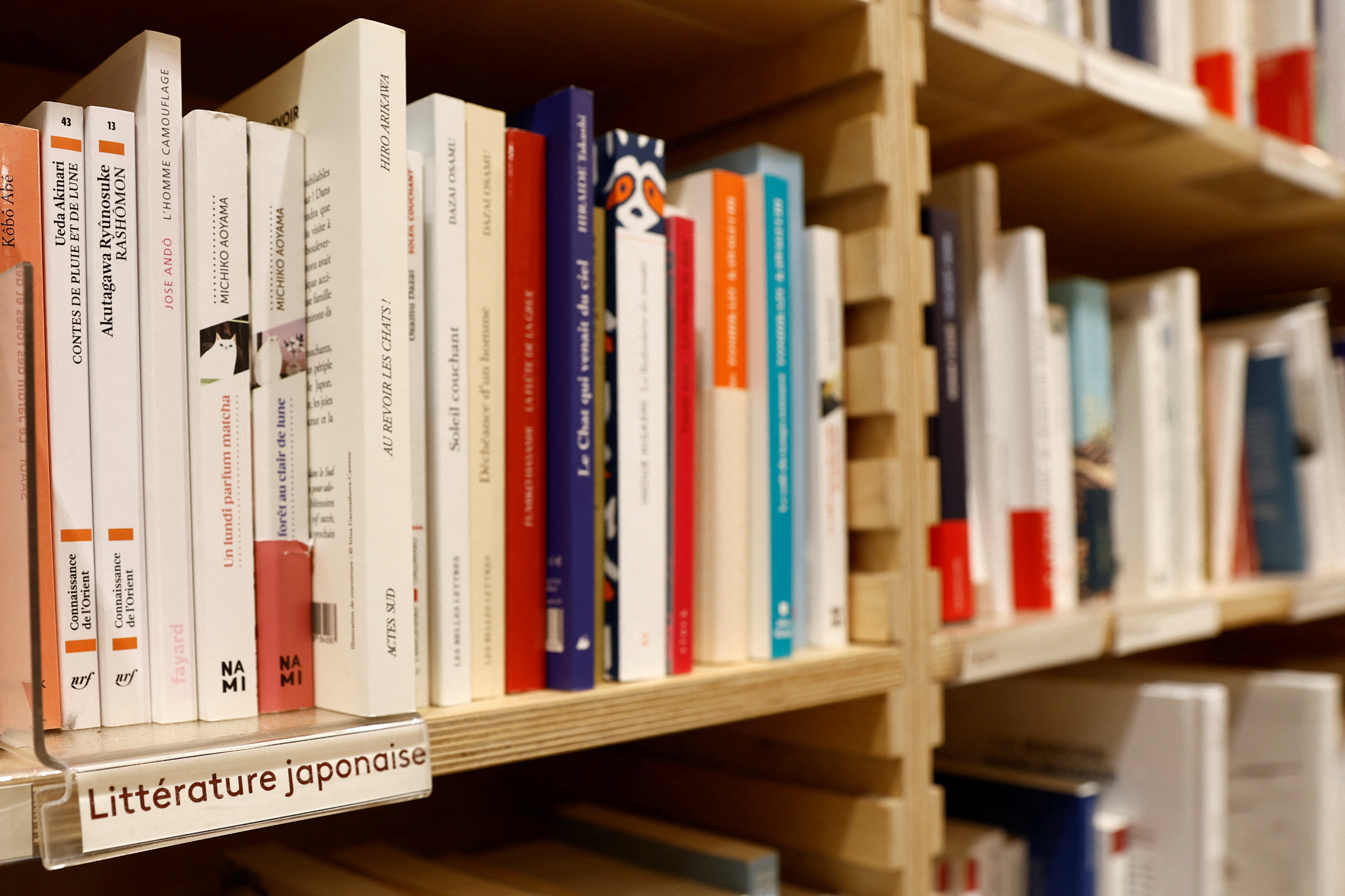
The number of Japanese works reaching global readers depends on translation by translators with refined skills. Image: REUTERS/Abdul Saboor
- Technological developments, in particular AI-powered translation, are shifting translators’ roles in Japan and beyond toward “post-editing” of machine output.
- Yet in domains that demand subject expertise, cultural sensitivity and nuance, human translators remain indispensable – particularly in literature.
- The number of Japanese works reaching global readers ultimately depends on translators with refined skills, making training and support essential.
Japanese literature has gained striking visibility on the global stage in recent years. Works by Japanese authors are being translated into multiple languages, inspiring new cultural values.
A notable example is 2017’s Butter by Asako Yuzuki. Following the publication of the English translation by Polly Barton in February 2024, it sold 280,000 copies in the UK within just one year, surpassing cumulative domestic sales of 260,000 copies since 2017. As of July 2025, the novel has sold more than one million copies worldwide and is scheduled for publication across 37 countries and regions. In the UK alone, sales have reached 450,000 copies, underscoring its rapidly growing popularity.
Beyond Butter, international interest in Japanese literature continues to grow. In 2024, Japanese works accounted for 43% of the top 40 translated literature titles published in the UK. In 2025, The Night of the Baba Yaga by Akira Otani (translated by Sam Bett) became the first Japanese novel to win the International Crime Writers’ Association’s Dagger Award for translated fiction. Meanwhile, Under the Eye of the Big Bird by Hiromi Kawakami (translated by Asa Yoneda) was shortlisted for the translated fiction category of the International Booker Prize. These achievements highlight the expanding global recognition of Japanese literature.
Technological innovation and challenges in translation
Translation is indispensable for bringing literary works to international readers. Advances in translation technology, including AI, have significantly lowered barriers to global communication. Tools once considered specialized are now used in business and travel. The global intelligent language translation market, valued at $1.28 billion in 2023, is projected to reach $2.74 billion by 2032.
In Japan, the translation and interpretation market reached JPY296 billion (Japanese Yen) in 2023. Japanese usage of DeepL, an AI-based translation service from Germany, is the second highest worldwide after Germany itself. In October 2024, Vector Inc., a PR and communications company, launched a service that automatically translates videos into 50 languages using AI, claiming cost savings of up to 90% when compared with conventional human translation services.
These developments are shifting translators’ roles toward “post-editing” of machine output. Yet in domains that demand subject expertise, cultural sensitivity and nuance, human translators remain indispensable – particularly in literature.
Nurturing literary translators
Literary translation demands more than linguistic proficiency. It requires the ability to convey tone, rhythm and cultural context across languages. The number of Japanese works reaching global readers ultimately depends on translators with refined skills, making training and support essential.
From 2010 to 2013, the Nippon Foundation organized Japanese literature translation workshops at the British Centre for Literary Translation (BCLT), part of the University of East Anglia. In a week-long session, authors and experienced translators worked with participants to translate a single work into English. The programme helped cultivate a cohort of leading translators today, including Polly Barton (Butter) and Asa Yoneda (Under the Eye of the Big Bird).
This initiative also fostered translator networks, creating a form of infrastructure that facilitates the process of finding suitable literary translators for potential books. Increasingly, translators propose works that they are passionate about, contributing to a steady rise in overseas publication of Japanese literature, including titles by women authors who have previously received less attention.

The Agency for Cultural Affairs has run the Japanese Literature Publishing Project (JLPP) since 2002 translating and publishing approximately 180 titles by 2015. Since 2011, the agency has hosted translation competitions to identify and develop new talent, with applications open as recently as June 2025.
These efforts from the public and private sectors have laid the foundation of today’s global recognition of Japanese literature. While machine translation continues to advance rapidly, the enduring popularity of translated works underscores the importance of cultivating skilled human translators.
Translation fosters empathy across languages and cultures
The UN's International Translation Day is celebrated on 30 September. Technological innovation is expanding access and connecting people on a scale once unimaginable – an impact felt in the fields of literature and translation.
Combined with human talent, translation is evolving to not only enhance efficiency but also foster the empathy needed to bridge cultures. The growing global readership of Japanese literature is a powerful testament to this. It shows how skilled translators can carry stories across borders, inspire new perspectives, and deepen cultural understanding. Together, this convergence is shaping a future built on greater mutual understanding, strengthened collaboration, and shared progress across cultures.
Don't miss any update on this topic
Create a free account and access your personalized content collection with our latest publications and analyses.
License and Republishing
World Economic Forum articles may be republished in accordance with the Creative Commons Attribution-NonCommercial-NoDerivatives 4.0 International Public License, and in accordance with our Terms of Use.
The views expressed in this article are those of the author alone and not the World Economic Forum.
Stay up to date:
Japan


Forum Stories newsletter
Bringing you weekly curated insights and analysis on the global issues that matter.
More on Arts and CultureSee all

Naoko Tochibayashi
February 24, 2026


