Rising seas are already putting 1.5 million Australians at risk, and other climate and nature news
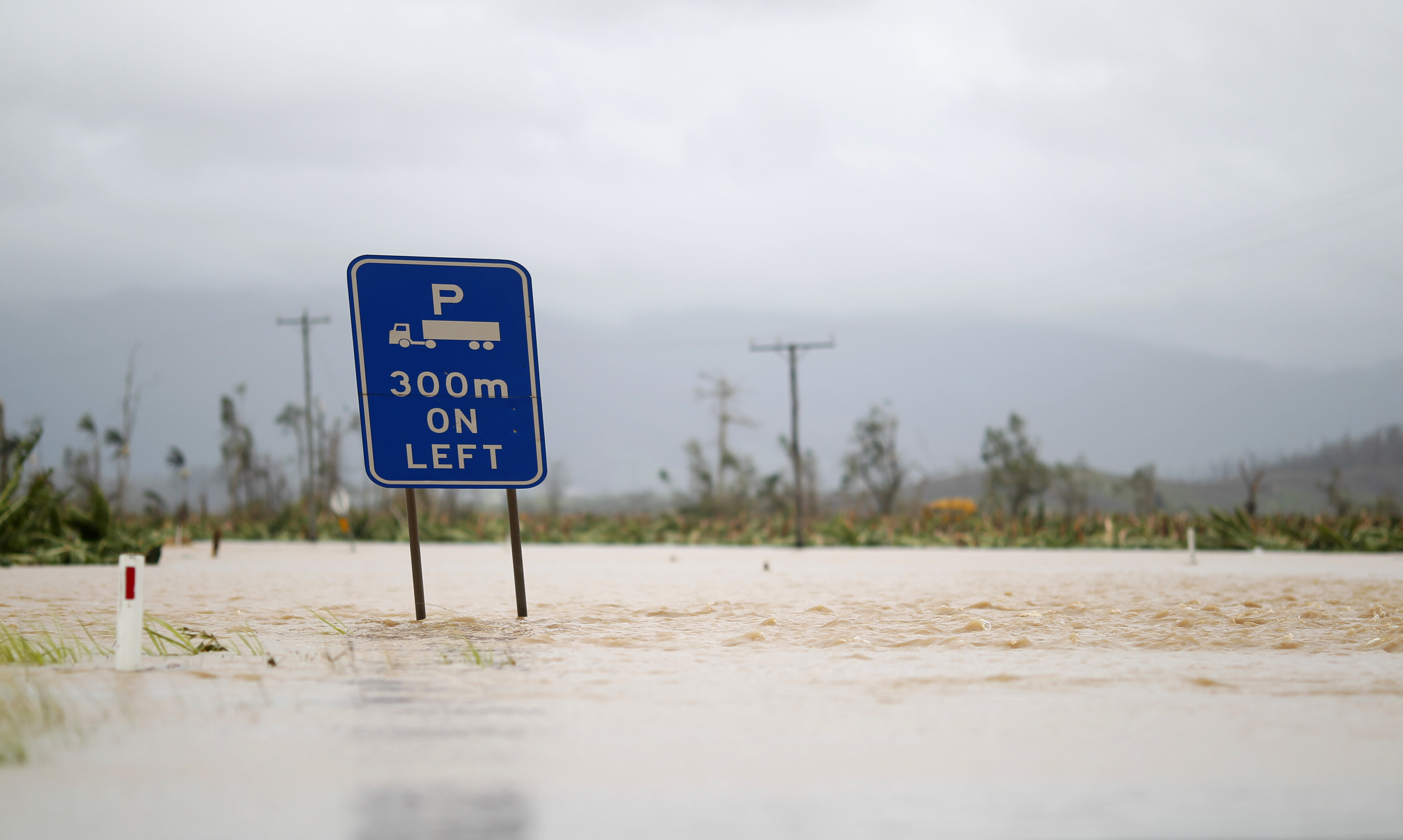
"Every Australian, regardless of where they live, has a lot at stake," Australia's Climate Change Minister Chris Bowen said. Image: REUTERS/Tim Wimborne
- This round-up contains the key nature and climate news from the past week.
- Top nature and climate news: The threat of rising sea levels to coastal Australians; Two million evacuated from Pakistan's Punjab region; Landmark agreement slows subsidies fuelling overfishing.
The World Economic Forum's Sustainable Development Impact Meetings (SDIM) take place in New York from 22-26 September, where leaders from politics, business and civil society will come together to advance the United Nations' Sustainable Development Goals (SDGs).
The UN's SDGs Report 2025 presents a sober assessment of global progress, highlighting several urgent concerns and ongoing successes.
You can view the full programme here or explore key sessions in our handy summary below.
1. Rising sea levels will threaten 1.5 million Australians by 2050, report warns
One and a half million Australians living in coastal areas will be at risk from rising sea levels by 2050, the country's first National Climate Risk Assessment has warned.
The findings suggest that all kinds of extreme weather events will threaten lives across the nation, including extreme heat, floods and bushfires.
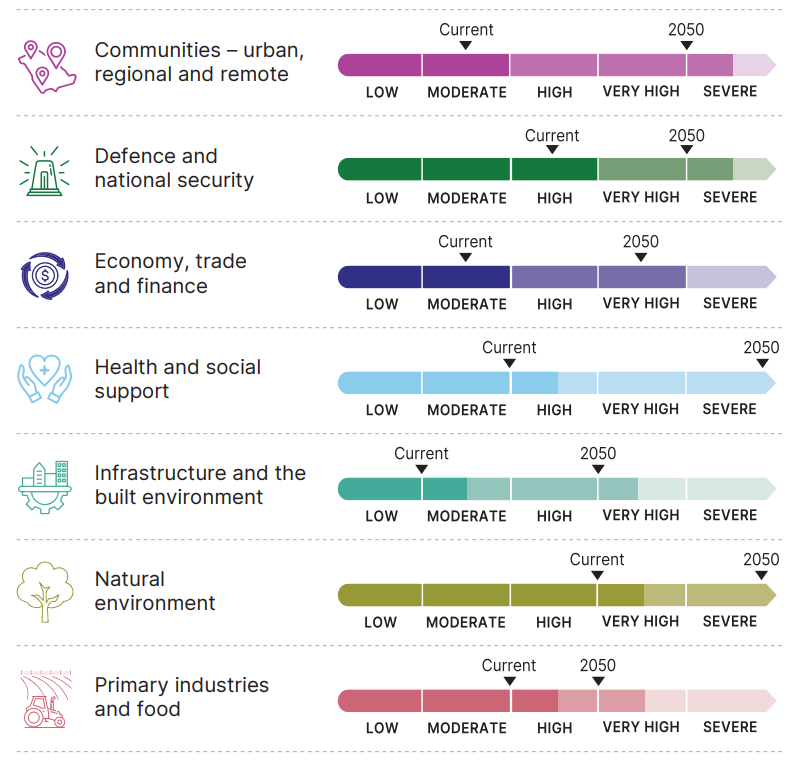
The report analyzed the relative risk posed to Australia's key systems, from healthcare to the natural environment, as outlined in the graphic below.
"One thing that is very clear from this climate assessment is that our whole country has a lot at stake; that every Australian, regardless of where they live, has a lot at stake," Australia's Climate Change Minister, Chris Bowen, said.
It also highlighted how already disadvantaged individuals and households will be most vulnerable to the impacts of a changing climate, so actions taken should look to address these inequalities.
High-level guidance was also provided on effective adaptation policy and actions, from tackling the "adaptation action shortfall" to tracking and analyzing the effectiveness of regional and national policies.
2. More than two million people evacuated from floods in Pakistan
Almost three months after Pakistan’s monsoon season began in late June, more than two million people have been evacuated from the nation's Punjab province due to floods, the BBC reports.
As a significant agricultural producer, this flooding is fuelling food insecurity in the region and driving up prices further, on crops ranging from rice to sugarcane.
Rescue efforts can be dangerous. A recent boat capsize killed nine people, Reuters reports, underscoring the growing human toll of climate-related disasters.
This crisis follows the 2022 floods, which left more than 1,700 people dead, destroyed large areas of cropland and caused acute food shortages, disrupting exports of rice and other staples.
3. News in brief: Other top nature and climate stories this week
A landmark agreement to halt billions of dollars in subsidies fuelling overfishing has come into force, the World Trade Organization (WTO) has said. This multilateral agreement "prohibits government support to illegal fishing activities and overexploitation of stocks, contributing to the protection of marine life".
WTO Director-General Ngozi Okonjo-Iweala said: "The entry into force of this Agreement stands as a reminder that many of the biggest challenges we face are more effectively addressed at the multilateral level. People and nations need a multilateralism that delivers – which is why today is so reassuring."
The 2026 football World Cup is under threat from extreme weather, a report published by Football for Future and Common Goal has found. The findings indicate that of the 16 venues studied, 10 are at very high risk of experiencing extreme heat stress conditions, which is dangerous for players and fans. Extreme heat wasn't the only threat identified, with the authors forecasting that globally, flood-related damages across tournament stadiums are projected to increase from $11 million per year in 2025 to over $15.5 million by 2050.
EU countries have postponed plans to approve a new climate change target by next week. The discussions presided over a legally-binding target to cut net EU greenhouse gas emissions by 90% by 2040, from 1990 levels. With the decision to postpone made, ministers will discuss the 2040 goal next week, but escalate the decision to EU government leaders at a later date.
A vaccine to tackle Australian koalas' chlamydia epidemic has been approved for rollout, after more than a decade in development, the BBC reports. With infection rates among colonies as high as 70%, the timing of this treatment could prove to be critical.
Dealing with floods, wildfires, earthquakes and other extreme weather events will soon become part of the Spanish educational curriculum for children as young as three, The Guardian reports. More than 8 million children in 25,000 schools will receive compulsory training, with infant and primary school pupils allocated a minimum of two hours of lessons, while older children will receive at least four hours.
4. More on the nature and climate crisis from Forum Stories
Progress towards SDGs: With less than five years until 2030, only 18% of the 17 Sustainable Development Goals are on track. Nearly half are progressing too slowly, and close to a fifth are regressing. While millions of lives have improved through advances in health, education, energy, and digital access, the pace of change is insufficient to fully achieve the SDGs by the decade’s end. Accelerating progress will require both funding and sustained international and local action. Driving this progress is central to the Forum’s SDIM. Explore the key challenges this explainer.
Deep-sea mining: The green transition is driving demand for critical minerals, including cobalt, lithium, nickel and other rare earth elements. Deep-sea mining is one potential way to unlock abundant new reserves of these minerals, yet the practice remains controversial. Minerals on the seabed are under the supervision of the International Seabed Authority, whose mandate includes the responsibility to establish a governance structure for the use and management of marine resources beyond national jurisdictions.
Close to 1,000 marine scientists and policy experts from more than 70 countries have signed a statement calling for a moratorium on deep-sea mining, while 38 countries have also made calls for precautionary pauses, moratoriums or outright bans on mining activity.
Find out more about the potential gains and risks of deep-sea mining in this explainer.
Decarbonizing heavy industry: This episode of Radio Davos explores how the First Movers Coalition is helping to create a market for low-emissions technologies by getting big companies to invest in emerging technologies:
License and Republishing
World Economic Forum articles may be republished in accordance with the Creative Commons Attribution-NonCommercial-NoDerivatives 4.0 International Public License, and in accordance with our Terms of Use.
The views expressed in this article are those of the author alone and not the World Economic Forum.

Forum Stories newsletter
Bringing you weekly curated insights and analysis on the global issues that matter.
More on Climate Action and Waste Reduction See all

Axel Van Amersfoort and Morgenie Pillay
July 24, 2026


