Transforming food systems: How climate strategy can feed economic growth
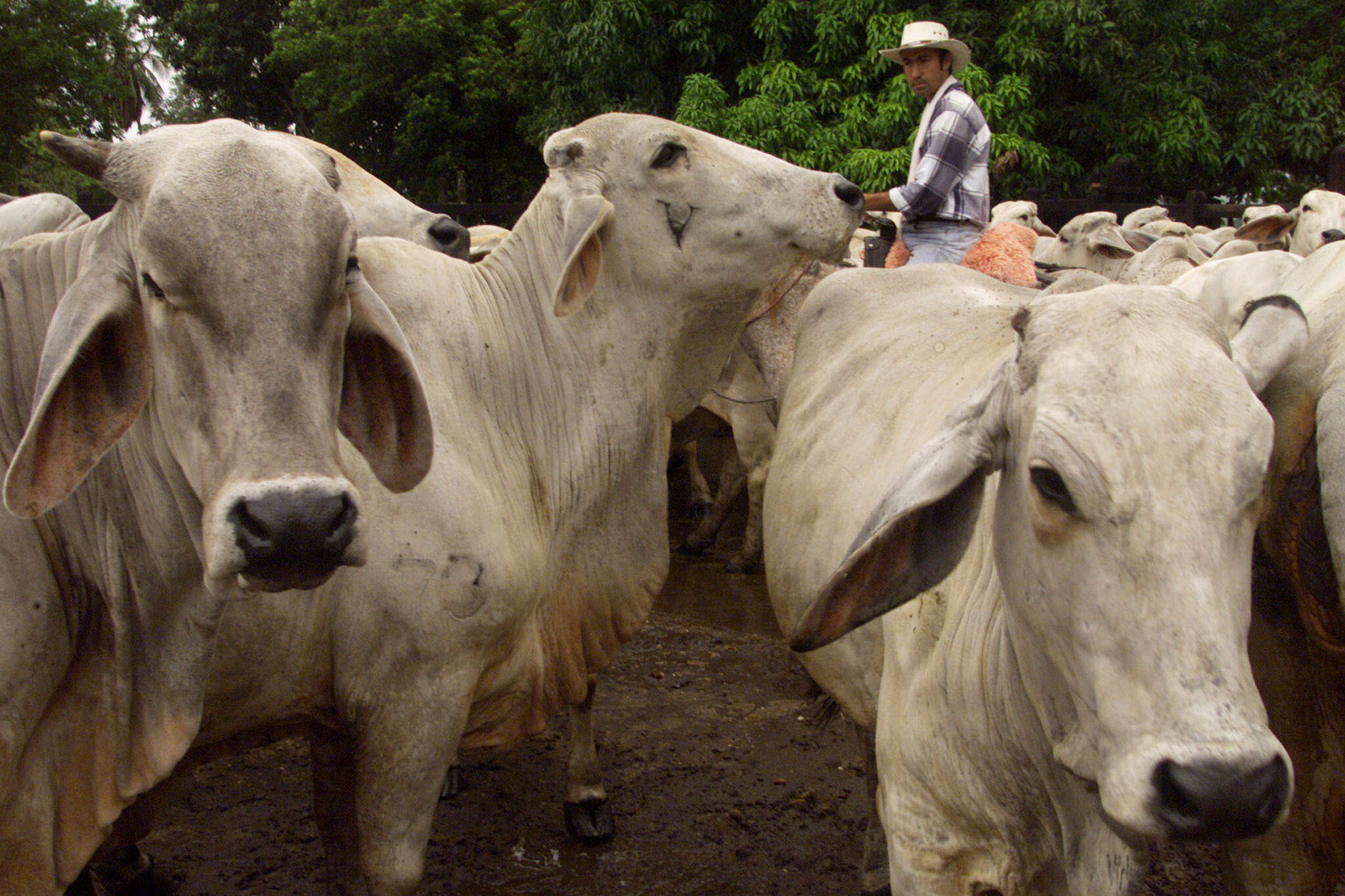
Transforming food systems is good for the climate and economy. Image: Reuters
- Transforming food systems is good for the climate and economy, potentially unlocking $121 trillion in global economic growth by 2070.
- Climate finance should be directed at the “hidden middle” of food systems – processing, packaging, storage and distribution – due to its significant economic and environmental impact.
- Various company case studies show that embedding sustainability into business strategies reduces emissions while lowering costs, enhancing efficiency and strengthening long-term competitiveness.
As climate pressures intensify, global food systems are straining under rising demand, resource scarcity and affordability challenges. The need for their transformation has thus never been more urgent.
Food is central to health, education and opportunity. It is a fundamental human right that enables people to realize all other rights in life. Therefore, when food systems falter, the consequences are profound: availability declines, livelihoods are put at risk and community stability is threatened.
That is why investing in resilient, inclusive and sustainable food value chains is more urgent than ever. With major milestones such as New York Climate Week and the 2025 United Nations Climate Change Conference on the horizon, now is the time to address food systems transformation, to protect food, people and the planet.
The potential rewards of changing the status quo are enormous. Deloitte projects that transforming food systems could unlock global economic growth gains of $121 trillion by 2070, while lowering global food prices by 16% and improving access to safe, nutritious food.
To achieve these outcomes, we must reshape how food is produced, processed, distributed and consumed, making the system more sustainable, resilient and equitable for both people and planet.
Investment, incentives and collaboration
To facilitate this transformation, we need targeted investment, smart incentives and deep collaboration across sectors. Climate finance is designed to facilitate this transformation and unlock greater investment.
We can take inspiration from the scale of ambition in the renewable energy market: clean energy investment has reached the trillions, with 2024 spending exceeding fossil fuels by $800 billion, demonstrating what’s possible when ambition meets investment.
At Tetra Pak, we are concerned that the “hidden middle” of the food value chain – covering food processing, packaging, storage and distribution – remains significantly underfunded. Although it contributes up to 40% of the economic value and accounts for 18% of food-related emissions, it receives only 2.5-4% of climate finance.
This shortfall limits progress in reducing food loss, improving efficiency and building more resilient and inclusive food systems. Unlocking investment in this segment is crucial to realising the full potential of food system transformation.
An example of the potential benefits of investment can be seen in Mengniu, a dairy company that utilized our technology to build a world-first smart dairy factory. The plant’s 43% reduction in energy use drove progress towards sustainability targets, while a 32% decrease in operational costs enhanced long-term competitiveness and resilience across operations.
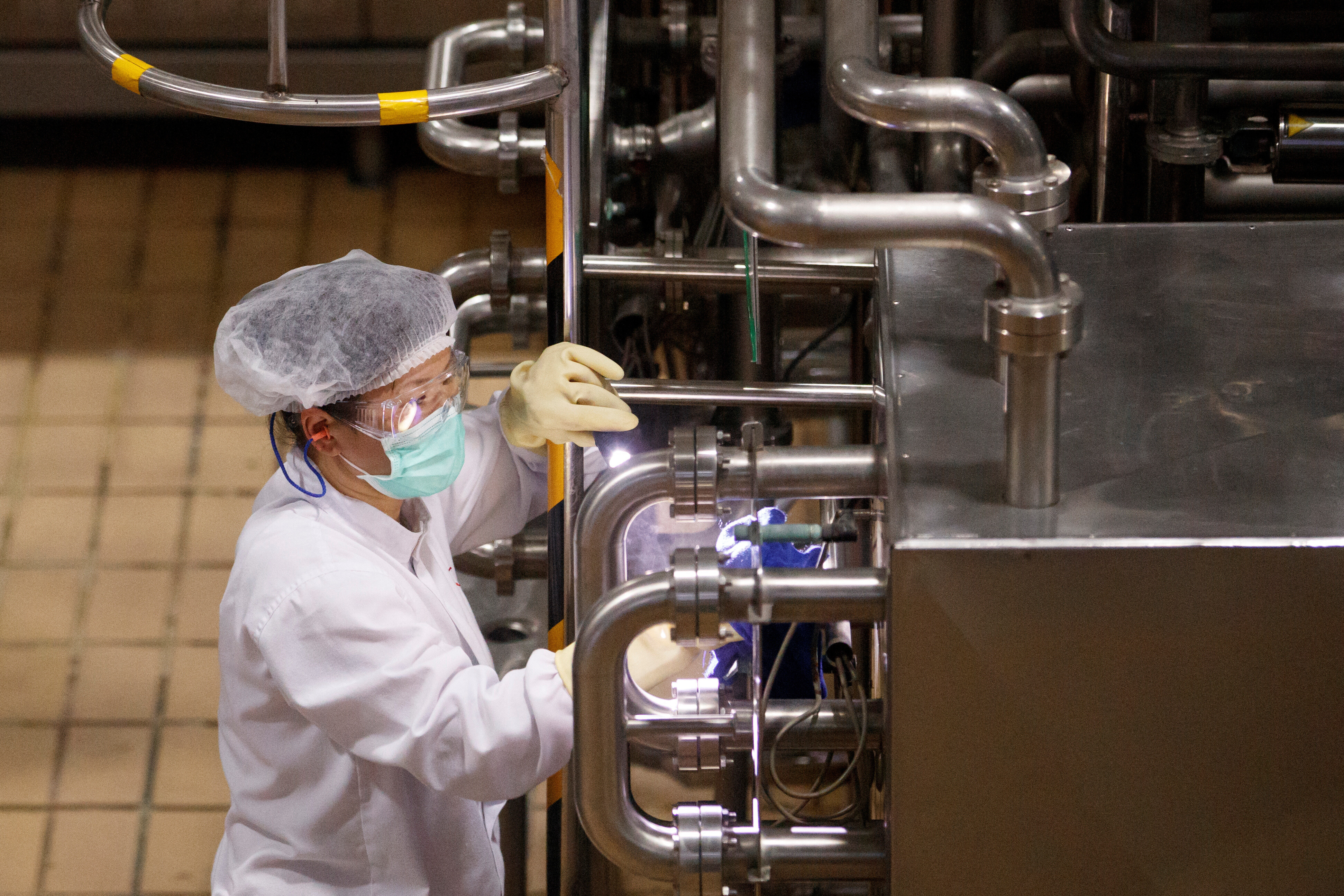
The success of the Mengniu plant, which was recognized with Lighthouse status by the World Economic Forum – signifying its leading position in integrating digital technologies – demonstrates how targeted investment can strengthen efficiency and resilience, while also showing how sustainability can act as a key to unlock business value.
Driving down industry-wide emissions requires collaboration from all parties, including through unconventional partnerships and open knowledge sharing.
For example, initiatives such as Podback, a pod recycling programme backed by competing coffee brands including Starbucks, Allpress Espresso and Nespresso, demonstrate how shared systems between unlikely collaborators help close the loop and reduce post-consumer waste.
As we accelerate investment and innovation across the food value chain, we must also ensure a just transition – one that supports farmers, workers and communities through the shift to more sustainable systems.
This means designing policies and partnerships that create fair opportunities, protect livelihoods and ensure that no one is left behind in the transformation. True collaboration must be inclusive, equitable and grounded in shared responsibility.
Food for economic growth
The food system drives economic growth and social stability by creating jobs, supporting communities and strengthening the value chain.
For example, the dairy sector is a significant contributor to the United States economy, generating nearly $780 billion in total economic impact and supporting more than 3.05 million jobs nationwide.
According to the 2025 Dairy Delivers report by the International Dairy Foods Association, the industry provides $198 billion in wages and contributes $83 billion in federal, state and local tax revenues.
Investing in sustainability is not a cost; it is a catalyst for growth, resilience and better outcomes for all.
”This economic footprint spans the entire value chain, from dairy farms to processors, distributors and retailers, demonstrating the sector’s role in sustaining rural economies as well as creating high-value employment for people.
In Colombia, the dairy industry is integral to the country’s economy, representing 24.3% of agricultural gross domestic product and generating over 700,000 jobs.
Through Tetra Pak’s Dairy Hubs model, structured partnerships between smallholder farmers and local dairy processors provide access to the latest technology, best practices and infrastructure, strengthening raw milk supply and improving quality. In our Colombian hubs, monthly farmer incomes increased by 57% from $242 to $379.
These are not isolated success stories. They demonstrate that food systems can be re-engineered to deliver on sustainability goals while supporting livelihoods and maintaining competitiveness, benefiting the entire food supply chain.
A catalyst for business results
Embedding sustainability into business strategy drives resilience, innovation and long-term growth. From reusing waste heat to optimizing resource use, companies are taking a holistic view of their operations, finding efficiencies that future-proof their competitiveness and expand growth opportunities.
When scaled across the wider value chain, this holistic thinking can unlock even greater efficiencies and commercial success.
A growing number of companies are successfully decoupling business growth from emissions. For example, Ingka Group, IKEA’s parent company, has reduced its absolute emissions footprint by 30% while increasing revenue by nearly 24% over the same period.
In addition, as reported in our Sustainability Report, by the end of 2024, Tetra Pak reduced absolute greenhouse gas emissions across its value chain by 25% from a 2019 baseline.
A key contributor to this progress has been the deployment of resource-efficient equipment, factory-wide optimization and packaging solutions with lower carbon footprints, helping food and beverage producers future-proof operations and adapt to market and regulatory shifts.
Turning ambition into action
Investing in sustainability is not a cost; it is a catalyst for growth, resilience and better outcomes for all. As shown above, these investments deliver real business value while supporting healthier communities and fairer livelihoods.
As an advanced manufacturer in food processing and packaging, we remain committed to driving food systems transformation and protecting food, people and the planet.
Don't miss any update on this topic
Create a free account and access your personalized content collection with our latest publications and analyses.
License and Republishing
World Economic Forum articles may be republished in accordance with the Creative Commons Attribution-NonCommercial-NoDerivatives 4.0 International Public License, and in accordance with our Terms of Use.
The views expressed in this article are those of the author alone and not the World Economic Forum.
Stay up to date:
Climate and Health


Forum Stories newsletter
Bringing you weekly curated insights and analysis on the global issues that matter.
More on Food, Water and Clean AirSee all

Michael Colarossi
April 7, 2026


