What is energy flexibility and how can it help meet rapidly rising energy demand?
The Energy Transition Index 2025 report finds that power system flexibility has deteriorated slightly. Image: Unsplash/fresonneveld
- Energy demand is rising globally due to wide-ranging electrification, industrial expansion and the growth of generative AI.
- Improving energy efficiency and electricity deployment will be vital for future decarbonized power systems, according to the World Economic Forum's Energy Transition Index 2025.
- Research suggests that energy flexibility mechanisms, such as demand-side response (DSR), where users adjust their consumption to stabilize the grid, could be a useful tool to manage growing demand while more capacity is added.
Has your utility company ever asked you to participate in a "saving session" where you get paid for using less electricity between, say, 5 pm and 6 pm in the evening? If so, you have experienced the concept of energy demand flexibility, also known as "demand-side response," albeit on a small scale.
A new study from Duke University in the United States suggests that this approach could distribute the energy we're already generating more effectively, helping us better meet rising demand.
Why is energy demand rising?
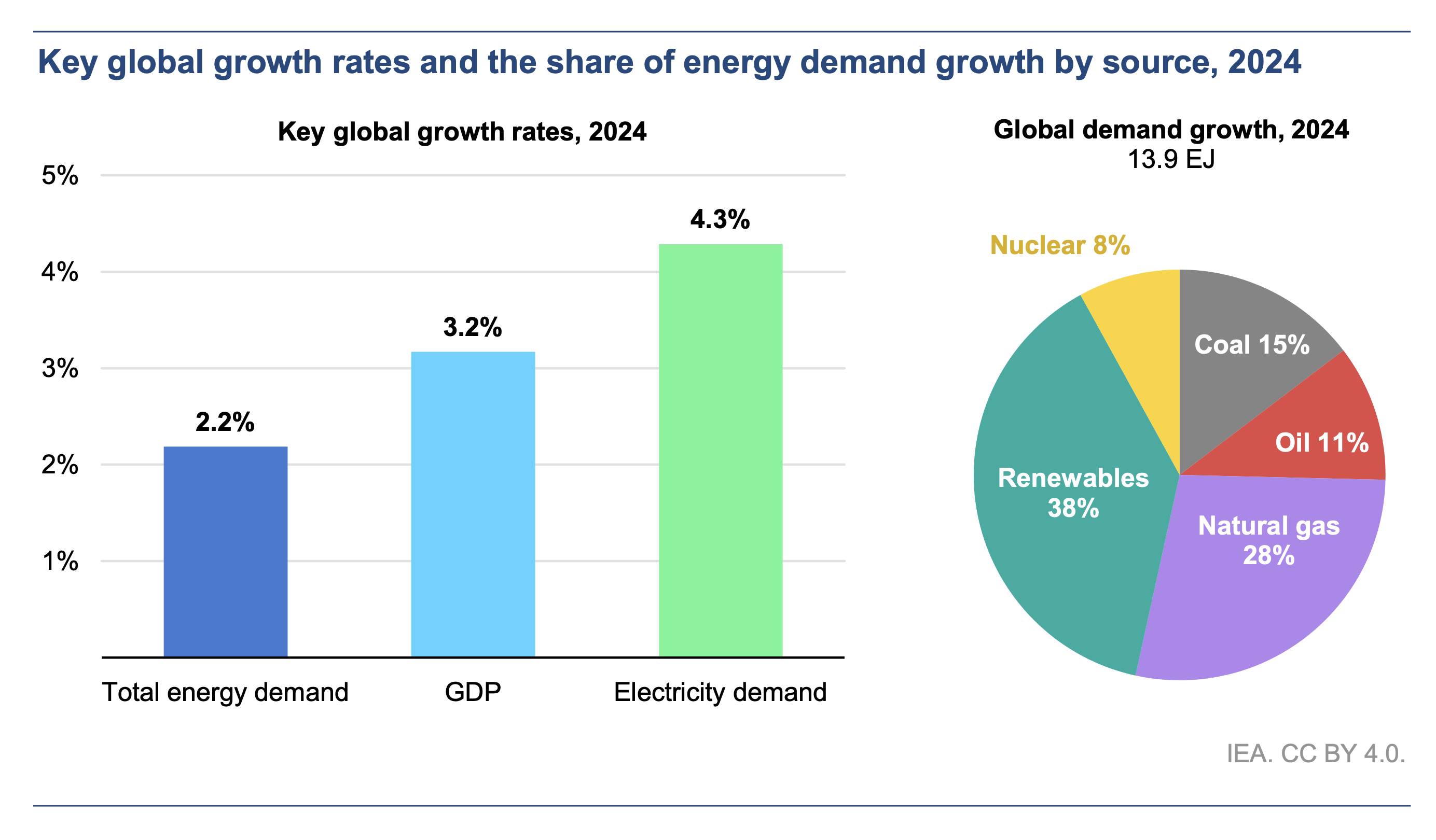
Energy demand globally increased by 2.2% last year, well above the previous decade’s average. Electricity rose by nearly double that amount, 4.3%. This was due to heatwaves, growing electrification, industrial expansion and the growth of data centres to accommodate energy-hungry generative AI processing.
The International Energy Agency (IEA) predicts that electricity use from AI data centres will more than quadruple by 2030, and the impact of this surge will be particularly pronounced locally in the world’s leading data centre hubs. These include Northern Virginia in the US, Northern Europe, Singapore and China, to name a few.
In the US, the expected surge in overall electricity demand is predicted to create the highest spike since World War II. The energy needs of data centres alone could expand by 15% annually over the next five years, according to analysts Wood Mackenzie.
What is demand-side response and why is it important?
Typically, rising demand for energy has been met by adding more power generation capacity. However, new infrastructure planning takes between 5-10 years, Wood Mackenzie cautions – and data centres will need access to more energy rapidly.
The researchers at Duke University have calculated that demand-side response mechanisms (DSR) could free up at least 76 gigawatts – or 10% of the US electricity grid’s current peak demand.
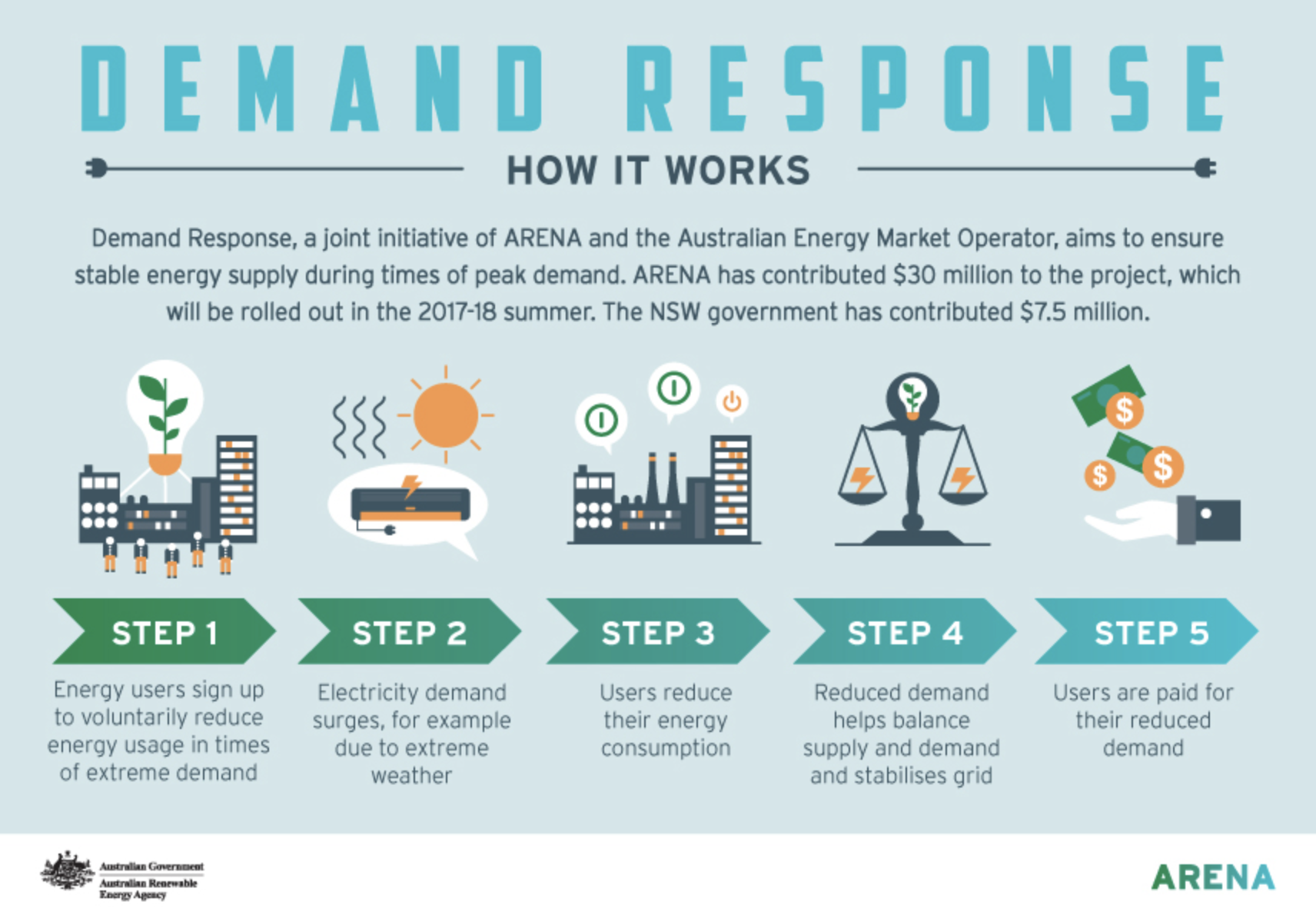
DSR refers to the ability to shift or reduce energy consumption. It involves energy users, especially large industrial facilities and data centres, temporarily reducing their electricity usage. This can be during times of high demand on the grid.
In doing so, utility companies can better match supply and demand, thereby resolving congestion on the grid and stabilizing it.
Electricity customers can be incentivized to adjust their power use, much like retail customers for their “saving sessions”. However, because the existing electricity is distributed more effectively, DSR affects both the price of energy and boosts energy security – both of which are rising concerns at a time of burgeoning demand and geopolitical and economic uncertainty.
By reducing the cost to consumers, empowering them to take control over their own consumption and improving overall grid efficiency, DSR is also a vital tool for improving energy equity and sustainability.
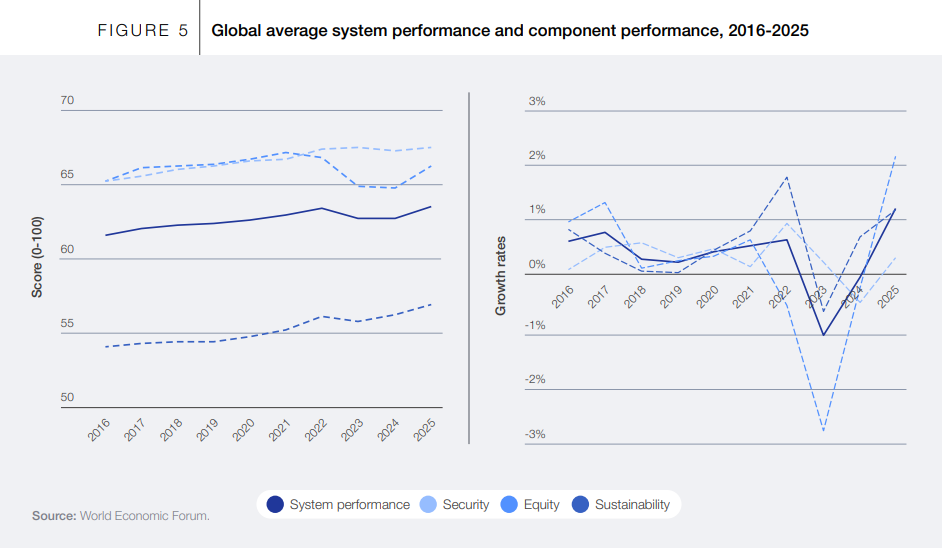
Overall, as underlying measures of system performance, there have been improvements in security, equity, and sustainability over the past decade. However, security and equity in particular have witnessed some volatility in recent years.
Equally, progress across the three dimensions has been uneven at the country level. Just over a quarter of countries have managed improvements across all three areas.
Is demand-side response enough?
The World Economic Forum's Fostering Energy Transition (ETI) 2025 report cites flexible infrastructure, including demand response mechanisms, as vital for securing future energy security and making them more resilient.
The Duke study finds that, depending on the level of flexibility from customers, grid balancing authorities in the US could jointly add nearly 100 gigawatts to the grid with minimal impact – using existing capacity. The average time customers would have to scale back their energy demands (load curtailment) would be around two hours. This is comparable to DSR programmes already in place in the US, the researchers say.
However, globally, according to the ETI 2025 report, scores for electricity system flexibility declined 1.3%. This suggests that the capacity to handle demand surges and variable supply from renewable energy sources remains insufficient. The recent blackout in Spain and Portugal – two of the most advanced countries in terms of integrating renewable power – has served as a reminder of the challenges modern grids face as they balance more diverse supplies and rising demand.
What other solutions can contribute to energy grid flexibility?
Much of the public discussion about the energy transition has focused on the supply side, decarbonizing power generation and moving emission-heavy users on the demand side – heavy industry, transport, home heating – to renewables and low-carbon fuels. These challenges often overshadow what many call "the world’s first fuel". Energy efficiency remains one of the most cost-effective ways to enhance energy security, reduce CO2 emissions and lower energy costs.
How the Forum helps leaders navigate the transition of energy and materials systems
By optimizing and helping support shifts in energy use, DSR contributes to making better use of the energy we are already generating. Other technologies contributing to this include smart grids and AI as enablers of more localized and efficient energy distribution. Storage solutions including batteries are another crucial element in future power grids, stepping in both as backup power for end-users and to stabilize the grid. This is also leading to a mindset shift for consumers and the system - rather than simply using power, households can make active choices which influence the system.
Looking ahead
Further down the line, even more support for the grid could come from large end-users in industry and data centres. As energy-hungry operations consider deploying their own power sources, these could help stabilize the grid.
Hyperscale data companies are increasingly looking at procuring their own energy rather than relying on the grid. Alongside on-site renewables, small modular nuclear reactors (SMRs) have been a particular focus of these initiatives. For example, Google and Amazon have signed agreements to produce SMRs for their AI data centres, while Equinix and others have signed power-purchase agreements with SMR developers to off-take nuclear power for their operations.
While it will likely take until the end of the decade before we will see operational SMRs, they could provide excess power back to the grid to stabilize it or cover shortfalls.
To build the decentralized, low-carbon energy systems of the future, maximizing the benefits of the energy already being generated will remain foundational. This includes behavioural incentives encouraging more conscious energy usage, the Energy Transition Index 2025 report points out – whether it’s grid operators, industrial end-users or consumers.
Don't miss any update on this topic
Create a free account and access your personalized content collection with our latest publications and analyses.
License and Republishing
World Economic Forum articles may be republished in accordance with the Creative Commons Attribution-NonCommercial-NoDerivatives 4.0 International Public License, and in accordance with our Terms of Use.
The views expressed in this article are those of the author alone and not the World Economic Forum.
Stay up to date:
Energy Transition


Forum Stories newsletter
Bringing you weekly curated insights and analysis on the global issues that matter.
More on Energy TransitionSee all

Mark Esposito
March 18, 2026


