Clean technologies already work at scale and are cost-competitive; the core challenge now is integrating them across power, industry, transport and digital infrastructure to keep energy reliable, affordable and secure.
The new phase of the energy transition is unfolding in three waves, each building on the last: scale and cost reduction, technology and infrastructure expansion, and system integration.
This article was first published in the South China Morning Post, read it here.
For much of the past decade, the energy transition debate has largely revolved around a single question: can clean technologies work at scale?
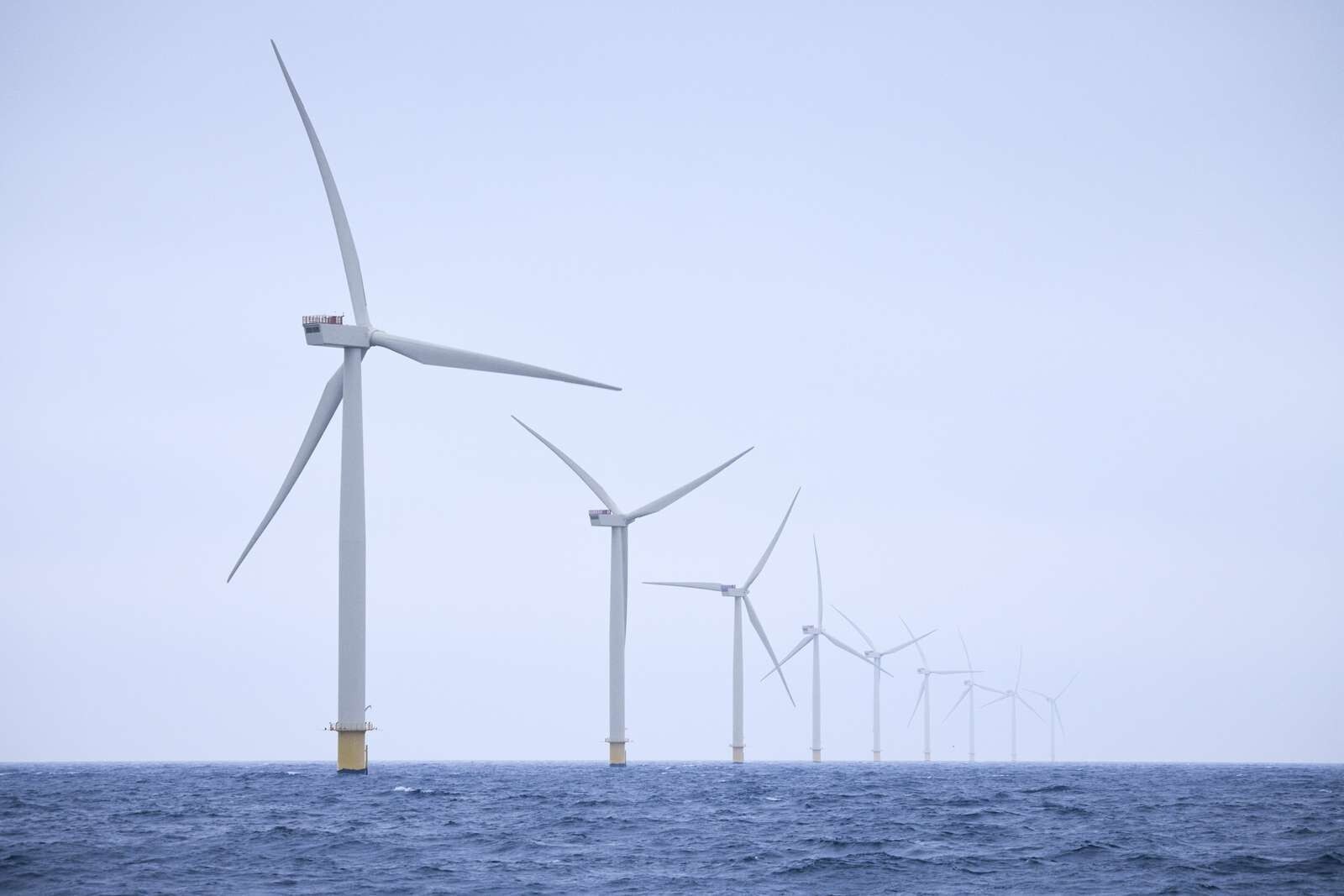
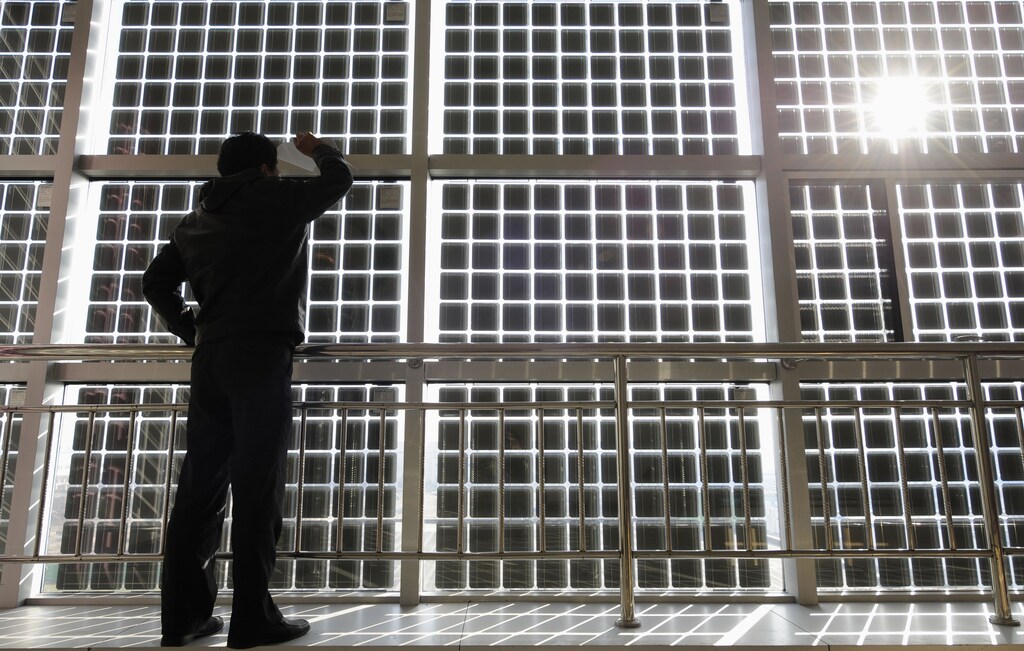
That is increasingly being answered. Solar panels, wind turbines, batteries and electric vehicles have moved from the margins into the mainstream, as key technologies have become more cost-effective, more efficient and faster to deploy. In many markets, these energy sources are no longer the future of energy; they are the present.
The challenge today is no longer simply proving that more individual technologies work. It is integrating these technologies across sectors into power and industrial systems that remain reliable, affordable and secure while serving rapidly growing global demand.
This shift marks a new phase of maturity in the energy transition, where system design matters as much as technological innovation. That evolution continues to unfold in three overlapping waves.
The first wave was about feasibility through scale. Over the past decade, manufacturing and deployment drove dramatic cost reductions in a handful of core technologies. Nowhere is this clearer than in China.
Its expansion of solar, wind, batteries and electric vehicles turned what were once premium options into accessible and affordable mass-manufactured products. As scale increased, prices fell, supply chains matured and learning curves accelerated. The result was not just lower emissions but a redefinition of what affordable energy looks like.
This mattered far beyond China. Cheaper solar panels reshaped power markets across the world. Battery cost declines unlocked electric mobility across income levels. What was once an environmental choice became an economic one. The first wave demonstrated that decarbonization could align with economic growth.
But success created a new set of pressures. Electricity demand rose. Not only from households but from industry, transport, cooling, data centres and digital infrastructure. At the same time, some of the hardest-to-abate sectors – such as steel, cement, chemicals, shipping and aviation – still lacked affordable, scalable pathways to cut emissions at speed. This is where the second wave comes in.
The second wave is about expanding the range of viable technologies and building the infrastructure to support them. Long-duration storage, hydrogen, carbon capture, advanced nuclear, superconductors, clean fuels and next-generation grids move from limited applications toward deployment at scale.
Like the first wave, there is no single pathway. Different regions advance from different starting points, shaped by resource endowments, industrial structures and policy choices.
In this wave, policy is decisive: it sets the rules, incentives and delivery mechanisms – from permitting and grid access to standards, market design and investment frameworks – that make new technologies deployable, interoperable and investable within an integrated system.
In the Gulf, for example, grid and interconnection build-out is accelerating to enable new technologies, including upgrades to high-voltage direct current interconnection assets and new high-voltage links, to strengthen power security and system stability across the region and enable higher shares of renewables.

In Britain, regulators and utilities are backing this expansion with multi-billion-pound investment in transmission networks to integrate renewables and storage. In South Africa, competitive procurement programmes have mobilized private capital, while recent reforms focus on grid access and system readiness.
Yet even as these technologies mature and accelerate, a deeper shift is underway. The third wave is not only about adding more assets; it is about making them work together.
This is the phase of energy and digital convergence. Electricity, molecules and data are no longer managed in silos. They interact continuously through markets, software and infrastructure, aligning supply and demand across regions and sectors.
A factory, data centre, port or household is not just a consumer of energy; they are participants in a coordinated system.
We can already see early signs. Power systems are increasingly operated through real-time markets and digital platforms that coordinate renewables, storage and flexible demand.
Large industrial consumers are being integrated into system operations rather than treated as fixed loads. Grid operators are using data-driven tools to plan networks, manage congestion and accelerate connections.
Digitalization is the connective tissue. Advanced power electronics, sensors and software allow grids to handle far more complexity.
We are at the dawn of how artificial intelligence can optimize forecasting, maintenance, system balancing and overall system integration, helping to better anticipate peaks in demand and dips in supply, spot problems in equipment before they cause outages and manage storage and flexible consumption more smoothly.
Crucially, as heavy industries are decarbonised, shared infrastructure – whether for hydrogen supply, carbon dioxide transport and storage or industrial electrification – will be critical. This is a priority reflected in the World Economic Forum’s work on transitioning industrial clusters.
By replacing fragmented projects with coordinated systems, shared infrastructure reduces costs and minimizes risks while accelerating deployment.
Taken together, these three waves mark a shift in the centre of gravity of the energy transformation.
The first wave proved that clean technologies could scale. The second is about broadening the technological base and strengthening infrastructure. The third is about integration and aligning generation, storage, demand and industrial use into a single operating logic.
The energy transition is no longer a story of technologies proving themselves. It is a story of systems finding their shape. The next decade will be defined not only by what we can build but by how well we can connect, coordinate and optimize what we have. That is where the next transformative phase of the transition now lies.
Getting this right will be a decisive business and economic opportunity – lowering system costs, strengthening resilience and unlocking new sources of competitiveness, investment and jobs.