The Gulf can be a leader in global AI if it gets the focus right
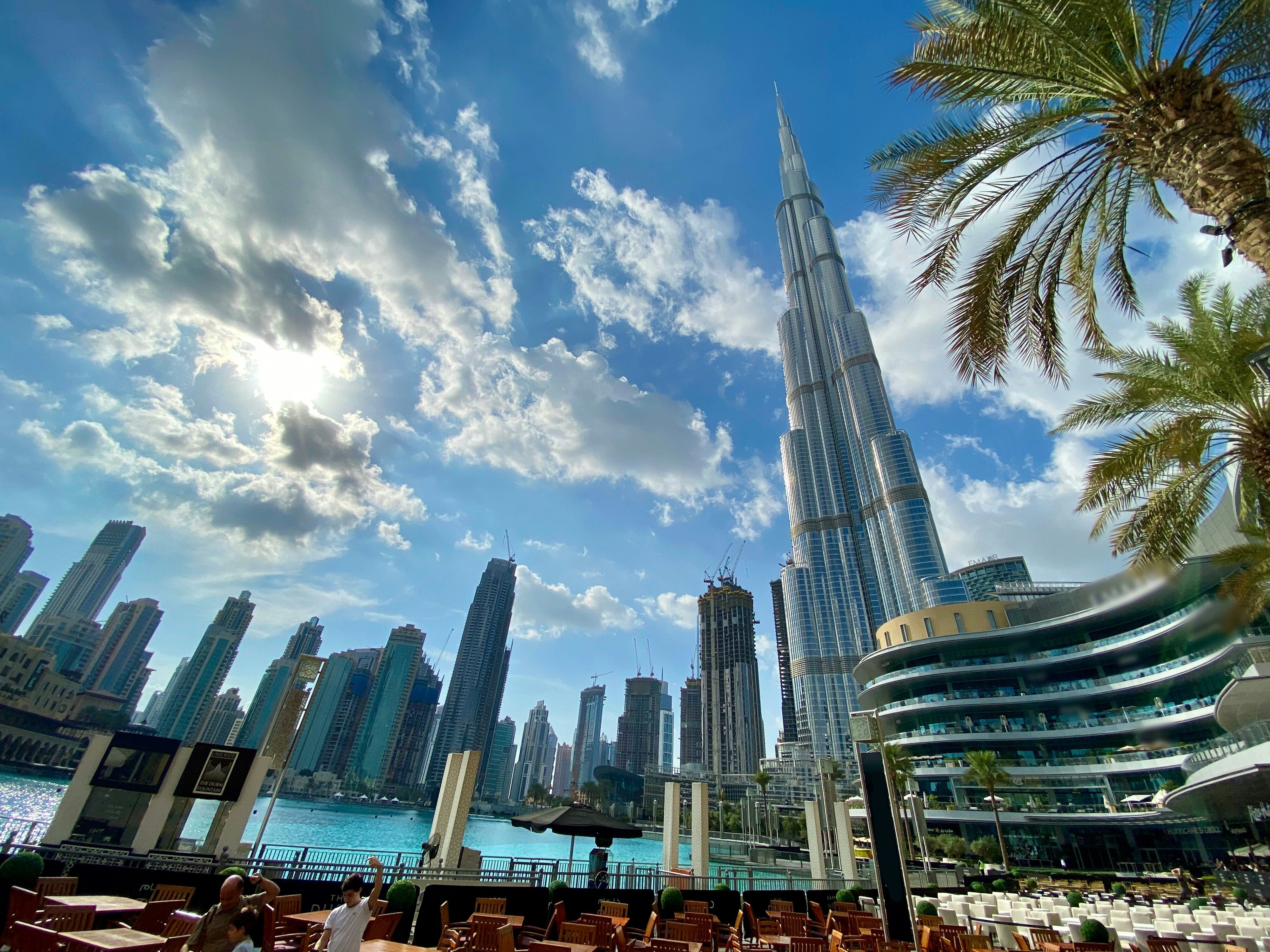
This is a moment for the Gulf to rise to the challenge. Image: Unsplash
- Artificial intelligence and other advanced technologies are evolving rapidly.
- Across the Gulf region, governments are investing heavily in the intelligent economy.
- To fully take advantage of the AI revolution, supportive regulatory frameworks, financial incentives, technological innovation and substantial investments will be critical.
Artificial intelligence is fast becoming the new engine of global growth, and Gulf states are in the driver’s seat. Across the GCC, governments are investing heavily in the intelligent economy, not only to diversify away from oil but to define what a sustainable, tech-powered future looks like.
The results are already visible. Gulf economic growth prospects are currently outpacing those of the rest of the world, while leading US tech companies are rushing to form partnerships in the region, underlining rising confidence in the GCC’s technology ambitions.
The UAE in particular is positioning itself as a regional tech hub, with efforts to lead globally in autonomous taxis and delivery vehicles, building an AI-powered logistics network, preparing Abu Dhabi to become the world’s first fully AI-native government.
Yet ambition comes with risk. With the Gulf already facing complex environmental challenges - from acute water scarcity and extreme heat to high carbon emissions and climate vulnerability - the rapid rise of AI, along with the data centres and infrastructure it depends on, could further strain energy systems.
To seize the benefits of AI without deepening these strains, sustainability must sit at the heart of its development. Crucially, AI itself can be part of the solution. Beyond driving productivity, it can accelerate progress towards national and global sustainability goals.
For example, AI can be a valuable tool for optimising complex, evolving energy systems. Notably by integrating renewable resources, it can improve the way smart water management systems tackle problems such as scarcity, inefficient distribution or pollution. It can also streamline supply chain management by minimising carbon emissions and resource consumption.
To translate this potential into impact - and demonstrate how AI can be a powerful tool for decarbonisation and not just automation – the World Economic Forum’s Leaders for a Sustainable MENA community is working together to identify, prototype and codify tangible AI and technology-based solutions to accelerate the realisation of sustainability goals across key sectors in the region.
Governments and companies will also need to focus on local value creation.
”At the heart of the challenge of ensuring that AI aligns with sustainability goals is the need to develop adequate infrastructure. The immense demand for energy from the data centres that AI relies on – including hyper-scale facilities the size of more than a dozen full-size football pitches – means that AI-related electricity consumption is growing by as much as 50% a year. As a result, data centre electricity demand is projected to grow from 1-1.5% of global energy demand currently to over 3% by 2030.
Strategies such as energy-efficient hardware, AI-optimised cooling, and smarter data centre design need to be explored to meet demands to ensure long-term sustainability and carbon neutrality. Progress is already being made: World Economic Forum research has found that select companies in the telecommunications, energy and advanced manufacturing sectors have managed to achieve electricity savings of up to 60% – with potential for further gains – in areas such as energy storage, battery efficiency, and smart grid management.
For the GCC to step into a leadership role in the global AI arena, regional collaboration across borders and industries will be essential. In support of this effort, the Forum’s AI Competitiveness through Regional Collaboration Initiative convened leaders from government, business, and civil society in Abu Dhabi earlier this year – to advance an AI ecosystem that is both globally competitive and locally sustainable.
To fully take advantage of the AI revolution, supportive regulatory frameworks, financial incentives, technological innovation and substantial investments in AI and data infrastructure will be critical. Governments and companies will also need to focus on local value creation, bridging skills gaps and supporting talent retention, facilitating cross-border data sharing solutions, and ensuring that rising power demand does not throw renewable energy targets off course.
This is a moment for the Gulf to rise to the challenge. The UAE in particular has a unique chance to set an example to the rest of the world by not only becoming the first AI-native government, but the first sustainable AI-native government and the two can go hand in hand. As the world moves into a new era that will be defined by advanced or emerging technologies, the Gulf region could become a model for others – showing what leadership means in the “intelligent age”.
Ultimately, AI leadership will not be achieved only by acting fast and thinking big. Speed and scale matter, but so does direction. The intelligent age will reward those who move fast, and wisely.
Don't miss any update on this topic
Create a free account and access your personalized content collection with our latest publications and analyses.
License and Republishing
World Economic Forum articles may be republished in accordance with the Creative Commons Attribution-NonCommercial-NoDerivatives 4.0 International Public License, and in accordance with our Terms of Use.
The views expressed in this article are those of the author alone and not the World Economic Forum.
Stay up to date:
Generative Artificial Intelligence
Related topics:


Forum Stories newsletter
Bringing you weekly curated insights and analysis on the global issues that matter.
More on Artificial IntelligenceSee all

Jeremy Jurgens
February 27, 2026