How Japan is tackling the rising tide of smartphone addiction
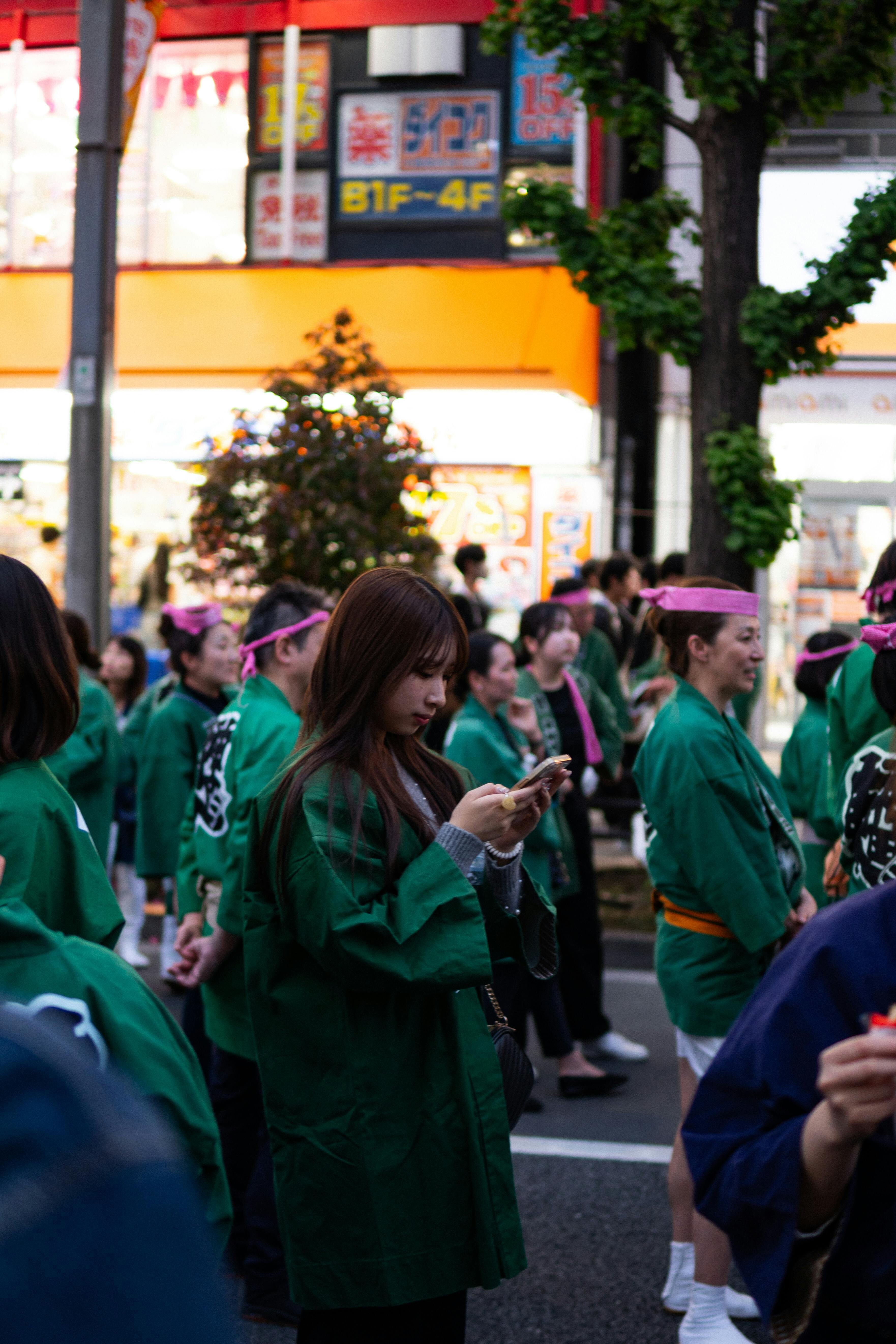
Average smartphone usage in Japan is estimated at around 20 hours per week. Image: Pexels/Talha Resitoglu
- Japan's comparatively light average smartphone usage masks more specific vulnerabilities to screen addiction among the population.
- A pioneering municipal ordinance, as well as a Tokyo clinic for 'smartphone dementia', are among the new Japanese initiatives addressing the problem.
- Such efforts are in line with broader efforts to safeguard psychological well-being.
Smartphones have become indispensable to daily life. Beyond phone calls and messaging, they enable internet searches, online shopping and even health monitoring, delivering enormous benefits to society and the economy. Yet as reliance on them deepens, concerns have emerged about excessive use and dependence, with potential negative impacts on health, human relationships and productivity.
Globally, smartphone use continues to expand. In 2024, the number of devices reached 4.5 billion, and daily usage times are steadily rising. According to one survey, the Philippines recorded the longest average daily use at five hours and 21 minutes, followed by Brazil and South Africa at five hours and 12 minutes and 11 minutes respectively. Another report reveals that American people use their mobile phones for five hours and 16 minutes per day on average. Such prolonged use reflects how smartphones have become central to modern lifestyles, but it also raises questions about balance and sustainability.
Extended smartphone use has been linked to a range of health issues, including impaired vision, sleep disorders and adverse effects on brain development and concentration. These risks are prompting action across many countries. In Finland, a law restricting mobile device use in primary and secondary schools took effect in August 2025. Similar school-based restrictions have been implemented in France, Italy, the Netherlands and China, with South Korea scheduled to adopt them in March next year. Meanwhile, Australia and Norway have introduced age limits on social media use to protect minors from excessive engagement. These regulatory efforts illustrate a growing recognition that digital access, while transformative, must be accompanied by safeguards.
In Japan, average smartphone use is estimated at around 20 hours per week, or just under three hours per day. While this figure is not especially high by global standards, its impacts are increasingly evident. A 2024 Cabinet Office survey found that people who spent longer hours on smartphones were more likely to report feelings of loneliness. In addition, “smartphone addiction”, in which individuals lose control over their usage and experience disruption in school, work or daily life, is becoming a serious concern. It is estimated that around 10% of high school students and 25% of university students may be affected, highlighting the issue as an emerging social challenge. These findings signal that even moderate national averages can mask deep vulnerabilities within specific age groups and communities. In response to this situation, new initiatives, including regulatory measures, are being advanced in Japan, encouraging a review of usage habits both in schools and at home.
New initiatives in Japan
Japanese municipalities and organizations have long promoted awareness through campaigns and opportunities for digital detox. In 2025, however, more concrete measures have been introduced.
In the city of Toyoake, Aichi Prefecture, Japan’s first municipal ordinance setting “guidelines for smartphone use” was enacted. Covering roughly 69,000 residents, including children under 18 attending local schools, the ordinance was approved in September and came into effect this month. It recommends limiting smartphone use during leisure time, or time excluding work or study, to no more than two hours per day. It also suggests that children in elementary school stop using smartphones by 9pm, and junior high school students and above by 10 pm, encouraging households to establish their own rules.
Mayor Masafumi Koki explained that the ordinance was motivated by concerned parents of addicted children who were avoiding school and outdoor activities. Though the decree carries no penalties or enforcement powers, it aims to encourage self-checks and family dialogue around smartphone use.
A specialized clinic for 'smartphone dementia'
In June 2025, Japan’s first outpatient clinic specializing in “smartphone dementia” opened in Tokyo. The condition refers to temporary dementia-like symptoms such as forgetfulness, caused by prolonged exposure to vast amounts of information that overwhelm the brain’s processing capacity.
The clinic estimates that between 10 and 20 million people in Japan may be at risk, stressing the importance of early detection and intervention. Consultations begin with app-based registration, followed by interviews assessing lifestyle habits. Doctors then propose improvements and, if necessary, prescribe medication to alleviate the symptoms. As of July, the clinic was seeing around 10 patients a day, most of them in their 30s, a trend that has drawn particular attention.
The benefits of responsible use
Smartphones are powerful tools that provide convenience, social connectivity and economic opportunity. Yet, as the Forum report The Intervention Journey: A Roadmap to Effective Digital Safety Measures highlights, excessive use can undermine “personal and community safety, health and well-being”.
Developing healthy usage habits is therefore essential, not only to safeguard physical and mental health but also to strengthen the resilience of society as a whole. The message resonates with the theme of World Mental Health Day, observed annually by the World Health Organization on 10 October, which highlights the importance of creating environments that support mental well-being.
Japan’s initiatives, from municipal ordinances to specialized medical responses, demonstrate how governments, communities and the private sector can collaborate to address emerging risks without undermining the benefits of connectivity. As digital technologies continue to expand globally, the Japanese experience offers lessons on how societies can balance innovation with well-being.
Don't miss any update on this topic
Create a free account and access your personalized content collection with our latest publications and analyses.
License and Republishing
World Economic Forum articles may be republished in accordance with the Creative Commons Attribution-NonCommercial-NoDerivatives 4.0 International Public License, and in accordance with our Terms of Use.
The views expressed in this article are those of the author alone and not the World Economic Forum.
Stay up to date:
Cybersecurity
Related topics:


Forum Stories newsletter
Bringing you weekly curated insights and analysis on the global issues that matter.
More on Wellbeing and Mental HealthSee all

Jacqueline Brassey and Jahanara Rahemtulla
April 1, 2026


