This round-up brings you the key stories from the energy sector over recent weeks.
Top energy news: Renewable energies overtake coal; IEA urges grid investment; US energy firms spend billions on gas pipelines.
For more on the World Economic Forum’s work in the energy space, visit the Centre for Energy and Materials.
1. Rise of renewables
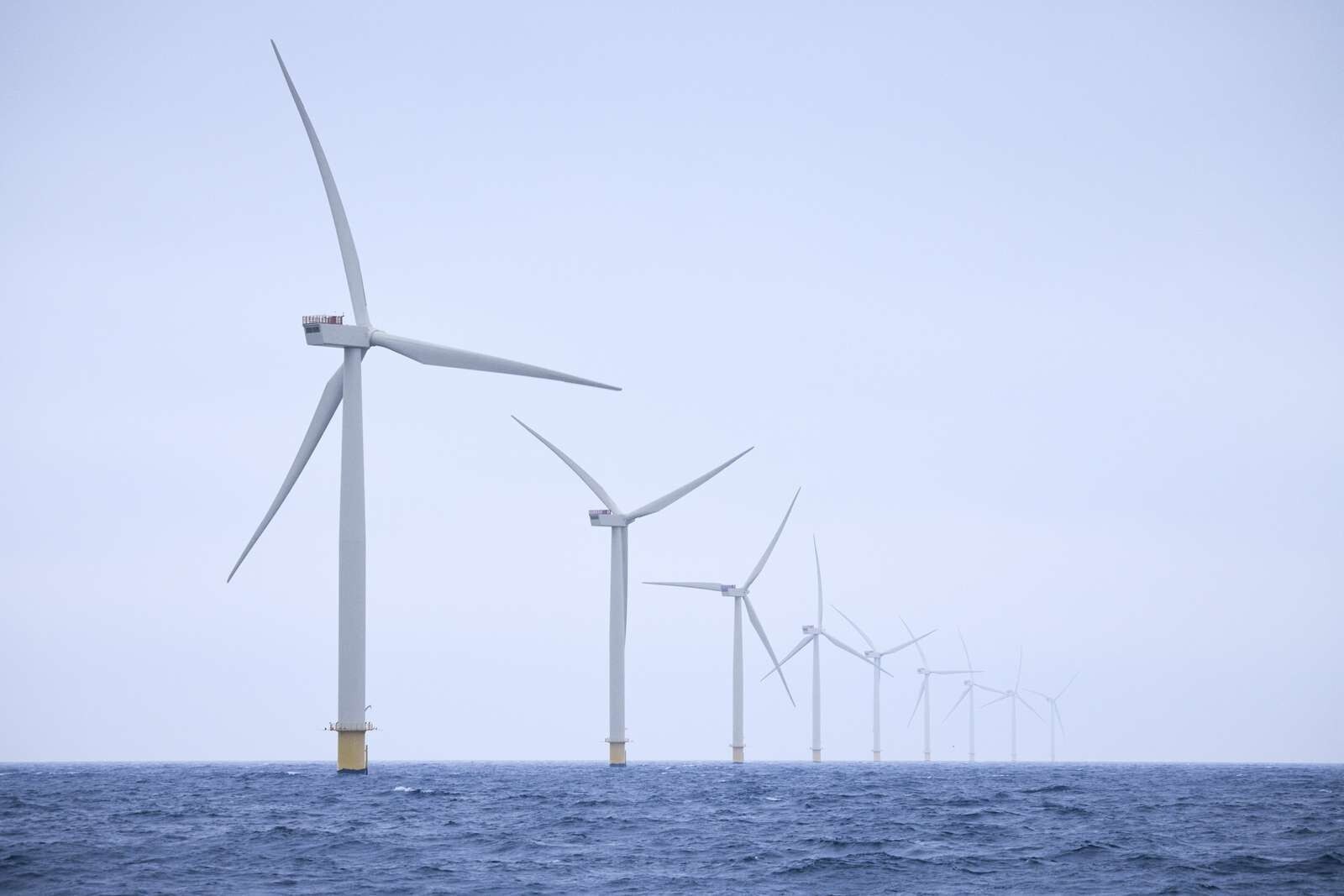
Renewable energy has produced more electricity than coal for the first time, according to a report from energy think tank Ember.
Global electricity demand grew by 2.6% in the first half of 2025 – a rise that was more than met by increases in solar (+31%) and wind generation (+7.7%), the report says. With growth of 306 TWh – about the same amount of electricity that a country like Italy uses in a year – solar alone covered 83% of the increase in demand.
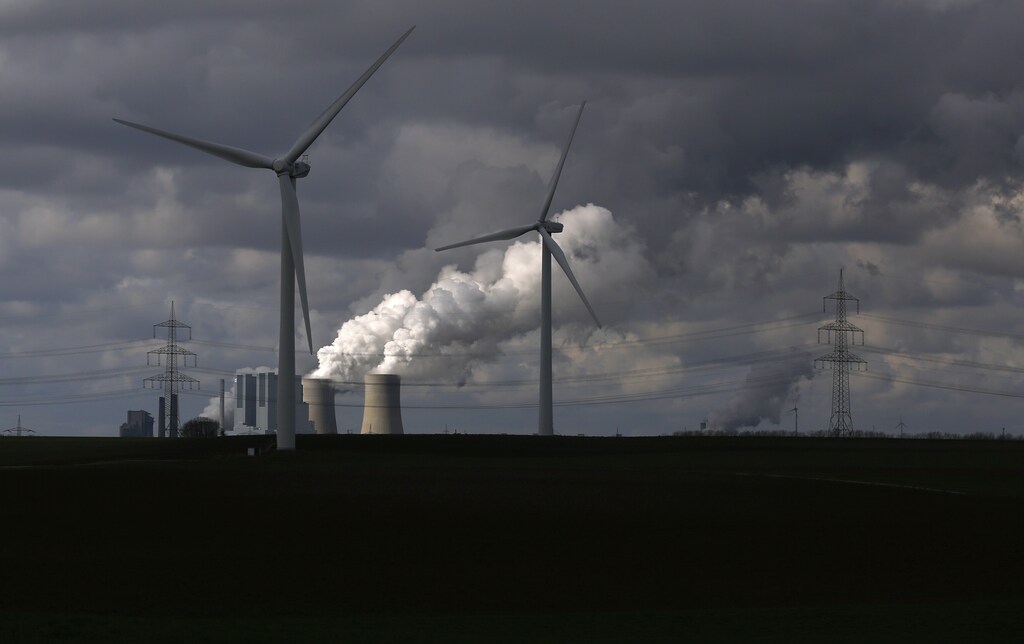
Coal generation, meanwhile, fell by 0.6%, leading to renewables’ share of global electricity rising 1.6 percentage points to 34.3%. Coal’s share fell by just over a percentage point to 33.1%.
Coal use and emissions fell in China and India as wind and solar met the growth in demand, the report adds. But its use grew in other major regions, with the European Union leaning on gas and coal to offset falls in hydro, bioenergy and wind generation and the US using more coal because clean sources did not rise enough to meet demand growth.
Concluding that the surge of solar and wind provides a “pivotal moment” to accelerate the energy transition, the report calls for governments to set ambitious targets and policies to speed up deployment of clean energy sources.
Emerging economies in particular, it says, still face barriers to renewables generation and need support from mature economies to overcome them.
The World Economic Forum's Coal to Clean platform works with energy, finance and civil society organizations to accelerate funding for the early retirement and repurposing of coal-fired power plants in emerging economies
2. Invest in grids and batteries - IEA
Amid the surge in solar, the head of the International Energy Agency (IEA) has highlighted the need to address supply chain and grid challenges.
In an announcement accompanying the agency’s Renewables 2025 report, Fatih Birol said that, driven by low costs and faster timeframes for permits, solar PV is on course to account for about 80% of the increase in the world’s renewable capacity until the end of this decade.
As renewables’ role in power systems increases in many countries, policy-makers “need to pay close attention to supply chain security and grid integration challenges,” he said.
The rapid rise of renewables is putting increasing pressure on electricity systems, the report notes, and with curtailment and negative price events appearing in more markets, it calls for urgent investment in grids, energy storage and flexible generation.
The report lowers its overall renewable energy growth forecast for 2025-2030 by 5% compared to last year to reflect policy, regulatory and market changes.
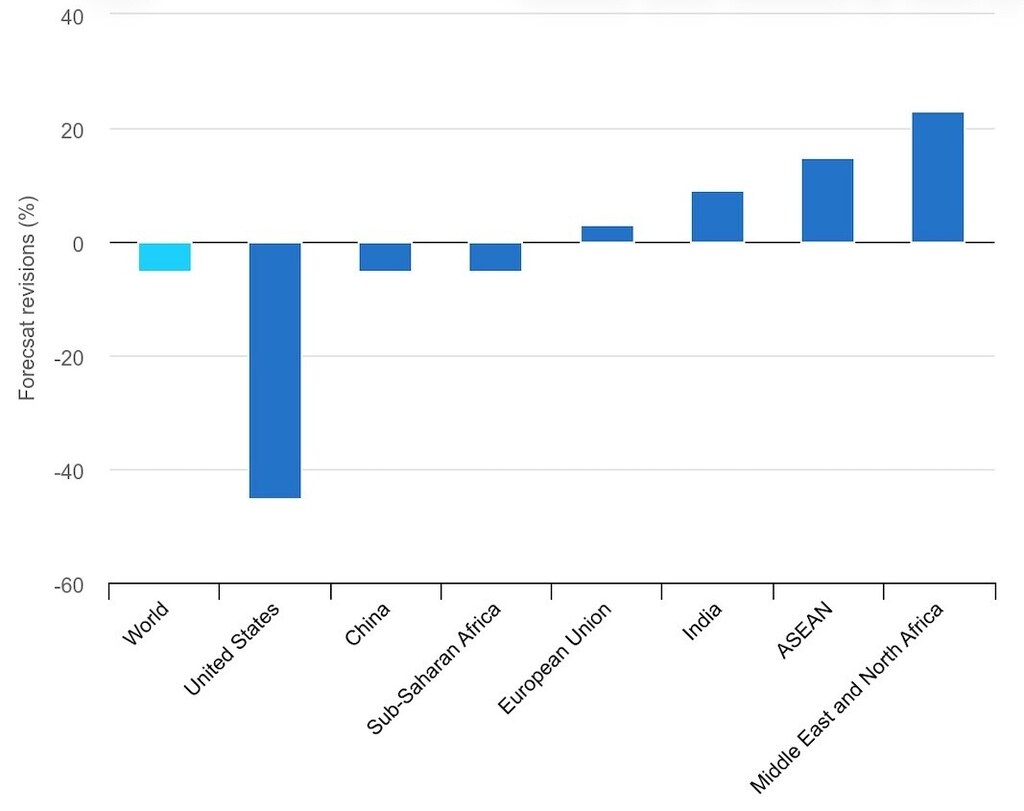
The report underscores the need to ensure power systems are flexible, resilient and sustainable – these will be the "backbone of future economies", according to the World Economic Forum's Future of Power Systems initiative.
The initiative works with a diverse range of stakeholders to drive the partnerships, strategies and innovations that will support future demand.
3. News in brief: More energy stories from around the world
Energy companies in the US are investing nearly $50 billion into new and planned pipelines over the next five years to tap into a boom in natural gas demand. More than 8,000 miles of new pipelines are planned across the country this year.
European oil refineries are moving to increase production of cleaner products, such as sustainable aviation fuel and biofuels, amid regulatory demand and competition from modern plants in other regions, Reuters reports.
The latest Energy Transition Outlook from risk-management provider DNV has found that despite differing national trajectories – including a slower phase in the US – the momentum of the global energy transition remains resilient.
CATL, a battery maker in China, plans to send 2,000 workers to build a battery plant in Spain, in a joint venture with carmaker Stellantis.
Energy ministers from countries in the Association of South-East Asian Nations (ASEAN) meet in Kuala Lumpur, Malaysia this week to work to strengthen energy cooperation across the region. Discussions will focus on areas including ASEAN's energy roadmap and initiatives to strengthen energy interconnectivity, advance the low-carbon energy transition, and boost regional energy security.
Egypt is planning to drill 480 exploratory oil wells over the next five years, with investments totalling more than $5.7 billion, the country's petroleum minister has said.
One of the biggest coal-fired power stations in Queensland, Australia, could close six years earlier than expected, the Guardian reports.
In the US, wholesale electricity costs 267% more than it did five years ago in areas near data centres, according to analysis from Bloomberg.
A new motorsport series using hydrogen fuel cell technology has launched in Saudi Arabia. The FIA Extreme H World Cup aims to showcase the role hydrogen can play in the clean energy transition, organizers say.
How is the World Economic Forum facilitating the transition to clean energy?
The Centre for Energy and Materials connects leaders to make sense of the complex transitions reshaping energy, materials and industrial systems. It provides a platform to explore how energy security, affordability and sustainability intersect.
Through collaboration across value chains and regions, the Centre enables shared pathways that help partners align around practical solutions for a secure, low-carbon and equitable transition.
4. More on energy from Forum Stories
With energy demand accelerating, could space-based solar power be part of the solution? Technically and economically viable, it has the potential to be an abundant and sustainable source of energy, the co-founder of Space Solar writes.
The global energy transition is advancing, but countries are at different stages of their journeys. South Africa and Germany are an example: Germany's experience offers insights into a just transition that could help South Africa protect the livelihoods of its many fossil-fuel workers. Read more in this article.
With abundant renewables, critical-mineral wealth and relatively low fossil-fuel dependence, the region of Latin America and the Caribbean has some of the globe’s most favourable structural conditions for clean energy. Yet, according to a new whitepaper from the World Economic Forum, its readiness for the energy transition has not kept pace. Download the report to read more about potential pathways to progress.
To learn more about the work of the Energy, Materials, Infrastructure Platform, contact Ella Yutong Lin: ellayutong.lin@weforum.org