24/7 energy straight from orbit: Why we need space-based solar power
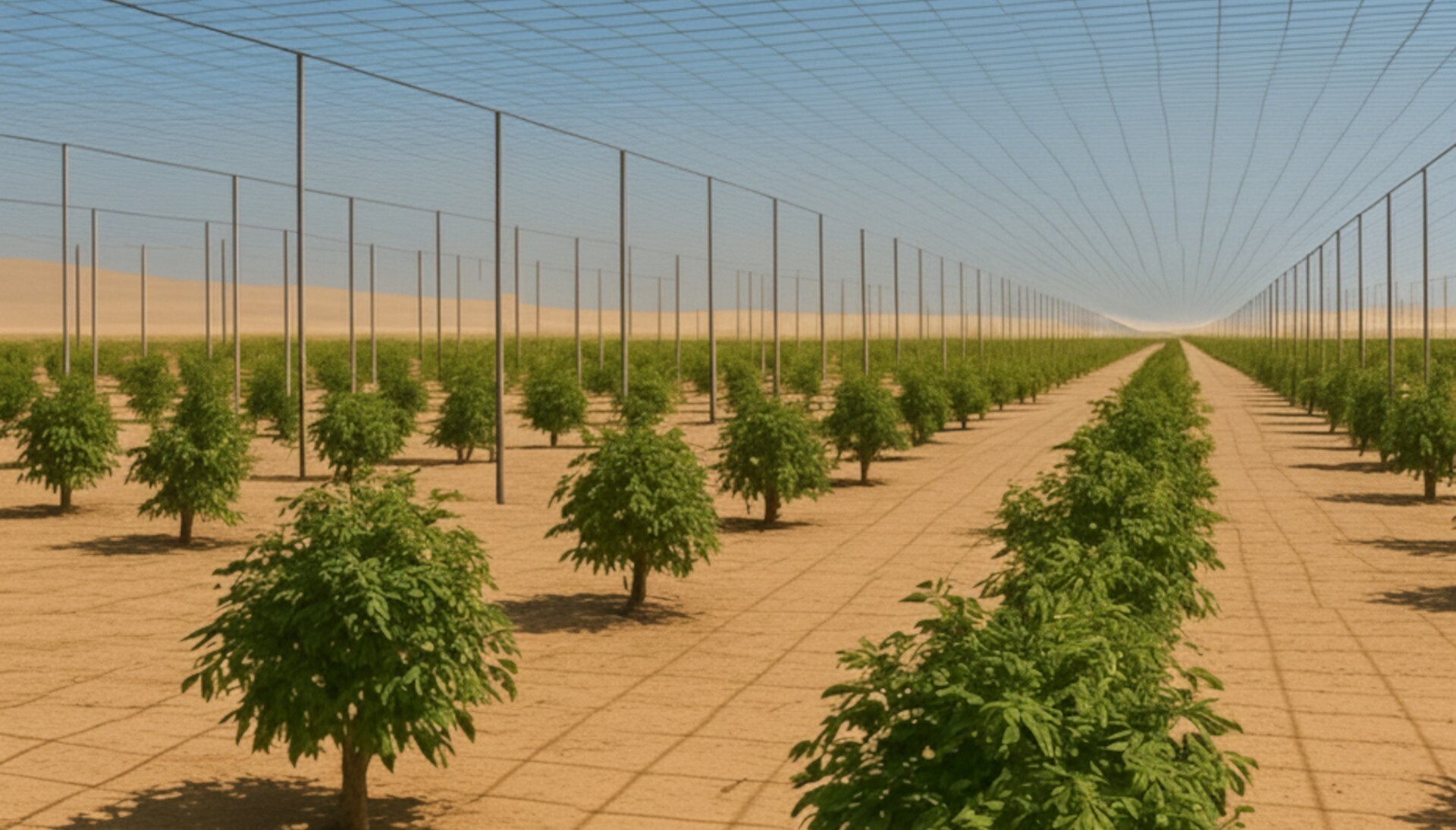
Now technically and economically viable, space-based solar power (SBSP) could be a new abundant sustainable energy source. Image: Space Solar
- Now technically and economically viable, space-based solar power (SBSP) could be a new abundant sustainable energy source.
- Able to provide consistent power renewables struggle to supply, its efficiency also means a drastic reduction in materials usage.
- The biggest obstacle to exploring SBSP remains the structure of private capital needed to build the long-term infrastructure.
The world is at a crossroads, facing the dual challenge of supply the power needs of a growing global population, while combating climate change. Energy demand is accelerating due to increasing electrification and the growth of big data and AI, making our current energy systems unsustainable. While terrestrial renewables like wind and solar are crucial, they are intermittent and require vast tracts of land.
With the window to act closing, it is clear there is no single solution; resilience requires a diverse portfolio of technologies. These are exactly the kinds of challenges being explored by the World Economic Forum’s Global Future Council on Energy Technology Frontiers.
One such potential frontier for securing a truly clean and abundant energy future may be space-based solar power (SBSP). The concept, first proposed by Peter Glaser in 1968, is simple: It involves placing large satellites with solar panels in geostationary orbit, some 36,000 kilometres above the Earth. Here, they bask in uninterrupted sunlight, 24/7. This constant stream of solar energy is then converted into microwaves and beamed down to receiving stations on the ground. The beam itself is safe; at a peak intensity of around 230W/m², it is about a quarter of the strength of the midday sun.
The energy is collected by a receiving antenna, or "rectenna", a lightweight mesh of antennas on poles. This makes the ground station relatively inexpensive to build. Because the rectenna is largely transparent, the land beneath can be used for growing crops or co-located with terrestrial solar panels, enabling dual use. The rectenna converts the microwave energy back into electricity, which is then fed into the power grid. While deemed technically viable in the 1970s, it is only in the last decade – with the reduction of launch costs and advances in mass manufacturing – that SBSP has become economically viable.
Why harvest solar power in space?
The advantages of this approach are compelling. Terrestrial solar farms are at the mercy of weather and the day-night cycle, whereas SBSP provides consistent, reliable baseload power – something only achievable on Earth with fossil fuels or nuclear. The intensity of sunlight in space is also significantly higher, meaning space-based panels generate far more energy per square metre than their terrestrial counterparts, freeing up valuable land.
This superior energy density also translates into a dramatic reduction in material usage. An SBSP system requires orders of magnitude fewer critical minerals to provide the same continuous power as a terrestrial solution with large-scale energy storage. This offers a more sustainable path, alleviating the strain on resources that the International Energy Agency (IEA) has identified as a key challenge. The power is also dispatchable. Each satellite can view a quarter of the globe, allowing it to move power between countries almost instantaneously, acting like a giant interconnector in space. Studies suggest a significant proportion of our energy needs could be met by SBSP at an extremely economical cost.
The global scramble for space energy
A new space race for sustainable energy is already underway. Nations and private companies are investing heavily in SBSP research. In the United States, Caltech has successfully tested a prototype, demonstrating wireless power transmission in space for the first time. China has announced plans for a kilometre-scale array by 2028, while Japan remains a long-term leader in the field. In Europe, the European Space Agency (ESA) has studied its feasibility through the SOLARIS initiative.
The UK has also emerged as a key player, with government investment supporting the development of the world-leading CASSIOPeiA architecture. This effort is backed by several derisking demonstrators, which will deliver a commercial system within six years. The UK has also established the Space Energy Initiative, a powerful coalition of over 90 organizations from industry, academia and government.
Rockets and returns: the innovation hurdles
While the promise of SBSP is immense, realizing the vision requires focused development in several key areas. The primary obstacle has always been launch costs, but the advent of reusable rockets is rapidly changing the economics of space access, making the financial case for SBSP increasingly attractive. Efficiently beaming gigawatts of power to Earth remains an area of active development, though several countries have already demonstrated wireless power transmission over many kilometres. Likewise, building and maintaining large structures in orbit using autonomous assembly is an area under development for several adjacent space applications.
The primary obstacle to scaling SBSP, however, may not be engineering, but the structure of private finance. While venture capital is well-suited for early-stage startups, it is not designed for long-term infrastructure. The larger pools of institutional money required – from pension funds and sovereign wealth funds – operate on a different logic, favouring investments with predictable and quick profits. There is a profound lack of risk appetite for capital-intensive projects that may take years to become profitable; this is the financial "valley of death" for technologies like SBSP.
To counter this, commercial SBSP players are developing roadmaps with significant value-creating milestones in the near term. As a result, traction is growing among investors who understand the thesis that SBSP is one of the very few solutions that can genuinely support a global energy transition. However, much work is still needed.
The economic and societal pay-off
The benefits of successfully developing SBSP would extend far beyond clean energy, by creating a new, multitrillion-dollar industry and driving economic growth. The total addressable market is staggering, targeting the electricity share of the global energy market valued at over $2.5 trillion annually. It would enhance energy security and independence, reducing reliance on volatile fossil fuel markets.
This economic model also offers a revolutionary approach to international development and climate justice. With the expensive asset in orbit and the rectenna being relatively inexpensive, developed nations could provide energy directly to developing nations, allowing them to leapfrog fossil-fuel infrastructure. This shift from providing cash to energy could break the impasse at climate conferences like COP, offering a practical path for a globally equitable energy transition. Furthermore, the enabling technologies for SBSP, like wireless power transmission and in-orbit assembly, will catalyze a host of parallel industries.
Space-based solar power can be developed and deployed in time to make a significant impact on the energy transition, creating growth, a new marketplace, well-paid jobs and energy equity. In our current landscape, we need all solutions, but the commercialization timeframes, scalability and economics for large, one-off pieces of infrastructure remain unclear for many solutions in development. SBSP can deliver power from space before major new power plants have even laid their foundations. By applying the principles of mass manufacturing, similar to the electronics industry, to clean energy provision, it offers a clear path to scalability.
How the Forum helps leaders navigate the transition of energy and materials systems
With a fraction of the investment directed at other technologies, 90% of the barriers to SBSP could be de-risked within five years, preparing it to scale and support the needs of our power-hungry planet. The road ahead will require sustained investment, international collaboration and a bold vision for the future. By embracing the innovation imperative from orbit, we can usher in a new era of clean, abundant, and equitable energy for all.
Don't miss any update on this topic
Create a free account and access your personalized content collection with our latest publications and analyses.
License and Republishing
World Economic Forum articles may be republished in accordance with the Creative Commons Attribution-NonCommercial-NoDerivatives 4.0 International Public License, and in accordance with our Terms of Use.
The views expressed in this article are those of the author alone and not the World Economic Forum.
Stay up to date:
Space
Related topics:


Forum Stories newsletter
Bringing you weekly curated insights and analysis on the global issues that matter.
More on Energy TransitionSee all

Duncan Wood
March 22, 2026


