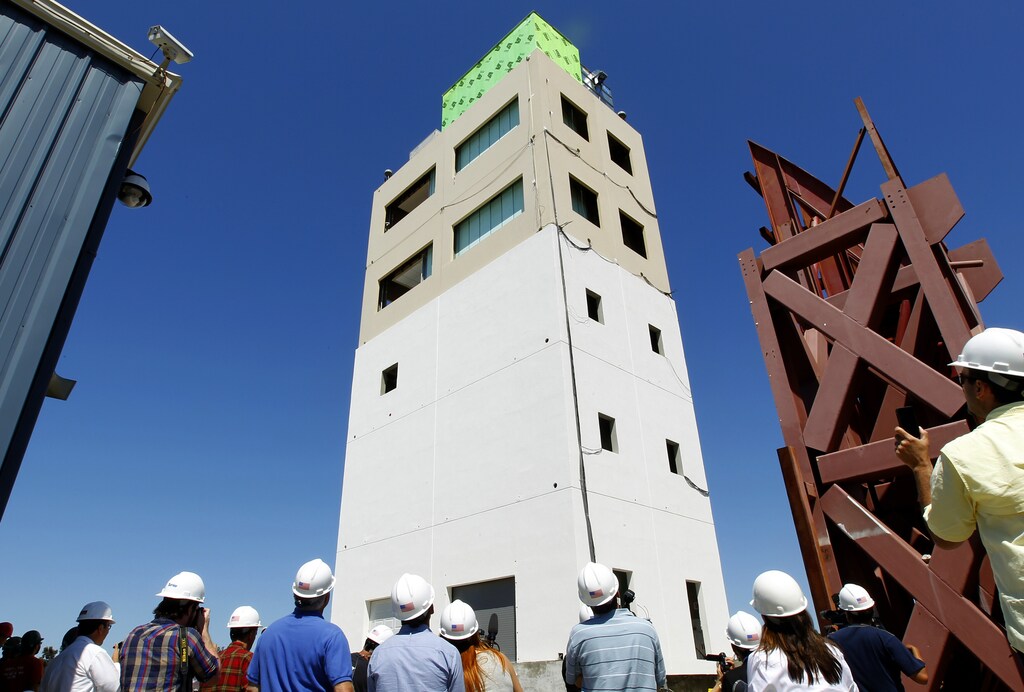
Due to an increasing protection gap following natural disasters, insurance premiums are rising while coverage is decreasing, forcing many to leave cities, which in turn suffer economically.
Cities are working in private-public collaborations to invest in projects that increase urban resilience. In tandem, insurers are ramping up capabilities to quantify the value of disaster prevention.
The Resilient Cities Network has a six-prong approach to enabling a portfolio-based disaster prevention response for urban centres to help attract financing.
As the impact of a changing climate puts increasing pressure on loss costs, the traditional insurance model is failing to meet the needs of consumers and society.
Like millions of other Texans, my family home was damaged when, in February 2021, Winter Storm Uri swept through the state. Pipes bursting from frost led to extensive flooding and I experienced firsthand what our clients face. Not just the immediate loss but the disruption and vulnerability that follow.
When enough businesses conclude that relocation is preferable to absorbing rising insurance costs, cities face collapse.
While insurance exists to pay claims, nobody likes actually having to file a claim. They’re stressful, disruptive and even when paid promptly, leave us asking, “Could this whole thing have been prevented?”
Traditionally, the insurance industry has developed along a reactive model: collect premiums, pay claims and adjust rates. However, with climate change increasing the volatility and intensity of extreme weather events, we now have a responsibility to examine whether this model remains sustainable.
If it’s not, we must ask ourselves how we can improve our disaster response with effective disaster prevention measures.
The widening gap
For the fifth consecutive year, global insured losses from natural catastrophes exceeded $100 billion in 2024. Yet, insurance covers merely 30% of total economic losses from natural disasters.
The remaining 70%, known as the “protection gap,” falls upon governments, businesses and individuals ill-equipped to absorb these costs.
Over the past decade, 60% of catastrophe losses have come from “secondary perils”; severe storms, wildfires and flooding that traditional models have struggled to predict. Recent data reveals a troubling dynamic: as premiums rise, coverage decreases.
From 2013 to 2022 a 1% increase in premium was shown to reduce insurance coverage by 0.107%. Lower-income households are hit hardest, forced to cut their levels of insurance.
When enough businesses conclude that relocation is preferable to absorbing rising insurance costs, cities face collapse. Banks see collateral values plummet. Tax bases erode. If the level of insurance is not sufficient to pay for recovery, some insurance becomes as effective as none.
Yet, there’s an alternative. In Broward County, Florida, recurring flooding and a 400% rise in insurance costs pushed officials and business leaders to create a resilience strategy.
This partnership of public and private actors conducted risk assessments and developed solutions including improved drainage systems, storage areas and seawalls.
Third-party consultants then calculated returns on investment. In multiple scenarios, the numbers demonstrated that investing in prevention was good business, including one scenario where the return on investment exceeded 9%.
This data-driven process led local business groups to discuss implementing new taxes to fund the projects, showing how thorough planning and analysis can generate support across multiple stakeholders.
Portfolio management in practive
Cape Town demonstrates this at scale. Working with the Resilient Cities Network since 2016, the city built a comprehensive resilience strategy, including a directorate coordinating portfolio management, risk management, engineering and data science.
The city invested heavily in management systems, developing capabilities to track over 2,000 projects simultaneously. This infrastructure enabled a 97% revenue collection ratio, among the highest globally. Strong revenue collection reassured lenders the city could service debts reliably.
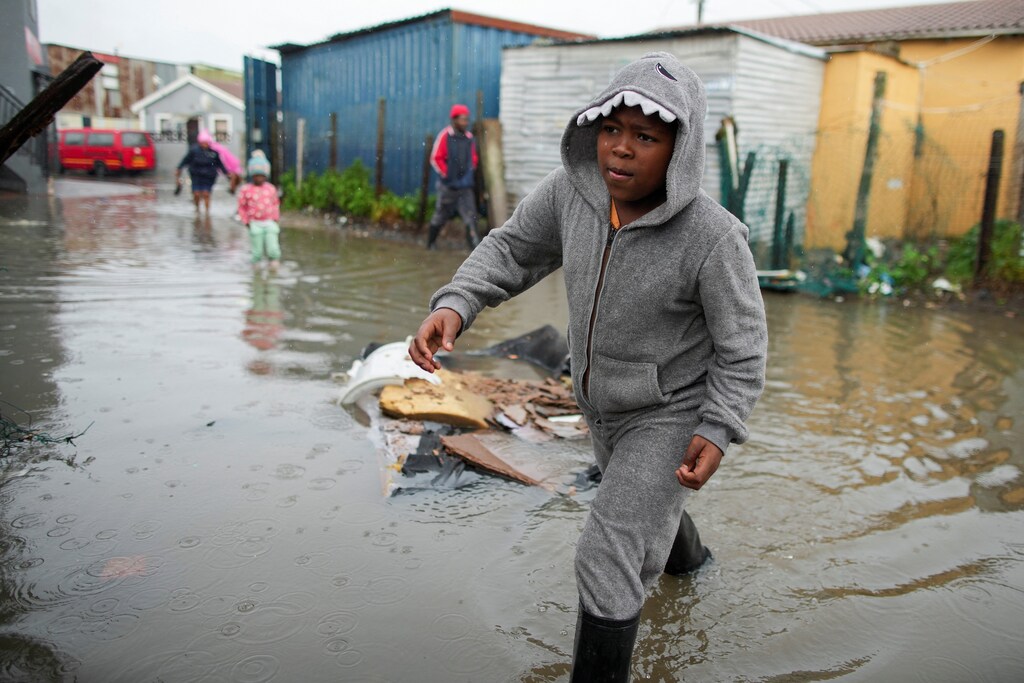
In May 2025, Moody’s upgraded Cape Town’s credit rating despite the increased infrastructure borrowing. This, in turn, attracted financing from a broad range of sources, including development organizations and private banks.
These examples illustrate what the Resilient Cities Network calls the “city resilience portfolio approach,” treating urban resilience as interconnected investments that strengthen a city’s ability to manage risk and attract capital.
After developing more than 90 resilience strategies worldwide, the network has evolved from planning to implementation, focusing on financing and execution.
Insurance as resilience solutions
For insurers, this evolution requires new capabilities. Working alongside the Resilient Cities Network, we’re helping cities build frameworks to scale resilience finance.
By combining knowledge of loss patterns with engineering expertise, insurers can expand their offerings in a fundamentally new direction.
When businesses suffer flood damage, insurers don’t simply pay for restoration but leverage engineering capability to fund both restoration and prevention measures. Everybody wins when you prevent losses.
Advanced technology enhances this capability. Satellite imagery, internet of things (IoT) sensors and AI analytics make it possible to monitor risks and respond in real time.
The creation of digital twin models of cities allows experts to more accurately refine their adaptation strategies. Most importantly, these technologies quantify resilience investment value, making the business case financially compelling.
With the right partnerships between cities, insurers and the broader resilience community, we can close the protection gap, mobilize capital and build truly resilient urban centres for the future.
6 practices for transformation
The Resilient Cities Network has identified six core practices enabling portfolio-based resilience:
Holistic planning to understand challenges across interconnected systems.
Stakeholder coordination to engage those impacted from the earliest stages.
Capital allocation strategy with long-term design capabilities.
Robust data strategy calculating returns.
Strong project management tracking initiatives.
Transparency through regular reporting and accountability.
Cities implementing these practices attract financing consistently.
It will not be easy to address the risks that more extreme weather events pose to communities and businesses. Cities sit at the centre of this challenge but too often lack the infrastructure and policies necessary to effect long-term solutions.
Insurers must move to the front line by developing resilience solutions that aid recovery and prevent losses. By leveraging technical expertise, financial strength and global networks, insurers can become true partners in weaving resilience into society’s fabric.
This extends beyond protecting cities after disaster. It’s about shaping their long-term competitiveness and ability to grow and prosper.
Continuing to retreat is an untenable alternative. However, an insurance company that cannot pay claims helps no one. Sustainable profitability requires sustainable risk management. Capital flows to where it is treated well.
With the right partnerships between cities, insurers and the broader resilience community, we can close the protection gap, mobilize capital and build truly resilient urban centres for the future. The world needs insurance and what the industry does now matters more than ever.
It also needs an insurance industry that is evolving, from paying for the cost of disasters to preventing them.