Why women must be centred in climate action
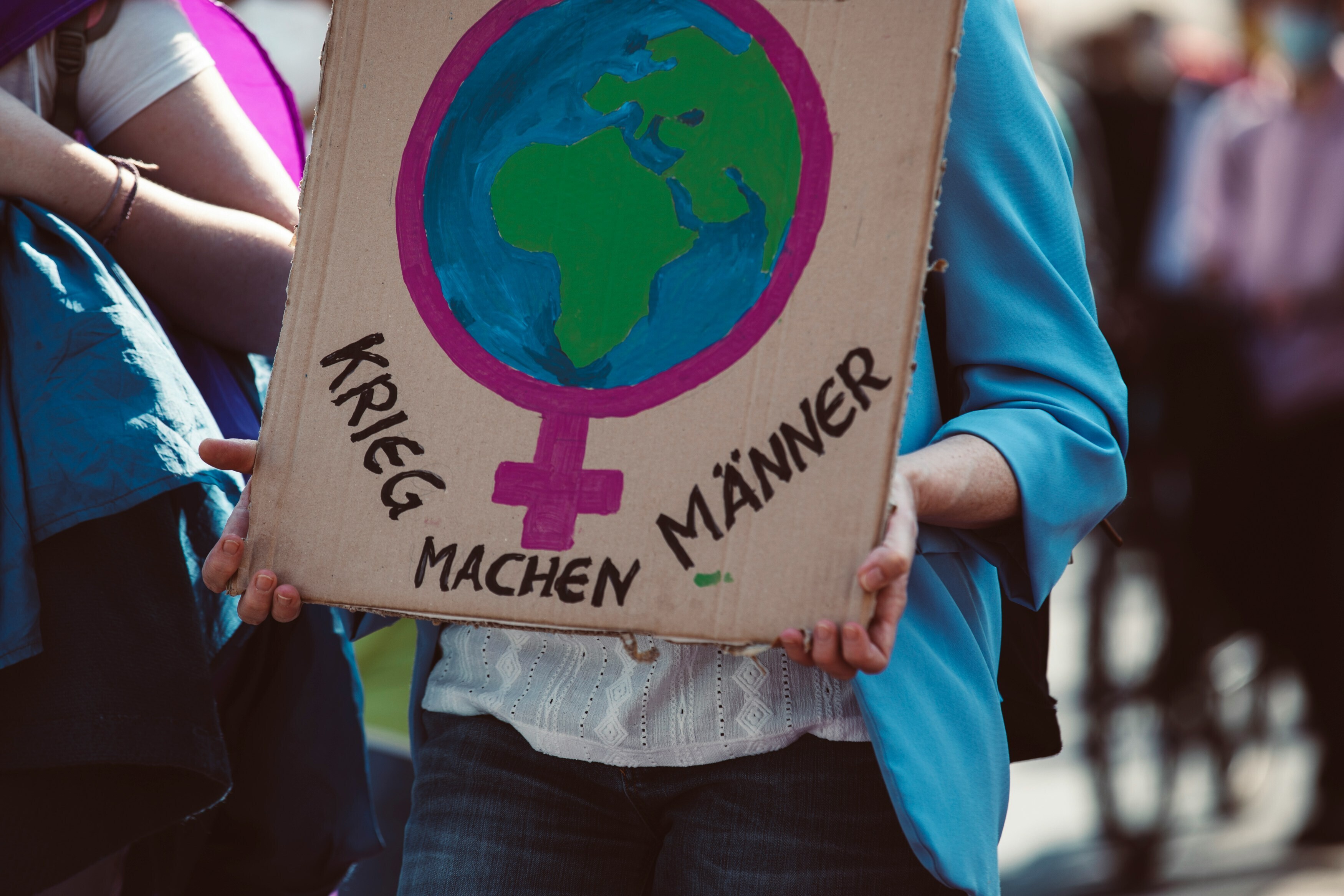
Gender-responsive climate finance and women-led climate solutions drive effective action. Image: Unsplash/Markus Spiske
- Women face disproportionate risks from climate change due to social roles, limited resource access and systemic inequalities.
- Despite progress, gender remains underrepresented and weakly integrated into climate governance, finance and energy transitions.
- Inclusive decision-making, gender-responsive climate finance and women-led climate solutions are essential for effective, just climate action.
Climate change is not gender-neutral. Its impacts are profoundly shaped by pre-existing social structures, disproportionately affecting women and exacerbating gender inequalities due to differences in social roles, resource access and power dynamics.
The intersection of gender and climate change has, therefore, become a critical focus within international climate governance under the United Nations Framework Convention on Climate Change (UNFCCC).
The current status is at a pivotal juncture: the five-year Enhanced Lima Work Programme on Gender and its gender action plan under the UNFCCC, adopted in 2019, concluded in 2024. While COP29 agreed to extend the programme for another decade, it has yet to define the scope and content of the new phase’s gender action plan.
The subsequent June 2025 Bonn climate meeting made some progress in priority areas and activities for the gender action plan through technical workshops and negotiations, leaving the UN Climate Conference (COP30) in Brazil with the critical task of finalizing and adopting a new, implementable plan to guide the next era of gender-responsive climate action.
Gender’s evolving role in climate governance
The integration of gender into UNFCCC negotiations has evolved significantly since it was first mentioned at COP7 in 2001. Initially focused on improving women’s representation in delegations, the agenda has expanded into a standalone, institutionalized issue.
Key milestones include the adoption of a decision at COP18 in Doha, Qatar, in 2012, when gender was added as a standing item on the agenda; the establishment of the Lima Work Programme on Gender in 2014, which aims to understand gender-responsive climate action; and the first gender action plan with five priority areas and follow-up activities in 2019.
This journey reflects a growing, yet still incomplete, acknowledgement that gender equality is fundamental to effective and just climate governance.
5 reasons gender and climate matter
The connection between gender and climate change is evident on two levels: 1) the impact of climate change on gender; and 2) the feedback effect of gender actions towards the performance of climate change governance.
1. Vulnerability to climate change across gender
Women, as a primary group affected by climate change, often bear more vulnerability. The Intergovernmental Panel on Climate Change first referenced gender-differentiated climate impacts in its 2001 report, noting that rural women are particularly vulnerable due to their dependence on natural resources for livelihoods.
UN data shows that women and children can be significantly more likely than men to die during extreme weather events.
2. Lacking gender representation in climate governance
In multilateral negotiations and domestic climate policy formulation, women are often inadequately considered in discourse and participation. This status quo leads to systematic biases in climate actions, which means many policies lack gender consideration in climate responses.
Women remain underrepresented in climate governance, as energy transition plans often ignore their roles in household energy management and disaster preparedness rarely draws on their knowledge. This weakens policy equity and effectiveness, resulting in unfair resource allocations and technical measures
3. Women’s under-appreciated role in climate action
Women possess unique knowledge and experience crucial for effective climate adaptation and mitigation, yet are often overlooked, resulting in insufficient effectiveness and inclusiveness of climate policies.
Simultaneously, women demonstrate unique ecological wisdom and social capital advantages in the field of climate adaptation and mitigation, especially at the grassroots community governance level.
4. Structural deficits in climate finance
At COP29 in 2024, it was noted that developing countries face a significant climate finance gap of approximately $1.3 trillion per year. Despite growing awareness and progress in promoting the coordinated development of climate investment and finance with gender equality, significant structural deficiencies remain in the allocation of funds.
Only 0.01% of global climate finance currently supports projects that simultaneously advance climate action and women’s empowerment.
5. Gender as a core component of climate justice
Climate justice means justice for all. Low-carbon transitions towards sustainability must ensure inclusive access to decisive information, understanding, participation and decision-making influences for all stakeholders, especially marginalized groups. Those who suffer losses must also receive compensation.
Whether or not women should be classified as a special or vulnerable group is controversial but the need for mechanisms that address existing disparities and the negative impacts remains critical.
Challenges to gender-responsive climate action
Despite growing recognition of the gender-climate nexus, persistent barriers continue to limit the effectiveness and inclusiveness of action. These include:
- Uneven national commitment: A recent UNFCCC report shows that over 80% of parties reference gender in submitted plans but meaningful integration into energy transition policies remains limited. Capacity gaps undermine climate governance and risk shifting emissions-reduction burdens onto vulnerable women, particularly through Global North–South value chain asymmetries.
- Fragmented international cooperation consensus: Significant divergences in core concerns among negotiating parties remain largely irreconcilable. Climate blocs are deeply fractured over implementation measures, gender diversity, scope and definitions of emerging issues, varied approaches to domestic women’s groups, and the integration of gender into national climate actions etc.
- Inadequate implementation support: Lacking dedicated, scaled-up finance is among the most significant barriers. A fundamental disagreement exists between developing and developed countries regarding binding linkages over financial support. Without secure funding, even the most robust gender action plan risks becoming a symbolic gesture with little practical impact.
Achieving equitable and effective climate action requires women’s systematic inclusion at all levels of governance, policy design and financing mechanisms.
The corporate world can be a powerful ally by conducting gender-responsive climate risk assessments, investing in women-led green enterprises, ensuring supply chains empower women and promoting gender balance in leadership.
As we approach the 10th anniversary of the Paris Agreement and the 30th anniversary of the Beijing Declaration and Platform for Action, this year should be the time to deliver a strong, well-funded framework that ensures the next decade transforms commitments into tangible progress for both people and the planet.
Don't miss any update on this topic
Create a free account and access your personalized content collection with our latest publications and analyses.
License and Republishing
World Economic Forum articles may be republished in accordance with the Creative Commons Attribution-NonCommercial-NoDerivatives 4.0 International Public License, and in accordance with our Terms of Use.
The views expressed in this article are those of the author alone and not the World Economic Forum.
Stay up to date:
Gender Equality


Forum Stories newsletter
Bringing you weekly curated insights and analysis on the global issues that matter.
More on Climate Action and Waste Reduction See all

Lin O’Grady and Alice Charles
April 7, 2026


