How culture and heritage can be catalysts for climate resilience
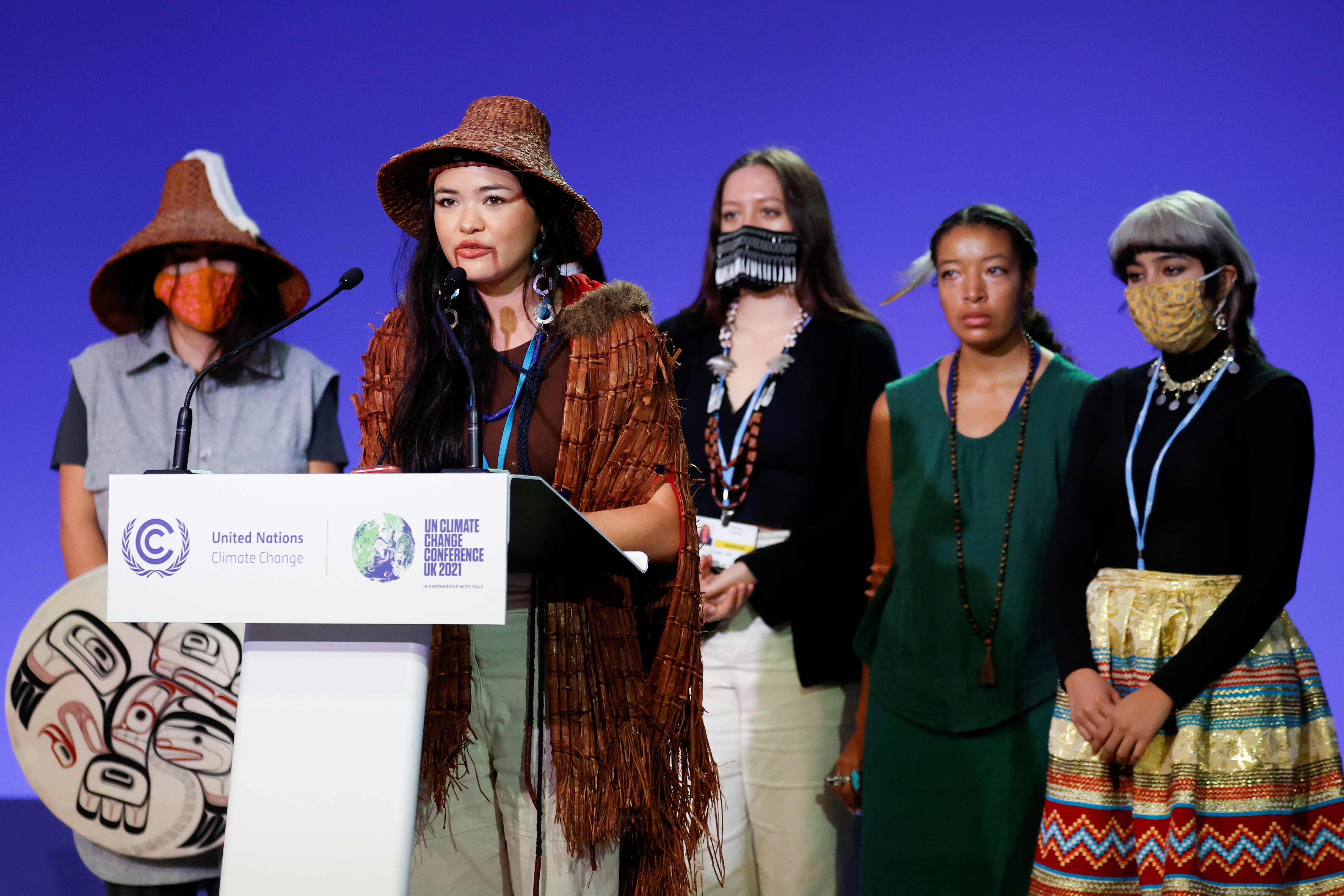
Heritage and local knowledge are levers for climate resilience Image: REUTERS/Phil Noble
Lori Ferriss
Co-founder and Executive Director, Built Buildings Lab; Senior Fellow, Architecture 2030- Cultural heritage and local knowledge are powerful yet underutilized levers for enhancing resilience, strengthening both local communities and national climate strategies.
- Embedding culture into planning and stewardship fosters social cohesion, ecological restoration and climate-ready cities.
- Translating cultural knowledge into action relies on participatory governance, multi-sector collaboration and locally adapted implementation.
As climate risks intensify globally, culture is emerging as a key lever for enhancing resilience in both local communities and national strategies.
By integrating heritage, traditional knowledge and community stewardship, cities and nations can strengthen their capacity to adapt to change, meet global climate goals and design regenerative solutions that connect people, place and ecosystems.
However, culture remains underutilized in climate policy, planning and finance, limiting the effectiveness and inclusivity of adaptation efforts.
Examples worldwide demonstrate how merging cultural identity with adaptation increases resilience, from community-led restoration projects in the favelas of Rio, Brazil, to the protection of Maya heritage sites along Mexico’s coast.
Heritage-led economic activity is significant; the heritage tourism market is expected to reach $903 billion by 2033. In England alone, the sector contributed nearly £45 billion in 2022, supporting over 500,000 jobs.
Studies show that Indigenous and traditional knowledge systems are critical yet underused. Indigenous peoples, less than 5% of the global population, steward over 80% of the world's biodiversity, underscoring the crucial role of Indigenous knowledge and land rights in sustaining resilient ecosystems.
A 2024 review found Indigenous knowledge central to adaptation, particularly in early-warning systems and agriculture.
Culture-driven urban resilience
Cities today stand at a crossroads. Rapid urbanization, climate risks and social inequities threaten infrastructure, ecosystems and cultural identity. UNESCO estimates that one-in-six cultural heritage sites are already threatened by climate change-related hazards (flooding, coastal erosion, wildfires, extreme heat), with 70% in urban areas, heightening vulnerability.
However, heritage also offers powerful climate solutions. Culture-based climate action treats cities as living, layered landscapes shaped by memory, identity and natural processes.
Integrating heritage at the urban scale builds resilience, cohesion and local stewardship.
By incorporating these elements into urban planning, we can safeguard ecosystems and traditions that are essential for long-term resilience.
Mainstreaming culture in climate action
Traditional ecological knowledge is increasingly recognized in global frameworks. The UN Framework Convention on Climate Change’s (UNFCCC) Local Communities and Indigenous Peoples Platform integrates this knowledge into adaptation processes. Meanwhile, the Global Goal on Adaptation now considers cultural integrity alongside adaptive capacity, vulnerability and resilience.
Global partnerships, from the Group of Friends of Culture-Based Climate Action to the UAE Framework for Global Climate Resilience, are embedding culture into adaptation strategies.
Complementary initiatives, including the UAE Framework for Global Climate Resilience, embed cultural, ecological and infrastructural targets while tracking stewardship of knowledge systems.
New initiatives under the UN Climate Conference 2025 (COP30) are tracking the integration of heritage into global climate policy.
Projects such as Decarbonizing the Built Environment Through Heritage integrate traditional knowledge and historic practices into decarbonization policies while UNESCO’s Culture 2030 Indicators help measure culture’s contribution to the Sustainable Development Goals (SDGs).
The Global Research and Action Agenda on Culture, Heritage and Climate Change emphasizes collaboration between scientists, policy-makers and Indigenous and local knowledge holders to ensure solutions are context-specific, culturally meaningful and ecologically informed.
And yet, only 20 of 65 countries include cultural heritage in national adaptation plans.
Insights from the Davos Baukultur Alliance
The World Economic Forum report From Principles to Practice: Approaches for High Quality Baukultur identifies four strategies showing how culture-based climate action can protect cultural spaces, practices and identities while advancing resilience:
- Harness Indigenous and traditional knowledge for climate-resilient urban development. Communities are applying low-impact techniques, such as stilt houses or rammed-earth structures, to modern projects, showing how ancestral practices reduce emissions, enhance resilience and inform sustainable design.
- Embed heritage and knowledge into governance, land use and stewardship. Interventions integrate cultural narratives and Indigenous stewardship into planning, land management and policy, ensuring strategies reflect local histories and ecological practices.
- Use storytelling and design to engage communities and inspire systemic action. Storytelling through oral traditions, immersive experiences or speculative design translates climate challenges into relatable narratives, building empathy, collective responsibility and adaptation solutions.
- Collaborate across sectors – government, private and civil society – for co-created solutions. Multistakeholder partnerships integrate heritage, local knowledge and community needs; successful projects blend Indigenous knowledge, conservation and private-sector engagement to strengthen resilience and restore ecosystems.
These approaches link local action to global initiatives, showing culture as a driver and measure of resilience.
Locally led climate action
Cities and communities around the world are demonstrating how culture-led climate action transforms people and places.
In Barranquilla, Colombia, Gran Malecón, a riverside restoration project combined flood mitigation with green corridors, heritage-led placemaking, public art and cultural festivals. Participatory design and community workshops strengthened local stewardship, turning urban regeneration into a culturally and ecologically vibrant space.
A report published by the World Economic Forum highlights this city’s local ambitions and urban nature restoration efforts.
In Sula Valley, Honduras, the Build Change climate-resilient housing programme retrofitted homes with flood-safe second stories, solar panels, rainwater harvesting and biodigesters. Engaging communities directly preserved cultural identity while building long-term adaptive capacity.
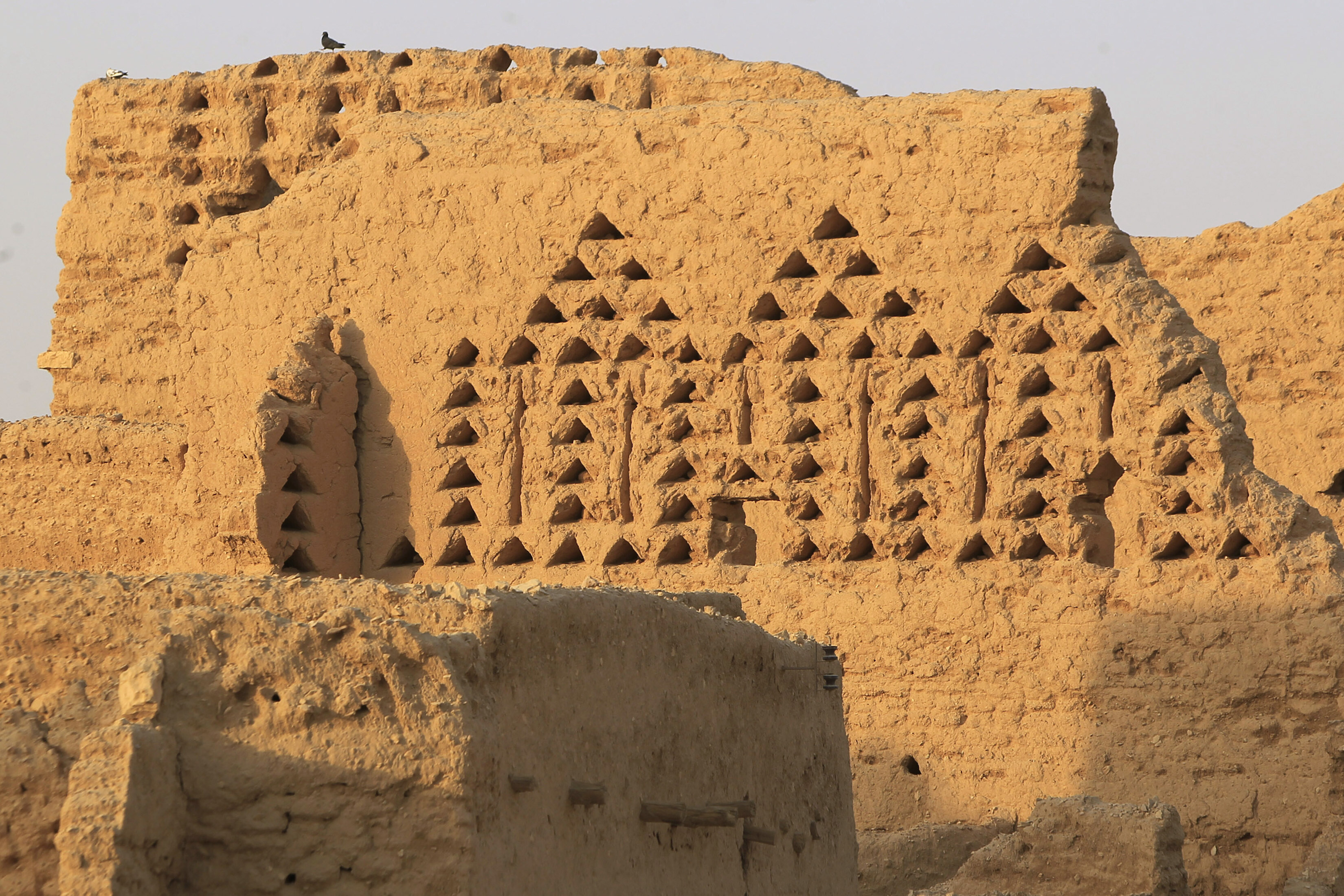
Diriyah Gate, Saudi Arabia, preserves Najdi architectural traditions using sustainable techniques and training artisans, showing how heritage-led development advances sustainability, skills and identity.
In Valencia, Spain, the Valencia Water Tribunal, UNESCO-recognized as an Intangible Cultural Heritage of Humanity, has governed irrigation for over 1,000 years via a community-led oral system, balancing water distribution, productivity and social cohesion, thereby illustrating traditional knowledge in modern resilience.
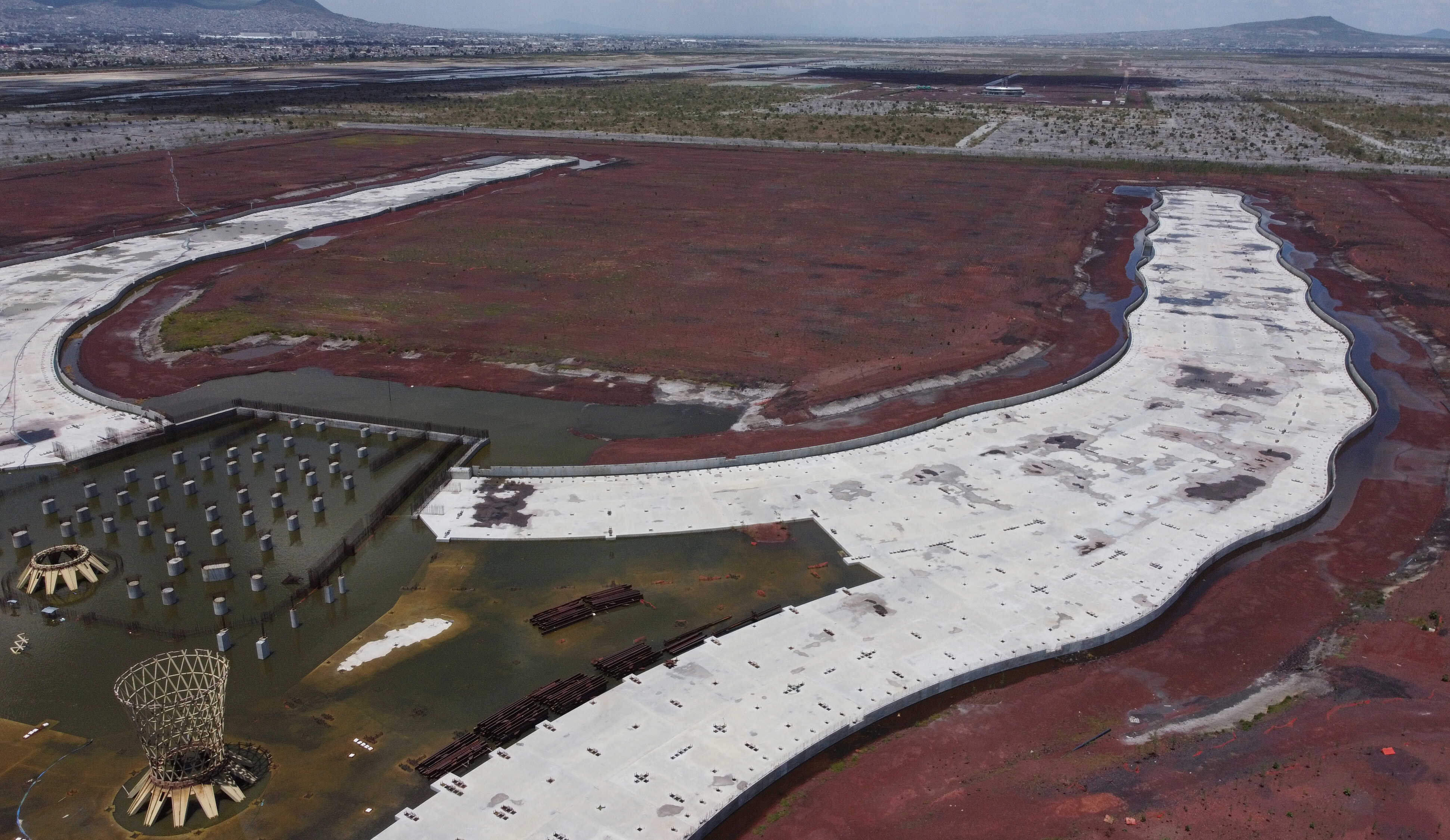
Finally, Mexico City’s Lake Texcoco Ecological Park transformed a cancelled airport into a 14,300-hectare wetland. The project restored habitats, implemented flood mitigation and preserved historical significance while supporting recreation, education and sustainable livelihoods.
Across these examples, key lessons emerge: participatory governance fosters local ownership; Indigenous and traditional knowledge strengthens ecological, social and cultural resilience; and multi-sector collaboration amplifies impact.
These projects show that culture-based interventions can be scaled when adapted to local contexts to safeguard heritage and the environment.
Implementation, inclusion, innovation
Communities, Indigenous peoples and local knowledge holders are already pioneering climate action through regenerative land practices, storytelling, sustainable design and local engagement.
Yet, these efforts require political commitment, sustained investment and the integration of culture into climate frameworks.
Culture and heritage must drive resilience, regenerating ecosystems and empowering citizens.
At COP30 in Belém, the challenge is to move from principles to practice: translating global ambition into action by embedding traditional and local knowledge into climate strategies.
Success depends on implementation that delivers results, inclusion that amplifies community voices, and innovation that respects and leverages cultural heritage and ecosystems.
COP30 is an opportunity to show that resilience is strongest when cultural knowledge, communities and ecosystems act in concert.
Don't miss any update on this topic
Create a free account and access your personalized content collection with our latest publications and analyses.
License and Republishing
World Economic Forum articles may be republished in accordance with the Creative Commons Attribution-NonCommercial-NoDerivatives 4.0 International Public License, and in accordance with our Terms of Use.
The views expressed in this article are those of the author alone and not the World Economic Forum.
Stay up to date:
Arts and Culture


Forum Stories newsletter
Bringing you weekly curated insights and analysis on the global issues that matter.
More on Climate Action and Waste Reduction See all

Lin O’Grady and Alice Charles
April 7, 2026


