These global cities are working to protect nature and biodiversity
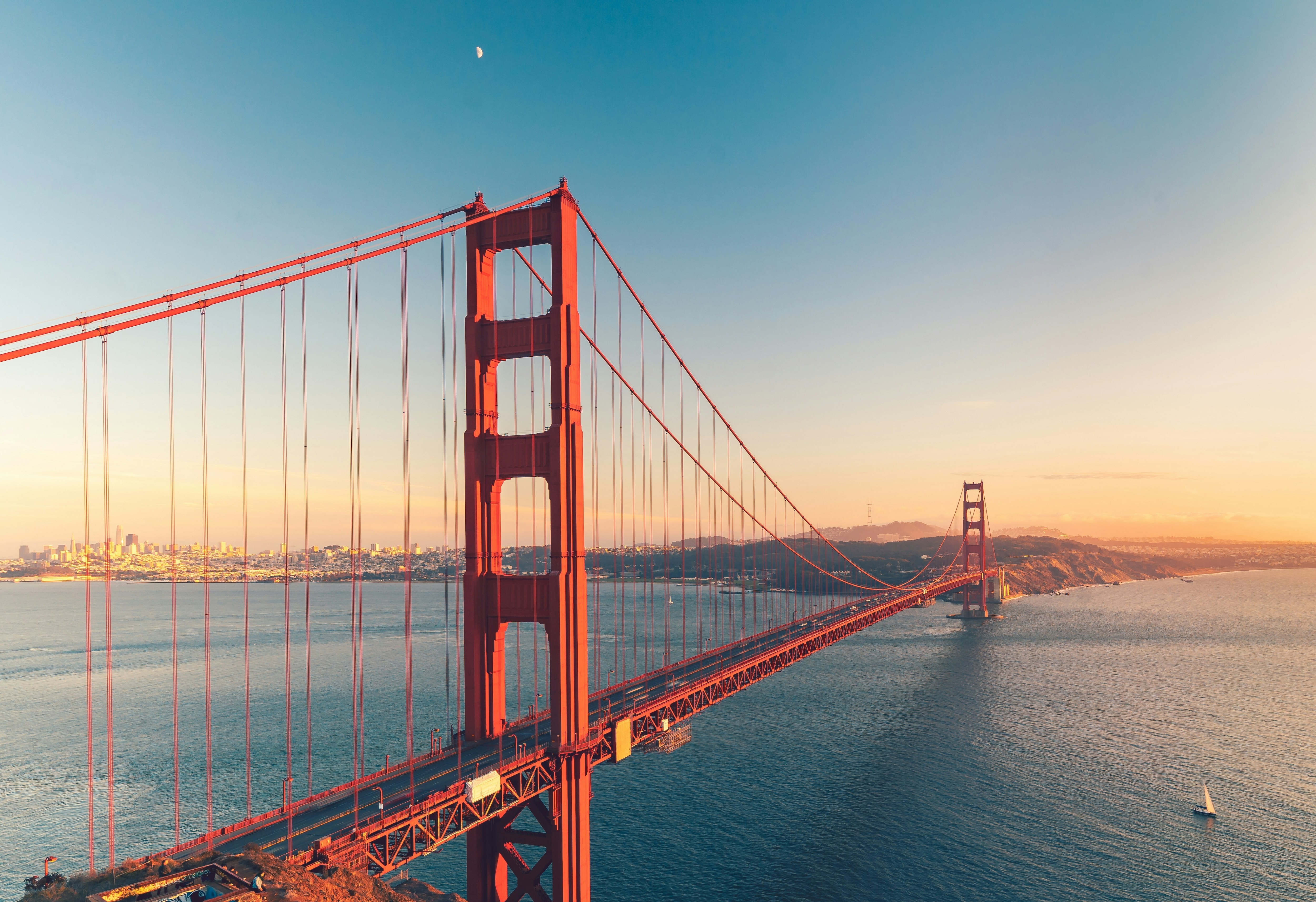
San Francisco aims to make 30% of the city's green space biodiverse by 2030. Image: Unsplash/vay2250
- Cities are struggling to balance rising populations with protecting urban biodiversity.
- Global cities including San Francisco and Durban are stepping up action to protect habitats.
- Drawing on its Nature-Positive Cities initiative, the Forum is increasingly supporting cities in developing ambitious nature targets, accelerating the regeneration of nature by unlocking necessary investment.
In every region of the planet, wildlife and biodiversity are under threat, with species disappearing at an alarming rate.
A 2024 report from the WWF highlighted a 73% decline in the average size of global wildlife populations in the past 50 years. The report cites the loss and degradation of natural habitats as a key factor in this decline.
Biodiversity is facing these threats at a time when the world is urbanizing rapidly. This presents a challenge to cities to provide opportunities for nature and wildlife to thrive in urban environments.
The World Economic Forum partners with city authorities and other stakeholders across the private sector and civil society to accelerate the regeneration of nature in cities. Building on insights from the Nature-Positive Cities initiative, a collaboration between the Forum’s Centre for Nature and Climate and the Centre for Urban Transformation, the growing efforts of the Davos Baukultur Alliance increasingly focus on helping cities translate their nature commitments into investable, scalable projects to improve the quality of life in urban communities.
Here is how the Forum’s five partner cities are working to protect and regenerate habitats and nature. These examples illustrate approaches that are now informing city-level nature action globally.
Balancing biodiversity and growth in Barranquilla
Nestled among tropical dry forests and mangroves, Barranquilla, Colombia, exemplifies how cities can embrace their natural identity while building a sustainable future.
Despite its rich biodiversity, the coastal city confronts mounting environmental challenges: escalating flood risks, coastal erosion, degraded urban water bodies, industrial air pollution and inadequate waste management systems.
For nearly two decades, Barranquilla has pursued an ambitious strategy to balance urban development with environmental stewardship. Nature-based solutions now drive the city’s transformation, with biodiversity protection, circular economy principles, renewable energy deployment and climate resilience forming the strategic foundation.
Barranquilla is proving that nature-positive development is not a promise for the future, but a reality we are building today – restoring coastal ecosystems, empowering communities and demonstrating that inclusive, resilient growth is possible.
—Alejandro Char Chaljub, Mayor, Barranquilla, Republic of Colombia”Central to this progress is a $380 million investment programme targeting green space rehabilitation, water body restoration and renewable energy infrastructure. Key initiatives include a biogas plant, solar-powered public lighting systems and programmes that integrate informal recyclers into the formal waste management economy.
The city’s comprehensive approach includes green corridors that protect the coastline and over 70 kilometres of canalized streams to prevent flooding. This nature-aligned infrastructure demonstrates how urban development can enhance rather than compromise environmental sustainability.
Barranquilla’s urban greening strategy has recovered over 1.8 million square metres of green spaces, ensuring 93% of households enjoy access to natural areas within an eight-minute walk. By revitalizing degraded spaces and strengthening human-environment connections, the city has established a replicable model for sustainable urban development across Latin America.
The Forum's Nature Positive Transitions report on Barranquilla offers a comprehensive look at the city’s initiatives, investment programmes, and lessons for other urban areas seeking to achieve similar outcomes.
How the Forum helps leaders harness the power of cities for resilient growth
Reinventing waterways in Belém
Brazil’s Belém do Pará – which hosts the 30th UN Climate Change Conference (COP30) – is another city defined by the nature around it. It is sometimes described as a ‘city in a river’, and its 1.5 million inhabitants have deep cultural and economic connections to the waterways around them.
Belém has recently been recognized as a new pioneering place under the Davos Baukultur Alliance, positioning the city as a real-world testbed for nature-positive, people-centred urban development.
Over time, urban development in the riverbanks and watershed lands has been driven by grey interventions and landfilling. As a result, the risk of floods has increased and the need to reform infrastructure and improve community engagement is now central to Belém’s urban planning.
The local government has partnered with federal and international agencies on two projects to reinvent waterfronts and watersheds to recover water quality and increase the standard of living for more than 70% of the city’s inhabitants.
The Macrodrainage of the Matafome Basin Program is built upon three pillars: infrastructure provision, housing replacement and environmental recovery. These elements work together to promote macro-drainage combined with renaturalization of the stream without channelling the watercourse or paving its bed. Belém is overseeing the execution of the project with backing from the national government.
Meanwhile, the Community Urban Agroforestry Park from the Igarapé São Joaquim Masterplan focuses on river renaturalization by highlighting the relationship between Amazonian peoples and their rivers, creating a space that serves as both a community meeting point and nature preservation area, while encouraging meaningful interaction between people and the urban river.
Building strong public-private-community partnerships is key to the success of such projects, and Belém’s efforts demonstrate the transformative power of rehabilitating urban watersheds in reducing environmental risks and improving socioeconomic conditions for citizens.
Durban’s development challenge
The South African city of Durban lies in a global biodiversity hotspot, home to forests, savanna and an Indian Ocean coastal belt. The Forum’s Nature Positive Cities report shows these rich and varied landscapes provide habitats for 2,267 species of plants, 526 bird species, 25 species of endemic invertebrates, 69 reptile species, 37 amphibian species and 80 different mammal species.
The main threat to Durban’s biodiversity is rapid – and frequently informal – urban development.
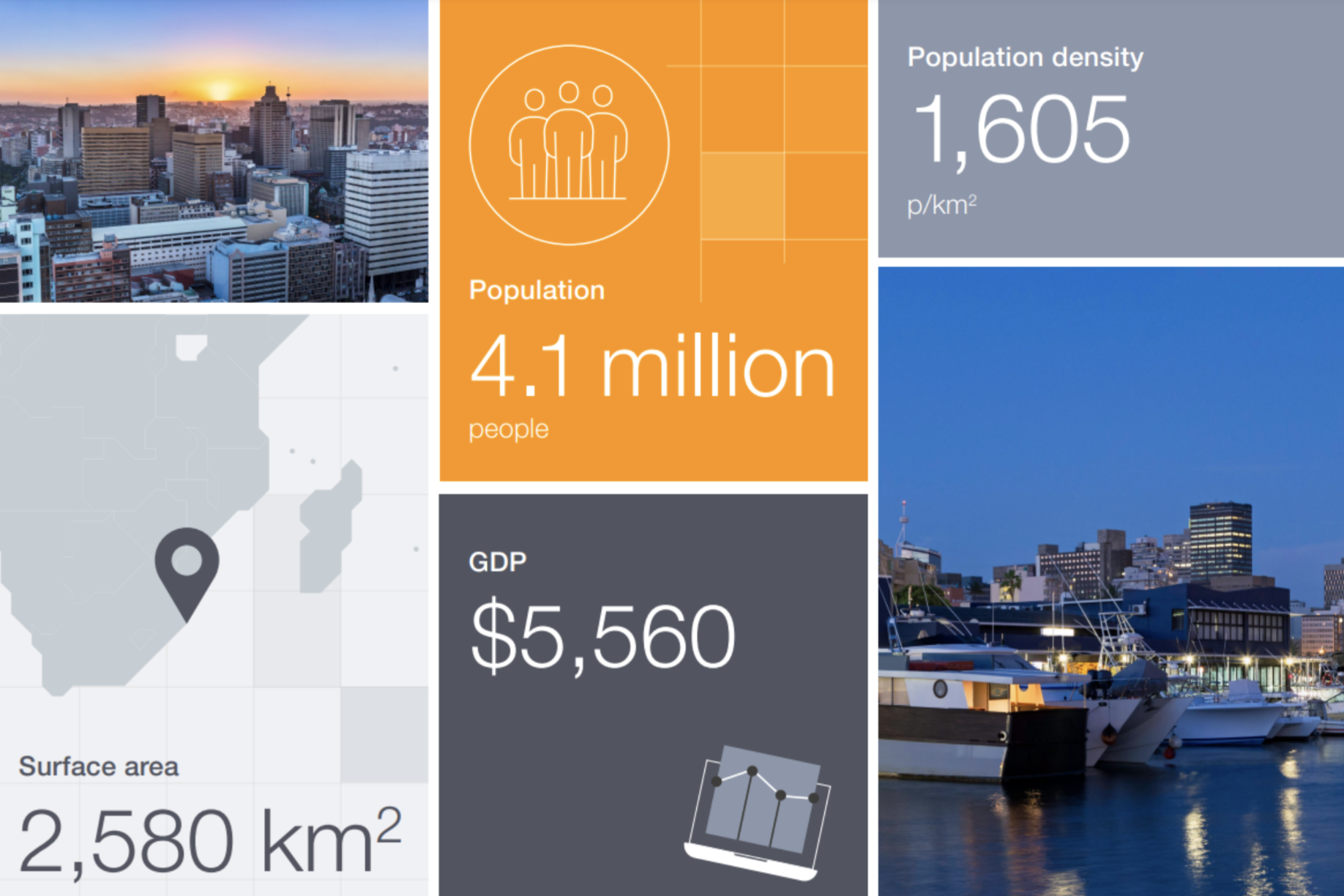
The city, already home to 4.1 million people, has a housing backlog of 440,000 units. This critical housing shortage drives the building of informal settlements, often in areas where nature is vulnerable to habitat loss and degradation.
Durban’s city authorities have put in place a number of initiatives to protect nature within the city and its surroundings.
The Durban Metropolitan Open Space System seeks to conserve 95,000 hectares of land and water with high biodiversity value and is the primary tool for addressing habitat destruction.
The Transformative River Management Programme places Durban’s urban rivers at the heart of the city’s adaptation plans. It’s a 10-to-15-year initiative that prioritizes nature-based solutions and ecological infrastructure. The project is designed to foster effective partnerships between multiple stakeholders including municipal departments, government agencies and the private sector.
This kind of stakeholder collaboration is central to the Forum’s Nature-Positive Cities approach, which identities six pillars that come together to form an enabling environment for nature-positive action.
A green vision in Incheon
The historic South Korean port city of Incheon faces unique challenges.
The third most populous city in the country, it sits at the mouth of the Han River, which has long been a major hub for imports. As such, it has developed into a thriving industrial centre.
At the same time, its waterways – an important link to the region’s culture and fish and seafood-based cuisine – face threats from this industrialization, including fine dust accumulation, flood risks and difficulties in properly managing water.
With strong support for nature-positive action at a national level, the city responded by developing and adopting a Natural Environment Conservation Action Plan.
This aims to expand protected areas, strengthen wildlife protection and manage natural ecosystems through strong governance structures – with policies that encourage public and private-sector participation – and via nature education programmes to promote the understanding and management of biodiversity across the city.
Incheon also participates in the East Asia-Australasian Flyway Partnership, which protects habitats for vulnerable or near-threatened migratory birds across 18 countries, from Siberia to Australia.
The city’s integrated approach demonstrates how densely populated industrial hubs can implement localized, nature-based solutions to protect biodiversity while maintaining economic growth. Incheon’s approach highlights how strong local governance and nature-oriented planning can anchor future investment and implementation pathways in rapidly growing cities.
Saving San Francisco’s biodiversity
San Francisco is synonymous with progress. It’s home to Silicon Valley, the heartland of the world’s digital revolution. The city’s tech boom requires a growing workforce which has in turn created a huge demand for housing – and that’s having an impact on nature and biodiversity.
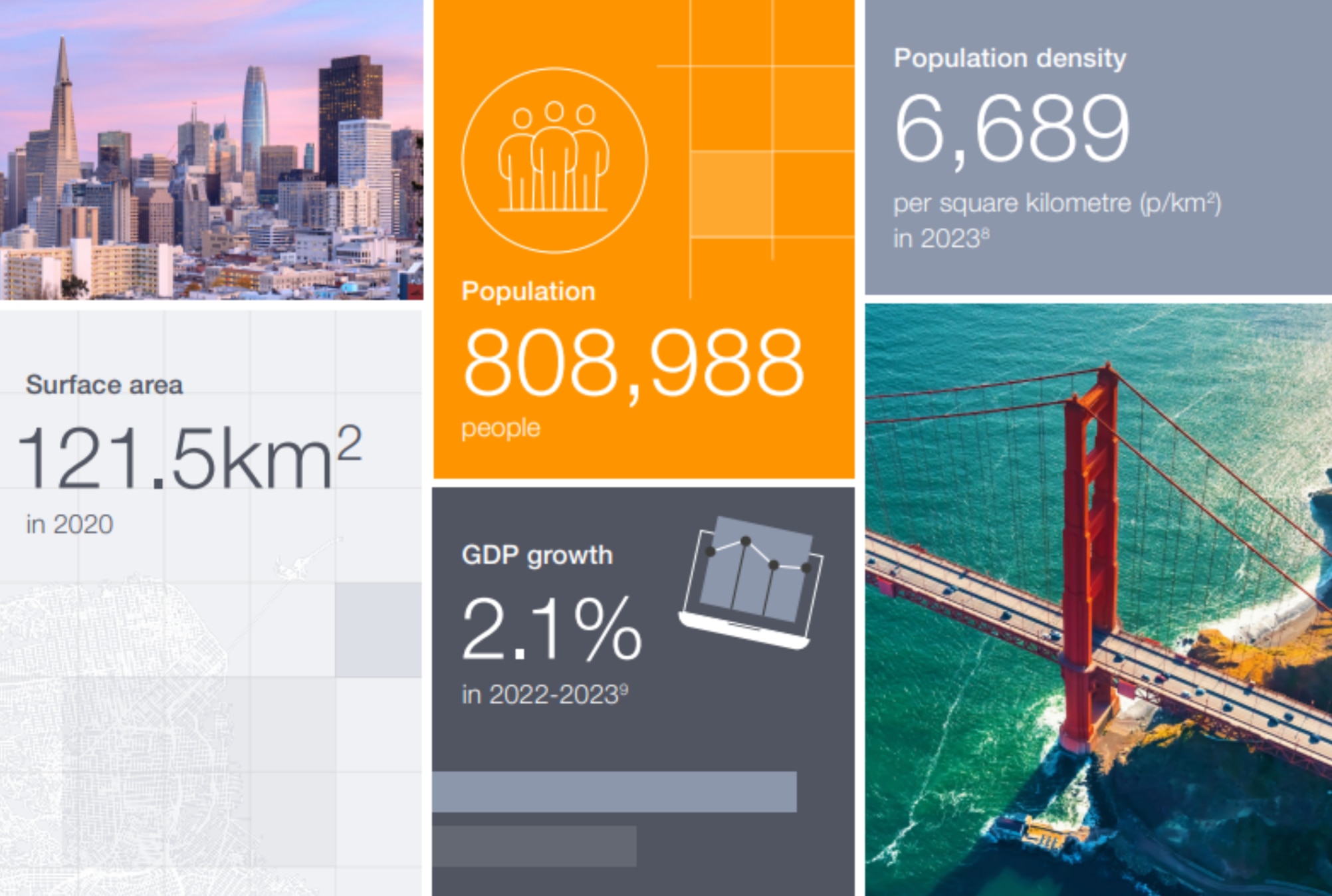
San Francisco’s urban conurbations butt up against fragile ecosystems including coastal scrublands, sand dunes and areas of oak forest. There are also large tracts of freshwater wetlands. These habitats are home to rare and endangered animal and plant species.
One of San Francisco’s key challenges is a lack of coordinated management of these ecosystems, many of which are neglected, and there is a lack of community engagement in the care and management of them.
The vast demand for affordable housing is another risk to biodiversity, as this may be given priority over protecting and regenerating the city’s natural environment.
The Forum’s report recommends the city authorities should “prioritize and coordinate delivery of cross-agency solutions and ensure all initiatives are accessible to all stakeholder groups”.
Additional improvement areas include the introduction of a formalized “nature action plan to identify and implement nature-specific solutions for the city”.
The development of community gardens for use by people in densely-populated urban communities, and the introduction of a biodiversity curriculum in schools, are other key recommendations. San Francisco’s experience underscores the importance of coordinated nature planning and community engagement, key elements that define many of today’s city-driven nature commitments.
Living side-by-side with nature
As these cities demonstrate, the challenges of urban development and biodiversity conservation are complex and intertwined. However, these examples also demonstrate that, with innovative thinking, collaborative efforts, and a commitment to nature-positive solutions, it's possible to create urban environments where both humans and nature can thrive. Through the Davos Baukultur Alliance, the Forum’s Nature-Positive Cities efforts are shaping a global foundation for nature-integrated urban development – mobilizing the partnerships, investment and innovation that allow people and ecosystems to thrive.
Don't miss any update on this topic
Create a free account and access your personalized content collection with our latest publications and analyses.
License and Republishing
World Economic Forum articles may be republished in accordance with the Creative Commons Attribution-NonCommercial-NoDerivatives 4.0 International Public License, and in accordance with our Terms of Use.
The views expressed in this article are those of the author alone and not the World Economic Forum.
Stay up to date:
Nature and Biodiversity
Related topics:


Forum Stories newsletter
Bringing you weekly curated insights and analysis on the global issues that matter.
More on Nature and BiodiversitySee all

Felipe Carazo and Lindsey Prowse
March 27, 2026