How Australia can lead the global transition to green iron
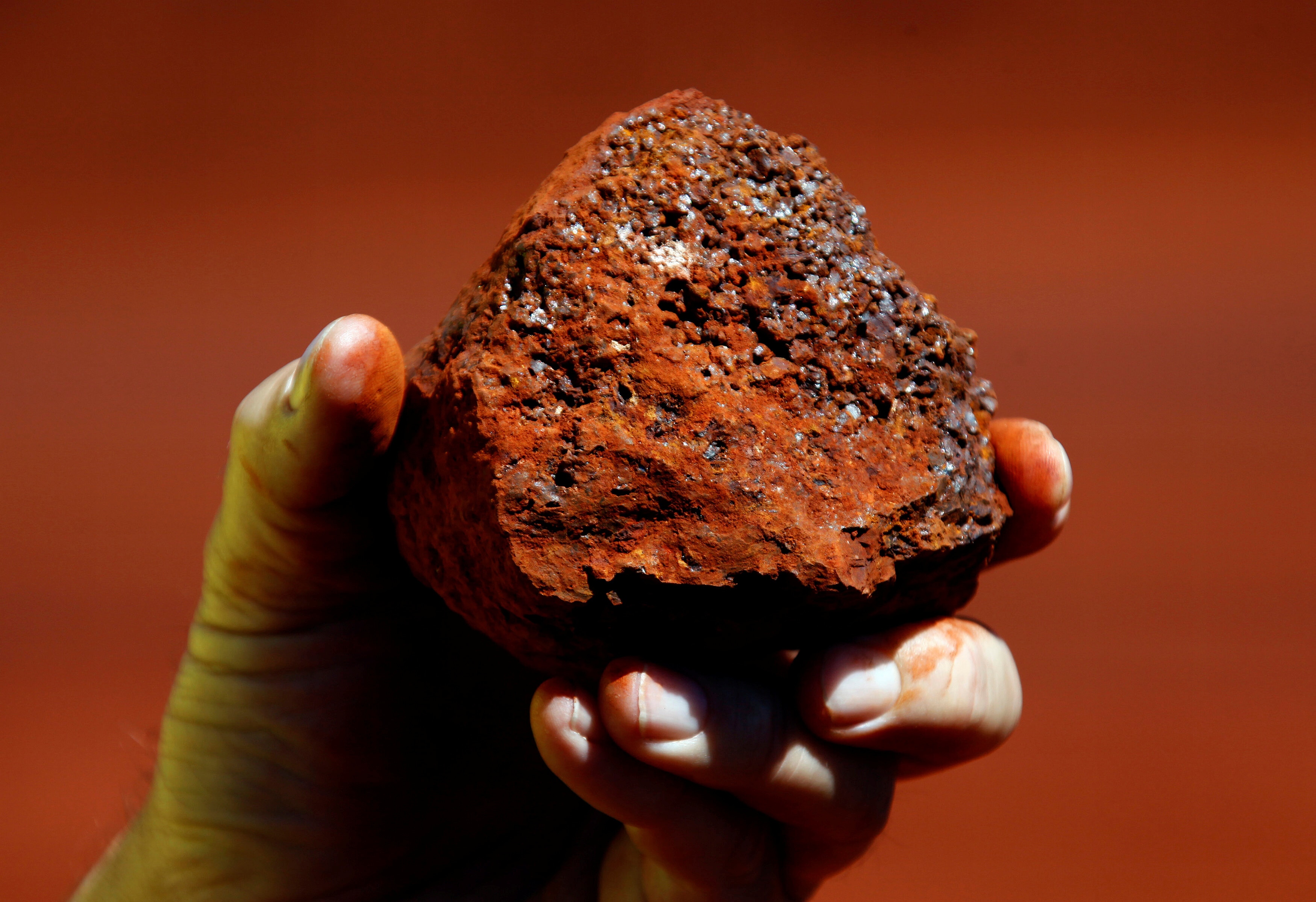
'Green iron' is produced using renewable energy and hydrogen rather than coal. Image: Reuters/David Gray
- Australia could double its iron export revenues to AUD250 billion ($162 billion) a year by shifting to low-emissions green iron.
- The country must accelerate two or more commercial-scale green iron 'lighthouse' projects by 2027 to secure first-mover advantage.
- A shift to green iron could help Australia cut up to 4% of global emissions and anchor Asia’s low-carbon industrial transition.
Australia stands at the brink of an opportunity that could redefine its export economy for generations. Since the mid-1960s, its iron ore exports have powered Asia’s industrial growth and underpinned national prosperity. Now, as the world’s major economies pursue net-zero goals, attention is turning to cleaner, lower-emission industrial products including green iron, which is produced using renewable energy and hydrogen rather than coal.
At a recent First Movers Coalition (FMC) workshop in Adelaide, co-hosted with Greenhouse and supported by Boundless Earth, more than 150 leaders from government, business, finance, academia and philanthropy met to accelerate Australia’s role in leading Asia’s green iron transformation. Insights from workshop participants, backed by wide-ranging research, are captured in a new World Economic Forum white paper, Unlocking Asia-Pacific as a First Mover: Australia’s Green Iron Opportunity.
Australia currently supplies more than half of the world’s traded iron ore, earning AUD138 billion ($89 billion) in export revenues in 2024. As key markets in East Asia pursue industrial decarbonization, demand is expected to evolve from raw ore to low-carbon forms of iron.
Research presented in the white paper estimates that converting 40% of Australia’s iron ore into direct-reduced iron using renewable power and green hydrogen could double annual export revenues to AUD250 billion ($164 billion) and help offset declining coal and gas sales. If Australia were to decarbonize its full share of global iron ore exports, the country could abate up to 4.4% of global emissions by mid-century – four times its current national emissions.
Five priorities to turn natural advantage into global leadership
Australia combines all the natural advantages required to become a global leader in low-emissions industrial technology. Its rocky plateaus conceal the world’s largest reserves of iron ore, its vast tracts of land and long hours of wind and sun are perfect for low-cost renewables, and its well-developed ports and logistics infrastructure are ready to ship green metals to Asian markets tempered by climate targets but still hungry to grow.
Rather than replicating downstream steelmaking, experts highlighted the opportunity for Australia to add value to mined ore by producing green hot-briquetted iron for electric arc furnaces in Asia. This approach could connect Australia’s renewable resources with regional industrial demand while advancing cleaner value chains.
But there remain critical choke points preventing progress. Participants described project permitting processes mired in bureaucracy. The institutional investors needed for multi-billion-dollar green iron plants are waiting in the wings for the industry to commit to offtake and the government to derisk with concessional finance.
Standards that can define and certify the “green” in green iron need agreeing. And to level the playing field with high-carbon incumbents, the government needs to negotiate a common carbon price with its Asian trading partners.
The white paper outlines five priority areas for collaboration in 2026-27, highlighted by experts during the FMC workshop:
- Investment and risk-sharing: Blended public-private finance, concessional capital and production tax incentives could improve project feasibility and crowd-in private investment.
- Market demand: Boosting demand through government procurement and long-term offtake agreements – facilitated by platforms such as the First Movers Coalition – is viewed as essential to build confidence in the green iron market.
- Permitting and infrastructure: Efficient permitting processes for renewables and hydrogen projects, along with shared infrastructure, will lower costs along the supply chain.
- Certification and standards: Alignment across the region on definitions and accounting methodologies for low-carbon iron and steel is vital to enable transparent trade.
- Regional collaboration: Strengthening cooperation with key Asian partners on carbon pricing, certification and green shipping corridors will help build integrated regional markets.
Green iron isn’t truly green without low-carbon trucking and shipping
Participants at the workshop explored the role of decarbonized logistics, given shipping Australia’s iron ore the 6,500 km to East Asia emits roughly 10 million tonnes of carbon dioxide (CO₂) per year.
Initiatives including green shipping corridors with South Korea and Singapore and Pilbara Ports’ Clean Fuel Bunkering Hub – which could eventually reduce emissions by 94% using low-carbon ammonia – are early steps towards cleaner exports. In addition, leading mining companies are beginning to shift their entire fleets of 230-tonne haul trucks to battery-electric.
Two states are emerging as focal points for activity:
- South Australia is advancing renewables integration and industrial conversion through projects such as the Whyalla Steelworks transformation, supported by AUD2.4 billion ($1.5 billion) of federal and state funding.
- Western Australia is developing new frameworks for renewable energy and green iron projects under its State Development Bill, while Pilbara Ports is piloting ammonia fuel bunkering for bulk carriers.
Together, these hubs illustrate different regional pathways towards the common national goal of creating a green metals corridor to Asia and the world.
Australia’s industrial transition is unfolding within a broader set of national policies, including the Future Made in Australia Act, Hydrogen HeadStart and Green Iron Investment Fund.
Green iron’s moment of opportunity
With climate impacts mounting and low-carbon competitors – from Texas to Brazil to the Middle East – crowding in, the window of opportunity is still open, but it’s closing fast. Experts at the workshop urged government and industry to seize the moment to transform Australia’s leading export earner.
They agreed the principal goal for the industry should be to accelerate one or two “lighthouse” green iron projects towards financial close by late-2027, with commercial operations under way by 2030. This will test drive the right approach – from technology and policy to permissions and financing – needed to deliver success.
Australia’s green iron potential reflects a wider global trend: industrial decarbonization is increasingly seen as both an economic and environmental imperative. By aligning its vast ore reserves, renewable energy and regional export markets, Australia along with its Asian partners could shape new low-carbon value chains that contribute to shared global climate and economic goals.
With Australia set to play a leading negotiating role at COP31 in Türkiye in 2026, this work also carries significance beyond national borders. Progress on green iron can feed directly into global discussions on heavy industry decarbonization, offering a tangible pathway for countries seeking credible solutions to cut emissions in hard to abate sectors. Positioned within the COP agenda, Australia’s efforts can help drive a more coordinated international approach to low carbon materials and accelerate the emergence of integrated regional value chains.
With contributions from Jonathan Walter
Don't miss any update on this topic
Create a free account and access your personalized content collection with our latest publications and analyses.
License and Republishing
World Economic Forum articles may be republished in accordance with the Creative Commons Attribution-NonCommercial-NoDerivatives 4.0 International Public License, and in accordance with our Terms of Use.
The views expressed in this article are those of the author alone and not the World Economic Forum.
Stay up to date:
Australia


Forum Stories newsletter
Bringing you weekly curated insights and analysis on the global issues that matter.
More on Climate Action and Waste Reduction See all

Sandra Phlippen, Anja Hannerz and Hans Stegeman
July 21, 2026


