Could this be the biggest global health ROI you've never heard of?
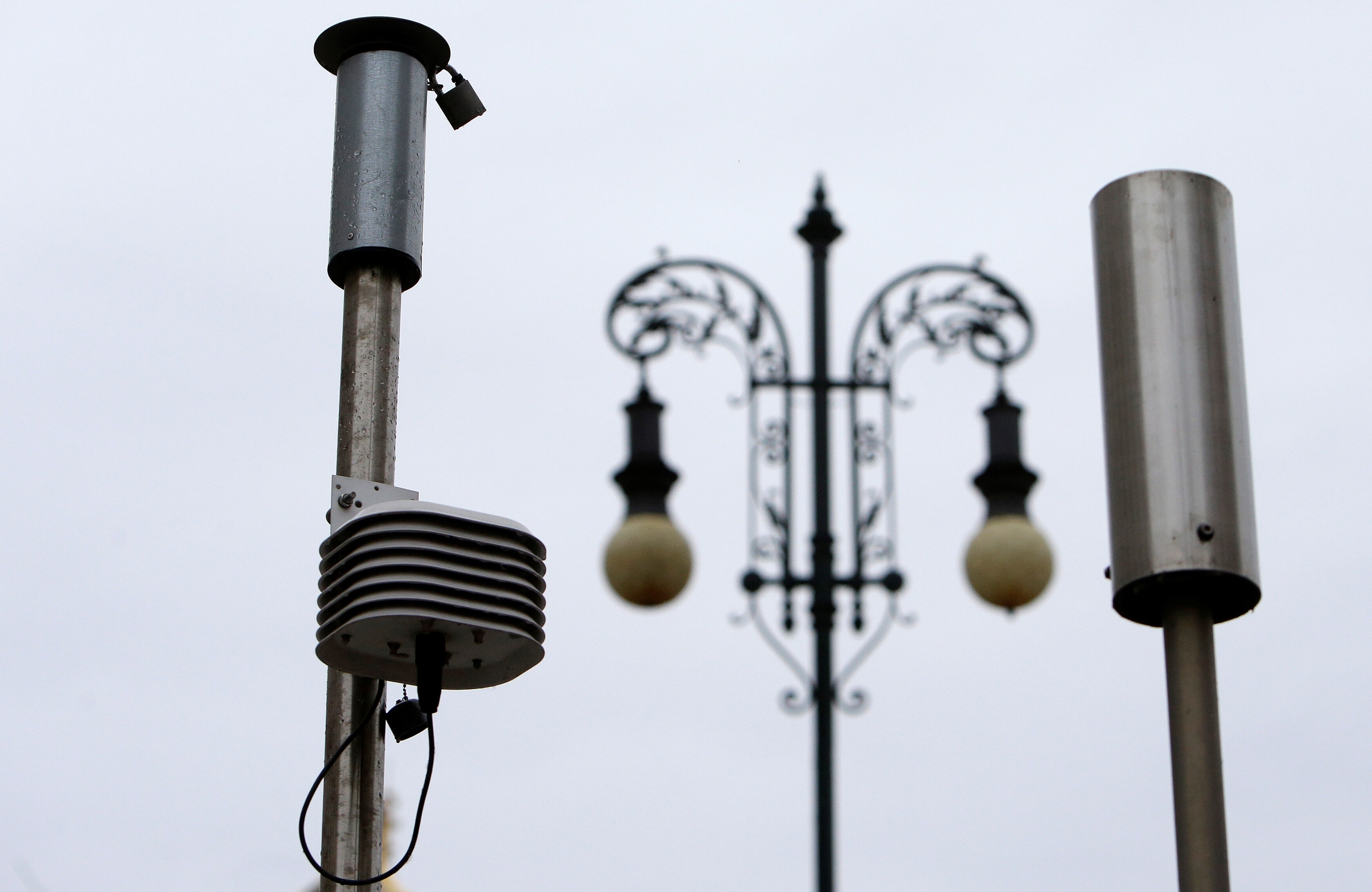
Air monitors can help countries with the clean air. Image: REUTERS/David W Cerny
- Air pollution quietly erases around 6% of global gross domestic product each year, far outweighing the annual growth expected from artificial intelligence, yet receives less than 0.1% of global philanthropy.
- Data is a common constraint on clean air action – many of the highest-burden countries still lack even a single public, reference-grade monitor.
- Small investments can drive national change, especially when directed to high-agency local leaders.
What if one of the highest-return investments on the planet wasn’t artificial intelligence (AI) but clean air?
Air pollution quietly erases about 6% of global gross domestic product every year, roughly three to six times the annual economic growth the world expects from AI. Yet, despite the scale of an issue that leaches more years from our lives than HIV/AIDs and malaria combined, less than 0.1% of global philanthropy is devoted to cleaning up the air.
Our new analysis from the Energy Policy Institute at the University of Chicago shows that in at least 83 countries, annual investments as small as $50,000-100,000 could shift national clean air trajectories, if they are directed to high agency leaders closest to the problem.
Some of the most outsized opportunities for clean air impact are in Bangladesh, the Democratic Republic of the Congo and Guatemala.
”Together, nearly 3 billion people live in these 83 countries, breathing air that exceeds World Health Organization (WHO) guidelines by more than four times on average.
Our analysis also finds that the global clean air landscape has become more fragile this year. In early 2025, the US State Department shut down its overseas air monitoring programme, instantly removing 97% of reference-grade monitors from the highest-opportunity countries we identified.
Thirty-six nations – home to 3.4 billion people – lost public access to their only high-quality source of air quality data overnight.
Data: A bottleneck for global clean air
Monitoring the air does not, by itself, make it cleaner. But data is a necessary prerequisite for nearly every serious clean air policy action, from policy creation to implementation. Without data, it is difficult for governments to prioritize the issue, let alone set and enforce standards and understand progress on mitigation measures.
Health systems cannot track exposure. And citizens cannot see – let alone act on – the pollution harming them.
When you look at the scale of global disparities in air quality monitoring, it becomes clear why even a single well-placed effort can matter. In countries like Norway, air pollution accounts for virtually zero lost life-years relative to WHO guidelines. By our recent count from data available on OpenAQ, there were 66 high-quality air quality monitors in Norway.
In contrast, Bangladesh, Guatemala and the Democratic Republic of the Congo are losing a combined 1.3 billion life-years to air pollution relative to WHO guidelines. Yet today, not one of these three countries containing 300 million lives has a single reference-grade air quality monitor reporting fully open data to the public.
With gaps this wide between harm and measurement, it becomes intuitive why a single data-generating effort can begin to shift a national clean-air trajectory.
Where small investments matter most
In our analysis, we sought to answer a practical question: in which countries could a modest amount of funding unlock outsized national progress on clean air? To do so, we integrate three factors:
- Health burden of air pollution in a country.
- Absence of existing data and policy infrastructure.
- Signals of existing local engagement.
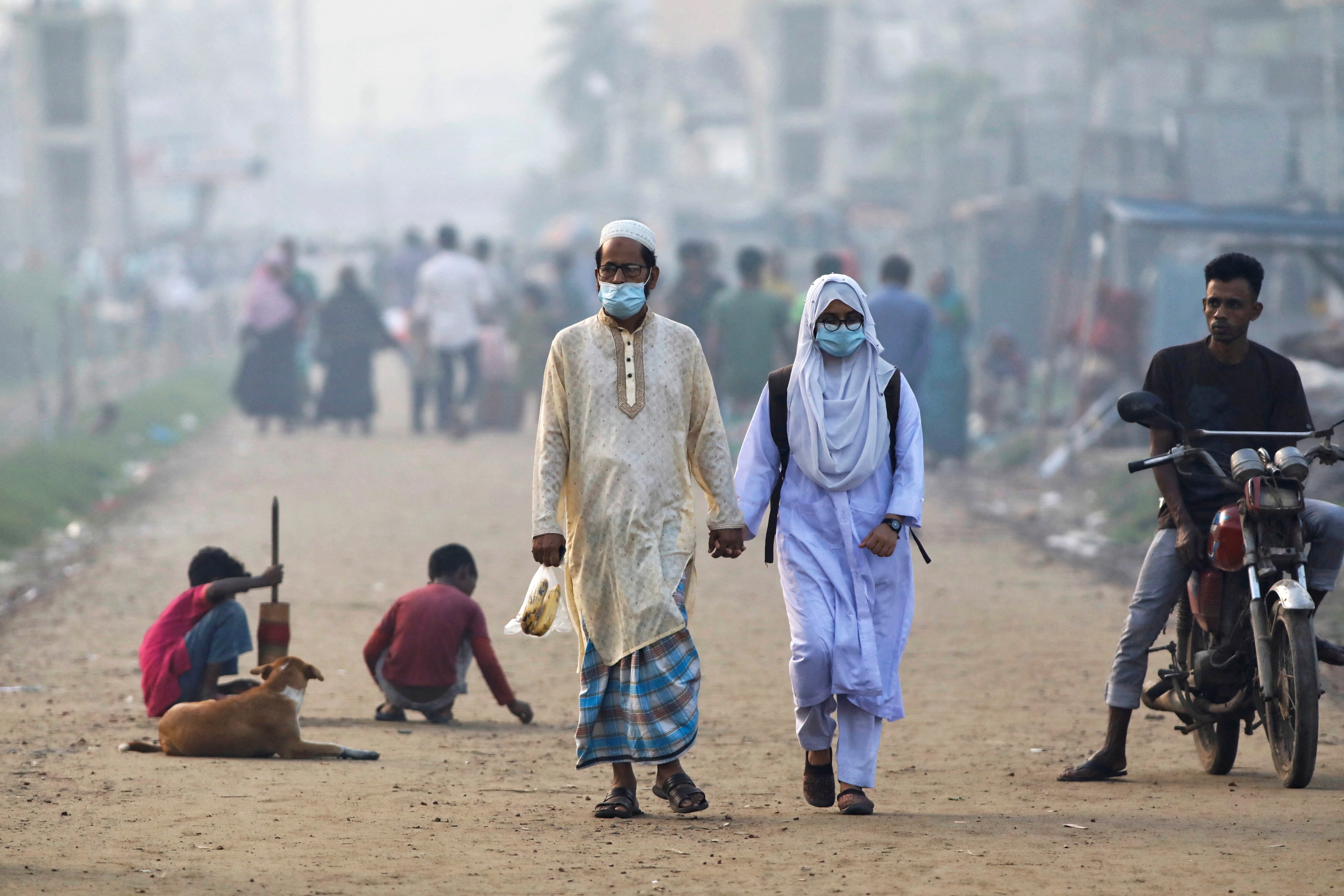
Our updated 2025 analysis shows that 83 countries now rank as “higher opportunity,” primarily in Africa, as well as parts of Latin America, the Middle East and Asia.
Forty-six of the countries receive less than $100,000 per year in international donor funding for air pollution and all combined, they receive under $190,000 annually, meaning many of these countries receive virtually nothing.
This is what makes the scale of the opportunity so unusual: in dozens of countries, investments comparable to the cost of a single non-profit staff position in the United States can meaningfully advance national clean air progress.
Small efforts can alter national clean air
The EPIC Air Quality Fund launched in July 2024 to test whether this model could work in practice. One year later, with 31 awardees across 19 countries, the results show how quickly modest investments can make national-level progress on clean air and change continental air quality data landscapes.
For example, in 2025, EPIC Air Quality Fund Awardees operate 44% of all active air quality monitors in Africa reporting fully open data to OpenAQ Inc, despite most projects only launching in February or later.
In The Gambia, Permian Health, a small non-profit started by medical doctors, now operates the country’s first nationwide, open air quality monitoring network in partnership with The Gambian government.
The group’s work has also directly informed landmark environmental legislation currently moving through The Gambian legislative system that will allow for the country’s first national air quality standards.
In the Democratic Republic of the Congo – Africa’s most polluted country – WASARU, in collaboration with Columbia University, has launched the only fully open air quality network in the nation. This attracted interest from the government, and the group is now working with them on a national environmental decree.
In Pakistan, The Urban Unit, a government-related entity has deployed the country’s largest open monitoring network across nearly a dozen cities, enabling public access to air quality data generated on the ground at national scale for the first time.
Why this rare moment matters
Action in the global clean air landscape is becoming more urgent as the landscape itself becomes more strained. Yet the keys to change have never been more accessible: air pollution sensors and high agency leaders who are close to the problem.
What remains missing is targeted, risk-tolerant funding directed at the countries where it can unlock national momentum fastest.
In global health, it is rare to find a challenge where the burden is among the largest on Earth, the nature of the basic infrastructure required for any solution pathway is well established, and the capital required per country to make meaningful progress can be measured in tens of thousands, not millions of dollars. Clean air is one of those rare spaces.
The loss of the US overseas monitoring programme revealed just how brittle global air quality infrastructure currently is but it also clarified where future durability must come from: locally-owned, open and policy-embedded monitoring systems that governments and citizens can rely on over time.
For philanthropists, this is an unusually high-leverage opportunity. For policymakers, it is a chance to anchor clean air into national institutions. And for everyone, it shows small, strategic open data efforts can make a giant difference for clean air.
Don't miss any update on this topic
Create a free account and access your personalized content collection with our latest publications and analyses.
License and Republishing
World Economic Forum articles may be republished in accordance with the Creative Commons Attribution-NonCommercial-NoDerivatives 4.0 International Public License, and in accordance with our Terms of Use.
The views expressed in this article are those of the author alone and not the World Economic Forum.
Stay up to date:
Air Pollution
Related topics:


Forum Stories newsletter
Bringing you weekly curated insights and analysis on the global issues that matter.
More on Food, Water and Clean AirSee all

Duncan Wood
March 22, 2026


