Resilience amid power blackouts: Lessons for energy reliability in Latin America
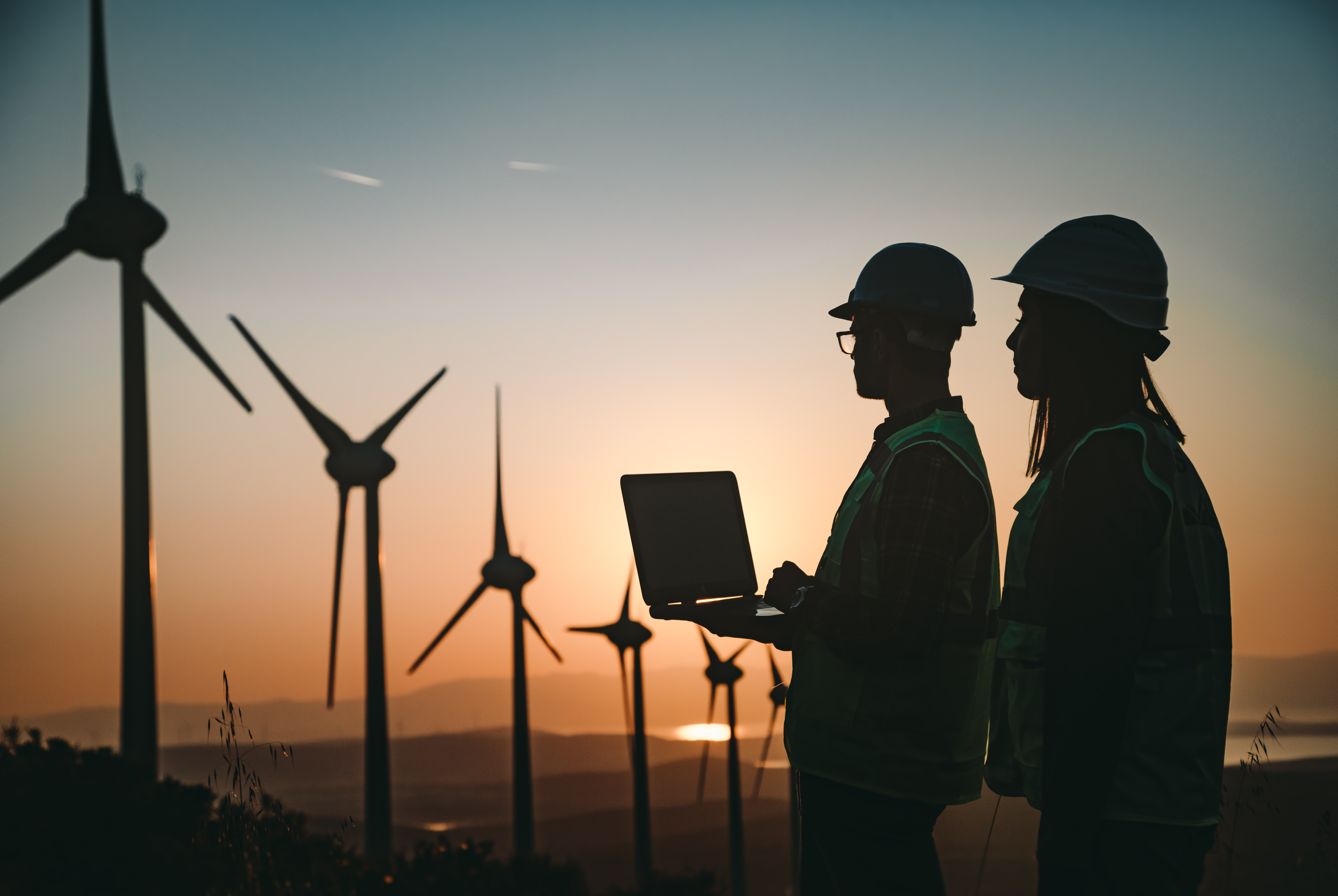
Energy reliability is becoming even more important as the world moves towards a low-carbon economy. Image: Getty Images/serts
- The transition to a low-carbon economy has accelerated electrification and increased global power demand, with renewables often meeting this need.
- In this environment, building energy resilience requires technical expertise, but also collaboration, leadership and planning.
- In Latin America, a reliable and resilient electricity system can create a solid foundation for economic growth and social wellbeing.
The global energy transition and the decarbonization of the economy have set the course of the electricity sector over the last decade. Accelerated electrification and the large-scale integration of renewable energy sources have delivered undeniable environmental and economic benefits. But these advances have also exposed critical vulnerabilities in power systems that are increasing the frequency of large-scale blackouts.
Indeed, recent outages in Spain, Portugal, Brazil and Chile serve as reminders that energy reliability cannot be taken for granted. Energy resilience goes beyond technical expertise to encompass collaborative leadership, risk prioritization and coordinated planning among governments, regulators, companies and multilateral institutions.
In the current environment of climate uncertainty and technological disruption, trust and institutional alignment are as essential to energy reliability as physical infrastructure.
Integrating renewable energy
Variable renewable energy, while clean and cost-competitive, lacks the inertia that traditional power generation provides. Inertia is a system’s ability to withstand sudden frequency deviations, something that becomes more common as variable resources are added to the grid. Its absence increases the risk of instability and cascading outages. Addressing this inertia challenge requires advanced control technologies, large-scale storage and digital intelligence to stabilize increasingly complex grids.
This transformation is unprecedented in scale. To securely integrate renewable energy, research company DNV estimates global grid capacity must grow to 2.5 times its current size, with annual expenditure more than doubling to $970 billion by 2050. This expansion calls for a structural redesign in which resilience is a guiding principle rather than an afterthought.
Energy reliability can also no longer be thought of as a purely national issue. Regional interconnections should be regarded as strategic infrastructure for resilience and security. Integration reduces costs, allows sharing of reserves, mitigates emergencies and facilitates large-scale renewable integration.
Although concerns about sovereignty and dependence are valid, international experience shows otherwise. In Europe, cross-border interconnections coupled with robust regulatory harmonization have strengthened system security and accelerated the clean energy transition.
For Latin America, organizations including the Central American Electrical Interconnection System and the Northern Arc Interconnection Initiative are already promoting coordinated investments, common technical standards and shared operational frameworks. They are taking vital steps toward a regional architecture of resilience.
Enabling the next phase of energy resilience
As emphasized in the recent World Economic Forum and Inter-American Development Bank report Advancing Latin America’s Power System Transformation, achieving such resilience also depends on the modernization of regulatory frameworks and the creation of innovative financing mechanisms to expand and digitalize transmission networks. The report highlights that more than $30 billion per year in grid investments will be needed through 2035 – two-thirds from private capital – to ensure secure integration of renewables in Latin America.
It also underscores the potential of green transmission standards, digital intelligence, and high voltage direct current (HVDC) interconnections to enhance operational flexibility and lower costs. In this vision, energy resilience is inseparable from institutional innovation in building predictable regulations, transparent permitting and coordinated planning that link national systems into a cohesive regional grid capable of withstanding both climate and market shocks
Resilience today cannot rely exclusively on traditional transmission assets. Flexible alternating current transmission systems, decentralized solutions, energy storage and new digital business models are central to providing flexibility and backup capacity. The Interconexión Eléctrica S.A. 2040 Strategy reflects this approach, incorporating energy storage, distributed solutions and smart infrastructure as critical enablers of energy reliability.
It’s equally important to prepare for climate change. Extreme weather increasingly threatens grid continuity, creating even more need for climate-resilient infrastructure, adaptive regulatory frameworks and scenario-based planning.
Energy reliability as a social and economic imperative
Reliable and resilient electricity systems are foundations for economic growth and social wellbeing. When energy is delivered consistently, industries innovate, businesses thrive and communities gain access to essential services that improve quality of life.
For Latin America, the path is clear: Building robust, interconnected, flexible, and – most importantly – reliable grids is the only way to ensure that the energy transition becomes a true driver of competitiveness, sustainability and opportunity. Failure to invest in resilience risks turning the transition into a fragile and uneven process.
By strengthening regional interconnection, investing in flexibility technologies and advancing regulatory dialogues, the region’s energy transition will not only be clean and sustainable, it can be affordable, secure, resilient and reliable – and a true engine of progress for future generations.
Don't miss any update on this topic
Create a free account and access your personalized content collection with our latest publications and analyses.
License and Republishing
World Economic Forum articles may be republished in accordance with the Creative Commons Attribution-NonCommercial-NoDerivatives 4.0 International Public License, and in accordance with our Terms of Use.
The views expressed in this article are those of the author alone and not the World Economic Forum.
Stay up to date:
Latin America
Related topics:


Forum Stories newsletter
Bringing you weekly curated insights and analysis on the global issues that matter.
More on Energy TransitionSee all

Shantanu Srivastava and Tanya Rana
March 5, 2026


