The role of corporate art museums in fostering cultural connection in Japan
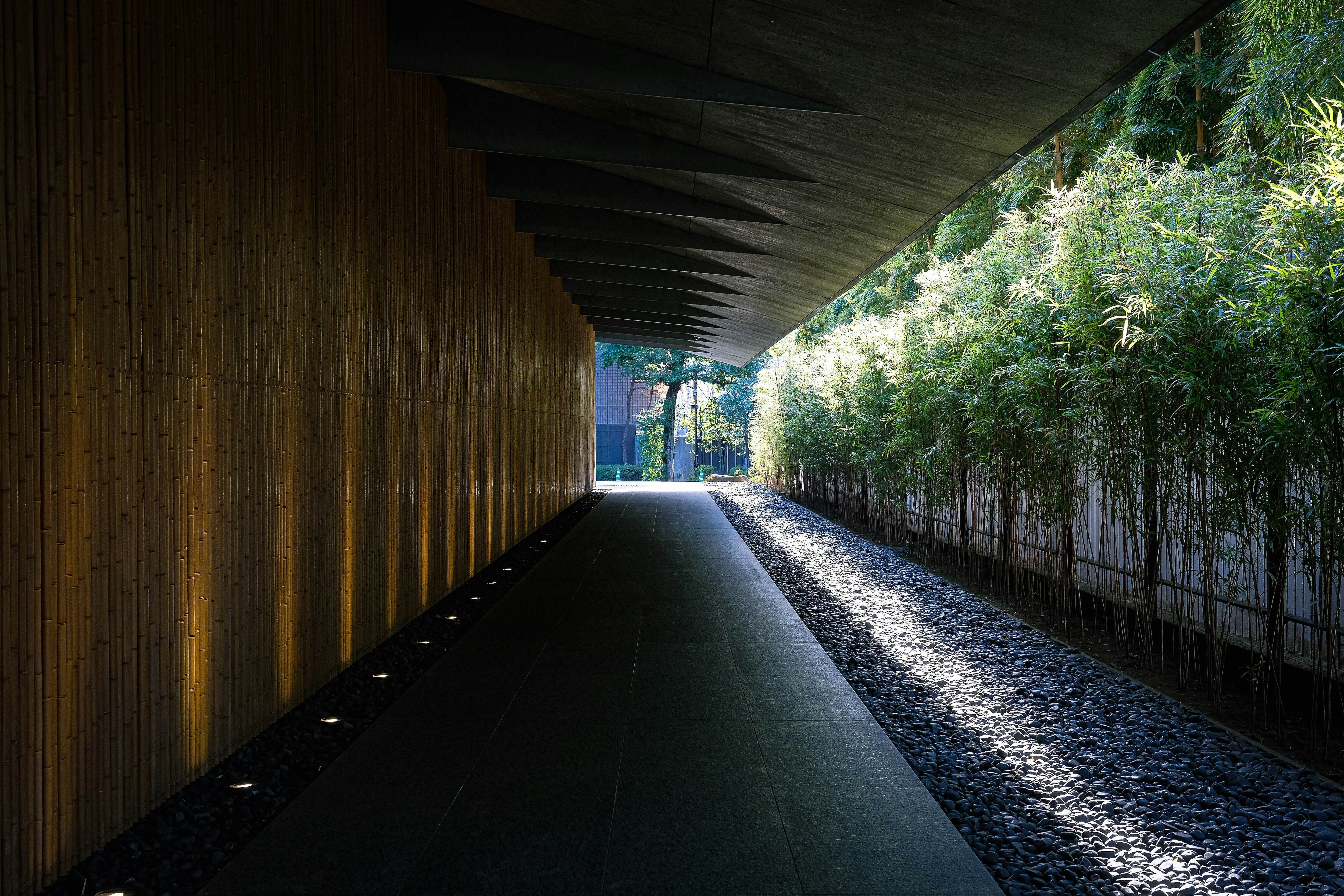
Art and culture are increasingly playing a central role in corporate responsibility in Japan. Image: Takafumi Yamashita
- Culture is fundamental to human life and one of the most important foundations on which a nation stands.
- In Japan, corporate art museums often lead on technology innovation by using AI, AR and immersive tools to redefine artistic engagement.
- They support communities and advance Japan’s cultural priorities of social cohesion, inclusivity and well-being.
Culture is fundamental to human life and one of the most important foundations on which a nation stands.
”These words served as the opening statement to Japan’s Agency for Cultural Affairs report, On the Ideal Form of Museums for the 21st Century. The report reflects a broader shift in Japan toward “seeking spiritual richness over material abundance,” accompanied by a growing number of people engaging with the arts. Within this evolving cultural landscape, museums are described as a form of “infrastructure for the heart,” essential to individual and societal well-being.
In 2022, the number of museums in Japan (1,305) and museum-like facilities (4,466) reached record highs. Despite Japan’s economic struggles since the 1990s, the number of institutions continued to grow over the last few decades. More than 70% of Japanese museums are publicly run, with the remainder operated by educational institutions, foundations, or private entities. This includes a significant group of corporate art museums. In Tokyo alone, institutions such as the Tokyo Station Gallery, Mitsubishi Ichigokan Museum, Mori Art Museum, Idemitsu Museum of Arts, and Suntory Museum of Art are recognized for both the strength of their collections and their high level of curation.
What is the World Economic Forum doing to promote sustainable urban development?
Corporate art museums connect companies and society
Corporate art museums are operated by companies to share art collected by founders or the firm itself, rather than showcasing business-related activities. Some museums are managed directly by corporations, including the Mitsubishi Ichigokan Museum and the Mori Art Museum. Others operate through foundations, such as the Artizon Museum (Ishibashi Foundation), Sompo Museum of Art (Sompo Fine Art Foundation) and the Asahi Group Oyamazaki Villa Museum of Art (Asahi Group Foundation). Since the establishment of early corporate museums such as the Okura Shukokan in 1917 and the Ohara Museum of Art in 1930, these institutions have long played an important role in shaping Japan’s cultural landscape. Their collections, distinctive architecture, distinctive settings and curatorial approaches differentiate them from public museums and enhance both visitor experience and the cultural vitality of surrounding regions.
Public appreciation for corporate museums is exemplified by the Kawamura Memorial DIC Museum of Art, operated by chemical manufacturer DIC until its closure in March 2025. Opened in 1990 in Sakura City, Chiba Prefecture, the museum was renowned for its gardens, architecture and collection that included Monet’s Water Lilies and works by Chagall and Renoir. Its daily curator-led tours made it a notable example of Japanese corporate mecenat. When the company announced closure of the facility in 2024 for operational reasons, the strong public response led to a postponement thereof. Ultimately closed, many continue to express regret over the closure.
While corporate art museums do not directly advance core business operations, they foster meaningful connections between companies and society. They contribute to trust-building, social inclusion and cultural well-being. These elements are increasingly recognized as part of corporate responsibility. The 2022 revision of the Museum Act, which allows corporate museums to formally register as museums under Japanese law, further strengthens their institutional standing.
Pioneering new forms of museum experience
As AI and emerging technologies transform cultural production, museums face growing pressure to adopt new tools that enhance visitors experience. Corporate museums have taken early leadership in this area.
In 2019, the Mitsubishi Ichigokan Museum hosted a public discussion on how AI, AR, and related technologies are reshaping artistic expression, highlighting topics such as AI-generated works, 5G and smart-glass interfaces. In 2021, the museum demonstrated how technology can deepen engagement with art with their pilot immersive audio-MR program in which visitors viewed artworks using speaker-equipped glasses while listening to narrative soundscapes.
In 2025, the Mori Art Museum presented Machine Love: Video Games, AI and Contemporary Art. This exhibition featured around 50 works incorporating game engines, AI, virtual reality, and generative AI. Through installations in which artists and “machines” collaborate and immersive digital environments, the exhibition explored human–technology relationships and invited visitors to imagine strategies to navigate an uncertain future. These initiatives reflect how corporate museums are helping redefine the boundaries of art in the digital age.
Enriching regional culture and strengthening community resilience
Corporate art museums in Japan play a vital public role by sharing collections with society and enriching cultural life at the local level. Their efforts to integrate new technologies, respond to social change, and develop innovative exhibition methods help expand the possibilities for artistic expression. At the same time, these museums function as platforms through which organizations communicate values, advance cultural citizenship and create opportunities for engagement with the arts.
Collectively, these activities reinforce regional cultural infrastructure and contribute to more resilient, creative communities. These outcomes, in turn, align closely with broader societal priorities such as social cohesion, well-being and inclusive growth. As Japan continues to balance heritage with innovation, corporate art museums will remain key actors in shaping the country’s cultural future, strengthening resilience of communities and expanding public access to the arts.
Don't miss any update on this topic
Create a free account and access your personalized content collection with our latest publications and analyses.
License and Republishing
World Economic Forum articles may be republished in accordance with the Creative Commons Attribution-NonCommercial-NoDerivatives 4.0 International Public License, and in accordance with our Terms of Use.
The views expressed in this article are those of the author alone and not the World Economic Forum.
Stay up to date:
Arts and Culture


Forum Stories newsletter
Bringing you weekly curated insights and analysis on the global issues that matter.
More on Arts and CultureSee all

Naoko Tochibayashi
February 24, 2026


