Opening Davos 2026 in harmony: How music sets the stage for dialogue and collaboration
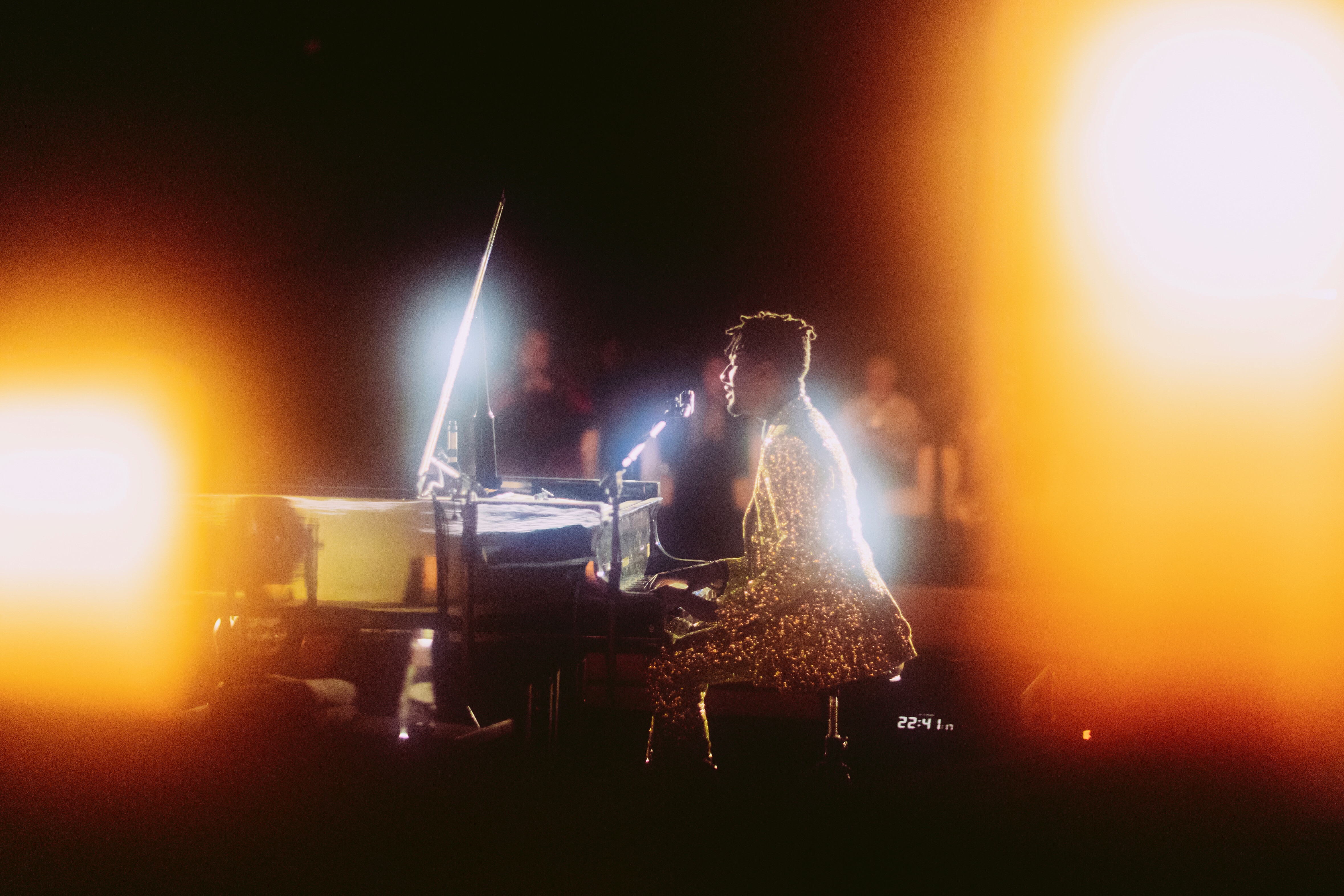
Davos 2026: The opening concert is more than music setting the tone; it is a statement of intent. Image: Luca Rossetti
- The World Economic Forum’s Annual Meeting opens not with speeches or policy briefs, but with music — a very deliberate choice.
- The opening concert will include performances from the Mahler Chamber Orchestra, violinist Renaud Capuçon and Grammy winner Jon Batiste, and will feature work by artist and technologist Ronen Tanchum.
- The meeting takes place in Davos from 19 to 23 January under the theme “A Spirit of Dialogue”.
At a time when global tensions, rapid technological change and fragmentation shape many of the conversations on the world stage, the World Economic Forum’s Annual Meeting opens not with speeches or policy briefs, but with music. This choice is neither ornamental nor incidental. The opening concert is more than an artistic overture; it is a statement of intent.
Before delegates dive into economic models or geopolitical risks, they’re invited to pause — to listen, feel and connect. In a world consumed by data and decision-making, the Forum offers a vital reminder: meaningful dialogue begins with shared humanity. Beneath every policy, algorithm and agenda, there is always a human pulse.
A dialogue between tradition and technology
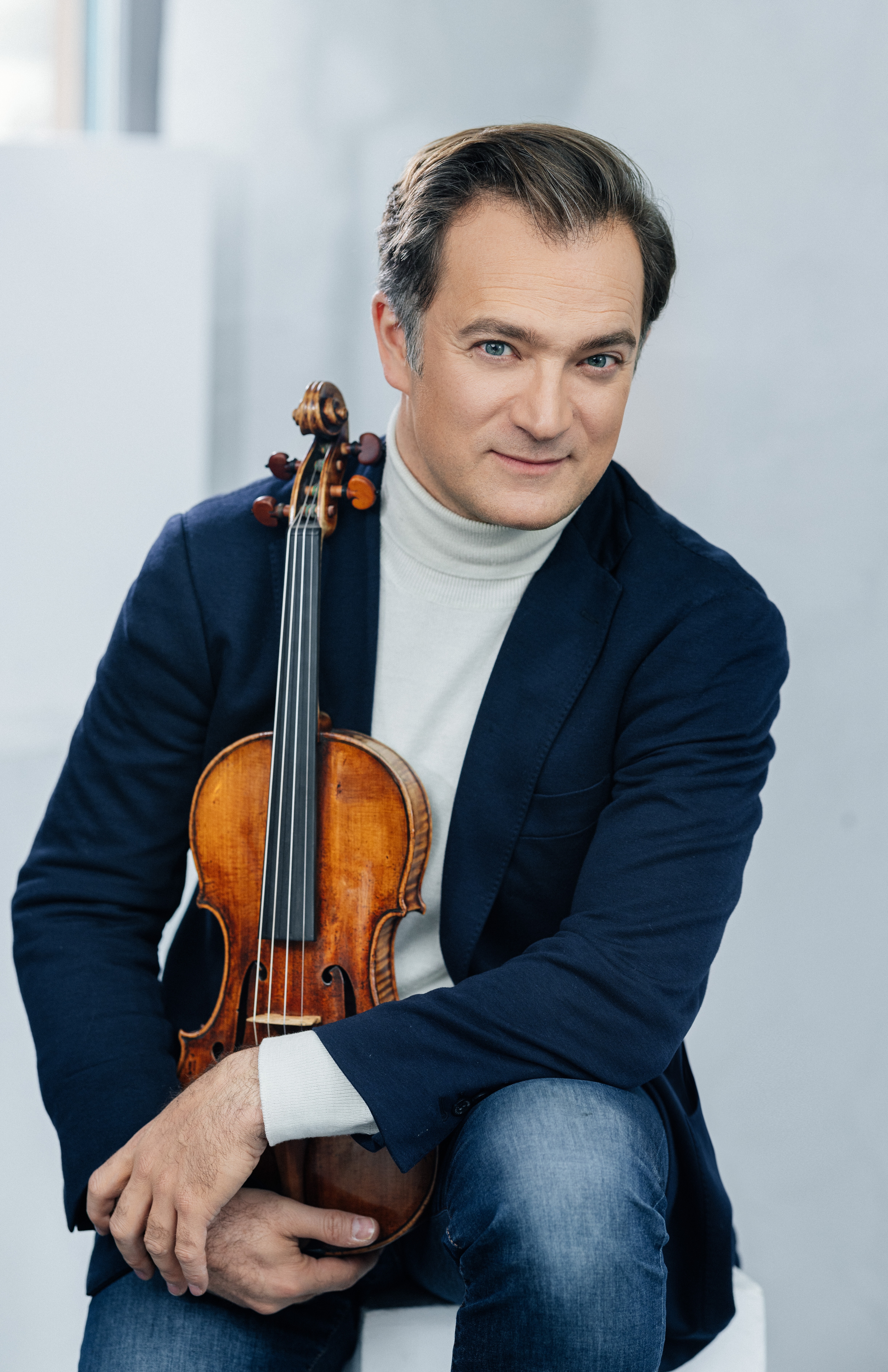
The concert opens with the Mahler Chamber Orchestra performing alongside celebrated violinist Renaud Capuçon. Their classical repertoire forms the emotional backbone of the first half, but it is the visual counterpart that gives the performance its futuristic resonance. Artist and technologist Ronen Tanchum has created a real-time, AI-generated visual installation that responds dynamically to the music, each phrase of the orchestra triggering evolving digital images, shifting patterns and bursts of colour that dance across the large LED screen behind the musicians.
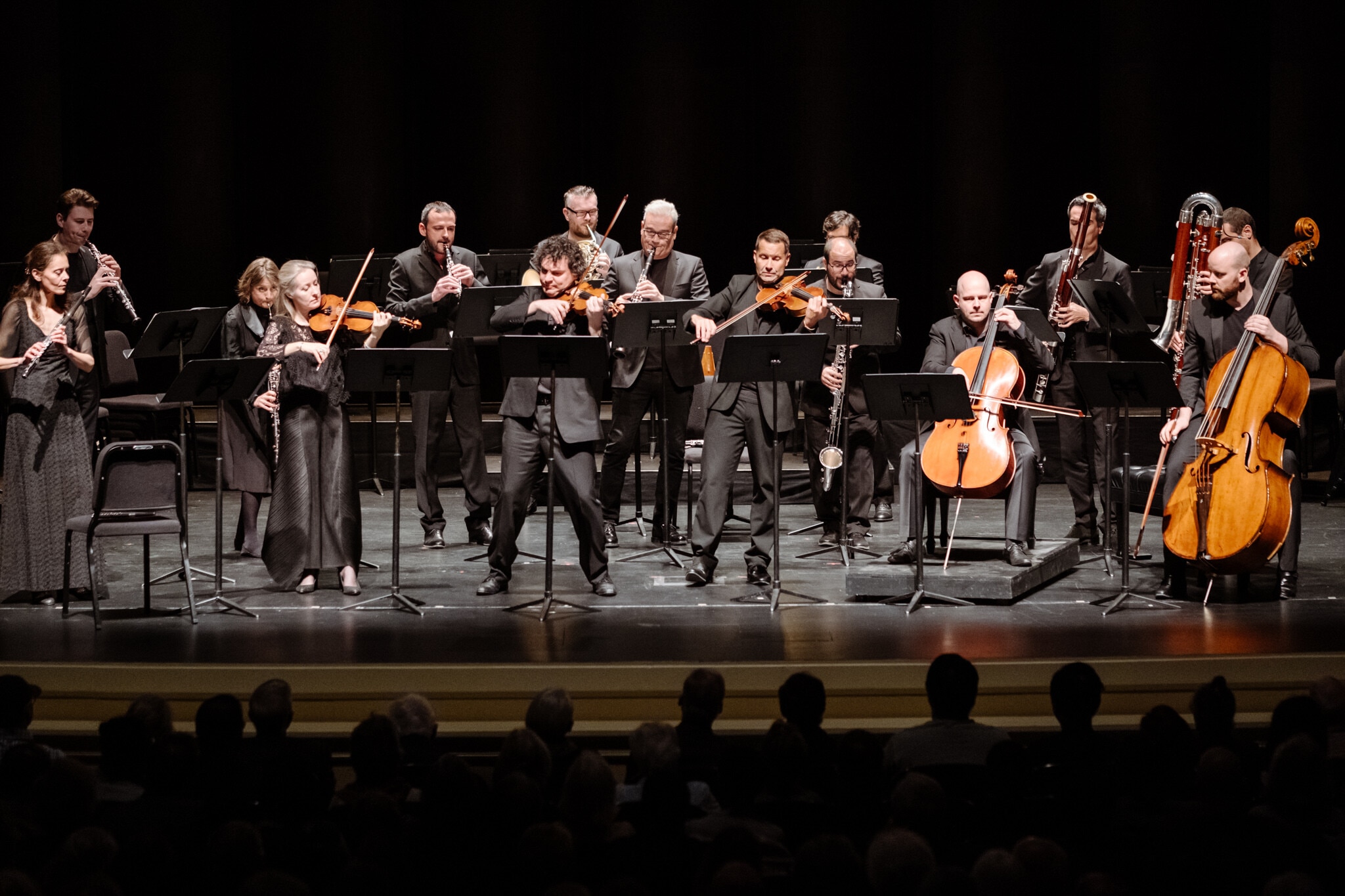
This interplay between analog mastery and algorithmic creativity challenges the assumption that tradition and innovation exist in conflict. Instead, it reveals their potential to elevate one another. The performance becomes a metaphor for a world in which technology does not replace human intention but amplifies it, an idea that resonates deeply with the discussions on digital transformation taking place throughout the Annual Meeting.
Jon Batiste: A portrait of boundary-breaking creativity
If the first half of the concert explores harmony between past and future, the second half brings forward the power of cultural convergence through the incomparable artistry of Jon Batiste.
Jon Batiste, multi-Grammy winner, Academy Award recipient, and a leading figure in contemporary American music, builds his career on dissolving boundaries. Raised in a storied New Orleans musical family, he blends jazz, classical training, gospel fervour, soul, R&B and improvisation into a sound that is unmistakably his own. His performances radiate an exuberant, kinetic presence, his music pulses with both virtuosity and vulnerability.
Music is a social force, a medium of healing, community and deep listening.
”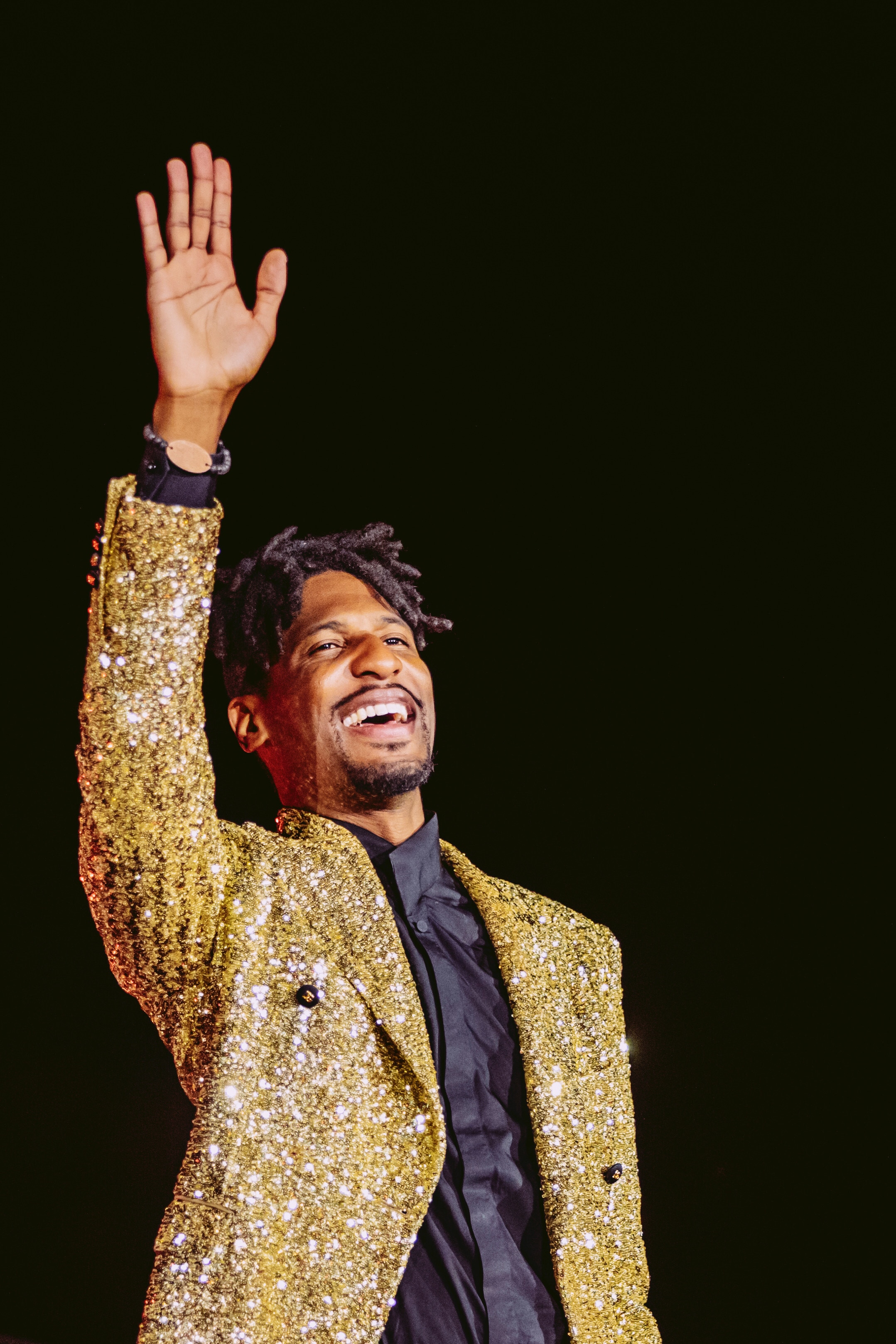
What makes Batiste unique is not simply his technical mastery or stylistic range, but his conviction that music is a social force, a medium of healing, community and deep listening. In the opening concert, he embodies this philosophy. His music weaves together genres and moods with effortless fluidity, demonstrating how diversity does not need to be simplified to create unity. Instead, it can be embraced, layered and allowed to resonate.
In a global climate too often defined by division, Jon Batiste’s performance offers an alternative: a celebration of difference as a source of richness rather than rupture.
Music as a blueprint for collaboration
Throughout the concert, a subtle but powerful metaphor emerges. Just as musicians adjust to one another in real time, shaping their phrasing, dynamics and timing, effective collaboration requires presence, flexibility and a willingness to listen. Just as varied musical traditions can coexist within a single piece, global cooperation depends on recognizing the creative potential in differing viewpoints.
Music bypasses preconceptions. It softens the boundaries people bring into the room. It reminds participants that before they are leaders of any kind, they are listeners.
Even the AI installation demonstrates a crucial lesson: technology remains most powerful when guided by human intention, ethics and imagination.
As delegates move into days of discussion, debate and decision-making, the evening serves as a reminder that harmony, whether musical or geopolitical, begins with the courage to hear one another.
In a world strained by fragmentation, the opening concert offers a vision of what becomes possible when creativity leads, when listening precedes speaking, and when collaboration is grounded not just in strategy but in shared humanity.
Watch the full concert below.
Don't miss any update on this topic
Create a free account and access your personalized content collection with our latest publications and analyses.
License and Republishing
World Economic Forum articles may be republished in accordance with the Creative Commons Attribution-NonCommercial-NoDerivatives 4.0 International Public License, and in accordance with our Terms of Use.
The views expressed in this article are those of the author alone and not the World Economic Forum.
Related topics:

Forum Stories newsletter
Bringing you weekly curated insights and analysis on the global issues that matter.
More on Arts and CultureSee all

Naoko Tochibayashi
February 24, 2026


