‘Guardians of stability’: The role of central banks in 2026, according to central bankers
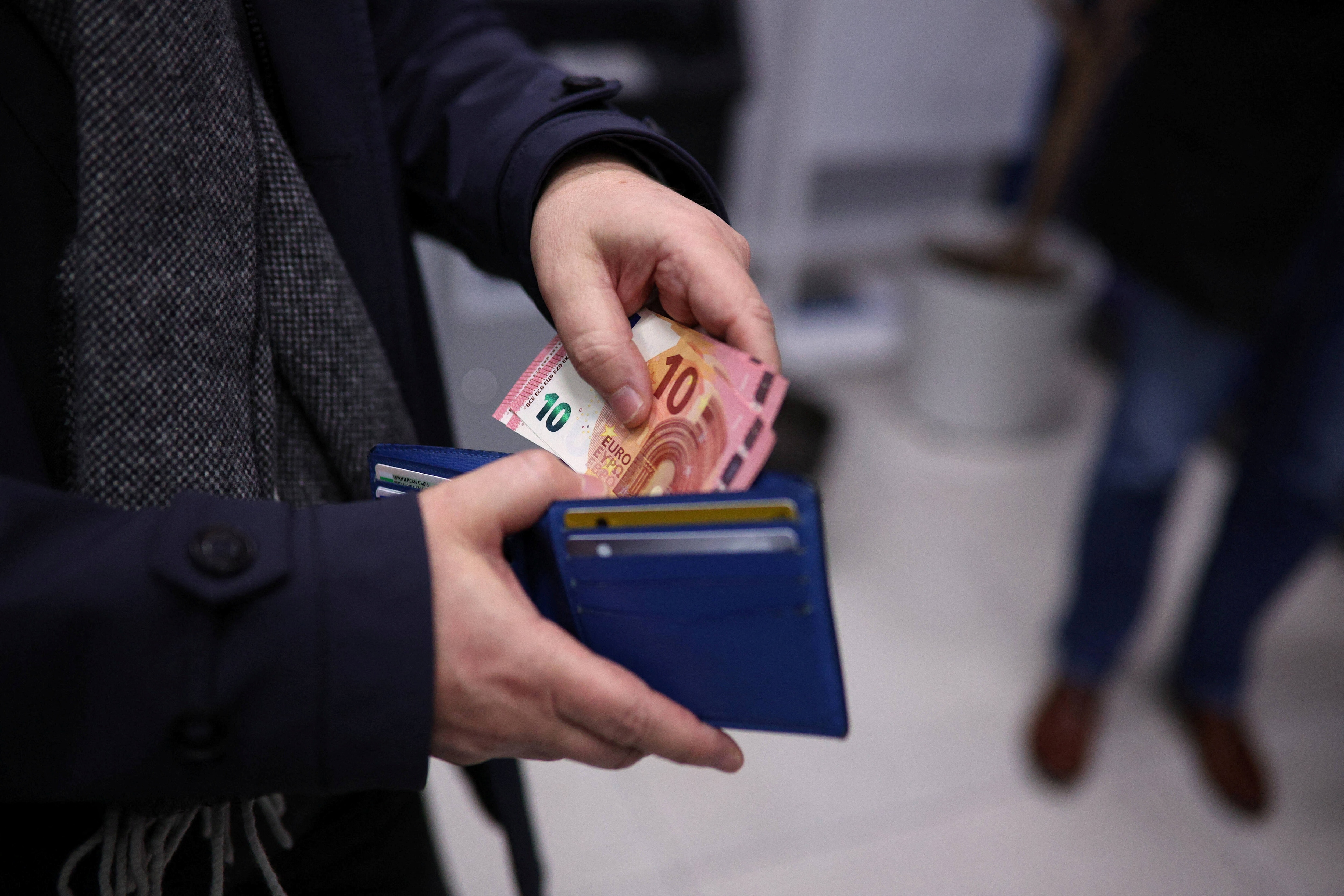
The role of central banks was a major topic of discussion last week at the World Economic Forum’s Annual Meeting in Davos, Switzerland Image: REUTERS/Spasiyana Sergieva
- The core mandate of central banks is maintaining price stability.
- In recent years, however, the role of central banks has become more complex.
- "Trust and credibility for a central bank is absolutely crucial," one central banker said at the World Economic Forum's Annual Meeting 2026.
In every economy, central banks play a fundamental role in ensuring price stability.
Yet in today’s global economy, the role of central banks is becoming both more complex and more consequential. From navigating rapid technological change to managing geopolitical fragmentation and rising political pressures, central banks are operating in an environment that looks very different than decades past.
The role of central banks was a major topic of discussion last week at the World Economic Forum’s Annual Meeting in Davos, Switzerland, where central bankers from around the world gathered to examine monetary policy and the evolving responsibilities of central banks.
‘Focus on the core mandate’
Despite the growing list of challenges confronting central banks, one principle remains unchanged: price stability is key.
“First of all we have to fulfill our first mandate,” Joachim Nagel, President of the Central Bank of Germany, said in Davos. “What a central bank can do to get to a higher level of growth is fulfilling the first mandate: price stability.”
Economists note that persistent inflation can erode purchasing power and distort investment decisions. By contrast, stable prices anchor expectations, lowering risk premiums and allowing businesses and households to plan with confidence.
“Price stability is the contribution the central bank can make to prosperity and growth in a country,” noted Martin Schlegel, Chairman of the Governing Board of the Swiss National Bank.
In Davos, central bankers also explored the various tools that central banks have at their disposal — especially the ones that can be deployed in times of crisis or heightened financial volatility.
“You have to craft the right tools for each event,” said Amir Yaron, Governor of the Central Bank of Israel, while referencing sources of volatility such as the COVID-19 pandemic and the wars in Ukraine and Gaza. However, consistency with “monetary policy tools is very important,” Yaron added.
The primary tool central banks deploy is the adjustment of interest rates, which influence borrowing, spending and inflation across an economy. Central banks can also buy and sell government securities, adjust government reserve holding requirements and enact quantitative easing and tightening measures.
“Central banks should continue to be guardians of stability,” said Sheikh Bandar Bin Mohammed Bin Saoud Al-Thani, Governor of the Qatar Central Bank. “This is the job of the regulator to keep the financial sector safe and resilient.”
Central banks tools and monetary policy at large, however, must be used in concert with other economic policies, the central bankers noted.
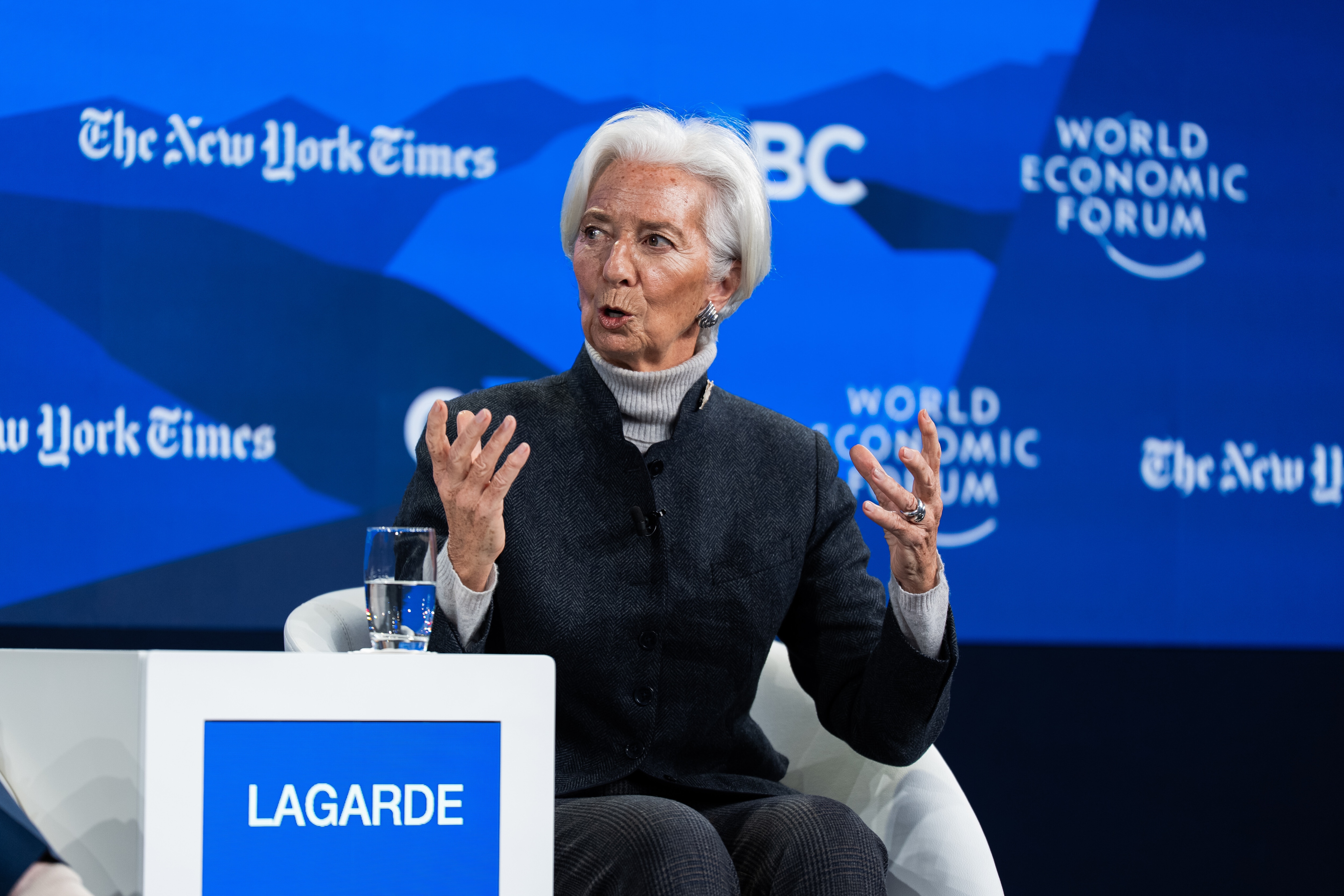
“I went through a lot of crises,” said Christine Lagarde, President of the European Central Bank. “I remember the days when it was mentioned that central bankers are the only game in town. This is not the right approach to a balanced and durable equilibrium.”
Lagarde noted that governments must also pursue fiscal policy and reforms in order to maintain stability.
‘The DNA of good monetary policy’
Political pressure on central banks, in the United States and around the world, has emerged in recent years as another salient issue central bankers are confronting. In Davos, central bankers were unequivocal in maintaining that central bank independence remains fundamental.
“Central bank independence is a very, very important concept to enable central banks to deliver on their mandate,” Schlegel said. He added that “trust and credibility for a central bank is absolutely crucial,” noting that “the only way to gain this trust is by delivering on the mandate, which is price stability.”
Meanwhile, Nagel stated that the independence of central banks is “the DNA of good monetary policy.”
Heightened politicization comes as central banks continue to grapple with increasing fragmentation in the global financial system.
As highlighted last year in a World Economic Forum report, Navigating Global Financial System Fragmentation, sanctions, industrial subsidies, export controls and restrictions on financial infrastructure are becoming commonplace as geopolitical and geo-economic tensions fuel the use of economic statecraft. For central banks, this presents a new challenge: safeguarding domestic stability while operating within a less integrated, more politicized global system.
“A less robust global financial safety net would heighten the likelihood of financial crises and might necessitate central banks in economies with less developed capital markets to build up costly liquidity and capital buffers,” the report notes. “An unstable financial system also increases the risk of price volatility.”
The Forum's report, which included insights from dozens of global CEOs, also identified the independence of fiscal and monetary policy as one of the eight core principles related to safeguarding the financial system from fragmentation. Independence, the report adds, is key to allowing financial institutions to conduct business across jurisdictions.
As the global economy becomes more fragmented and complex, the discussions in Davos served as a reminder that while central banking may be evolving, its core mission remains essential.
Don't miss any update on this topic
Create a free account and access your personalized content collection with our latest publications and analyses.
License and Republishing
World Economic Forum articles may be republished in accordance with the Creative Commons Attribution-NonCommercial-NoDerivatives 4.0 International Public License, and in accordance with our Terms of Use.
The views expressed in this article are those of the author alone and not the World Economic Forum.
Stay up to date:
Economic Growth


Forum Stories newsletter
Bringing you weekly curated insights and analysis on the global issues that matter.
More on Financial and Monetary SystemsSee all

Spencer Feingold
March 11, 2026


