How tourism can be a strategic asset for global stability, growth and trust
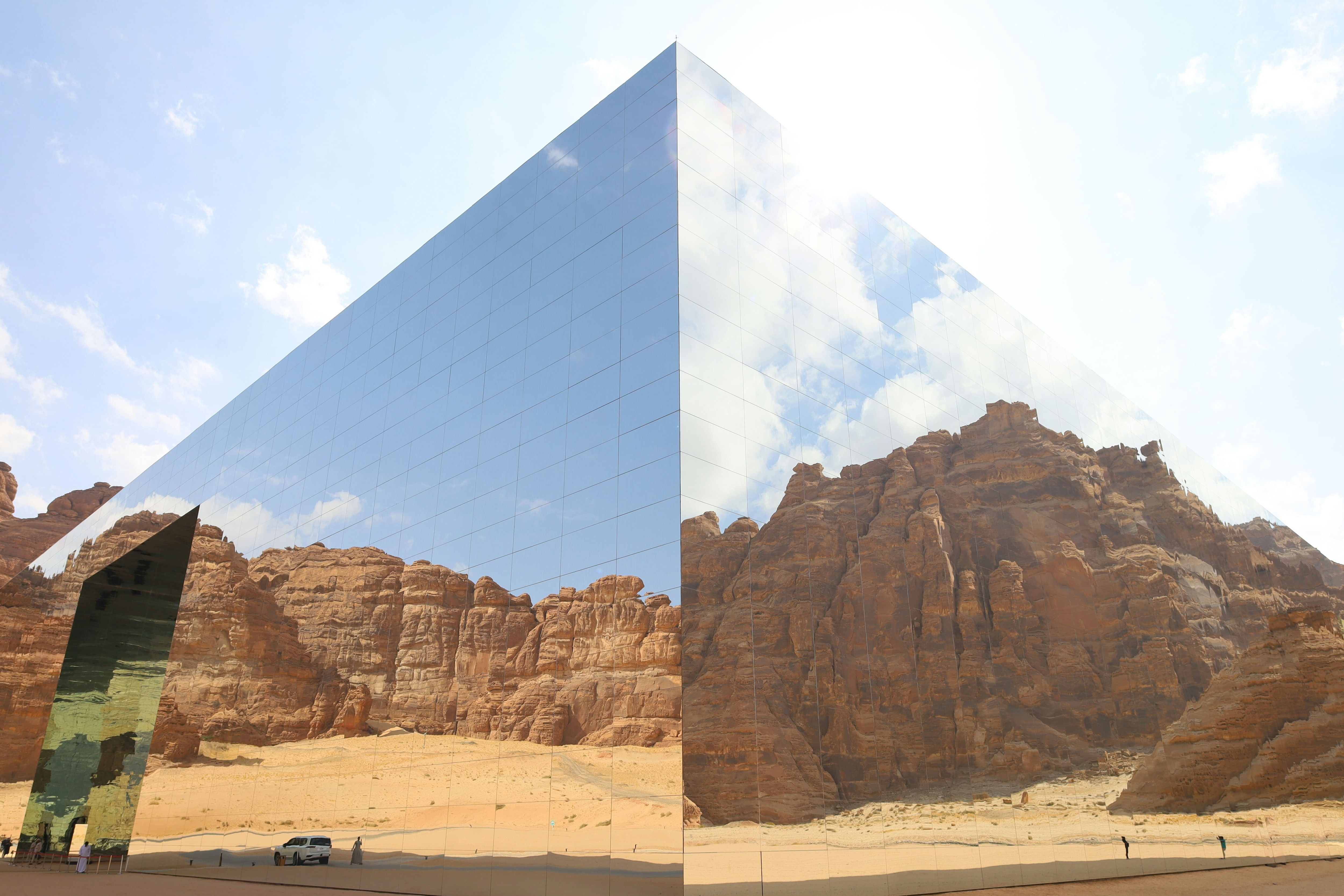
Saudi Arabia welcomed 115 million tourism visitors, including domestic and international travellers, in 2024. Image: Zhifei Zhou/Unsplash
- As the global economy enters an era of slow growth, travel and tourism is one of the few sectors capable of delivering immediate, broad-based stimulus.
- Tourism is also one of the world's most powerful engines of shared prosperity, with 80% of its economic value flowing to SMEs and local communities.
- Saudi Arabia demonstrates how tourism, when treated as core economic infrastructure, can deliver stability, diversification and shared value at scale.
The global economy is entering a period defined by slower growth, rising fiscal pressures and persistent volatility. In 2026, global GDP is projected to expand at just 3.1% annually – the weakest medium-term outlook in decades – while global public debt is on track to exceed 100% by 2029. What’s more, trade growth remains muted at 2.6%, far below historical norms.
In this environment, the travel and tourism industry is often underestimated. Yet it is one of the few sectors capable of delivering immediate, broad-based stimulus. It has repeatedly proven its resilience, rebounding faster than most industries after major shocks, and acting as a counter-cyclical stabilizer that absorbs workers displaced by automation and structural economic shifts.
Crucially, tourism is not only a macroeconomic buffer; it is one of the world’s most powerful engines of shared prosperity. Up to 80% of the sector’s economic value flows directly to small and medium-sized enterprises (SMEs) and local communities, making it among the most inclusive industries globally. Few sectors distribute opportunity as widely or as quickly across regions and income levels.
With labour markets facing a projected 43 million worker shortfall in tourism even as the sector prepares to create 91 million new jobs by 2035, tourism has become essential for countries seeking to unlock opportunity for youth, women and displaced workers. In an era of tightening fiscal space and social pressure, this labour-absorbing capacity matters.
At a moment when 60% of people in advanced economies feel inequality is rising, tourism also strengthens social cohesion. It offers one of humanity’s most enduring platforms for cultural understanding and soft diplomacy, facilitating everyday interactions that humanize difference and sustain dialogue across borders.
Technology key to boosting tourism productivity
As the travel and tourism sector grows in scale and complexity, technology is becoming central to sustaining its economic and social contribution. Digitization and artificial intelligence (AI) can deliver productivity gains of 15-40% across industries, helping address chronic labor shortages while enhancing service quality and operational efficiency.
In practice, this means using AI to anticipate demand, manage crowd flows and optimize workforce deployment, while digital identity, biometrics and e-visa systems reduce friction without compromising security. By removing inefficiencies from processing and logistics, technology frees human talent to focus on what matters most in tourism: hospitality, storytelling and meaningful experience.
With more than 70% of travellers now expecting seamless, biometrics-enabled journeys – compared to fewer than 30% of airports that offer them – the opportunity to reduce friction and elevate the human experience is significant. When deployed responsibly, technology does not replace the human dimension of tourism; it enables it.
Yet technology alone is not enough. Unlocking the full potential of the sector requires closing the infrastructure and investment gap. Today, close to 12% of global tourism investment reaches emerging and secondary destinations, despite these regions accounting for more than half of global growth potential.
This is not a demand problem, but a readiness and risk allocation challenge, where capital follows predictability, governance and long-term planning rather than promotion alone. Blended finance, public–private partnerships and innovative risk-mitigation tools will be critical to mobilize capital where it is needed most.
Saudi Arabia shows why investing in tourism is key
Saudi Arabia demonstrates how tourism, when treated as core economic infrastructure, can deliver stability, diversification and shared value at scale. In 2024, the Kingdom welcomed more than 115 million tourists, both domestic and international, surpassing its original 2030 visitation target seven years ahead of schedule. Supported by an enabling business environment, strong global promotion and forward-looking policy reform, Saudi Arabia is deploying hundreds of billions of dollars into regenerative, culturally-rooted destinations designed for long-term competitiveness rather than short-term volume.
Under Vision 2030, this commitment extends to up to $800 billion in tourism-related investments by 2030, encompassing aviation connectivity, destination development, digital platforms and human capital. The results are already tangible: by 2024, tourism employment surpassed one million jobs, helping absorb new labour-market entrants while catalyzing SME growth and regional economic diversification. Importantly, this approach is not about scale alone, but about demonstrating how tourism can be intentionally designed as economic infrastructure that is transferable across regions and development stages.
Flagship destinations such as AlUla, Diriyah and the Red Sea illustrate how deliberate destination design can generate broad-based benefits. In AlUla, large-scale heritage restoration has repositioned culture as a living economic asset. Prioritizing local supply chains, artisans, guides and small businesses has ensured tourism revenues circulate within the community, strengthening incomes, preserving identity and building long-term resident support.
Diriyah’s regeneration has similarly combined cultural preservation with urban renewal and public infrastructure investment, while the Red Sea is setting new global benchmarks for regenerative development powered entirely by renewable energy, with spillover benefits across construction, logistics and aviation nationwide.
Together, these examples show how tourism; designed as a system rather than a standalone industry, can stabilize employment, diversify exports and reinforce economic resilience at a national scale.
Tourism can be a stabilizing force in an unstable world
In a fragmented world marked by geopolitical tension and declining trust, tourism remains a stabilizing force. It sustains large-scale, voluntary people-to-people exchange at a time when formal diplomatic, trade and political channels are under strain; creating everyday interactions that reinforce mutual understanding, predictability and shared economic interests across borders.
Tourism reopens corridors of mobility, strengthens global interdependence and fosters dialogue when it is needed most. It is not a secondary activity; it is a strategic pillar of economic resilience, security and global cooperation. Accordingly, the call to action is clear. Governments and the private sector must invest in mobility, infrastructure, human capital and technology.
What is the World Economic Forum doing to promote sustainable urban development?
Saudi Arabia’s experience shows what this looks like in practice: sustained investment in aviation connectivity, digital visas, destination readiness, talent and technology – that is treated not as discretionary spending, but as core economic infrastructure. Under Vision 2030, tourism has been elevated to a system-level growth engine, strengthening resilience at home while contributing to stability, openness and cooperation globally.
The future of global prosperity will be shaped not only by how fast economies grow, but by how well they remain open, connected and resilient; and tourism when designed intentionally, sits at the centre of that equation.
Don't miss any update on this topic
Create a free account and access your personalized content collection with our latest publications and analyses.
License and Republishing
World Economic Forum articles may be republished in accordance with the Creative Commons Attribution-NonCommercial-NoDerivatives 4.0 International Public License, and in accordance with our Terms of Use.
The views expressed in this article are those of the author alone and not the World Economic Forum.
Stay up to date:
Economic Growth


Forum Stories newsletter
Bringing you weekly curated insights and analysis on the global issues that matter.
More on Economic GrowthSee all

Pooja Chhabria
February 27, 2026


