How combining cultural heritage, technology, policy and community builds resilience in Japan
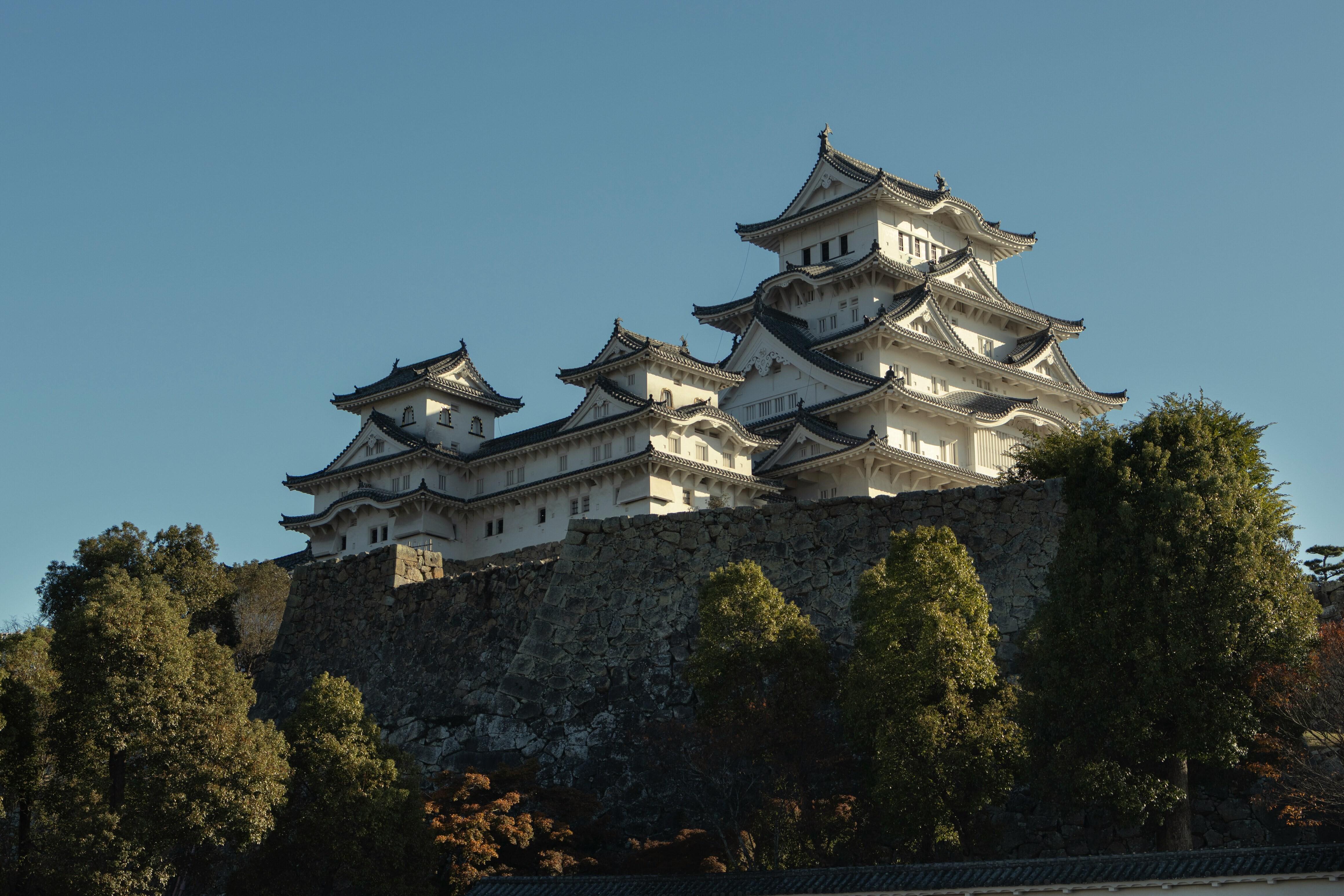
Japan is preserving its cultural heritage by bringing together government policy, technology and community Image: Photo by Charlie Charoenwattana on Unsplash
- Safeguarding cultural heritage sustains the cultural richness of the present, while ensuring its transmission to future generations.
- Japan has a particularly large and diverse stock of cultural assets spanning fine arts, crafts and architecture.
- For societies worldwide facing similar demographic shifts and climate-related risks, strengthening cultural heritage protection can play a vital role in building resilience.
Cultural heritage is often described as a witness to the identity and history of nations and communities. It can also be understood as a form of society’s 'emotional infrastructure,' anchoring collective memory, values and continuity. Traditional buildings and cultural assets embody the aesthetic sensibilities and craftsmanship of their eras and accumulated knowledge about how societies have adapted to local climates, materials and environments. Safeguarding cultural heritage, therefore, sustains the cultural richness of the present, while ensuring its transmission to future generations.
Japan is home to a particularly large and diverse stock of cultural assets. As of 2024, the country has 13,499 National Treasures and Important Cultural Properties, spanning fine arts, crafts and architecture, as well as 14,376 Registered Tangible Cultural Properties, primarily buildings. Including undesignated assets, the total number is vast. Preserving these resources requires continuous management and regular repair. Yet, demographic change, skills shortages and growing disaster risks are making this task increasingly complex.
Depopulation and population ageing in rural areas are among the most pressing challenges. Research by the Nara National Research Institute for Cultural Properties projects that the number of historic buildings located in settlements with fewer than 50 residents will rise from 308 in 2020 to 952 by 2045. Since historic structures cannot be relocated easily, shrinking local populations make routine maintenance more difficult and increase exposure to risks, such as disaster-related damage and theft.
Human resource constraints are compounding these pressures. According to the Agency for Cultural Affairs, approximately 70% of holders of nationally designated 'Selected Conservation Techniques,' which safeguard traditional restoration skills, are aged 60 or older. A survey by Mitsubishi UFJ Research and Consulting further found that 61.5% of local governments identify the decline in preservation personnel as their most urgent challenge, highlighting growing concerns over skills succession and institutional capacity.
Japan’s exposure to frequent natural disasters adds another layer of vulnerability. The 2011 Great East Japan Earthquake and Tsunami damaged 754 cultural properties, with many structures completely destroyed. Subsequent events, including the 2016 Kumamoto Earthquake and the 2024 Noto Peninsula Earthquake, caused the major collapse of stone walls at historic sites, including Kumamoto Castle and Kanazawa Castle. Flooding from tsunamis and heavy rainfall damages structures and accelerates mould growth, posing risks to cultural assets and to the health of those involved in rescue and recovery efforts.
Expanding government, local and community responses
In response, Japan is strengthening cultural heritage protection through coordinated action by national and local governments, alongside communities. One visible indicator is the expansion of public investment. The Agency for Cultural Affairs’ budget increased to approximately JPY44.7 billion ($290 million in 2023), more than doubling to JPY106.2 billion ($689 million) in 2024, with a strong emphasis on conservation, restoration and disaster prevention. A budget request of approximately JPY140 billion ($908.3 million) for 2025 reflects a policy commitment to advancing preservation and sustainable use.
In 2025, Japan’s Agency for Cultural Affairs took a significant step by introducing quantitative targets for disaster prevention at nationally designated historic sites and scenic places for the first time. Under this plan, around 250 high-risk slopes are to be reinforced by fiscal year 2030, while seismic assessments and conservation measures for approximately 100 stone walls at historic sites are scheduled for completion by 2045, signalling a more proactive and measurable approach to safeguarding cultural heritage against growing disaster risks.
Institutional reforms are also supporting more integrated, community-wide approaches. Amendments to the Act on Protection of Cultural Properties in 2018 created frameworks that link cultural heritage preservation with local development and enable collective stewardship, including for undesignated assets. As of March 2025, 45 prefectures and 194 municipalities have received national certification under these schemes, allowing them to access special measures and delegated authorities.
Community engagement remains central as well. The Nara Machizukuri Centre, for example, is advancing databasing initiatives to protect and nurture regional landscapes, conducting roadside scenery research and convening symposiums. Working with local students and residents, it also supports cultural creation and collaborative activities rooted in historic townscapes, illustrating how preservation can reinforce local identity and participation.
How is Japan leveraging digital and AI-enabled tools?
Alongside institutional and community efforts, digital technologies are playing an increasingly important role. Digital archiving initiatives are helping safeguard dispersed cultural assets, while AI-enabled deterioration detection is improving the early identification of damage. These tools allow limited expert knowledge to be applied more widely and support a shift from reactive repairs to preventive conservation.
Other advanced applications, including digital twin technologies, are also emerging. By recreating the internal structures of cultural assets, digital twins can enhance the accuracy of restoration and reconstruction. Between 2023 and 2024, Eiheiji Temple in Fukui Prefecture collaborated with Shimizu Corporation to create digital twins of 19 of its buildings, including its main hall, designated as an 'Important Cultural Property,' demonstrating the potential of technology to complement traditional expertise.
What is the World Economic Forum doing to promote sustainable urban development?
Cultural heritage as a pillar of resilience
As demographic and environmental conditions continue to evolve, cultural heritage preservation requires new approaches. Japan’s experience illustrates how policy development, community engagement and targeted technological adoption can reinforce protection efforts under growing constraints. Cultural heritage preservation is not only a matter of cultural policy; it is closely linked to regional sustainability, disaster resilience and social cohesion. Collaborative models that bring together government, the private sector, communities and technology around shared cultural values offer lessons beyond Japan. For societies worldwide facing similar demographic shifts and climate-related risks, strengthening cultural heritage protection can play a vital role in building more resilient and inclusive futures.
Don't miss any update on this topic
Create a free account and access your personalized content collection with our latest publications and analyses.
License and Republishing
World Economic Forum articles may be republished in accordance with the Creative Commons Attribution-NonCommercial-NoDerivatives 4.0 International Public License, and in accordance with our Terms of Use.
The views expressed in this article are those of the author alone and not the World Economic Forum.
Stay up to date:
Arts and Culture


Forum Stories newsletter
Bringing you weekly curated insights and analysis on the global issues that matter.
More on Arts and CultureSee all

Duncan Crabtree-Ireland
January 16, 2026
