Davos 2026: 10 questions on leaders’ minds
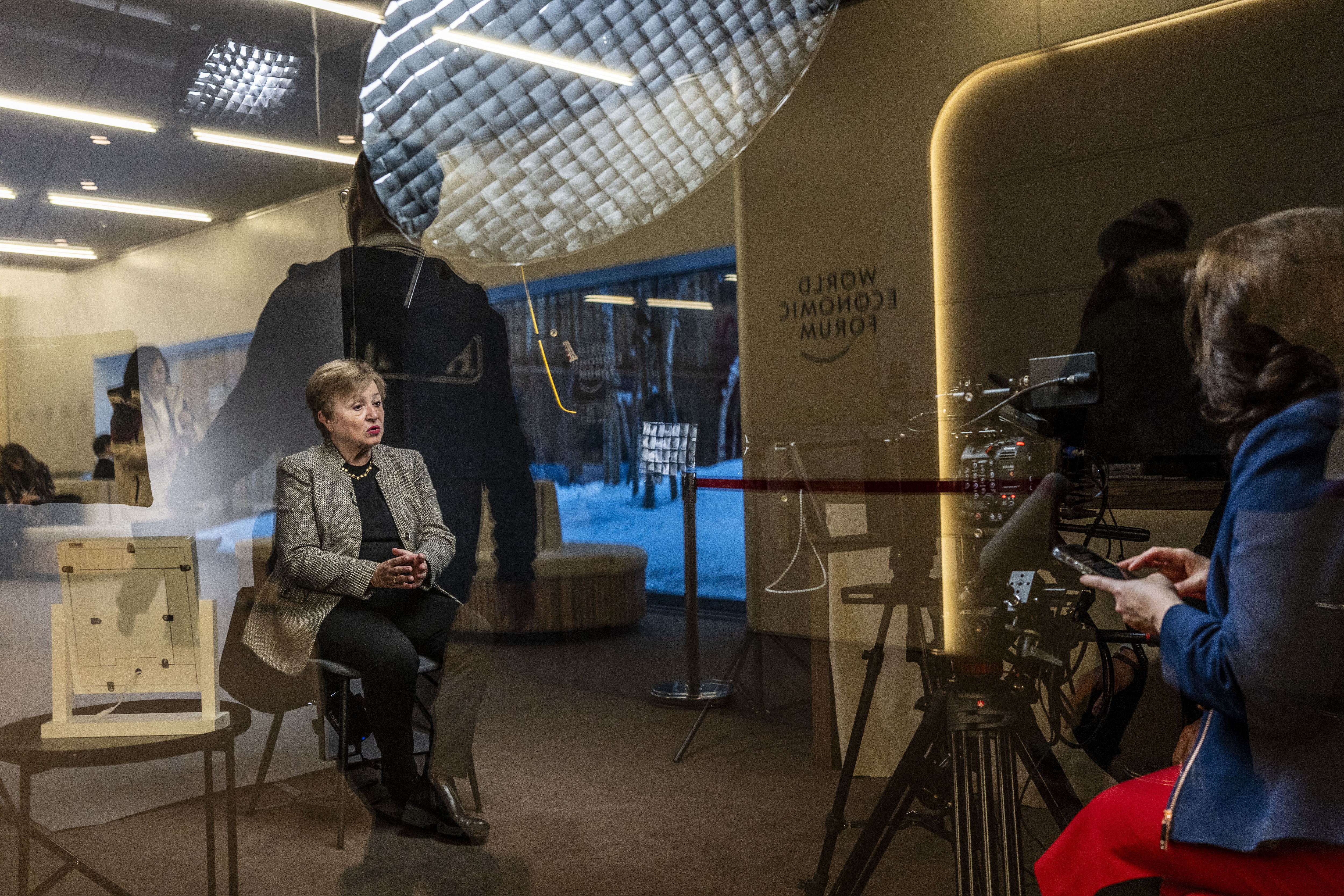
Kristalina Georgieva, Managing Director of the International Monetary Fund, speaking to the Forum in Davos. Image: World Economic Forum/Valeriano Di Domenico
- The World Economic Forum’s Meet the Leader podcast talks to figures from business and beyond about leadership, teamwork and decision-making.
- In Davos, the podcast asked leaders about the questions they might be asking themselves in 2026.
- From outside-in thinking and building resilience to autonomous work and the democratization of AI, here are some of the topics they covered.
The World Economic Forum Annual Meeting 2026 reflected a world that is now increasingly multipolar. As uncertainties, from technological disruption to the climate crisis and increasing geopolitical conflict, collide, how can leaders navigate a path to a prosperous future?
Success often begins with asking the right questions, and in Davos, the Forum’s Meet the Leader podcast asked a host of decision-makers about the questions on their minds in 2026. Here’s what they said.
Answers have been edited for length and clarity.
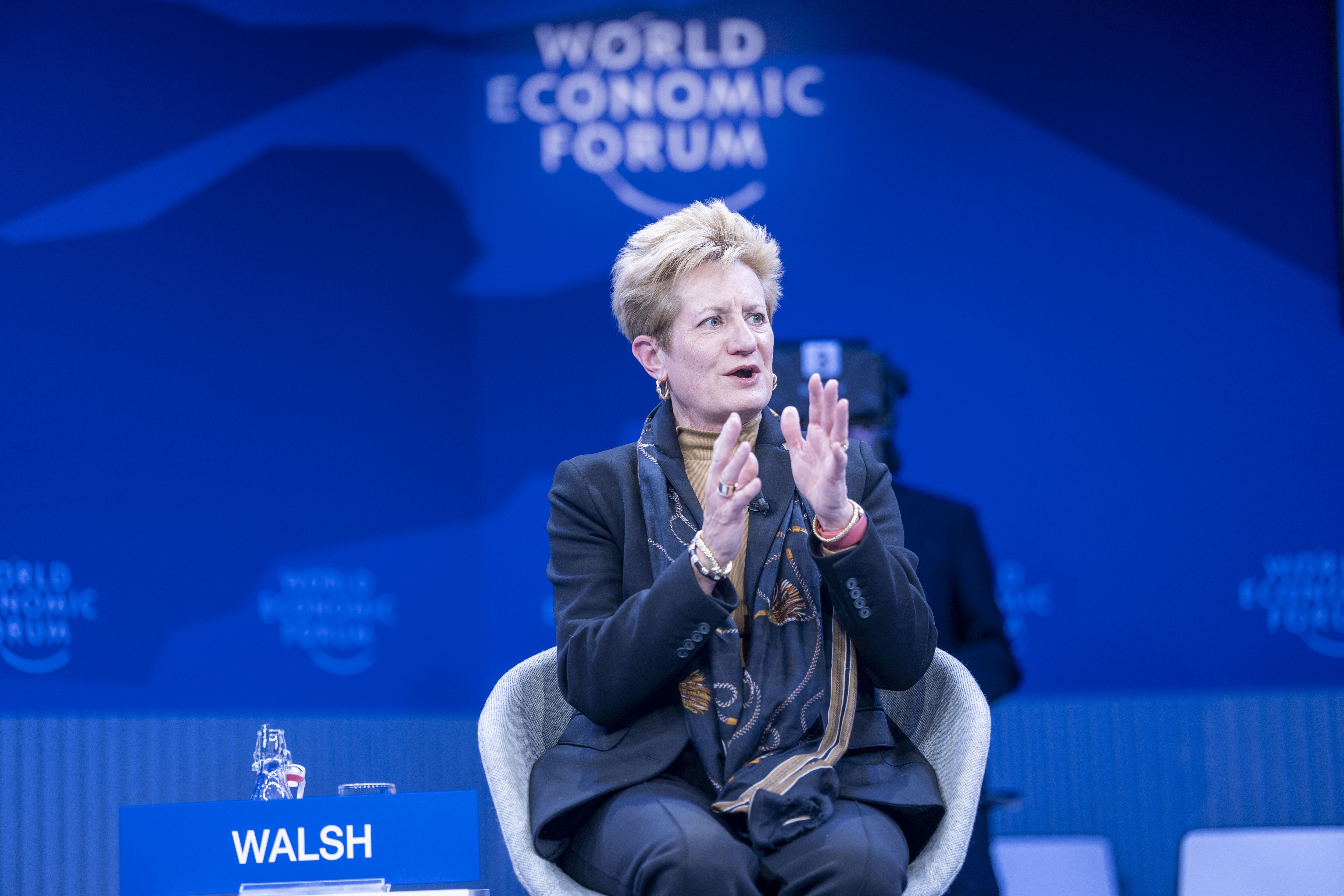
Are you focused on the long term?
Anne Walsh, Chief Investment Officer, Guggenheim Partners Investment Management: “It’s critically important to step back in a world of uncertainty and volatility and think about the big picture. I pay a lot of attention to long-term trends – whether it’s interest rates in the US or the super cycle we find ourselves in – and try to really separate the signal from the noise. The noise is happening in a 24-7 world at a very high rate, and it can be very unsettling, which is why it helps to reframe where we are by looking at the big trends. I think that’s important as an investor. It's important as a leader and a manager as well.”
Are you thinking ‘outside in’?
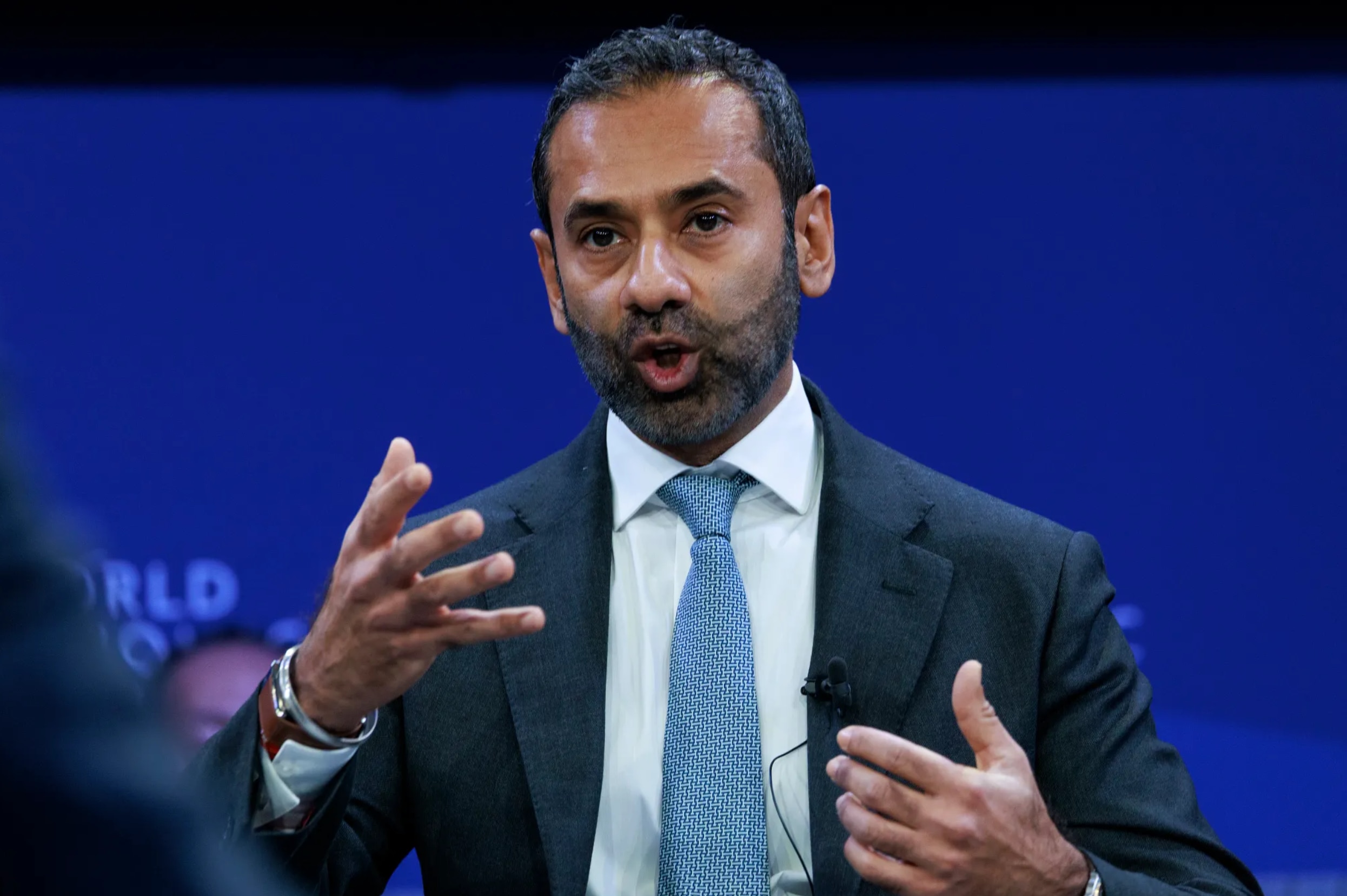
Sunny Mann, Global Chair of law firm Baker McKenzie: “Reflecting back on the past few decades, I think companies have shied away from wanting to engage in things like geopolitics and national security. The problem is that geopolitics and national security have really entered the corporate world and are dead centre within what C-suite and business leaders are reflecting on. So, I think that boards and the C-Suite need to make sure that they are comfortable and familiar with geopolitics and national security, and that they are a recurrent board discussion point.
“We won't have the information at our fingertips, so we need to engage with experts, whether that is speaking to those who have geopolitical understanding or national security understanding, and indeed those who understand trade and regulatory framework as well. But the best way to really plug some of the gaps around that is to seek the right expertise, to gain the information so that you can make informed decisions moving forward.”
Have you built resilience?
Sunny Mann, Global Chair, Baker McKenzie: “Have you built up enough resilience in your supply chain so that if there is a shock in a certain part of the world, you've got alternative sourcing, that you've alternative markets into which you can sell your products and services? Alongside that corporate resilience, have you ensured that you can react with a degree of nimbleness and agility to some of those shocks that might emerge over the week ahead? So, it is a mixture of resilience combined with that ability to be nimble and agile at the same time.”
Will we democratize AI?
Nicholas Thompson, CEO of The Atlantic magazine: “The biggest question for me is whether we'll have democratized AI that is controlled by lots of different people in lots of countries and lots of companies around the world, or whether it will be five big companies that build the systems that power the world. I care a lot about open-source AI, I care about sovereign AI, I care about independent projects, whether they're academic or civil society, building systems into AI.
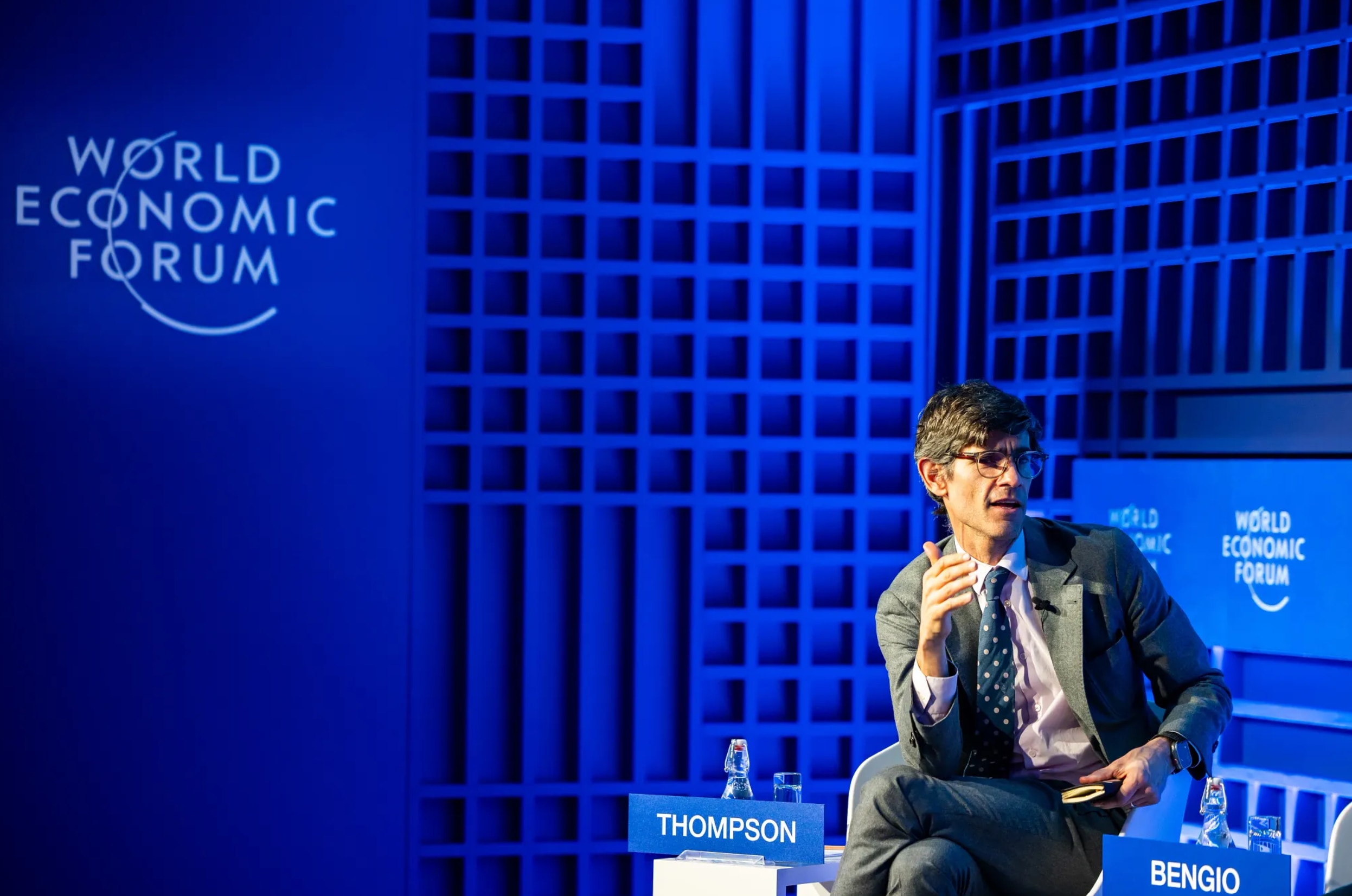
“AI is going to power so much of the world and I want it to be democratized, I want it to be open, I want it to be competitive. And so the thing I'm interested in right now is new architectures of AI. The reason why there are so few companies with so much power is because of what are called scaling laws. To have a successful AI, you need billions of dollars to train models. Because what makes models better is more compute, more data, more everything. And so the way it's worked the past five years is: more money, better model. But with new architectures for AI, whether they're world models, whether they are neural symbolic AI, whether they’re continuous-learning models, there are ways that maybe that paradigm shifts. Like, maybe it turns out they need a better idea, not just more money, right? And if that ends up happening, maybe AI gets more democratized. And if that happens, all kinds of things change, from foreign policy to opportunity to income inequality around the world.”
How the Forum helps leaders make sense of AI and collaborate on responsible innovation
How quickly will we get to autonomous work?
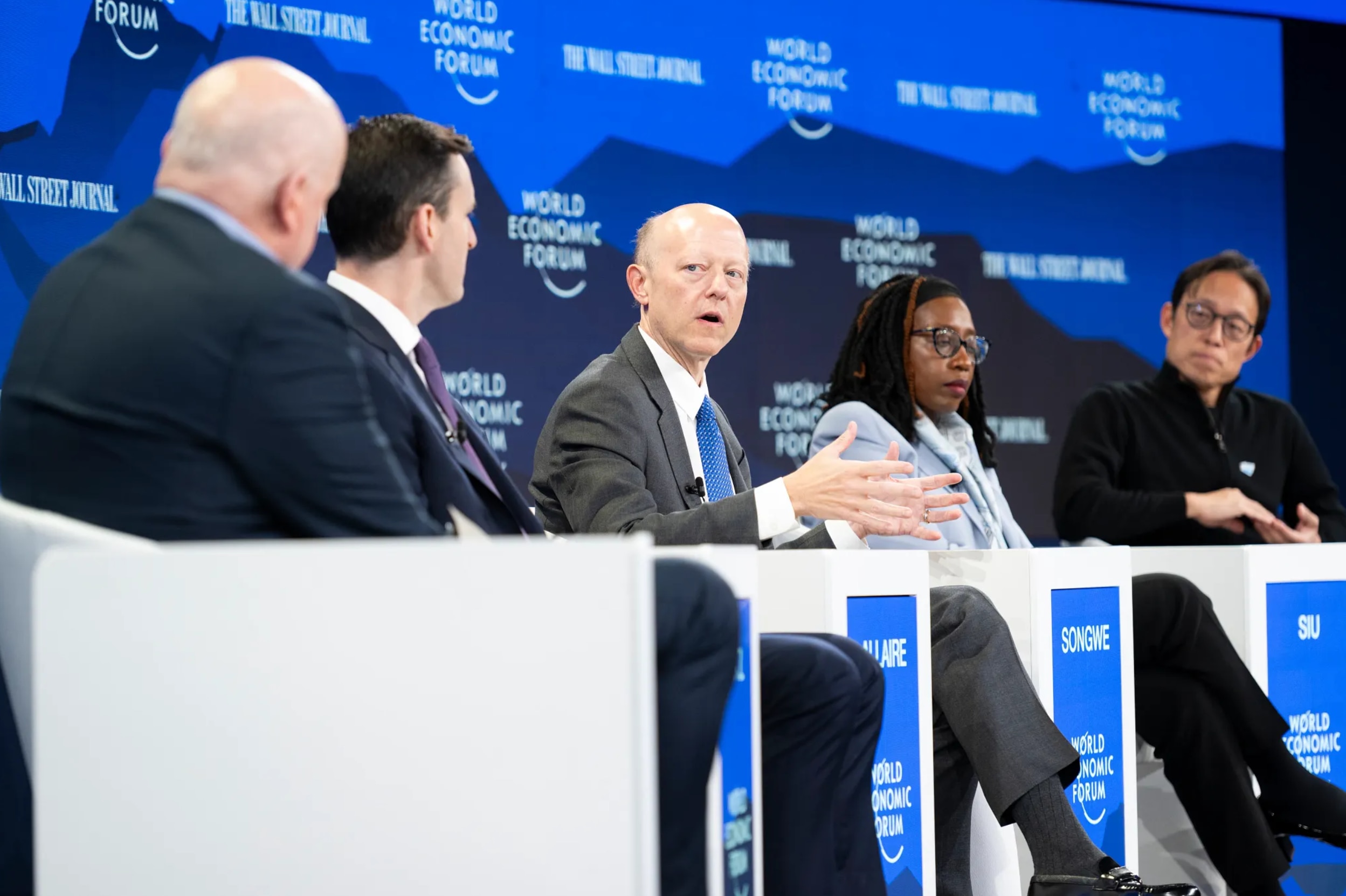
Jeremy Allaire, Founder, CEO and Chairman of financial technology company Circle: “Right now, one of the questions I'm asking myself is how quickly can we – and that's myself, my team, my organization – start to see autonomous work being produced by software agents, and how quickly can we see that happening in a way that we trust the outcomes? I'm thinking about that a lot because, if we can realize that, it will allow us to accomplish an incredible amount in ways that were unfathomable even months ago.”
Am I focused on the biggest challenge?
Nikki Clifton, President of delivery giant UPS’ social impact arm, the UPS Foundation: “What is the problem we're trying to solve? What is immediately in front of us, and then what is around the corner? Those are two questions that guide the team on a daily basis. And why is that so important? What's the risk that you want to avert? For me, it’s thinking too much about the rear-view mirror. I want to stay focused on the most pressing moment so that we can ruthlessly prioritize what's important right now – but then we have to be looking around the corner at the risk, the opportunities, at the challenges, making sure that we are both fully present in the moment but also looking ahead.”
Is this what I want?
Jonathan Haidt, social psychologist, New York University professor and best-selling author of The Anxious Generation: “One thing I've learned from teaching undergraduates and MBA students who are in their late 20s is that with almost all young people, and a lot of older people, the very first thing they do when they wake up in the morning is check their phone for notifications. They don't get out of bed, they don't go to the bathroom, they don’t make coffee – it's the phone. And what's the last thing they do before they close their eyes at night? Same thing, it's the phone. And what do they do in between? For a lot of them, mostly it's their phone. That is not a life. That means you are never fully present in human interactions.
“So, one of the things that I strongly encourage all of my students to do, and I encourage all adults to do, is make a list of the first five things you do after you open your eyes. Look at it and say, ‘Is that really what I want?’ and find ways to change it. And what everyone finds is when they do that, when they give themselves space to wake up and to set the day and to choose what they want to happen that day, set their intentions, they have a much better day. If you don't do that, you open your eyes, you look at your phone, your phone will now control your thinking, your cognition, your thoughts, your priorities and your actions for the rest of the day.”
Where am I conflating momentum with what’s meaningful?
Suleika Jaouad, best-selling author of The Book of Alchemy: “It's so easy to confuse busyness with a sense of progress. And as someone who is, admittedly, pretty type A, when I'm doing a lot, it feels like forward motion. But the ability to pause, to take a moment to reflect about what I'm doing and why and where it's taking me can sometimes be the most productive, unproductive use of time. And so, as we're here at Davos and having questions and conversations specifically, for example, about AI – and there is this race to innovate – very real questions about the implications of that race for humankind, for our workforce, for our artists. I think that the focus on meaning over momentum and specifically defining the why of the momentum and the why of what's meaningful is something that I know I could benefit from and that I believe others could too.”
Are you putting the collective before the individual?
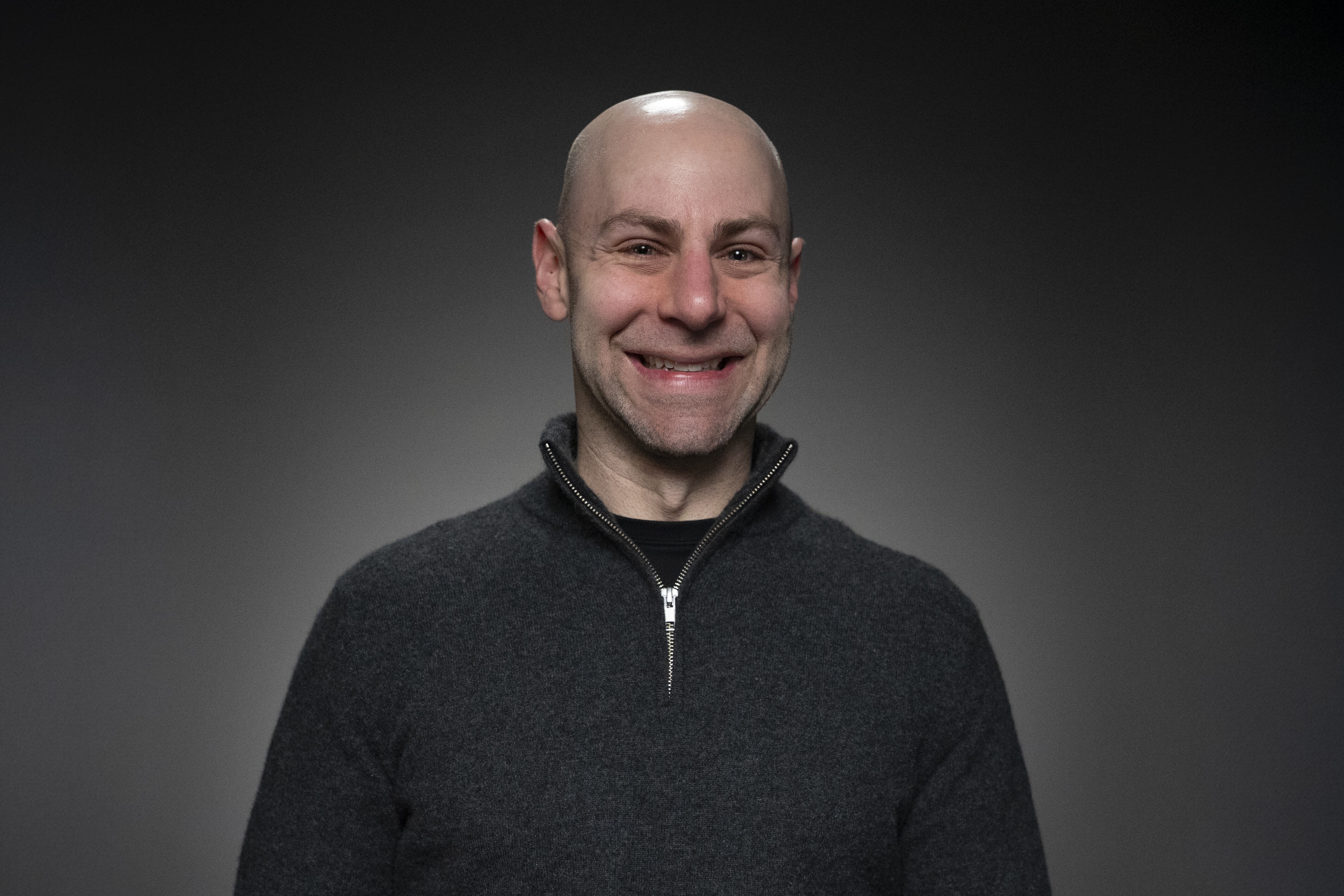
Adam Grant, best-selling author and organizational psychologist at the Wharton School of the University of Pennsylvania: “One of my biggest hopes is that we change what we value in leadership. There's a cluster of personality traits called the dark triad. They are narcissism, Machiavellianism and psychopathy. And this is the exact opposite of what we should be looking for in leadership. Great leaders put their mission above their ego, not their ego ahead of their mission. And whether we talk about servant leadership, or some of the work that I've done on elevating givers over takers, or valuing humility as opposed to arrogance – I think I would love to see that tide turn in 2026. For boards of directors, when it comes to choosing CEOs, voters, when it comes to electing politicians, to put their foot down and say, character matters as much as competence and charisma. If you are not willing to put the best interests of the collective above yourself, you are unfit to lead.”
What will be your response if the unthinkable happens?
Kristalina Georgieva, Managing Director of the International Monetary Fund: “I train my staff to think of the unthinkable. We run scenarios of things that are very low probability, but high impact. And I think asking yourself how to operate in a condition of uncertainty, how to navigate when the funk is very thick. How do you work with others? Because maybe somebody else has a flashlight that can help you go through the fog. Cultivating speed of response and that sense of ‘together we are more resilient’ is what I would strongly advocate for.”
License and Republishing
World Economic Forum articles may be republished in accordance with the Creative Commons Attribution-NonCommercial-NoDerivatives 4.0 International Public License, and in accordance with our Terms of Use.
The views expressed in this article are those of the author alone and not the World Economic Forum.
Contents
Are you focused on the long term?Are you thinking ‘outside in’?Have you built resilience?Will we democratize AI?How quickly will we get to autonomous work?Am I focused on the biggest challenge?Is this what I want?Where am I conflating momentum with what’s meaningful?Are you putting the collective before the individual?What will be your response if the unthinkable happens?
Forum Stories newsletter
Bringing you weekly curated insights and analysis on the global issues that matter.
More on LeadershipSee all

Francisco Betti
March 20, 2026


