EPA sued over rollback of endangerment finding, and other climate and nature news
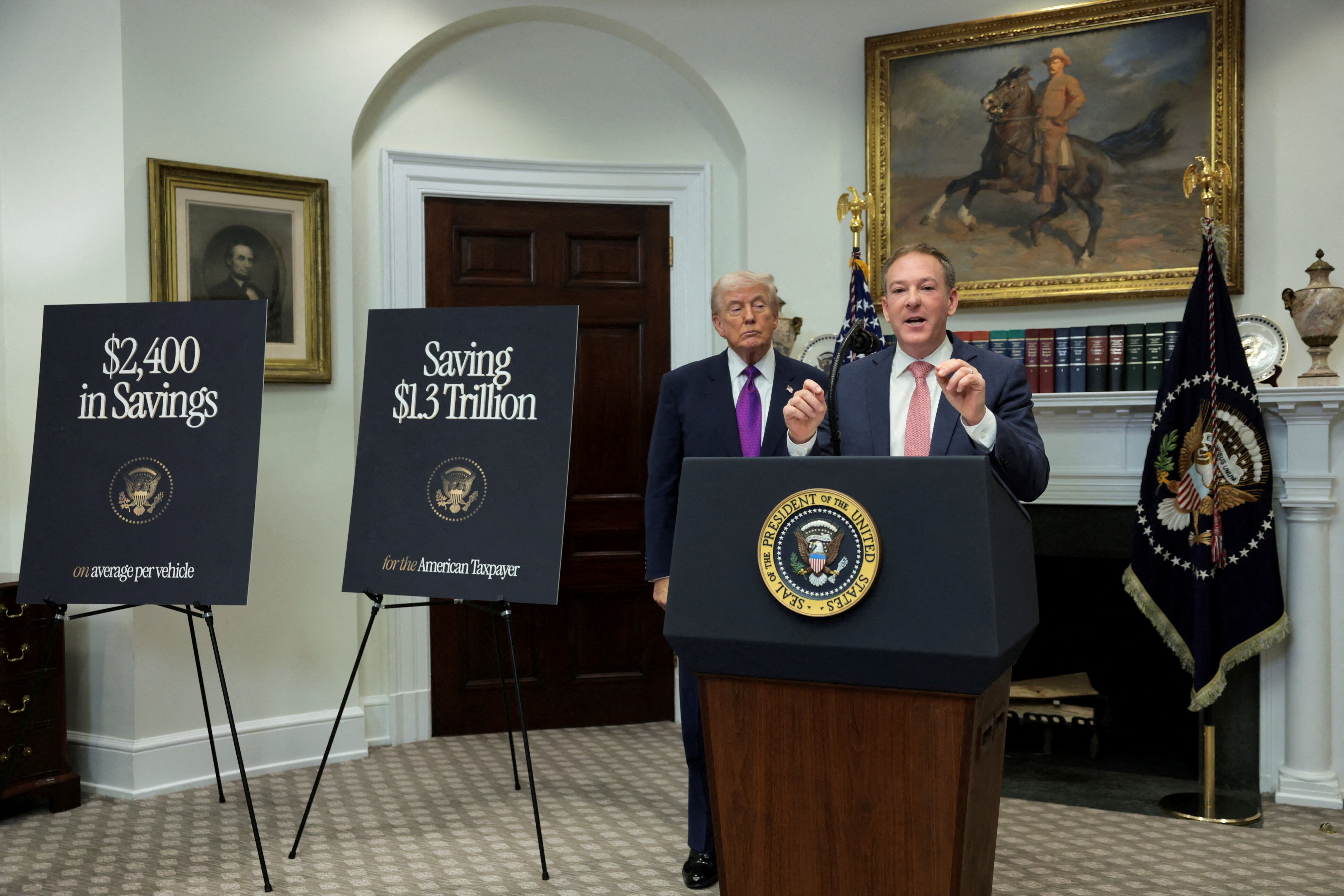
This round-up contains the key nature and climate news from the past fortnight. Image: REUTERS/Jonathan Ernst/File Photo
- This round-up contains the key nature and climate news from the past fortnight.
- Top nature and climate news: EPA sued over repeal of endangerment finding; Amazon deforestation continues to drop; Historic reintroduction of giant tortoises.
1. Environmental groups sue the EPA over repeal of landmark climate finding
Earlier this month, the Trump administration revoked a key scientific finding, known as the 'endangerment finding', from the Environmental Protection Agency (EPA) that served as the basis in the US for regulating greenhouse gas emissions and regulating climate change.

In response, environmental and public health organizations have sued the EPA, arguing that the decision to revoke the finding contradicts established science and legal precedent.
"The EPA’s repeal of the endangerment finding and safeguards to limit vehicle emissions marks a complete dereliction of the agency’s mission to protect people's health and its legal obligation under the Clean Air Act", said Dr. Gretchen Goldman, president and CEO at the Union of Concerned Scientists and a member of the coalition suing the EPA.
Meanwhile, the US administration says the move restores proper limits on EPA authority and reduces regulatory overreach.
The EPA has also rolled back 2024 limits on mercury and other toxic emissions from coal plants, citing cost savings and energy needs, while environmental groups warn the move endangers public health.
2. Amazon deforestation continues to decline, Brazil says
Near-real-time satellite alerts show Amazon deforestation in Brazil continuing to decline into early 2026, with August 2025 to January 2026 clearing falling to 1,325 square kilometers, down from 2,050 square kilometers during the same period a year earlier. This marks the lowest recorded figures for that period since 2014.
These figures come from INPE’s DETER system, which uses near-real-time satellite imagery primarily to guide enforcement. These findings have been corroborated by other platforms.
Brazil's Environment Minister, Marina Silva, credits strengthened enforcement, municipal cooperation and federal programmes like the Union with Municipalities and Amazon Fund support, noting that 70 of 81 high-deforestation municipalities are now committed to curbing illegal clearing.
Silva is hopeful that this trend will continue: "There is an expectation that we will reach, in 2026, the lowest deforestation rate in the historical series in the Amazon if we continue with these efforts".
3. News in brief: Other top nature and climate stories
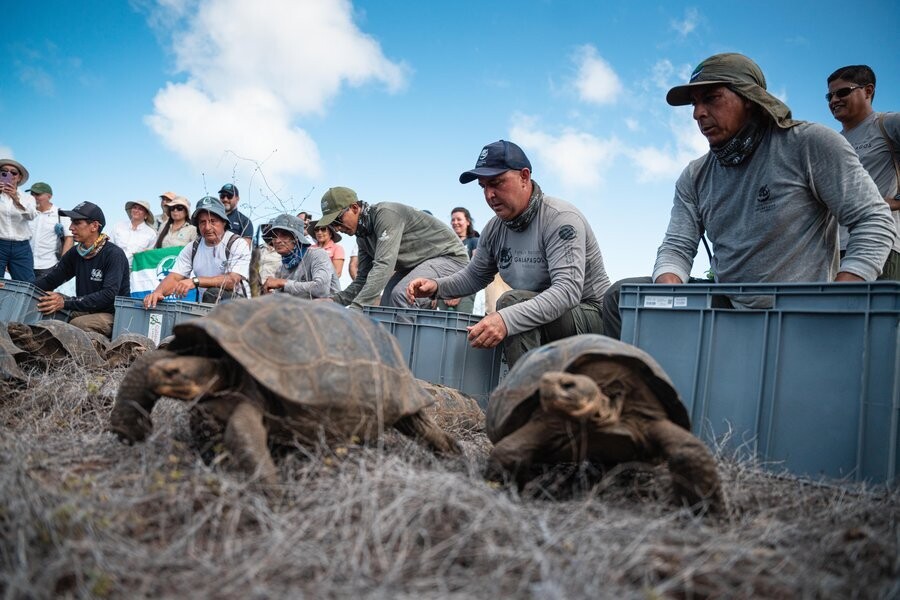
Giant tortoise reintroduced: For the first time in over 180 years, Floreana Island’s giant tortoises have been reintroduced, restoring a keystone species whose grazing habitats and seed dispersal abilities help revive ecosystems, native wildlife and community livelihoods. After being driven to extinction in the mid-1800s, 158 juvenile giant tortoises of Floreana lineage are now back on the island.
Coffee farms struggle under heat: Rising temperatures are making coffee-growing regions dangerously hot, with the top-five producing countries experiencing an average of 57 additional coffee-harming days per year, threatening livelihoods, global supply and the prized arabica bean’s survival amid insufficient climate adaptation funding.
Increase in hot, dry days for wildfires: The number of hot, dry and windy days ideal for wildfires has nearly tripled over 45 years, with human-induced climate change driving over half the increase, creating overlapping fire seasons and overwhelming global firefighting resources.
US storm cuts power to over 500,000: A severe winter storm hit the US North-East, leaving homes and businesses without power across multiple states, disrupting travel and prompting warnings of heavy snow, strong winds and hazardous road conditions, Reuters reports.
Deer shooting to be facilitated in England to protect woodlands: The UK government plans to enact legislation allowing landowners and tenants to cull overpopulated deer, especially invasive species, to protect woodland ecosystems and support venison markets, The Guardian reports.
EU rules on the destruction of unsold clothes and shoes. The European Commission adopted new measures in February under the Ecodesign for Sustainable Products Regulation (ESPR) to prevent the destruction of unsold apparel, clothing, accessories and footwear. The rules can prevent waste while helping to create a more level playing field for firms that are embracing circular principles.
UNFCCC Climate Weeks announced. The UN agency tasked with global climate response announced this year's Climate Weeks will be held in Korea and Azerbaijan. Said UN Climate Change Executive Secretary Simon Stiell: “With COP30 in Belém marking a new era of implementation, our 2026 Climate Weeks will help to show what real-world implementation of pledges and COP outcomes can look like in practice, and how it can deliver vast benefits to governments, businesses, communities and people on a major scale."
4. More on the nature and climate crisis from Forum Stories
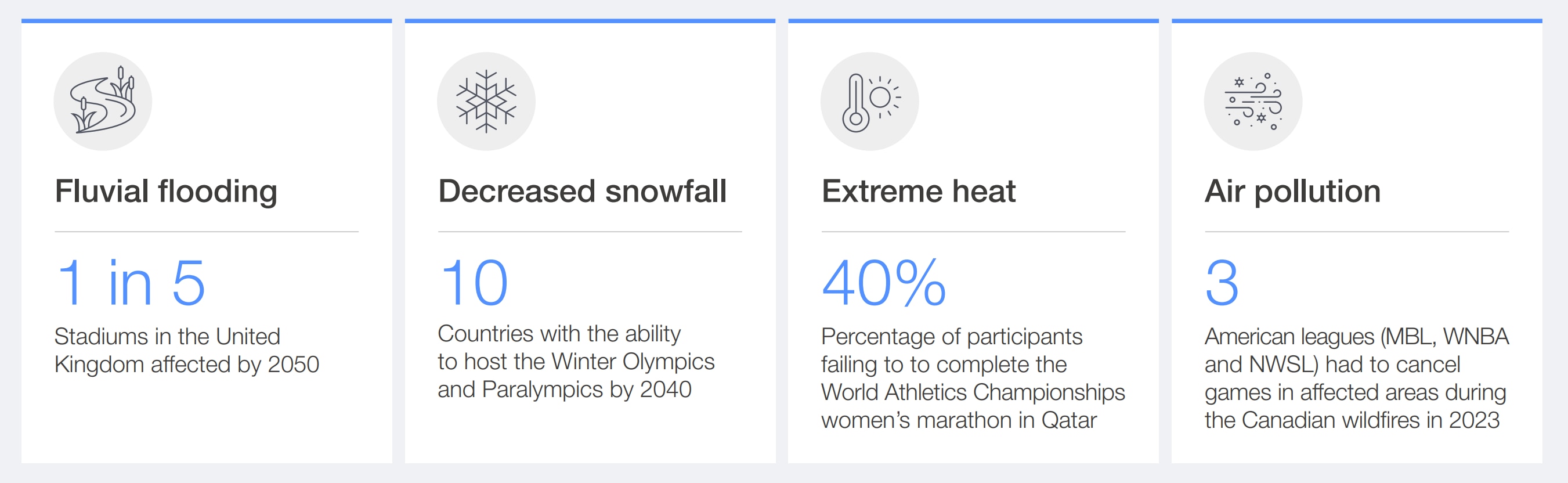
How the Winter Olympics are adapting to climate change: The Winter Olympics in northern Italy came to an end last weekend. They took place against a global backdrop of climate change and disruption to typical weather patterns. A January 2026 Forum report Sports for People and Planet warns that a dwindling number of countries will be able to host the Games in future due to changing conditions. This article explores how sporting competitions like the Winter Olympics are changing with the weather.
Are rising carbon prices a sign of success - or a warning? Rising carbon prices in the European Union Emissions Trading System reflect tighter permit supply and stronger climate ambition, signalling that regulated carbon markets can drive emissions reductions and accelerate decarbonization across the economy. Stable and predictable carbon prices are essential for long-term investment decisions, while excessive volatility or price spikes could undermine confidence, discourage climate investment and weaken political support for carbon pricing. Find out more about shifting carbon prices in this explainer.
Why water is central to climate resilience in South-East Asia: Water-related climate disasters in South-East Asia are causing billions in damage each year. Climate adaptation and resilience represent a trillion-dollar annual investment opportunity by 2050, yet around 90% of current financing still comes from governments and development banks rather than private investors. If the private sector is to get on board, we need clearer incentives, better risk data and more investment-ready projects, supported by public-private collaboration. Find out why investing early in water resilience can help businesses reduce climate risks in this article.
License and Republishing
World Economic Forum articles may be republished in accordance with the Creative Commons Attribution-NonCommercial-NoDerivatives 4.0 International Public License, and in accordance with our Terms of Use.
The views expressed in this article are those of the author alone and not the World Economic Forum.
Related topics:

Forum Stories newsletter
Bringing you weekly curated insights and analysis on the global issues that matter.
More on Climate Action and Waste Reduction See all

Temidayo Akenroye and Hushneara Begum
April 10, 2026


