This is how the transport industry can harness AI for decarbonization
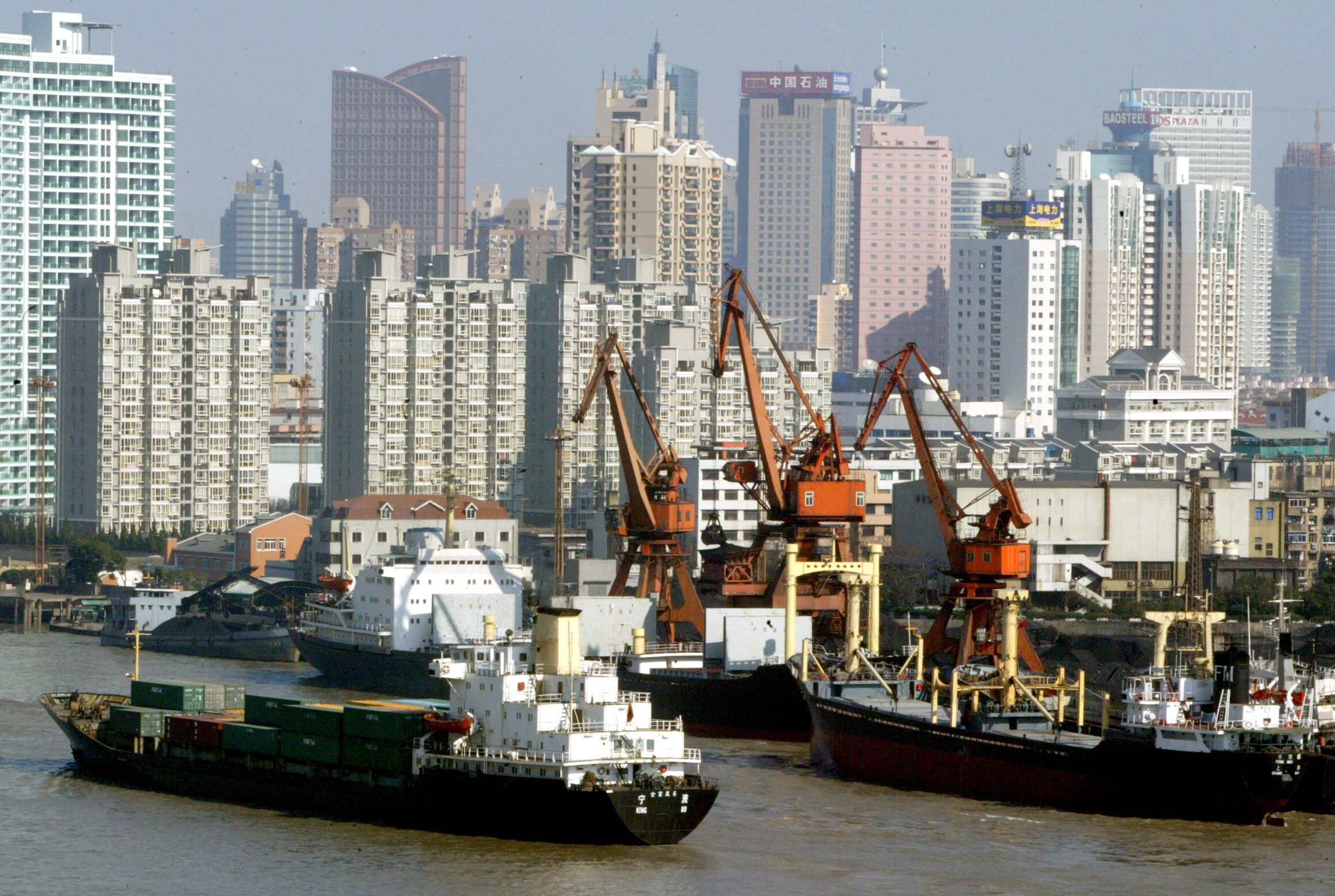
Coherent governance is critical to achieve ambitious decarbonization targets Image: REUTERS/Claro Cortes IV CC/CP also see GF1DWCLQFXAA
- The transport sector is responsible for both significant economic growth and up to a quarter of all greenhouse gas emissions.
- Artificial intelligence can reduce transport sector emissions through scalable solutions, much quicker than traditional approaches.
- Coherent governance is critical to help scale solutions and achieve ambitious decarbonization targets.
The global transport sector stands at a pivotal crossroads. Responsible for 16-25% of global greenhouse gas (GHG) emissions, it plays a critical role in both economic growth and climate impact. Freight logistics alone – moving goods by road, sea, air and rail – accounts for nearly half of the sector’s emissions, contributing 7-8% globally.
Artificial intelligence (AI) has emerged as a powerful catalyst for decarbonization, capable of improving operational efficiency and reducing emissions today, not years from now. However, without robust, equitable governance, its potential risks being diluted by fragmentation, inefficiency and inequity.
Innovation thrives within clear rules. Just as rules transform a simple ball into an engaging sport, thoughtful governance converts AI from a promising technology into a powerful tool that benefits all. Aligning AI-driven business models in the real economy with supportive, climate-conscious regulation is essential for sustainable, inclusive growth.
3 levers driving decarbonization with AI in transport
The white paper on transport and AI – Intelligent Transport, Greener Future: AI as a Catalyst to Decarbonize Global Logistics – outlines how the technology can reduce transport emissions by up to 15% through enhanced efficiency.
Three key levers stand out:
1. Route optimization
AI algorithms can analyze real-time data – including traffic patterns, weather conditions and delivery schedules – to identify the most fuel-efficient routes for road, air and maritime freight.
This reduces unnecessary mileage and idle times, translating directly into lower emissions. For example, UPS’s ORION system saves 10 million gallons of fuel annually by optimizing delivery routes with AI.
2. Capacity utilization
AI enables smart load planning for ships, trains and trucks, ensuring vehicles travel closer to full capacity and minimizing empty trips. A major airline’s cargo division, for instance, increased load capacity by 8% through AI-based demand and capacity management during a 12-week pilot programme.
3. Modal shifts and predictive analytics
AI-driven logistics planning can shift freight from higher-emission modes (such as trucking) to lower-emission options (such as rail or sea). Predictive analytics also helps forecast demand fluctuations and disruptions, enabling proactive adjustments to smooth operations, thereby saving money and minimizing wasted resources.
For example, DHL’s multimodal solution optimizing trucking operations between Spain and Germany with existing train routes reduced costs by 13% and emissions by 58% per tonne-kilometre per trip.
Underutilized technology across private sector and government
While the logistics industry increasingly recognizes the potential of AI to create value and support climate objectives, its use remains largely underleveraged. According to Eurostat, only 3.72% of EU enterprises used AI technologies for logistics in 2024.
This growing momentum is not limited to the private sector. Governments are also acknowledging the benefits of AI for the transport sector.
However, increased uptake must go hand in hand with robust governance to enable scalable and responsible deployment. In their recent recommendations, the 69-member governments of the International Transport Forum (ITF) emphasized the importance of adopting a governance framework that ensures AI data security, accuracy and privacy.
- Ethical principles: Ensure AI systems operate transparently, fairly and without bias, particularly in decisions affecting safety and resource allocation.
- Data governance: Establish clear standards for data collection, sharing and protection, balancing innovation with privacy and security.
- Accountability and oversight: Define responsibility and provide mechanisms for human oversight, ensuring decisions can be audited and corrected.
- Capacity building: Equip transport authorities and stakeholders with the skills and tools needed to manage AI systems effectively.
Applying these principles to the operational insights from the white paper is essential. Without clear data-sharing agreements and ethical guidelines, trust and collaboration may falter, hindering the scale-up of AI-powered solutions.
Charting a responsible path forward
Achieving net-zero emissions in transport requires an integrated approach. Combining cleaner fuels, electrification and new vehicle technologies with AI-driven efficiencies underpinned by sound governance offers the best chance to meet ambitious climate-aligned growth targets.
Practical next steps include:
- Fostering multi-stakeholder collaboration: Policymakers, industry and civil society must collaborate to co-create interoperable standards for data and AI ethics, leveraging multi-stakeholder platforms to build consensus that also protects the public interest.
- Investing in capacity and infrastructure: Governments and transport authorities should prioritize upskilling programmes and AI infrastructure to ensure readiness for large-scale deployment. For example, equipping regulators with technical expertise will improve oversight and adaptive governance.
- Piloting responsible AI applications: Targeted pilot projects that integrate AI-powered route optimization, capacity management and modal shift planning within clear governance protocols can demonstrate value and build momentum for broader adoption.
- Monitoring and continuous improvement: Continuous monitoring and feedback loops enable ongoing improvement of AI systems and governance frameworks.
By weaving together technology, policy and real economy business models, we can build smarter transport systems that are also responsible, inclusive, earn the public’s trust and serve the planet’s needs.
Don't miss any update on this topic
Create a free account and access your personalized content collection with our latest publications and analyses.
License and Republishing
World Economic Forum articles may be republished in accordance with the Creative Commons Attribution-NonCommercial-NoDerivatives 4.0 International Public License, and in accordance with our Terms of Use.
The views expressed in this article are those of the author alone and not the World Economic Forum.
Stay up to date:
Artificial Intelligence
Related topics:


Forum Stories newsletter
Bringing you weekly curated insights and analysis on the global issues that matter.
More on Climate Action and Waste Reduction See all

Kanni Wignaraja, Marc-André Franche and Azusa Kubota
March 20, 2026