These images show wildlife at its most beautiful – and vulnerable
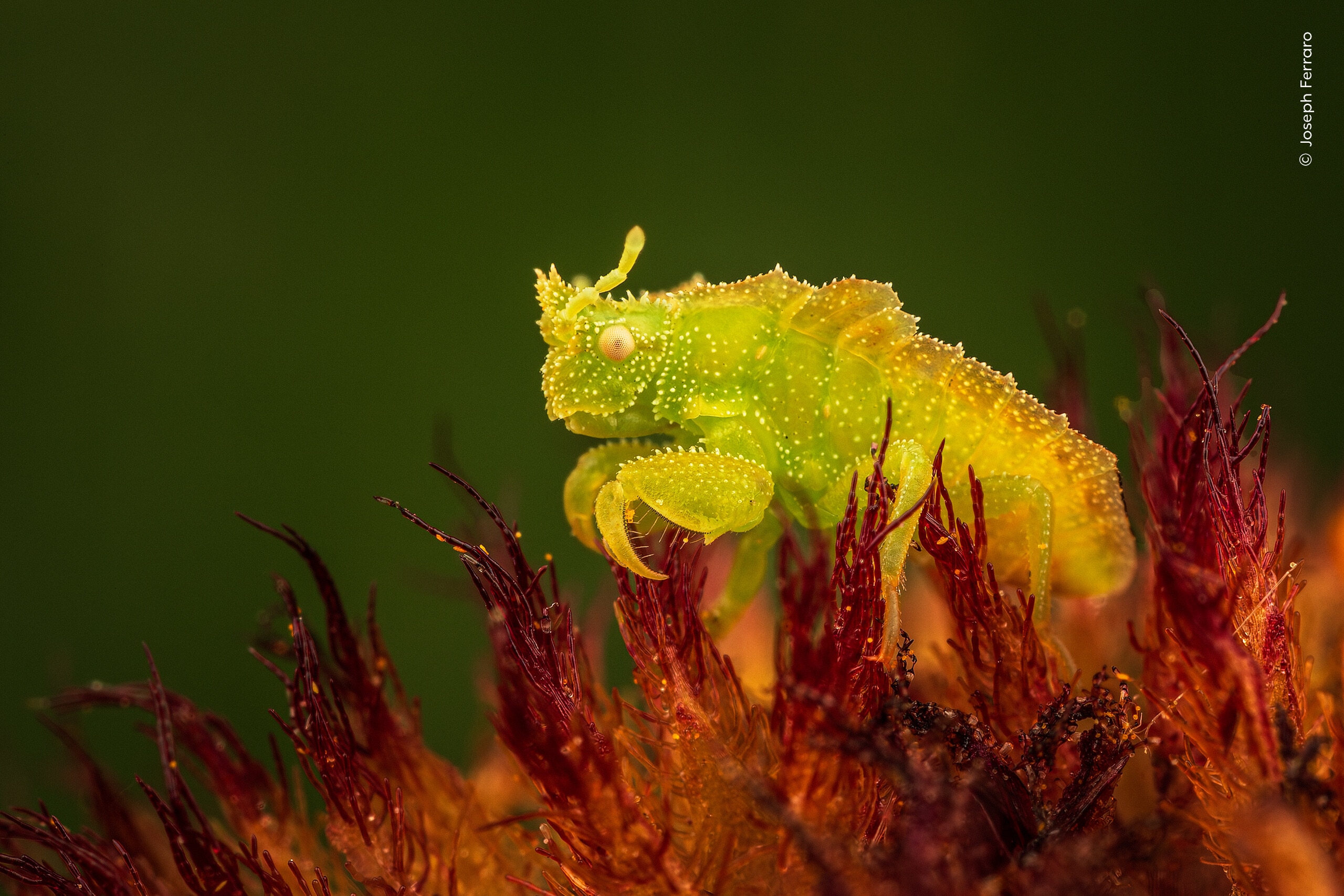
The Wildlife Photographer of the Year competition highlights nature's wonders and vulnerabilities. Image: Joseph Ferraro, Wildlife Photographer of the Year
- Images from the Wildlife Photographer of the Year competition focus attention on the natural world.
- Wildlife populations have dropped by nearly three-quarters since 1970, so raising awareness is vital.
- Raising capital is too, with the Forum estimating that the private sector needs to invest $1.2 trillion annually to halt and reverse nature loss.
It can be hard to put a face to the abstract statistics surrounding biodiversity and nature loss.
For example, WWF's Living Planet Report 2024 found that the average size of wildlife populations has dropped by nearly three-quarters since 1970. It's a shocking number, but at the same time it is hard to truly grasp its import.
Photographs of animals great and small can be among the most striking reminders of what we stand to lose if nature loss continues at current rates. With seven out of nine planetary boundaries now breached, and the World Economic Forum estimating that the private sector alone will need to invest $1.2 trillion annually to halt and reverse nature loss, these reminders are timely.
Each year, the Wildlife Photographer of the Year award receives more than 60,000 entries. A panel of judges selects the 100 top images for display at the Natural History Museum in London, with 16 winners chosen in various categories. The judges also select 24 images for the public to vote on. The winner will be included in the Wildlife Photographer of the Year exhibition. Here’s a snapshot of some of those chosen for the Nuveen People's Choice Award 2026.
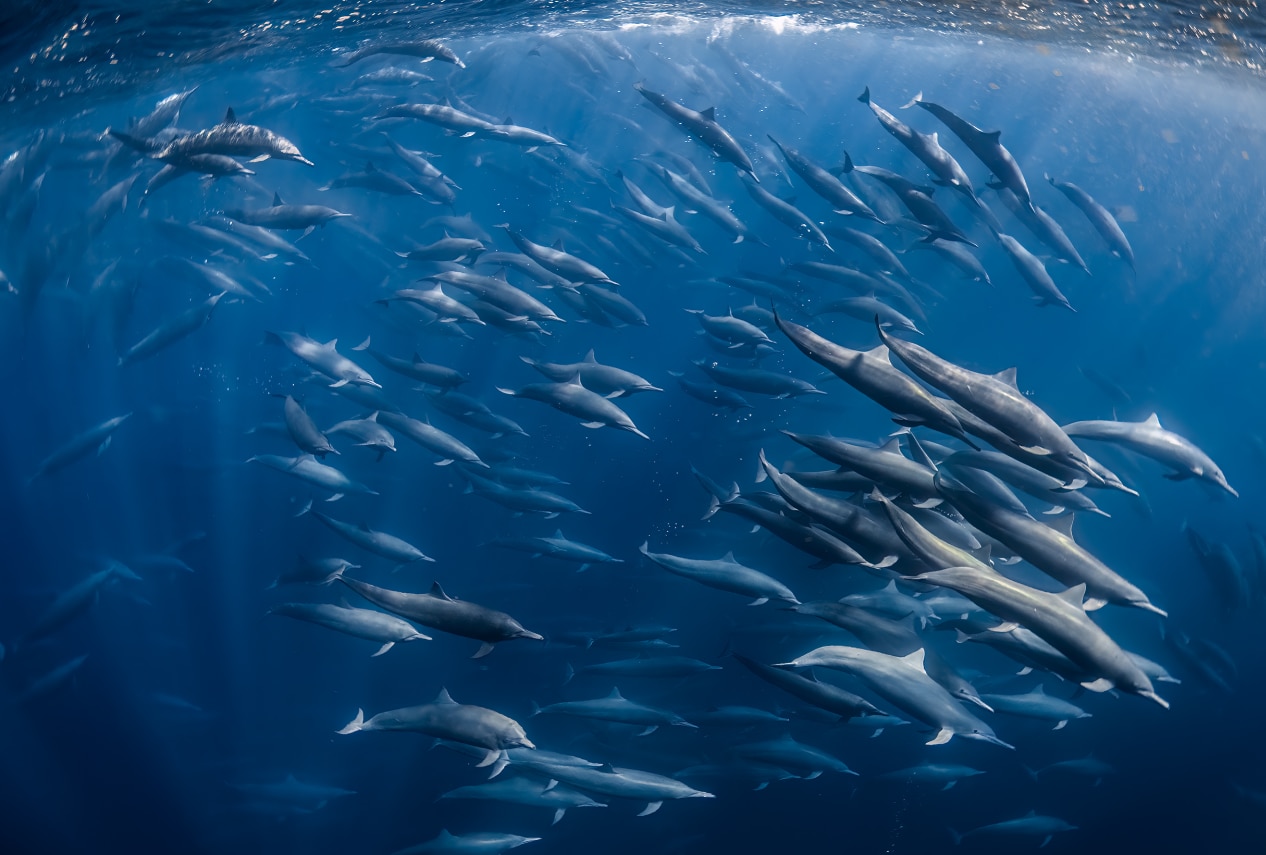
Swirling superpod
In this picture, captured off the coast of Costa Rica, a pod of spinner dolphins herds lanternfish towards the surface.
The ocean plays a major role in the global economy, carrying some 80% of global trade, and ocean-based industries are expected to be worth $3 trillion every year by the end of the decade. More than 3 billion people depend on seafood as a significant source of protein, and international communications depend on submarine fibre-optic cables.
But from sea level rise to warming temperatures, the ocean is facing the consequences of the climate crisis.
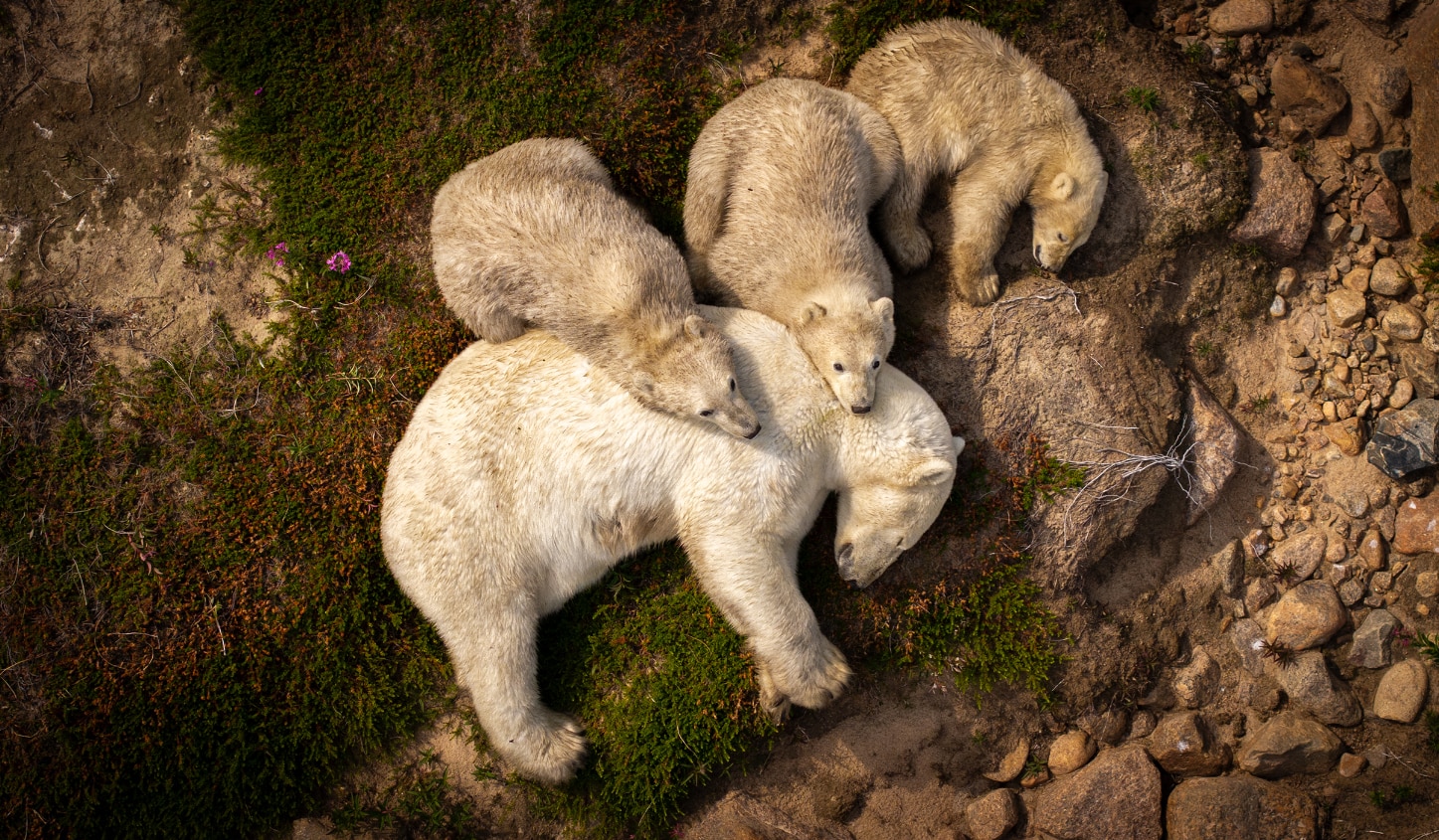
A polar bear pause
Here, a polar bear mother rests with her two cubs during the summertime warmth. However, with shrinking sea ice, polar bears are finding it harder to find food.
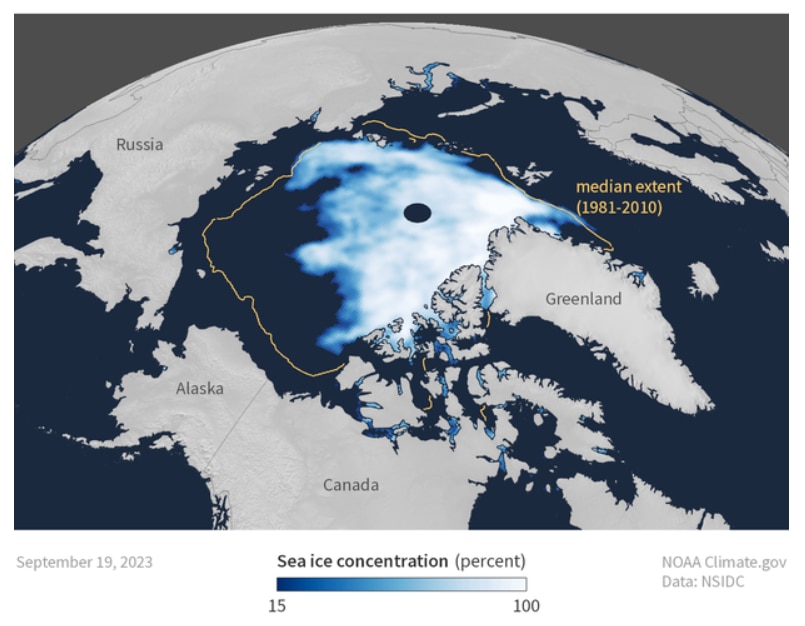
As the image above from the National Oceanic and Atmospheric Administration shows, Arctic summer sea ice is in decline compared to historic levels. The WWF warns that this sea ice loss is likely to have serious consequences for polar bear populations. Numbers globally are forecast to fall by 30% come mid-century.
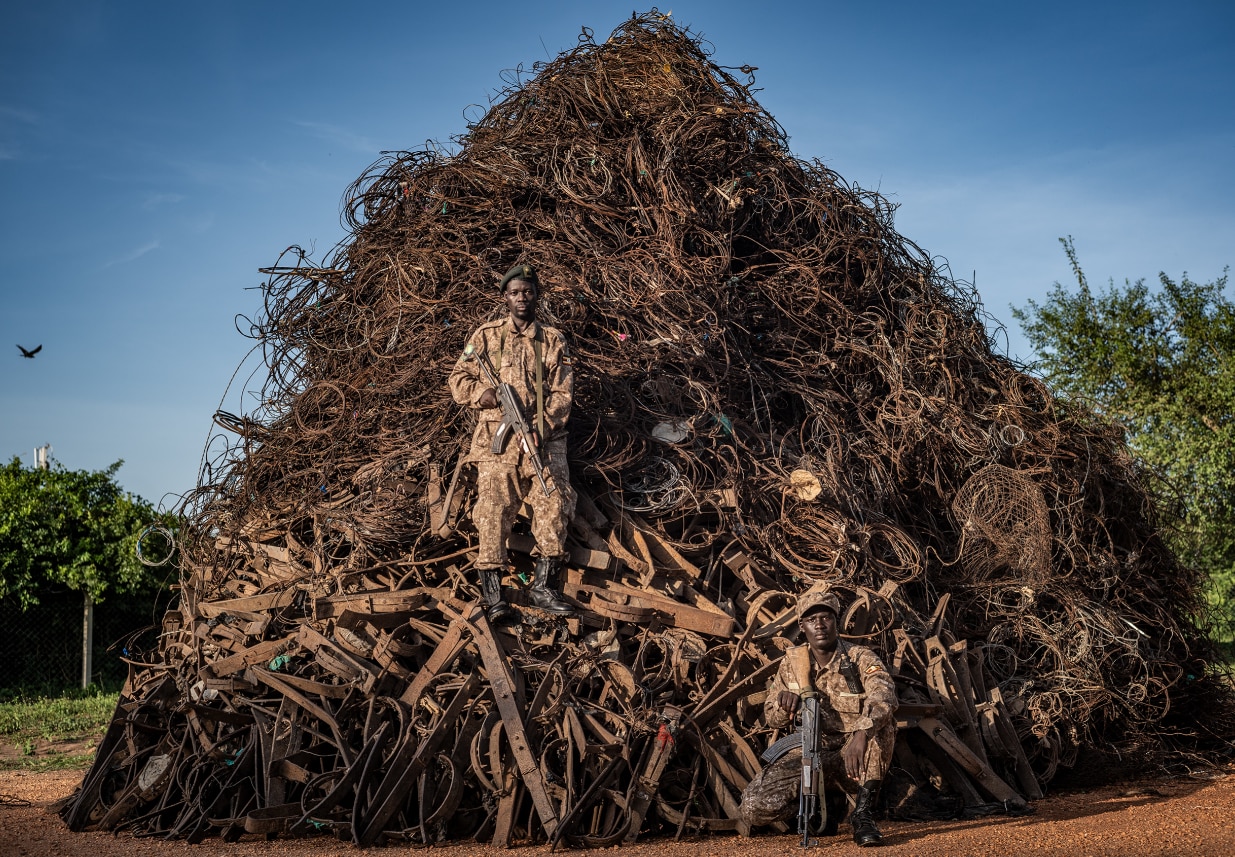
A portrait of poaching
These snares were confiscated in just one year in Murchison Falls National Park in Uganda. The photographer, Adam Oswell, worked with local rangers and community volunteers to build the pile here, a task that took a week.
Snares are used by some local people to catch wildlife, because they need the income or food, but also by larger poaching syndicates.
A 2024 UN report warned of the persisting problem of wildlife trafficking affecting thousands of species, with INTERPOL estimating the illegal trade in wildlife to be worth $20 billion every year.
The world’s most poached animals last year were antelope, buffalo and rhino, according to the International Fund for Animal Welfare.
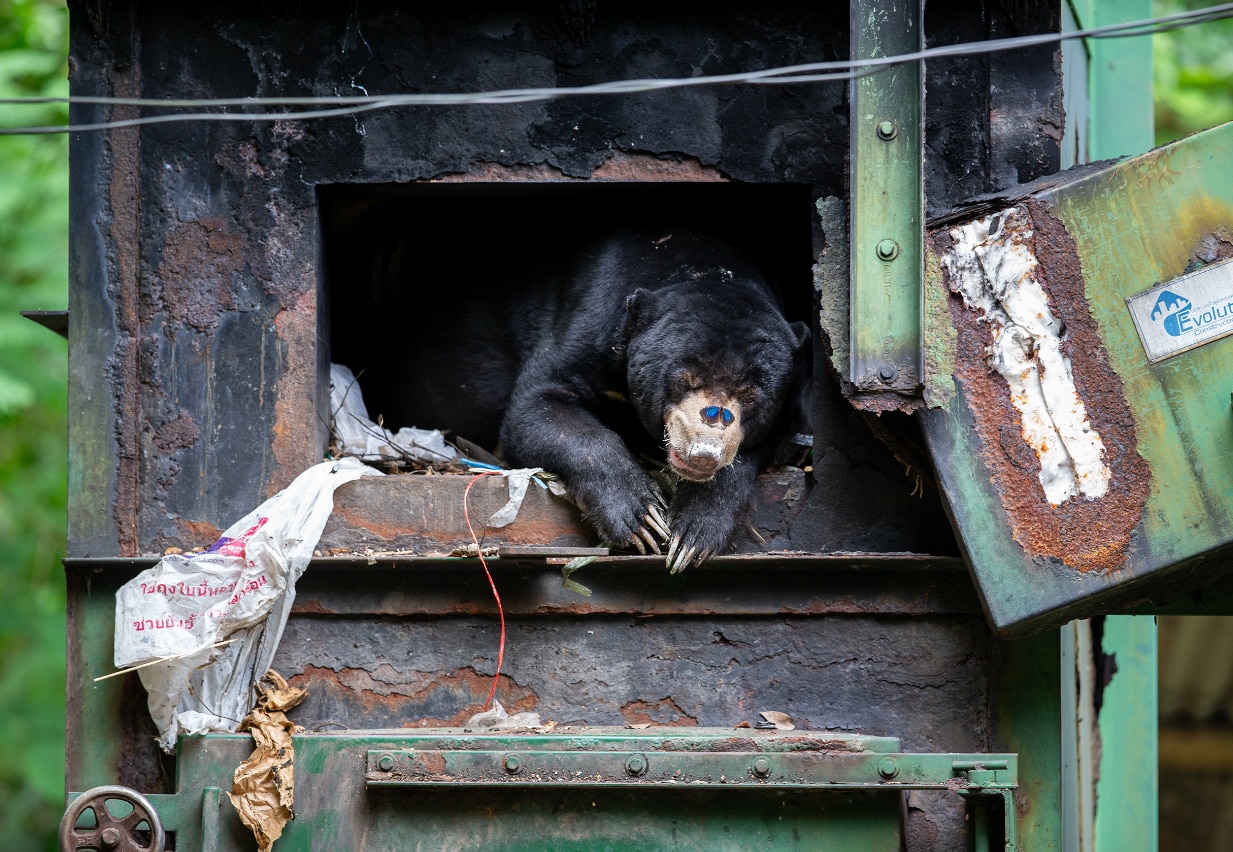
Bear with me
In a Thai national park, a sun bear dodges the rain in a furnace, with a butterfly resting on its snout.
Sun bears are increasingly visiting campsites, looking for an easy meal. But wild animals straying into human territory inevitably causes problems. Human-wildlife conflict has resulted in humans being killed, but also population loss of animal species, due to retaliatory or defensive killing.
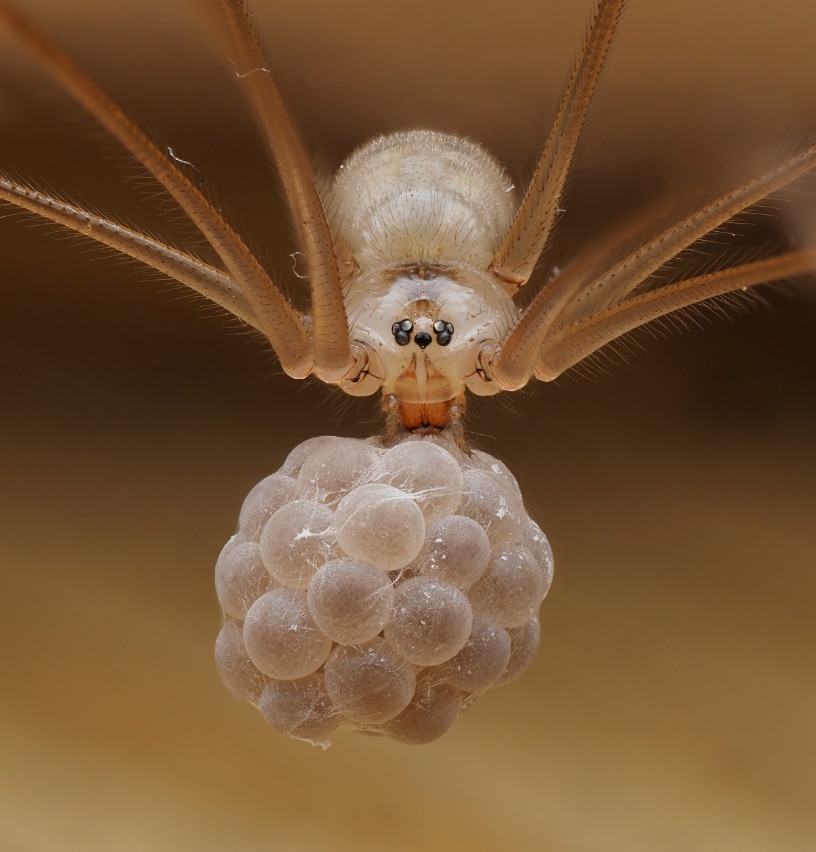
A spider spotted
This cellar spider, also known as a daddy long-legs, carries a ball of eggs in its mouth. While it’s often larger animals that become the face of conservation and protection efforts, smaller animals face the same habitat loss and changing climates.
Take insects, for example (separate, of course, from our arachnid friend in this picture). The US National Park Service says they represent some 90% of all life forms on Earth, with more than 1 million identified species of insects. But estimates suggest that over 40% of insect species are in decline, with a third endangered.
The role they play is irreplaceable, though. More than 75% of global crops are pollinated by insects, with one estimate putting a value of $577 billion every year on this service. The humble dung beetle is thought to be worth $380 million annually to the US cattle industry alone.
Taking action
These images show nature at its most beautiful - and its most vulnerable. And hopefully inspire an urge to protect and preserve.
The World Economic Forum continues to bring together stakeholders from across the public and private sectors to put ideas into action, with several initiatives aimed at tackling challenges related to nature and the climate crisis. Here are just a handful of them to explore:
- The Nature Positive Transitions initiative aims to accelerate the move to business models that restore nature, while boosting jobs and growth across sectors.
- The Tropical Forest Alliance is supporting the shift to deforestation-free production of commodities.
- The First Movers Coalition targets hard-to-abate sectors, using collective purchasing power to boost demand for low-carbon technologies.
- The Friends of Ocean Action group works to fast-track solutions to some of the most pressing issues facing the ocean.
The Wildlife Photographer of the Year People's Choice winner will be announced on 25 March, with the chosen image included in the competition exhibition, running at the Natural History Museum until 12 July.
License and Republishing
World Economic Forum articles may be republished in accordance with the Creative Commons Attribution-NonCommercial-NoDerivatives 4.0 International Public License, and in accordance with our Terms of Use.
The views expressed in this article are those of the author alone and not the World Economic Forum.

Forum Stories newsletter
Bringing you weekly curated insights and analysis on the global issues that matter.
More on Nature and BiodiversitySee all

Adriana Mata and Judith Ketelslegers
April 9, 2026


