International Women’s Day 2026: Leaders’ call to correct bias in women’s health research and funding
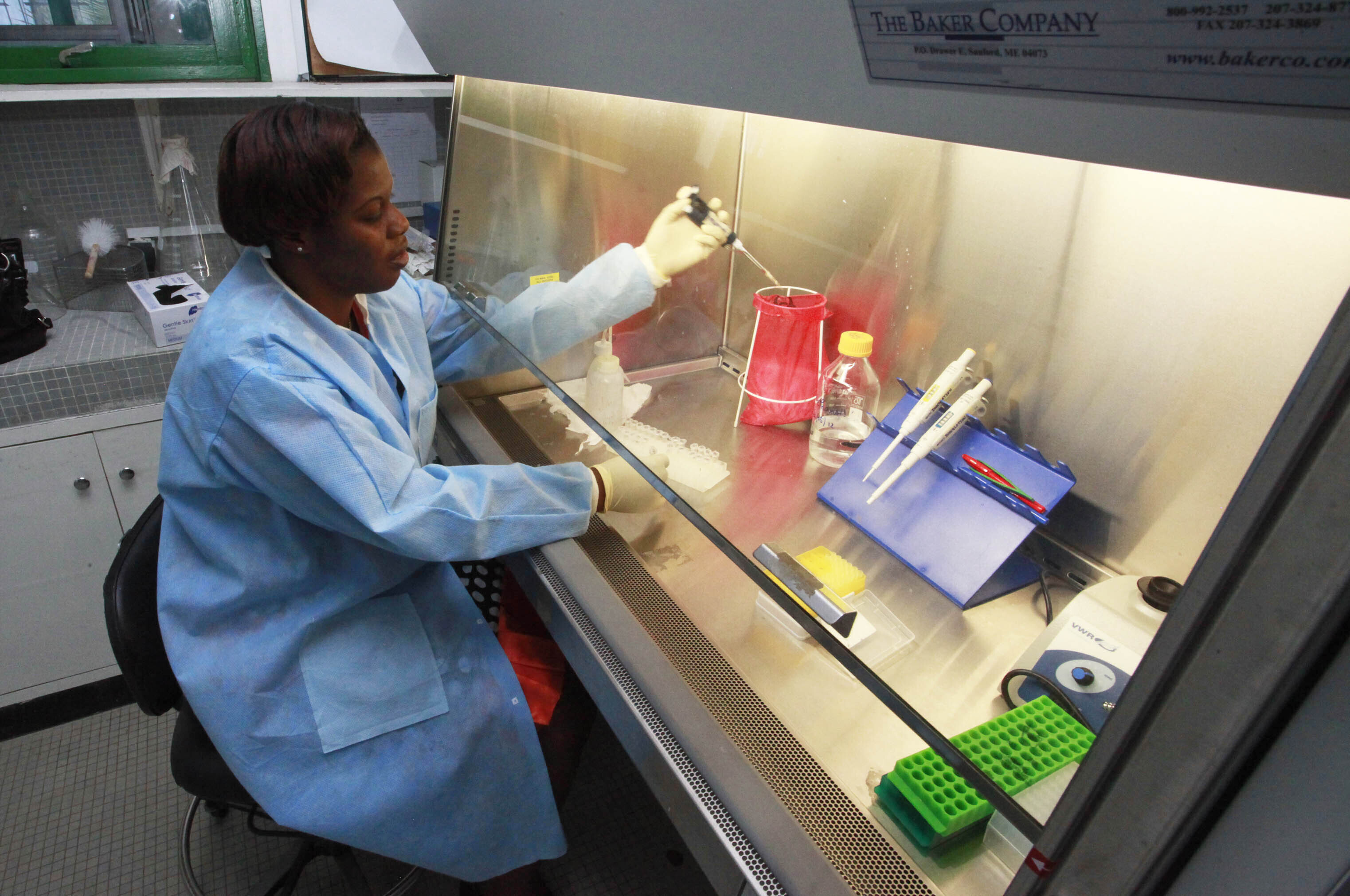
Women’s health research and funding accounts for less than 5% of the global pool. Image: REUTERS/Thierry Gouegnon
- Leaders from across sectors are using International Women’s Day 2026 to highlight that bias in women’s health research and funding.
- Women’s health represents an estimated $1 trillion opportunity, yet it receives only 6% of private healthcare investment, and very few clinical trials report sex-disaggregated results.
- Leaders stress that it will take multistakeholder effort to reshape incentives, improve accountability and accelerate equitable investment.
On International Women’s Day 2026, leaders across industry, philanthropy, policy, academia, health systems and finance are uniting with a shared message: bias in women’s health research and funding is systemic and its consequences extend far beyond the women’s health sector.
Even though evidence from the World Economic Forum shows that women’s health is a $1 trillion opportunity, it captures only 6% of private healthcare investment.
For decades, what gets studied, measured, funded and scaled in health has followed patterns that did not consistently prioritize women’s biological realities, lived experiences or economic contributions.
For instance, only around 5% of clinical trials report results disaggregated by sex- without sex-disaggregated reporting, evidence is incomplete and can undermine safety and effectiveness.
While awareness of these gaps has grown, structural incentives in research, capital allocation and policy decision-making continue to shape uneven outcomes.
This collection brings together perspectives from global leaders across sectors, from pharmaceutical research and health systems to consulting, philanthropy and investment.
They examine where blind spots remain, how funding models influence priorities and what must change to ensure women’s health is no longer treated as a niche category.
Correcting bias in women’s health is not the responsibility of any single actor. It requires coordinated action across industry, governments, investors, philanthropies, employers and care providers. The voices below reflect that multistakeholder imperative.
What global leaders say about bias in women’s health research
Fiona Marshall, President of Biomedical Research, Novartis
‘Emerging technologies can help address bias in research’

Meaningful patient representation at every stage of research and development, from preclinical research through clinical trials to post-marketing studies, is critical for preventing and correcting bias.
Women are often not adequately represented in research and clinical trials, even for conditions that disproportionately affect them, such as autoimmune disease. This can lead to gaps in understanding and ultimately, worse outcomes.
Structurally speaking, the widespread adoption of emerging technologies such as artificial intelligence offers an immense opportunity to address research bias by leveraging data at unprecedented scale, so long as the underlying data accurately capture sex-based differences and do not reinforce existing gaps.
This is one important way to better identify and dismantle barriers contributing to bias in drug discovery and clinical trials.
Sangita Reddy, Joint Managing Director, Apollo Hospitals
‘Closing women’s health gaps could add trillions to GDP’
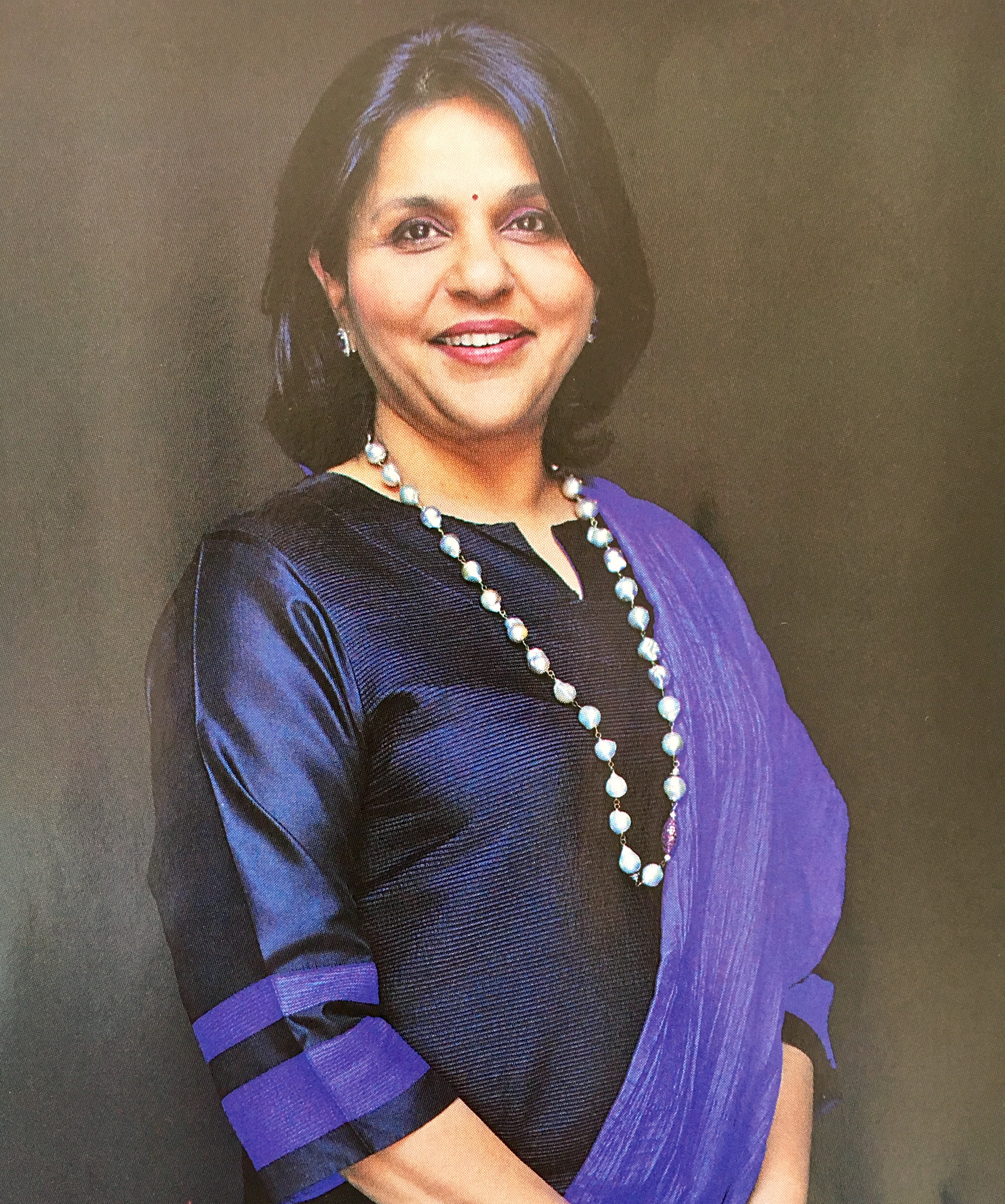
Women spend nearly 25% more of their lives in poor health, yet less than 5% of global health research funding is directed toward women-specific conditions beyond oncology.
Maternal mortality still claims a life every two minutes and non-communicable diseases account for over 65% of deaths among women globally – many preventable with early financing of primary and preventive care.
The most urgent gaps lie in gender-responsive budgeting, equitable insurance coverage, digital health access and sex-disaggregated data. If we are serious about rights, justice and action for all women and girls, women’s health must be financed not as welfare but as foundational economic infrastructure.
Closing women’s health gaps could add trillions to global gross domestic product over the next decade. Financing women’s health as core economic infrastructure through prevention, primary care and technology-enabled access is a high-return investment in inclusive growth, resilience and long-term economic stability.
Paula Bellostas Muguerza, Senior Partner Global Healthcare and Life Sciences Practice Leader, Kearney
‘Gendered research bias travels downstream’

Bias in research does not stay in the lab; it travels downstream into diagnosis, treatment and outcomes. When clinical trials underrepresent women, when data are not sex-disaggregated and when biological differences are treated as variables to control for rather than understand, the result is care pathways built around a default “reference man.”
That translates into delayed diagnoses, inappropriate dosing and poorer outcomes for women across conditions from cardiovascular disease to autoimmune disorders. Health systems must demand research that is representative by design, requires sex- and gender-specific analysis and links evidence generation to accountability.
This goes beyond equity and is about good science that will deliver the right outcomes for women worldwide.
Lucy Pérez, Senior Partner, McKinsey & Company; Global Leader, McKinsey Health Institute
‘It’s time we measured the impact of women’s health’

Women’s health remains underfunded not because the economic case is uncertain but because we have not treated it as economic infrastructure. What isn’t measured isn’t prioritized and for too long, assumptions around the prevalence of sex-based differences, data gaps and fragmented delivery models have made investment reactive rather than strategic.
That is beginning to shift. The Women’s Health Impact Tracker (WHIT) initiative is advancing transparency and accountability, and the World Economic Forum and McKinsey Health Institute’s Blueprint offers a clear path forward building on a strong business case: Count, study, care, include, invest.
The imperative now is execution at scale – translating evidence into sustained capital allocation, policy reform and delivery transformation that generate lasting economic and societal value. When we value women’s health as foundational to growth and more resilient economies, investment becomes not optional but inevitable.
Claus Runge, Chief Health Equity Officer, Bayer
‘We need a more holistic conception of women’s health’

Building innovation pipelines that meet women’s real-world needs demands collaboration across the entire ecosystem. No single actor can close the data and evidence gaps alone.
Industry must work with governments, global health institutions and patient communities to define priorities, generate robust evidence and ensure that the innovations we bring forward reflect the full spectrum of women’s health across the life course.
We also need a more holistic conception of women’s health, one that includes not only reproductive health but also the post-reproductive years, particularly peri-menopause and menopause.
Ng Boon Heong, Executive Director and Chief Executive Officer, Temasek Foundation
‘FemTech can address structural gaps in women’s health’

When women’s health is overlooked, families and societies pay the price. By strengthening maternal health and backing innovation, including Femtech solutions in partnership with UNICEF, we aim to address structural gaps that have persisted for too long. Catalytic philanthropy enables us to test, de-risk and scale what works.
Jacquelyn Caglia, Head, MSD for Mothers

‘We must reimagine traditional finance models’
Unlocking funding for maternal health in lower‑resource settings starts with recognizing that this is not a niche issue – maternal health complications are still two of the top five leading causes of premature death among women and care delivered around pregnancy and childbirth is a powerful entry point into lifelong engagement with the health system.
When we invest in maternal health, we are not only saving lives around pregnancy and childbirth; we are building a foundation for women’s health and well‑being across their entire lives.
To meet this moment, we must reimagine traditional financing models. That means embracing blended finance that brings together public, private and philanthropic capital to scale what we already know works.
Proven, low‑cost interventions exist today; the challenge is mobilizing coordinated, predictable funding to deliver them consistently and equitably.
Crucially, these investments must be rooted in community‑led solutions that elevate women’s voices.
By putting resources in the hands of local leaders and frontline providers – those who understand the realities of women and girls in their communities – we can strengthen health systems, build resilience and expand access to quality care so that no woman or girl is left behind.
How collective leadership can be a path forward
International Women’s Day offers an opportunity to recognize progress and confront structural gaps that remain. Women’s health is not a special interest category, it shapes families, workforce and economies, and it reflects the health of societies as a whole.
Correcting bias in women’s health research and funding demands coordinated action:
- Research institutions can examine incentive structures and representation.
- Industry can align innovation pipelines with real-world needs.
- Investors can evolve criteria to recognize long-term value.
- Philanthropy can catalyze underfunded areas.
- Governments can embed women’s health into economic and policy strategies.
- Health systems can demand better evidence and equitable delivery.
By bringing together diverse leadership voices, this collection reinforces a central truth: meaningful progress in women’s health will come not from isolated initiatives but from a multistakeholder community willing to reshape incentives, improve accountability and accelerate equitable investment.
On International Women’s Day 2026, the message is that correcting bias in women’s health research and funding is a strategic imperative as much as a moral one.
License and Republishing
World Economic Forum articles may be republished in accordance with the Creative Commons Attribution-NonCommercial-NoDerivatives 4.0 International Public License, and in accordance with our Terms of Use.
The views expressed in this article are those of the author alone and not the World Economic Forum.
Related topics:

Forum Stories newsletter
Bringing you weekly curated insights and analysis on the global issues that matter.
More on Health and Healthcare SystemsSee all

Ruma Bhargava and Megha Bhargava
March 6, 2026


