Stronger materials supply chains require a new form of global cooperation
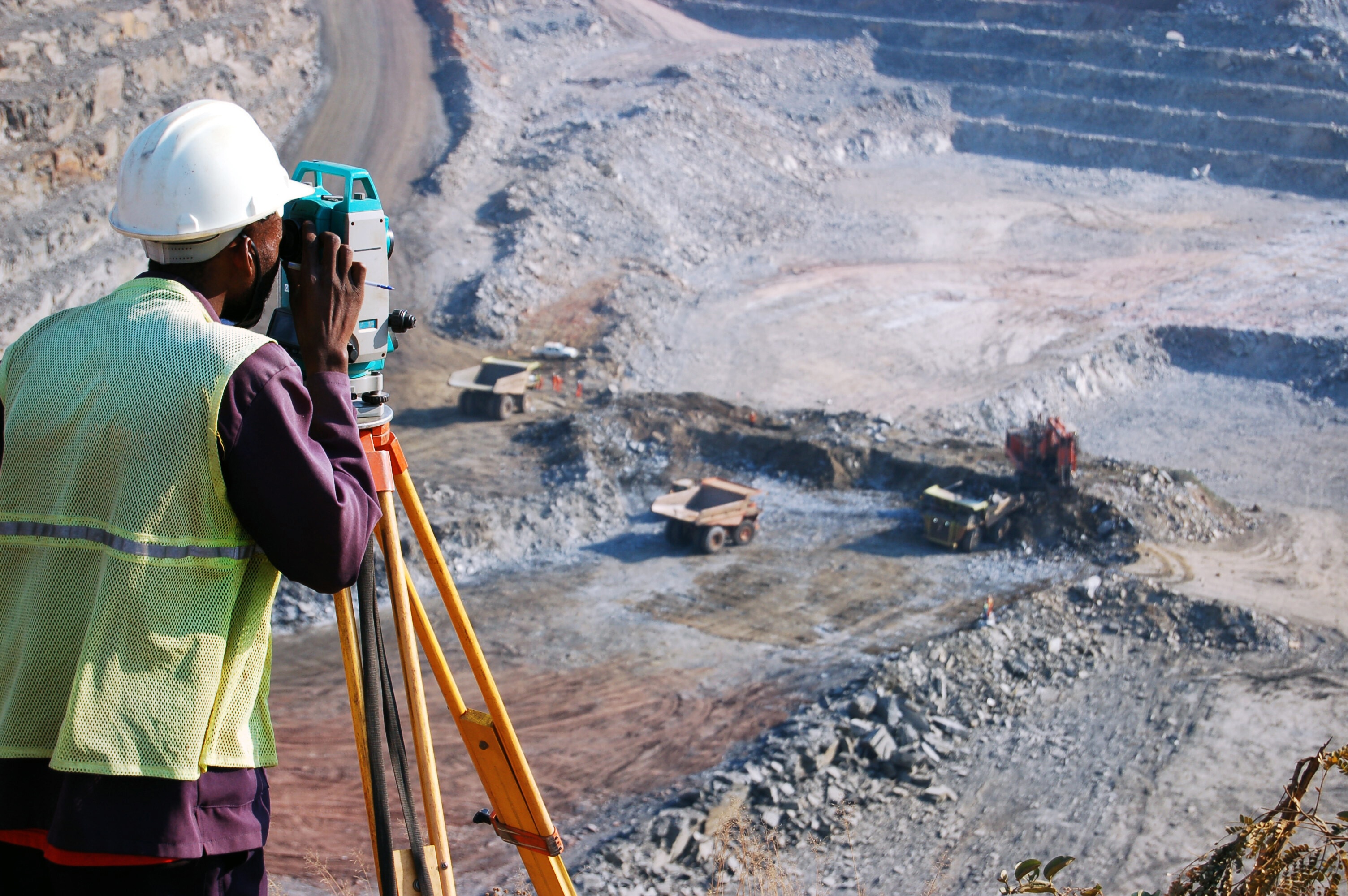
New forms of international cooperation are needed to drive progress and mitigate pressures on materials supply chains. Image: iStock/mabus13
- Materials supply chains are deeply interconnected, with extraction, processing, manufacturing, use and recovery spanning many countries.
- They also face growing systemic risks, including geopolitical tensions, surging demand and intensifying climate and nature risks
- Business-level strategies can't address these issues alone but new forms of international cooperation can help to build resilience.
Managing global materials supply chains is becoming more complex and contested. As geoeconomic tensions rise, countries and companies are racing to secure the minerals, metals and other materials needed for the technologies such as batteries, solar panels and data centres that are transforming the global economy. Surging demand and intensifying climate and nature risks are also placing unprecedented pressure on materials value chains.
Companies are adapting, but firm-level strategies alone are often insufficient to address such systemic risks, making international cooperation essential for supply chain resilience.
Strengthened international cooperation on materials is important or very important to long-term company success, according to nine out of 10 business leaders that participated in a recent World Economic Forum survey. The poll of 150 global business leaders across 15 industries and 12 countries also showed that eight out of 10 are willing to deepen engagement in international partnerships.
Existing multilateral agreements that regulate hazardous chemicals and waste, such as the Basel, Rotterdam and Stockholm Conventions, will continue to play an important role in mitigating global materials risks. However, with multilateralism weakening, as evidenced by the challenges faced in delivering a global plastics treaty, businesses need alternative forms of international cooperation to drive progress and mitigate these growing pressures.
A new World Economic Forum white paper, The Future of Materials Systems: Cooperation Opportunities in a Multipolar World, shows that interest-based “coalitions of the doing”, combined with a renewed coordinating role for intergovernmental organizations, can help drive action on common interests. This approach can deliver pragmatic outcomes for materials value chains, particularly in areas such as data traceability, international standards and market cooperation.
Global, interconnected and complex
Materials value chains are deeply interconnected, with extraction, processing, manufacturing, use and recovery spanning multiple geographies.
While businesses have long managed risks in these complex systems, the sources of vulnerability they are facing are multiplying. This includes concentrated supply and rising trade restrictions, alongside climate and nature-related risks. Surveyed business leaders have witnessed an intensification of these risks over the past three years and predict this trend will continue in the near future.
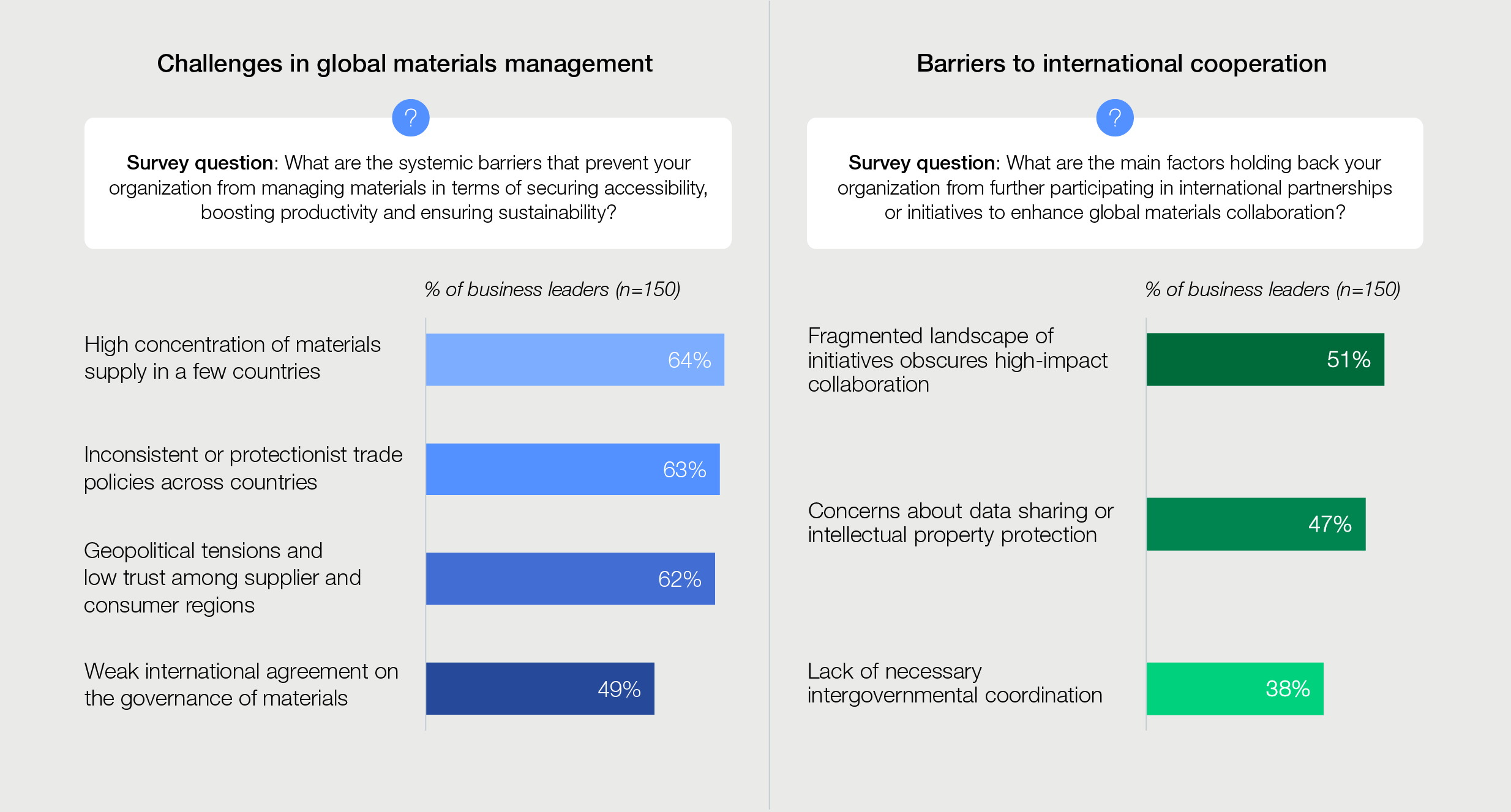
In fact, nearly two thirds of these business leaders cite the concentrated supply of materials in a limited number of countries, inconsistent or protectionist trade policies and geopolitical tensions between supplier and consumer regions as key challenges shaping materials management today.
In 2025, 227 import and export restrictions on critical minerals were enacted globally, a sharp increase from the previous year. In response, many countries are turning to stockpiling. In early February 2026, US President Donald Trump announced the creation of a $12 billion critical mineral reserve, designed to mitigate supply risks amid ongoing trade tensions with China, which mines around 70% of global rare earths and processes 90% of supply.
Accessibility risks are compounded with growing sustainability challenges. The share of business leaders identifying sustainability-related materials challenges as significant to their business success is projected to rise from 44% three years ago to 78% within the next three years.
Climate-driven extreme weather events are increasingly disrupting materials extraction, logistics, manufacturing and end use. Risk intelligence models indicate that roughly 25% of copper mining projects could face “high” or “very high” exposure to extreme precipitation by 2050, with many projects already experiencing disruptions.
In September 2025, following heavy rainfall that caused a severe mudslide at the world’s second-largest copper mine, Grasberg in Indonesia, the operator declared force majeure and shut operations for several months. The estimated supply losses will reach more than 500,000 tonnes through the end of 2026, or around 2.6 % of global mined production.
Together with other global strategic pressures, such disruptions contribute to record-high copper prices, heightened volatility and cost burdens across smelters, processors and end-use sectors, such as electricity infrastructure and data centres.
As pressures on materials systems intensify, companies are building structural agility into their supply chains. This will allow them to pivot fast in response to disruptions, without losing coherence. Actions include diversifying supplier bases, building strategic inventories, investing in recycling capacities and redesigning products to reduce material intensity or limit environmental impacts.
While these measures can mitigate some risk at the company level, shared vulnerabilities to supply concentration, volatility and systemic risk make broader international cooperation necessary.
More agile cooperation on supply chains
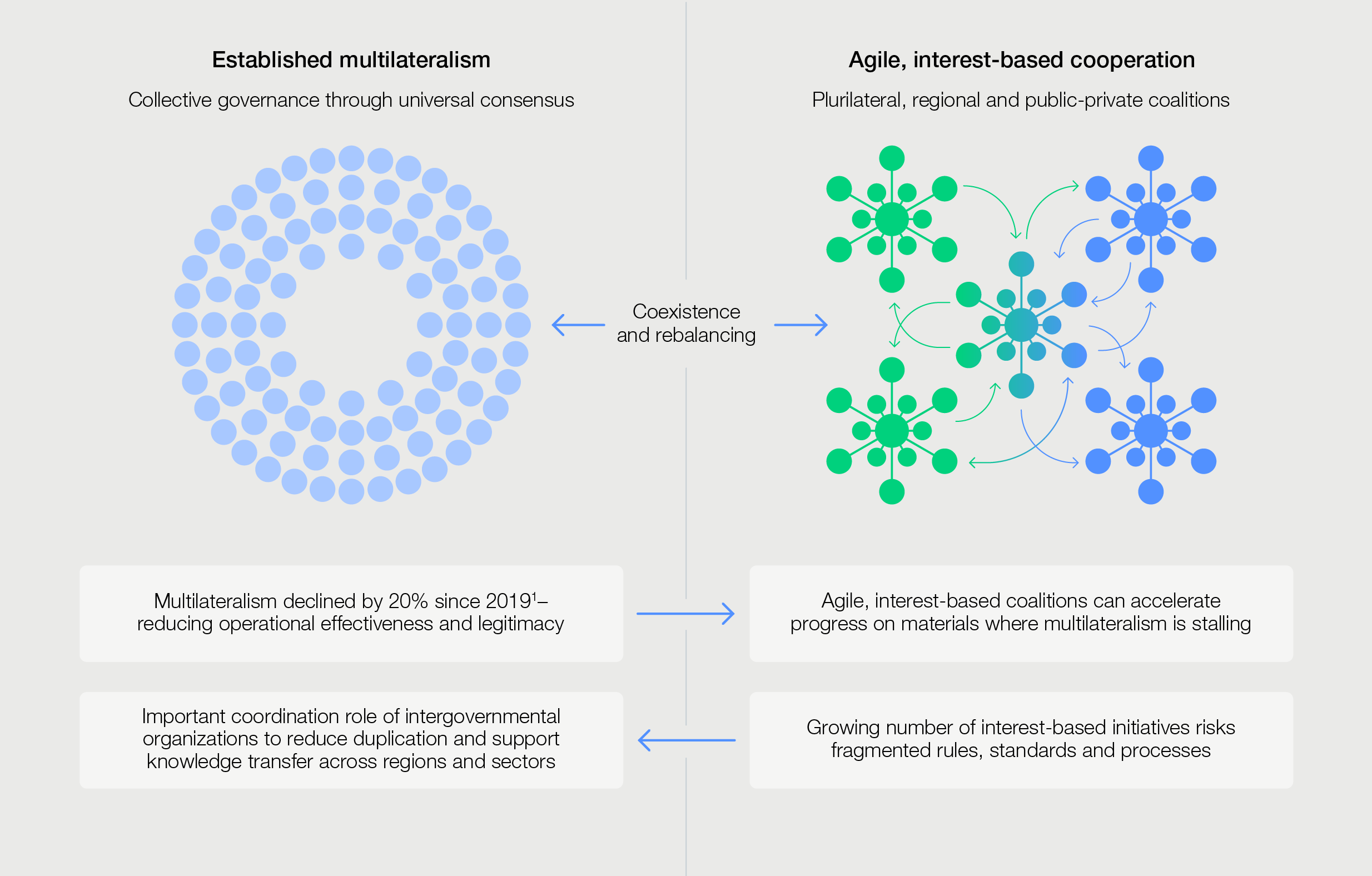
Business leaders clearly show appetite for stronger cooperation on materials. Multilateral cooperation has historically enabled the setting of shared principles and long-term direction but, according to the Global Cooperation Barometer, it has declined by 20% since 2019, with this trend likely to continue.
When global consensus becomes increasingly harder to achieve, interest-based coalitions, which are smaller and more agile, can drive meaningful progress in targeted areas. Plurilateral, regional and multistakeholder arrangements have been on the rise for the past decade, offering an important layer of cooperation infrastructure.
In fact, two-thirds of surveyed business leaders expect such non-multilateral forms of cooperation to play a central role in addressing materials systems challenges going forward.
Scaling solutions while avoiding duplication
The predicted growth in interest-based coalitions risks increasing the complexity of an already crowded landscape.
Over half of the surveyed global leaders already find it difficult to identify which initiatives deliver the greatest value and impact, making this a key barrier to further cooperation efforts on materials.
More than a third also find that the absence of clear coordination or leadership at the intergovernmental level limits effective cooperation. So, as initiatives multiply, intergovernmental coordination is essential to avoid duplication and maximize collective impact.
The planned introduction of digital product passport (DPP) schemes worldwide shows how intergovernmental coordination can provide the coherence needed to scale solutions developed by bottom-up coalitions. And the UN Transparency Protocol (UNTP) provides a modular framework for structuring and exchanging sustainability data. By establishing a shared baseline, while allowing different stakeholder coalitions to develop extensions tailored to their specific needs, the UNTP creates the foundations for DPP interoperability without imposing uniformity.
Initiatives like the Global Battery Alliance (GBA) battery passport show how interest-based coalitions can lead sector-specific solutions. Using DPP infrastructure, the battery passport collects, verifies and compares data on sustainability, performance and provenance across borders. The UNTP supports a GBA extension that aligns this passport with other DPP initiatives, ensuring interoperability without constraining design choices.
The materials supply chain resilience race cannot be won alone. Cooperation must evolve to tackle rising systemic risks in an era of fragmentation. This will deliver real value to both society and business while providing the coherence needed to scale solutions across borders.
Don't miss any update on this topic
Create a free account and access your personalized content collection with our latest publications and analyses.
License and Republishing
World Economic Forum articles may be republished in accordance with the Creative Commons Attribution-NonCommercial-NoDerivatives 4.0 International Public License, and in accordance with our Terms of Use.
The views expressed in this article are those of the author alone and not the World Economic Forum.
Stay up to date:
Trade and Investment
Related topics:


Forum Stories newsletter
Bringing you weekly curated insights and analysis on the global issues that matter.