How the Middle East conflict reshapes the global cybersecurity landscape
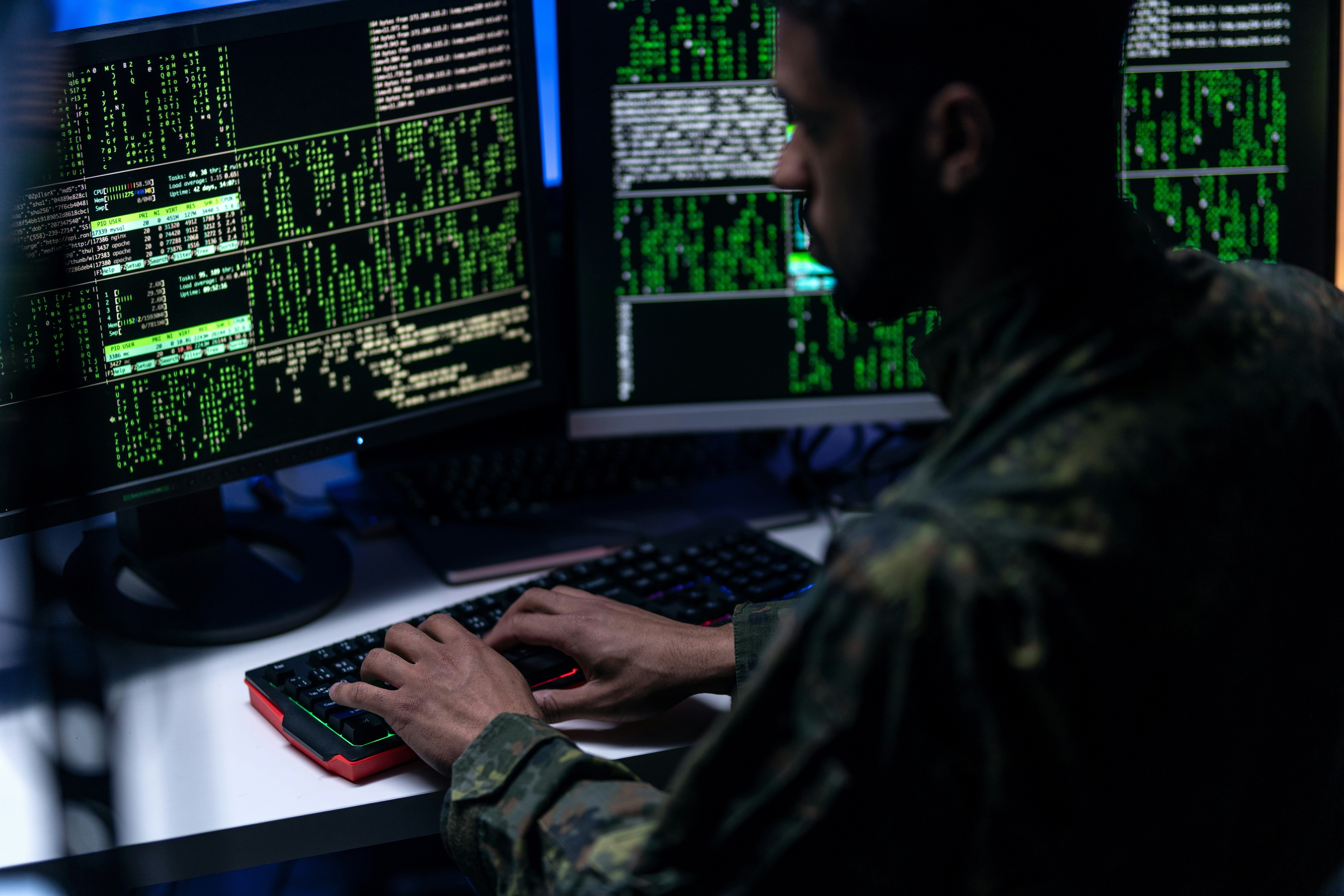
"Periods of conflict are often accompanied by a surge in malicious cyber activity," one expert said. Image: Unsplash
- Conflict in the Middle East is exacerbating cybersecurity risks worldwide.
- Targets of malicious cyberattacks include businesses and critical infrastructure systems far beyond the region.
- The conflict reinforces a "shift in the global cyberthreat landscape from opportunistic attacks to coordinated, geopolitically driven operations," one expert noted.
The ongoing conflict in the Middle East is a stark reminder that modern warfare is no longer confined to physical battlefields.
Alongside missiles and drones, the conflict is being waged across cyberspace, with governments and state-backed hacking groups going on the digital offensive. This includes the targeting of businesses and critical infrastructure networks located far beyond the region.
Earlier this month, for instance, US medical equipment provider Stryker Corporation was hit with wiper malware deployed by an Iran-backed hacking group. Other targets have included energy companies, financial services firms, and transportation systems.
The cyber front of the Middle East conflict underscores how geopolitical tensions continue to demand stronger cyber resilience across sectors.
As the World Economic Forum’s Global Cybersecurity Outlook 2026 notes, “geopolitical instability and armed conflicts are reshaping the cyberthreat landscape, creating complex and unpredictable conditions for organizations.” The report found that 91% of the largest organizations have changed their cybersecurity strategies due to geopolitical volatility — a striking indicator of how deeply global tensions are influencing digital risk.
To better understand how the conflict in the Middle East is affecting global cyber risk, we asked three cybersecurity experts for their insights. Here’s what they had to say.
Sami Khoury, Senior Official for Cybersecurity, Government of Canada
Recent conflicts have revealed a new reality: they are no longer confined to the kinetic domain. Hybrid warfare has redefined the security landscape, with cyber operations becoming a standard conflict tool and a part of geopolitical disputes and tensions, increasingly used alongside diplomatic, economic and military tools.
Periods of conflict are often accompanied by a surge in malicious cyber activity, including operations targeting critical infrastructure and widespread phishing campaigns. State proxies and hacktivists have joined the fray, further blurring the lines. Caught in the crosshairs of these asymmetric campaigns are high-tech industries, even those outside the conflict zone, where geographic distance offers no defence, as well as the increased risk to the infrastructure they rely on, such as data centres or undersea cables.
These dynamics underscore the importance of cyber resilience. Some attacks will succeed; the key is to limit their impact and recover quickly. Domestically, the role of Cyber Security Authorities couldn't be more important in securing key networks, bringing awareness to the threat and issuing timely alerts. The interconnectedness of cyberspace also makes cross-border cooperation and collective action essential when responding to threats.
Every conflict brings new lessons, and the key is to adapt and update our policies, strategies, and posture accordingly. The enduring legacy for cyber security is a heightened awareness that when geopolitical tensions flare, network intrusions, data breaches, and digital sabotage will likely follow – and we must be ready to confront them.
Thelma Quaye, Director of Infrastructure, Skills and Empowerment, Smart Africa Secretariat, Rwanda
The conflict in the Middle East has reinforced a shift in the global cyberthreat landscape from opportunistic attacks to coordinated, geopolitically driven operations. Recent patterns show a rise in state-aligned and proxy actors conducting disruptive campaigns, including denial-of-service attacks, data breaches, and “hack-and-leak” operations targeting critical infrastructure, digital platforms, and public institutions.
Even where disruptions are not cyber in origin, their consequences are deeply digital. Tensions affecting key global connectivity corridors have exposed the fragility of subsea cable systems and the risks of concentrated infrastructure, leading to traffic rerouting, latency, and systemic vulnerabilities across regions.
From an African perspective, this signals the need for a more coordinated continental approach on securing ecosystems. Resilience must be built across borders, across systems, and across institutions. This is precisely why initiatives such as the African Network of Cybersecurity Authorities (ANCA) are becoming critical, creating a platform for coordination, shared intelligence, and aligned response across jurisdictions. In an interconnected environment, fragmented approaches to cybersecurity create systemic vulnerabilities.
Looking ahead, three priorities stand out: securing the extended digital supply chain to reduce indirect exposure, operationalizing real-time cross-border cyber response, and ensuring continuity of critical services through regional redundancy and alternative connectivity pathways.
Recent subsea cable disruptions in parts of Africa have already shown how quickly connectivity failures can cascade into payment disruptions, service outages, and economic slowdown. Our priority must now be to build digital systems that continue to function, even when external shocks occur.
Sameer Patil, Director of the Centre for Security, Strategy and Technology, Observer Research Foundation, India
The conflict in West Asia is exacerbating an already precarious cybersecurity environment, one increasingly characterised by the proliferation of ransomware, state-sponsored espionage, and deliberate attacks on critical national infrastructure.
Three distinct trends in the ongoing hostilities deserve our attention: the convergence of cyber-physical threats with several strikes on essential civilian and industrial systems; the deployment of artificial intelligence to orchestrate large-scale cyberattacks that compromise the integrity of digital supply chains; and the alarming rise of deepfakes in an environment characterised by information blackouts from the region.
Strengthening organisational resilience against such threats demands rigorous scenario planning, a clear-eyed assessment of critical digital vulnerabilities, and a detailed mapping of cascading effects on polity, society, and economy. If the precedents set by Stuxnet and NotPetya, and the considerable collateral damage each inflicted far beyond their intended targets, haven’t yet impressed upon us the fragility of digital ecosystems, then the present hostilities in West Asia offer a wake-up call that no organization or industry is insulated from the consequences of a cyber conflict.
Therefore, assigning strategic priority, businesses must diversify their cloud and data infrastructure geographically, reinforce supply chains, and harden defences against the evolving ransomware threat.
License and Republishing
World Economic Forum articles may be republished in accordance with the Creative Commons Attribution-NonCommercial-NoDerivatives 4.0 International Public License, and in accordance with our Terms of Use.
The views expressed in this article are those of the author alone and not the World Economic Forum.
Related topics:

Forum Stories newsletter
Bringing you weekly curated insights and analysis on the global issues that matter.
More on CybersecuritySee all

Akshay Joshi
March 17, 2026


