Why water is vital to decarbonization and the energy transition
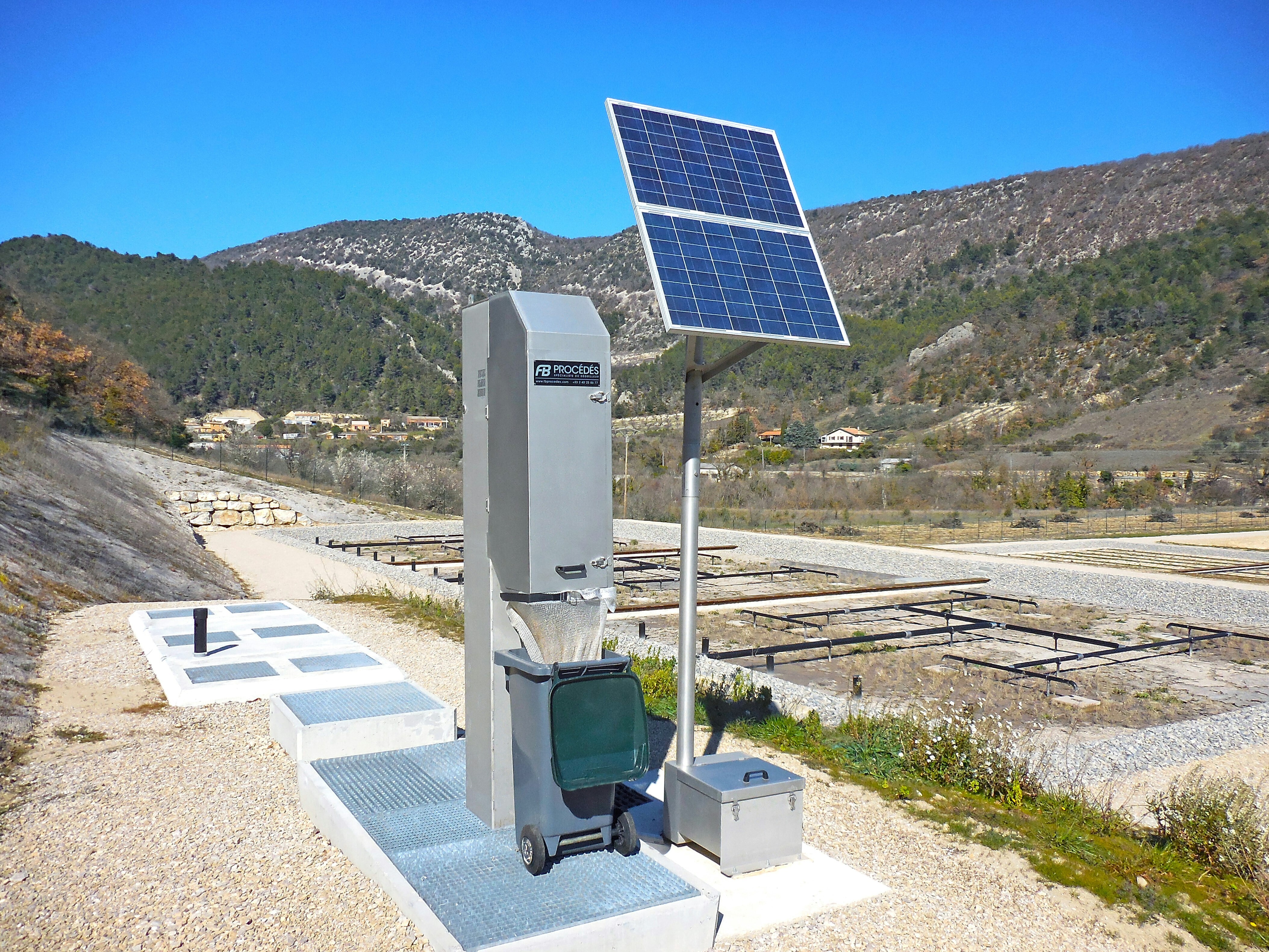
Water is key to both energy production and agriculture, making it a vital factor in enabling the energy transition. Image: Tibo Fovre/Unsplash
- Discussions around climate action tend to focus an renewables and carbon emissions, but water is also a key component of the energy transition.
- Water-efficient technologies could save vast amounts of water globally each year, cutting the energy and carbon required to pump, heat, treat and move it.
- Embracing technologies that enable us use water and energy more efficiently and intelligently can accelerate decarbonization and work towards net zero.
The global conversation on climate action frequently revolves around gigawatts of renewable energy and gigatons of avoided carbon emissions. But there is a third metric – one rarely discussed, yet just as consequential: gigalitres of water.
Water is the hidden currency of the energy transition, embedded in every kilowatt generated, every battery produced and every data centre cooled.
The astonishing truth is that water-efficient technologies could save tens of billions of cubic metres of water globally each year, while simultaneously cutting the energy and carbon required to pump, heat, treat and move it.
Saving water a powerful way of accelerating decarbonization
In a world facing growing water scarcity, or what the United Nations University has called “water bankruptcy”, these gigalitres of water saved represent one of the most powerful pathways to accelerate decarbonization.
What we often forget is that water systems are energy systems, and energy systems are deeply dependent on water.
Every litre of water that moves through a pipe must be pumped, heated, treated or cooled. Every kilowatt generated in a power plant, every solar panel manufactured, every battery or semiconductor produced, relies on water at some stage of its life cycle.
This creates a powerful connection that is not always obvious: every unit of water saved contributes directly to energy savings, which in turn, reduce carbon emissions.
This relationship sits at the heart of the water-energy-food nexus. An Institute and Faculty of Actuaries report recently warned that failures across this nexus could shrink the global economy by up to half by the end of this century.
Water shortages can shut down power plants; energy insecurity can cripple food production; agricultural overuse can dry out entire regions; and water scarcity is becoming an increasing problem in some regions. These cascading risks highlight why understanding the water-energy-food nexus is essential.
How water-efficient technologies can accelerate decarbonization
Yet within these intertwined challenges lies one of the most overlooked opportunities of the energy transition: the potential of water-efficient technologies to accelerate decarbonization.
Consider agriculture, the sector that uses more water than any other. Farmers have long relied on traditional irrigation systems that lose enormous volumes to evaporation, drainage and runoff. But innovations such as drip irrigation, precision soil-water sensors and solar-powered pumps mean that farmers can apply only the water a crop needs, when it needs it.
These technologies don’t just save water, they dramatically reduce the energy required to pump and deliver it. Agrovoltaic systems, which place solar panels above fields, go even further: by shading crops, they reduce water demand and evaporation losses while generating clean electricity – turning farmland into a dual-use climate solution.
A similar transformation is taking place in industry. Factories and power plants have historically been some of the world’s largest water users, particularly for cooling. When droughts strike, these facilities become vulnerable, and supply chains can grind to a halt.
But closed-loop cooling systems, hybrid cooling towers and wastewater recycling technologies change that equation by enabling facilities to reuse water repeatedly – reducing both their withdrawals and their exposure to climate risk.
Many of the same technologies also reduce the energy needed for treatment and cooling, while cutting emissions. Meanwhile, digital optimization is enabling industrial plants to fine-tune their operations and eliminate inefficiencies in both water and energy use.
Cities add another layer to this story. Energy consumption of water treatment technologies is estimated to account for up to 5.4% of total electricity demand globally. Leaks, inefficient appliances and outdated network controls silently drain both water and energy every day.
But smart meters, real-time leak detection and high-efficiency appliances are creating a quiet revolution in urban resource use. When households use less water, especially hot water, they reduce both water demand and the energy required to heat it. When utilities cut leakage, they also cut the electricity they consume pumping and treating lost volumes. Across millions of people, these gains quickly add up.
Scalable solutions for reducing water use across sectors
Taken together, these examples illustrate why certain water-efficient technologies stand out for their impact and scalability.
In agriculture, drip and precision irrigation systems can reduce water withdrawals by as much as 70-80% while cutting the electricity required for pumping, and agrovoltaics deliver the dual benefit of renewable energy with lower crop water demand.
For example, using alternate wetting and drying technique in rice farming saves 30-40% in water use and the same percentage of energy for pumping, while reducing up to 70% of greenhouse gas emission from rice fields, when combined with other sustainable farming practices.
In industrial settings, closed-loop cooling, wastewater recycling and membrane treatment systems offer reductions of up to 50% in water use while improving energy performance and reducing emissions from thermal management.
And in cities, smart meters, leak detection systems and high-efficiency appliances are proving exceptionally cost-effective, shrinking the water and energy required to treat and distribute it. Together, these technologies can help save gigalitres of water while accelerating the shift to net-zero energy systems.
At the same time, a new technological layer is emerging across the entire water-energy-food system: AI.
While much of the focus has been on the intensive energy and water needs of AI development, it is also being used to optimize water use with a level of precision and speed impossible through human management alone – from predicting irrigation needs on farms, to fine-tuning industrial cooling and wastewater recycling systems, to helping cities detect leaks, forecast demand and reduce both water losses and electricity consumption.
These intelligent systems turn millions of data points into real-time decisions that reduce waste, lower energy use and strengthen resilience. Accordingly, AI is becoming a critical accelerator of both water efficiency and decarbonization, linking the two through smarter operations and integrated resource management.
Viewed through this lens, water-efficiency technologies are not simply tools for conservation, they are mechanisms for decarbonization. They create a multiplier effect: saving water saves energy and saving both saves carbon.
This “co-efficiency” is one of the most cost-effective, scalable climate strategies available today, yet it has received only a fraction of the attention given to other climate solutions.
To unlock the full potential of this nexus, policy must catch up with technology. Historically, water and energy planning have lived in separate bureaucratic worlds, overseen by different agencies, governed by different mandates and financed through different channels.
This fragmentation obscures the synergies between the two systems. Companies too often track their water and energy metrics separately, missing opportunities to optimize them together.
What is needed is an integrated approach, one that recognizes that water and energy cannot be decoupled in a warming world.
Accelerating progress on cutting water and energy use
Governments can accelerate progress by aligning regulatory frameworks, enabling joint planning between water and energy agencies, and offering incentives that reward simultaneous reductions in water and energy use.
Investors and lenders can build water-energy co-efficiency into the criteria for green bonds and sustainability-linked loans. Technology providers can design interoperable systems that monitor both water and energy performance, giving households, cities and industries real-time insights into the full resource impacts of their decisions.
As headlines of water stress and conflict proliferate, there is an opportunity window to deliver messages that engage and motivate the public and political leaders.
The future of decarbonization is not only green; it is blue
”Most importantly, public awareness must rise to meet the scale of the challenge. People understand electricity bills; few understand the energy hidden in every litre of water they consume. Public campaigns, school curricula and utility programmes can close this awareness gap, empowering individuals to make choices that support both water security and climate action.
The energy transition is often described as a race against time. But it is also a race to secure the water needed to sustain those systems. In this sense, the future of decarbonization is not only green; it is blue.
The world cannot reach net zero unless it also reaches a more sustainable balance with its water resources. By recognizing the deep interdependence of water and energy, and by embracing the technologies that enable us to use both more intelligently, we can build a more resilient, more sustainable and, ultimately, more prosperous future.
The Global Future Council on Energy Nexus shares ideas and examples through its Energy Nexus Insights series, comprising blogs, articles and infographics; guides for public and private sector decision-makers; and sector analyses.
Don't miss any update on this topic
Create a free account and access your personalized content collection with our latest publications and analyses.
License and Republishing
World Economic Forum articles may be republished in accordance with the Creative Commons Attribution-NonCommercial-NoDerivatives 4.0 International Public License, and in accordance with our Terms of Use.
The views expressed in this article are those of the author alone and not the World Economic Forum.
Stay up to date:
Energy Transition
Related topics:


Forum Stories newsletter
Bringing you weekly curated insights and analysis on the global issues that matter.
More on Energy TransitionSee all

Roberto Bocca
March 20, 2026


