This article has been updated.
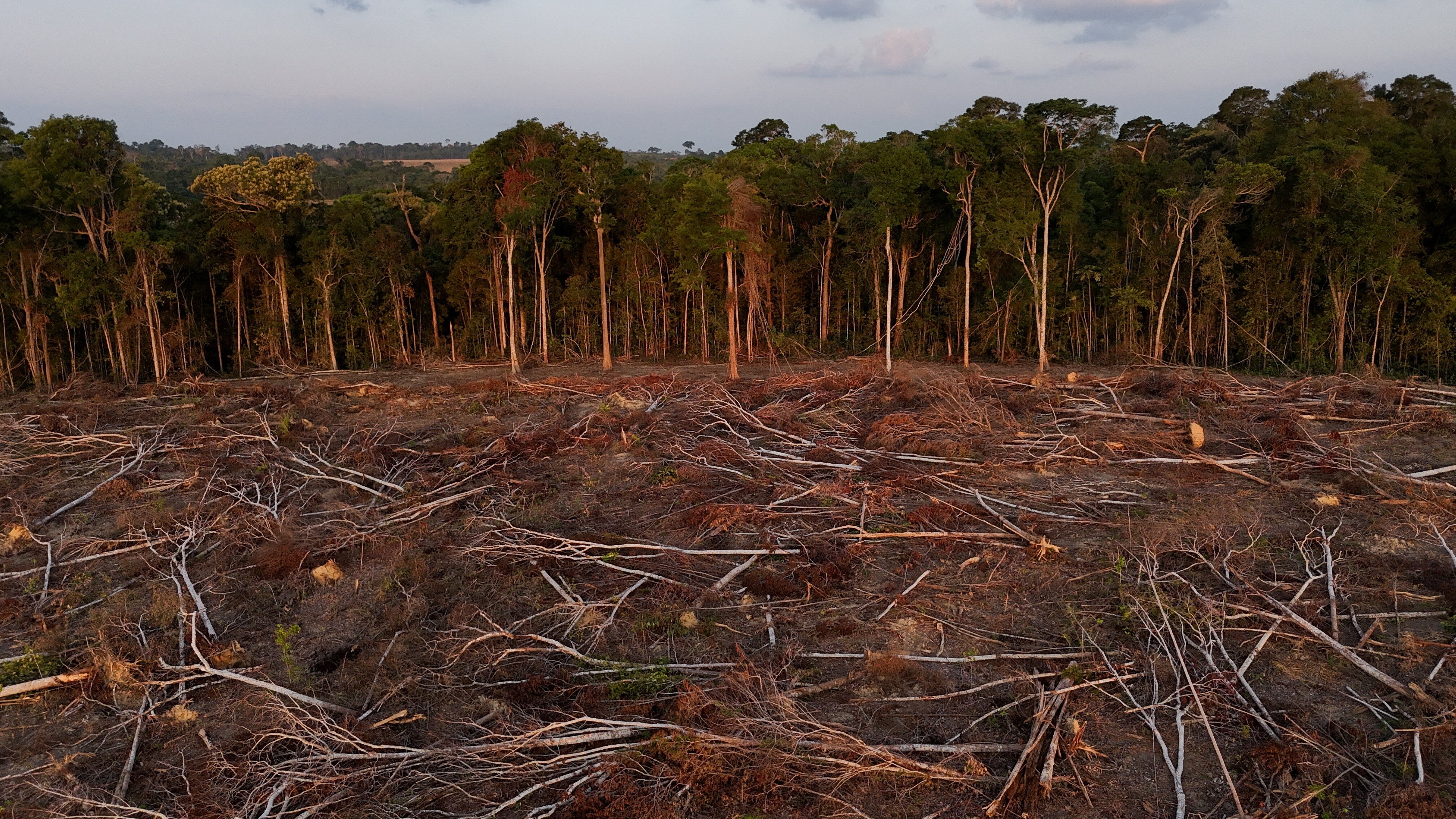
As extreme weather events escalate, they are likely to dramatically impact sporting events around the world.
The sports economy is worth $2.3 trillion a year, but faces challenges from our changing climate. A new World Economic Forum report outlines pathways to ensure resilience.
From running marathons at night to moving annual events to different seasons, sporting organizations are racing to stay ahead of the impacts of climate change.
As runners at the 2026 Los Angeles Marathon were told they could ‘finish’ at mile 18 because of dangerous heat, skiers at the Winter Olympics in northern Italy were competing on increasingly artificial snow.
Climate change is no longer a distant challenger for the sporting world; it is shaping how, when and where competitions take place.
As climate change continues to raise average temperatures, extreme weather events are becoming more frequent and intense. This increases the likelihood that such events will overlap with and significantly disrupt sporting events worldwide.
Released at the start of the year, a World Economic Forum report, Sports for People and Planet, warns that a dwindling number of countries will be able to host the Olympic Games due to the climate crisis. In fact, the data suggests that just 10 countries will be able to host the Winter Olympics and Paralympics as of 2040 due to reduced snowfall.

From running marathons at night to moving annual events to different seasons, here are some ways that sports are racing to stay ahead of climate change impacts.
The Olympics
When Paris hosted the Olympic Games in 2024, the world’s greatest athletes were going for gold as the planet was breaking records of its own. The year 2024 has since been confirmed as the warmest year on record, with global average temperatures around 1.5°C above pre‑industrial levels.
Two years later, the Winter Olympics in northern Italy faced similar climate pressures. With unpredictable and inconsistent weather patterns, organizers had to rely more heavily on artificial snow and spreading events over a wider area. According to the IOC, this was the "most widespread games in Olympic history", spanning some 22,000 square kilometres.
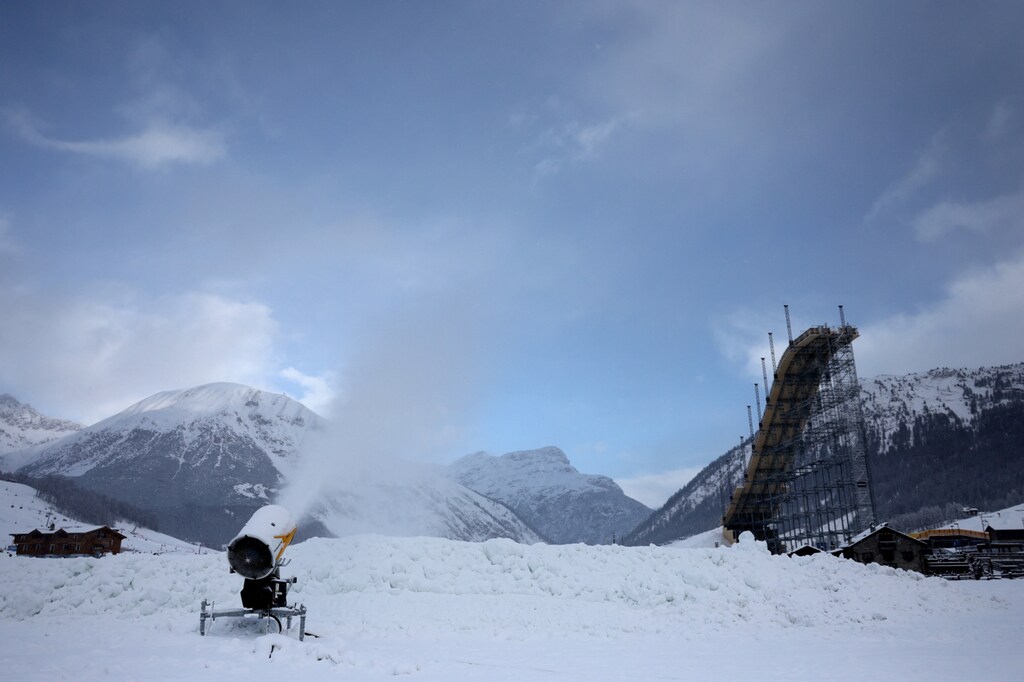
In the 70 years since Milan-Cortina first held the Winter Games in 1956, February temperatures have warmed by 3.6°C.
Grand slam for tennis
At the 2026 Australian Open, temperatures nearing 40°C triggered the tournament’s extreme‑heat policy, suspending play on outside courts and moving matches into roofed arenas to protect players and fans.
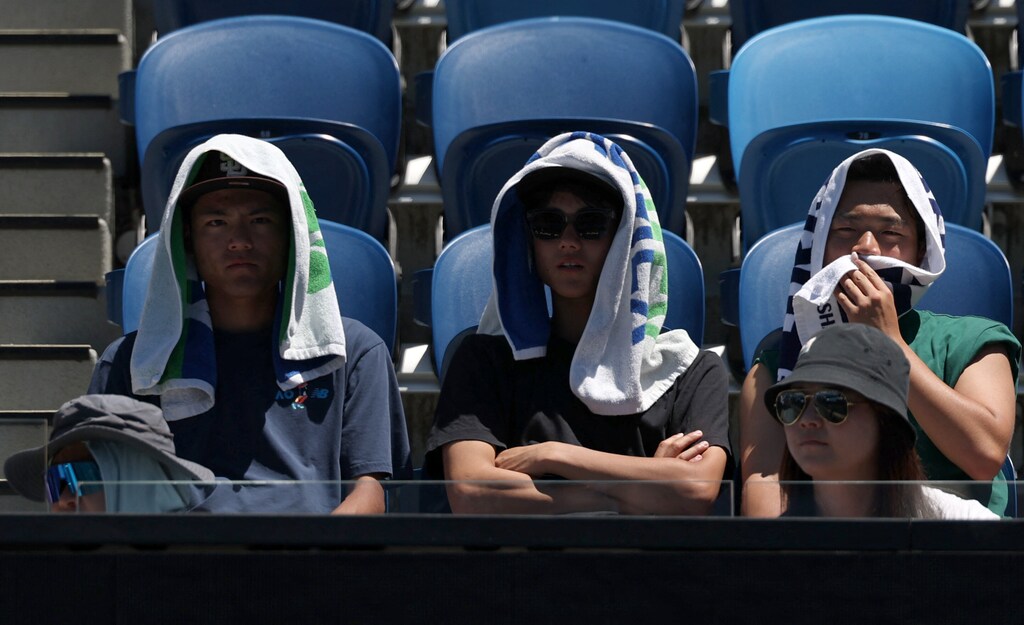
At tournaments in China last year, Denmark’s Holger Rune famously asked an official “Do you want a player to die on court?” as he struggled in temperatures above 30°C and humidity over 80% at the Shanghai Masters, while players at the nearby Wuhan Open also retired with dizziness and heat‑related illness.
As of 2026, the ATP Tour allows men’s singles players to take a 10‑minute cooling break during best‑of‑three‑set matches when conditions are extremely hot, to reduce the risk of heat stress.
The women’s WTA Tour has offered this kind of heat‑break protection for players since the early 1990s.
Heat‑stress scales, cooling breaks and schedule changes are becoming as integral to major tennis events as seedings and draws.

New route for the Tour de France
Since the first race in 1903, the bulk of the Tour de France has been ridden through 23 days of July. However, as temperatures continue to rise, this tradition may have to shift gears and reroute out of July into a cooler month.
A recent study has found that the risk of heat stress for cyclists has increased steadily over the years, with the highest number of extreme heat episodes having happened in the last decade.
As France shut down schools at the start of July last year due to extreme heatwave warnings, participants were heading out to start the world's most prestigious cycling competition. Extreme sports in extreme weather puts huge pressure on the human body to remain regulated – many cyclists experience heat-related illnesses as a result.
As temperatures continue to rise, larger structural changes will need to happen – such as moving the race from July – to ensure the riders' safety and the event's future.
Skiing towards a warming world
From the Swiss Alps to the Rocky Mountains, ski resorts across the globe are grappling with the impacts of climate change. As temperatures continue to rise, snowfall is melting at an alarming pace – according to one study, one in eight ski resorts worldwide could have no snow by 2100.
But this isn’t a concept of the future; resorts are suffering now.
Europe had its warmest year on record in 2024, and average snow thickness across the continent has been shrinking by about 12% per decade, while the length of the snow season falls by roughly 0.44 days each year.
Roughly 186 French ski resorts have permanently closed in recent years, while 265 abandoned ski stations had been counted in Italy by 2025.
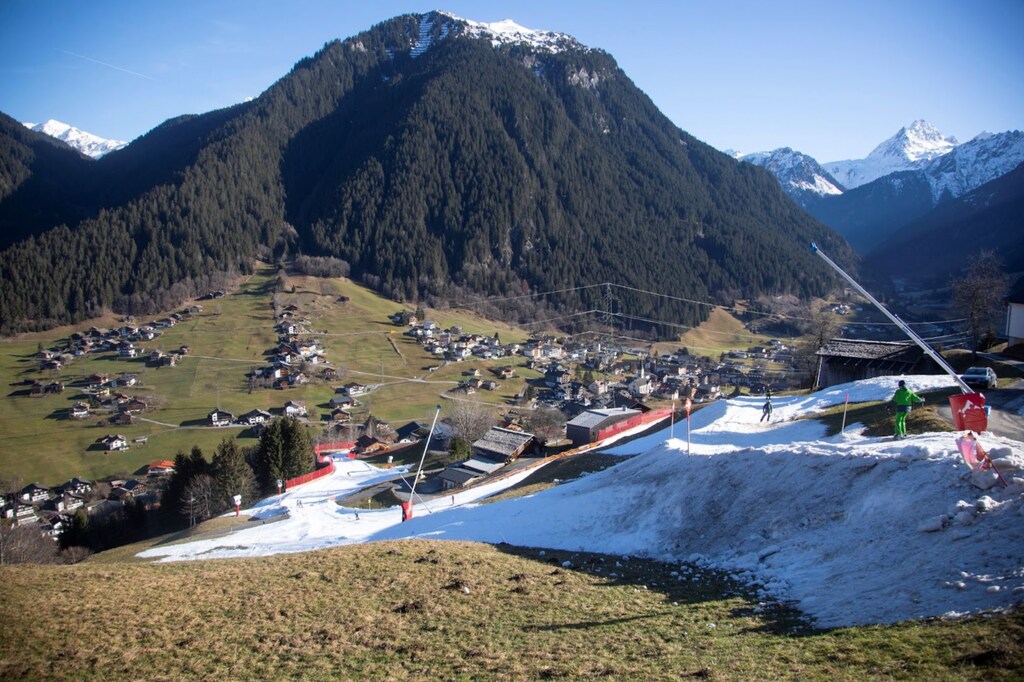
These snow-less slopes don’t just impact individual resorts – the effects are felt across whole towns whose economies depend on ski tourism.
From investing more in bike trails, climbing routes and walking paths to using artificial snow, the tourism sector in these areas is having to shift and adapt to mounting climate threats.
Moving marathons
As extreme weather conditions escalate, marathons and long-distance races across the globe are being postponed, cancelled or altered to reduce the risks to human life.
In Los Angeles, where race‑day temperatures were forecast to climb above 30°C, organizers offered a one‑time “mile 18 option” at this year’s marathon: runners who were struggling could turn off the course roughly 8 miles before the official finish and still receive a finisher’s medal.
In Europe, Berlin Marathon runners also contended with record-breaking temperatures in 2025, just as new research warned that climate change will leave marathoners with fewer opportunities to race in optimal conditions.
After analyzing 221 global races, the research found that 86% are expected to have worse conditions for marathon running for most runners by 2045, with all seven Abbott World Marathon Majors on the list.
One increasingly common response is to start races earlier in the day to avoid peak heat.
The 2019 World Athletics Championships in Qatar saw the women’s marathon start time shift to 11:59 pm local time due to the daytime heat in Doha.
However, even at night, temperatures reached over 32°C with humidity above 70%. As a result, 28 of the 68 starters failed to finish the race.
Wildfire haze
US baseball, basketball and soccer teams are increasingly united over a common opposition: wildfires.
In January 2025, wildfires around Los Angeles forced evacuation orders for roughly 180,000 people and pushed air‑quality levels into the “unhealthy” range, with readings around 185 on the local index. The NBA rescheduled nine games as a result of this.
In June 2023, around 75 million people were under air quality alerts as wildfire smoke from Canada covered major US cities. The intensity of the smoke saw Major League Baseball, the Women’s National Basketball Association and the National Women’s Soccer League cancel games over concerns about dangerous air quality.
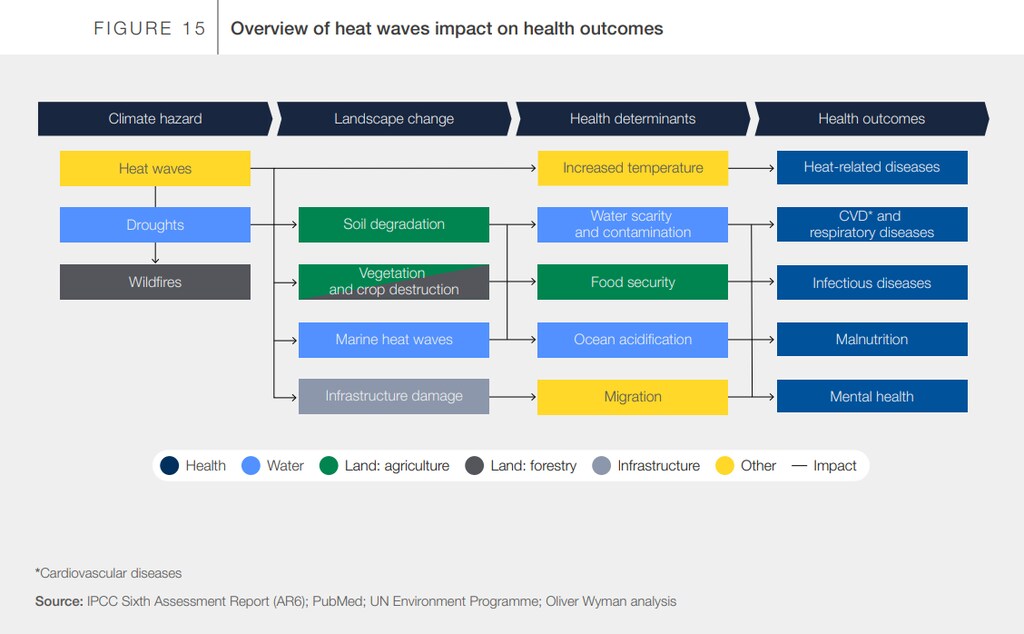
More frequent wildfires across the globe are increasing pollution levels, which can exacerbate respiratory ailments as well as cardiovascular diseases. These risks could lead to as many as 9 million premature deaths per year by 2060, the Forum’s report suggests.

For some baseball teams, climate change is having a different impact. Researchers have found that climate change caused more than 500 home runs since 2010, with higher air temperatures reducing air resistance for the ball to travel through.
That’s an average of 58 more home runs each season due to climate-induced warming.
The future of sporting events is under threat from our changing climate. Adaptation measures are increasingly vital to protect the athletes, supporters and sport itself as extreme weather events become increasingly common.
Many are already adapting to a new normal to preserve their sport and what it means for community and sportsmanship for generations of fans to come.