The African Continental Free Trade Area (AfCFTA) has the potential to
reshape regional value chains and accelerate intra-African trade, but its
success will depend on effective implementation.Tracking mango purée across East and Southern Africa reveals where the AfCFTA is already delivering and where friction is holding regional trade back.
In some corridors, intra-African trade barriers make it easier to source from outside the continent than from a neighbouring country – but that can change.
A new World Economic Forum and Global Alliance for Trade Facilitation white paper offers a ground-level view into how goods are moving across real trade corridors using mango purée as a case study.
Findings show that some African regional trade blocs are already delivering faster, more predictable trade, offering practical models that can be scaled continent-wide.
For the AfCFTA, the next stage is about building on regional gains, deepening what works by reducing remaining frictions, strengthening predictability and sustaining private sector engagement.
A shipment of mango purée leaving a processing plant in Kenya may appear routine. But following it across borders into Tanzania, Uganda and beyond reveals something far more significant: a practical window into how trade is unfolding across Africa and what it will take for the African Continental Free Trade Area (AfCFTA) to deliver on its promise.
The importance of implementation is well understood. Policy-makers, businesses and development partners have consistently emphasized that the success of the AfCFTA – which aims to deepen integration, strengthen value chains and expand intra-African trade – will depend on how it works in practice. What is often less visible is how this plays out on the ground, across specific value chains, border posts and trade corridors.
This is where new analysis from the World Economic Forum and the Global Alliance for Trade Facilitation comes in. By tracking the movement of mango purée across East and Southern Africa, we can build an evidence-based view of where progress is already happening and where further gains can be unlocked.
Below are the key takeaways from the report.
When standards align, value chains begin to unlock
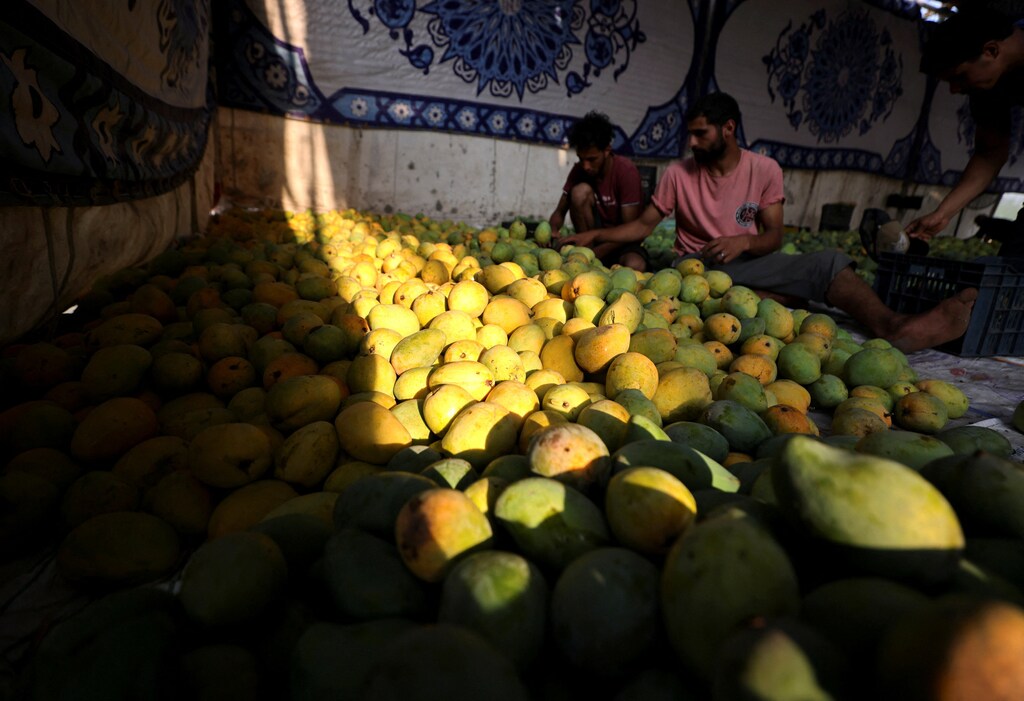
Agriculture continues to play a central role in Africa’s economy, accounting for around 18% of GDP in sub-Saharan Africa and employing almost 50% of the workforce. Countries such as Kenya produce large volumes of mangoes, yet post-harvest losses remain high. Processing mangoes into purée extends shelf life, creates opportunities for value addition and enables cross-border trade, but only when the systems governing that trade are efficient and predictable.
One of the most important enablers is the mutual recognition of standards. Without it, goods that meet regulatory requirements in one country are often subject to additional testing or certification in another. This adds time, increases costs and introduces uncertainty into supply chains.
Where recognition frameworks are in place, the benefits are tangible. Within the East African Community, common standards for processed fruit products allow mango purée to circulate without repeated certification. For businesses dealing with perishable goods, these kinds of efficiencies can determine whether regional trade is viable at all.
Looking ahead, full harmonization of standards across all AfCFTA state parties will take time. In the near term, expanding mutual recognition arrangements across sectors and countries offers a practical way to reduce friction while building trust between regulatory systems.
Regional blocs are already doing some heavy lifting
Regional economic communities are often described as the building blocks of the AfCFTA, and in many respects that role is already visible in practice.
In the East African Community, customs processes are closely coordinated through systems such as the Single Customs Territory, where goods can be declared once and move across borders with fewer duplicative checks. This is supported by digital platforms that enable information sharing between customs authorities, along with one-stop border posts that bring together officials from both sides of the border.
Efforts in the Common Market for Eastern and Southern Africa and the Southern African Development Community point in a similar direction, with transit guarantee schemes, customs platforms and coordinated border management helping to streamline trade flows. These systems may differ in design, but they reflect a shared shift toward reducing duplication and improving predictability.
For businesses, this translates into shorter transit times, lower transport costs and greater certainty about when goods will arrive. For AfCFTA implementation, the implication is that progress does not need to start from scratch. There is considerable value in connecting and scaling what already works at the regional level.
Tariffs may be falling, but other costs still matter
Reducing tariffs is a central objective of free trade agreements, but it does not remove all the costs associated with cross-border trade. Even where goods qualify for preferential treatment, businesses may still encounter domestic taxes, fees and administrative requirements.
In the case of mango purée, shipments that were eligible for duty-free access were still subject to charges such as VAT, surtaxes or other fees in certain markets. While these measures are generally permitted, their variation across countries can affect the overall cost and predictability of trade.
From a business perspective, it is the full cost environment that shapes decisions about sourcing and investment. Greater transparency around applicable charges, along with continued dialogue on consistency, can help ensure that tariff liberalization translates into meaningful commercial opportunities.

Infrastructure and geography continue to shape trade realities
Trade facilitation reforms are essential, but they operate within a broader context shaped by geography, infrastructure and security conditions.
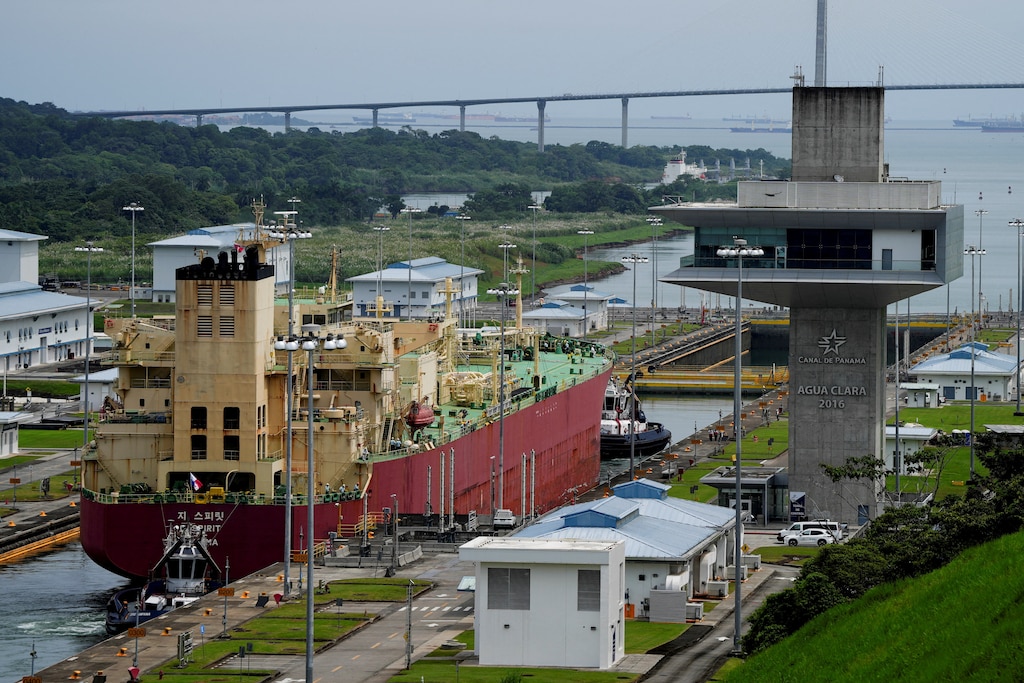
In some corridors, long distances, poor road networks or security risks continue to limit the movement of goods, even where policies are aligned. In these cases, physical constraints can outweigh regulatory improvements.
This highlights the importance of complementing policy reforms with investments in infrastructure and logistics. Continental initiatives aimed at improving connectivity, from transport corridors to port development, play a critical role in making trade agreements work in practice.
Private sector engagement is shaping implementation
A defining feature of this work is the role of the private sector in identifying both challenges and solutions. Companies involved in sourcing, processing and transporting mango purée bring a practical perspective that complements policy discussions.
By tracing real trade flows, they help highlight where systems are working well and where adjustments are needed. This kind of feedback is essential for ensuring that reforms are grounded in operational realities.
This approach is reflected more broadly in initiatives such as the Forum Friends of the AfCFTA, which brings together governments, businesses and development partners to support implementation through targeted, on-the-ground projects.
Delivering on the potential of intra-African trade
Tracking mango purée across borders does not capture every dimension of African trade, but it provides a grounded perspective on how integration is unfolding in practice. It shows that meaningful progress is already underway, while also highlighting areas where further gains are within reach.
It also points to a broader dynamic. In some cases, intra-African trade barriers still make it easier for businesses to source products from outside the continent than from neighbouring countries. This is not due to a lack of supply, but to remaining inefficiencies that affect cost, time and predictability.
Addressing these constraints is central to the AfCFTA’s value proposition. By building on existing regional models, improving coordination and reducing friction, the agreement can help make regional sourcing more competitive and reliable, allowing African value chains to grow and capture more of the continent’s own production.