Why electrification will make or break ASEAN’s energy transition
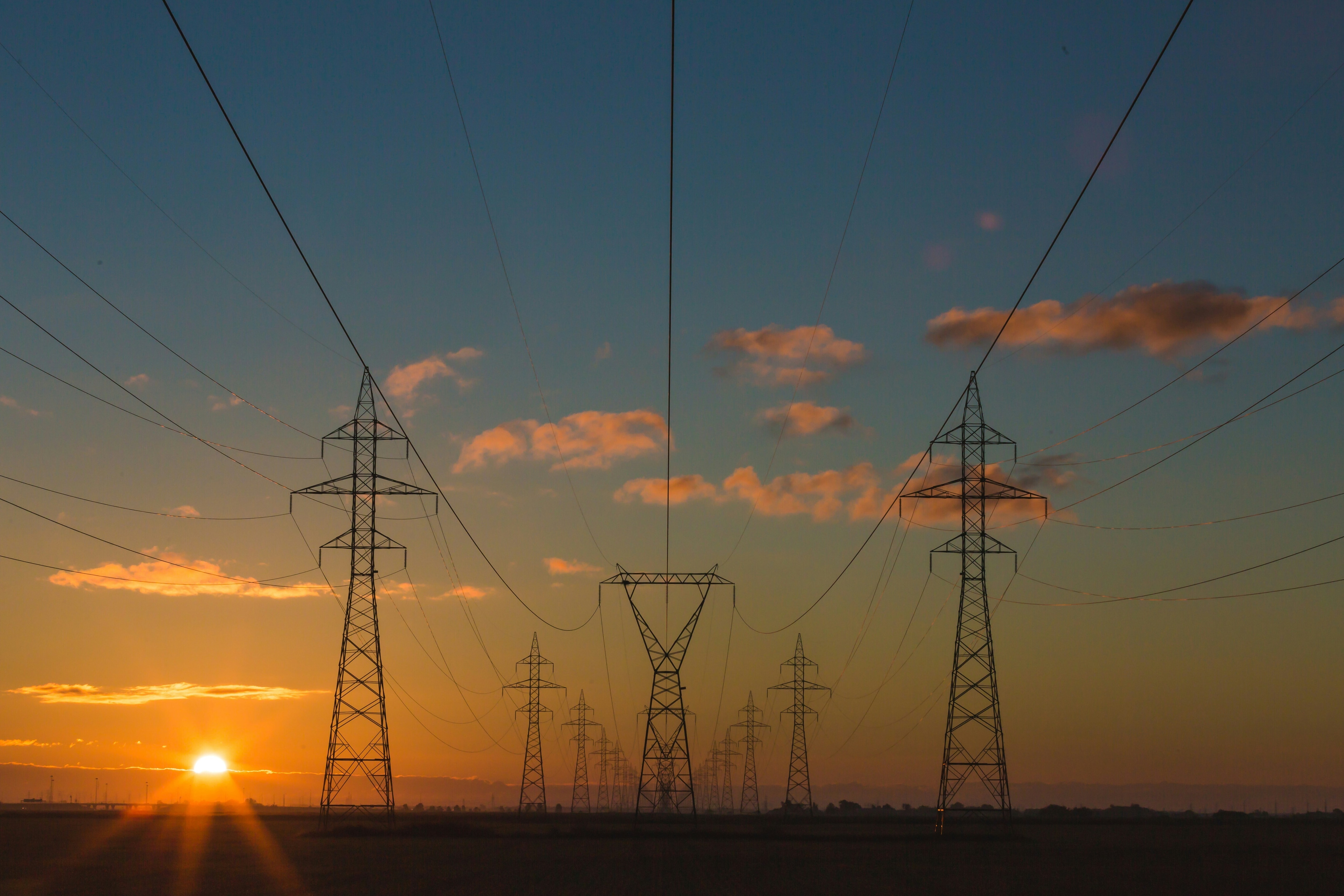
Electrification is becoming the key factor that will determine whether the ASEAN region can achieve its climate goals while maintaining energy security. Image: Matthew Henry/Unsplash
- Electrification powered by domestic renewable energy is essential to strengthen ASEAN’s energy security.
- Upgrading domestic grid infrastructure is vital to integrate Southeast Asia’s vast, untapped renewable potential.
- Cross-border grid connectivity and regional cooperation will enable efficient, multilateral power trade across ASEAN.
ASEAN’s energy transition is often framed around reducing fossil fuel dependence, which still accounts for around 80% of the region’s primary energy consumption. As domestic oil and gas resources mature and dwindle in countries such as Indonesia and Malaysia, the region is expected to become a net importer of natural gas this decade, reinforcing the importance of developing domestic, renewable-based energy systems. Recent disruptions and geopolitical tensions around key maritime chokepoints such as the Strait of Hormuz have also highlighted ASEAN’s vulnerability to external energy shocks and import dependence.
Electrification is becoming the key factor that will determine whether the region can achieve its climate goals while maintaining energy security. Electricity demand across ASEAN is rising rapidly, driven by industrialization, urbanization, digitalization and growing cooling needs. Between 2015 and 2025, electricity demand in ASEAN grew by more than 60%, significantly outpacing overall energy demand growth of around 35%. Regional electricity demand is projected to grow by around 4% annually through 2035, outpacing the global average.
Clean electrification is therefore emerging as a pathway that aligns energy security with long-term transition goals. It shifts the energy security challenge towards resilient and interconnected power systems that enable greater use of local renewable resources while supporting economic growth and reducing vulnerability to external shocks.
This shift is also reflected in national and regional policy frameworks. Most ASEAN countries have set carbon neutrality or net zero targets, and regional frameworks such as the ASEAN Plan of Action for Energy Cooperation are providing a more coordinated approach to renewable energy deployment and system development.
From drivers to enablers: The role of power systems
In ASEAN, grids are becoming as strategic as generation itself. The challenge is not only to expand electricity supply, but to build systems capable of supporting this transition.
At the national level, countries are working to strengthen their power systems through technological progress. Higher shares of renewable energy require more flexible and resilient systems, supported by grid modernization and improved system operations.
While some markets may continue relying on flexible thermal generation during the transition period to maintain system reliability, China’s experience shows that large-scale renewable integration ultimately depends on coordinated grid planning, strong transmission networks and investment in flexibility resources such as energy storage.
Without strong system planning and coordination, the pace of renewable energy deployment may outstrip the ability of power systems to integrate it effectively. This challenge is particularly relevant in ASEAN.
Beyond national systems, regional coordination is becoming increasingly important. ASEAN countries have diverse renewable energy resources and demand patterns, creating opportunities to improve system efficiency through cross-border cooperation. In many ways, the region’s greatest untapped energy resource may ultimately be connectivity.
Experience from regional power systems such as the Southern African Power Pool shows that gradual interconnection and voluntary market mechanisms can enhance system reliability and support renewable integration even in highly diverse regions. While ASEAN operates in its own institutional context, these experiences highlight the importance of pragmatic governance arrangements and phased market development.
A feasible pathway: Domestic strength with regional cooperation
ASEAN’s transition will depend on getting two things right at the same time: stronger domestic systems and smarter regional integration. At the domestic level, countries are expanding renewable energy and upgrading grid infrastructure to support growing demand. Southeast Asia is estimated to have around 20 terawatts of undeveloped solar and wind potential, equivalent to many times its current installed capacity. At the same time, investment in grid infrastructure is expected to accelerate, with annual spending potentially exceeding $20 billion by 2035, reflecting the scale of system expansion required.
At the regional level, cooperation is evolving from bilateral exchanges to more structured multilateral arrangements. The Enhanced ASEAN Power Grid memorandum of understanding signed in 2025 reflects this shift by promoting multilateral power trade, renewable energy integration and coordinated system planning, helping facilitate the development of more than 18 cross-border interconnections, with additional projects under development. Regional efforts, such as the ASEAN Power Grid Financing Initiative and Greater Mekong Subregion Economic Cooperation Frameworks, are providing a foundation for deeper integration and collaboration.
This combination of domestic capability and regional coordination reflects the practical realities of ASEAN. No single country can fully balance system stability, flexibility and cost efficiency on its own in the energy transition, while greater connectivity can help unlock complementary strengths across the region.
Opportunities for ASEAN and its partners
The energy transition is creating a range of opportunities aligned with ASEAN’s development priorities.
Renewable energy development will remain central, supported by strong resource potential and policy targets. Regional plans aim to significantly increase the share of renewable energy in the coming years, highlighting the scale of future deployment. At the same time, grid expansion and modernization will become increasingly important as power systems adapt to rising demand and more variable generation.
Cross-border interconnection is gaining momentum, supported by both regional initiatives and international financial institutions such as the ADB and the World Bank. This is creating new opportunities for infrastructure development, as well as for knowledge sharing and capacity building in areas such as system planning and market design.
Towards this end, the World Economic Forum’s Future of Power Systems initiative is helping public- and private-sector stakeholders advance electrification around the world by identifying enabling conditions for deploying power sector infrastructure and scaling innovation, including by surfacing innovative case studies and elaborating region-specific pathways.
Hydrogen, biofuels and potentially nuclear energy are likely to play a role in specific sectors where direct electrification is more difficult. However, electrification remains the most immediate and scalable pathway for decarbonization across ASEAN economies.
A transition defined by systems
Electrification is becoming the backbone of ASEAN’s energy transition, which is not only about changing energy sources, but also about how energy systems are planned, connected, operated and coordinated. No single country can achieve this transition alone. If ASEAN succeeds, it could become a global example of how electrification, regional integration and economic growth can advance together.
Don't miss any update on this topic
Create a free account and access your personalized content collection with our latest publications and analyses.
License and Republishing
World Economic Forum articles may be republished in accordance with the Creative Commons Attribution-NonCommercial-NoDerivatives 4.0 International Public License, and in accordance with our Terms of Use.
The views expressed in this article are those of the author alone and not the World Economic Forum.
Stay up to date:
Energy Transition Index


Forum Stories newsletter
Bringing you weekly curated insights and analysis on the global issues that matter.