
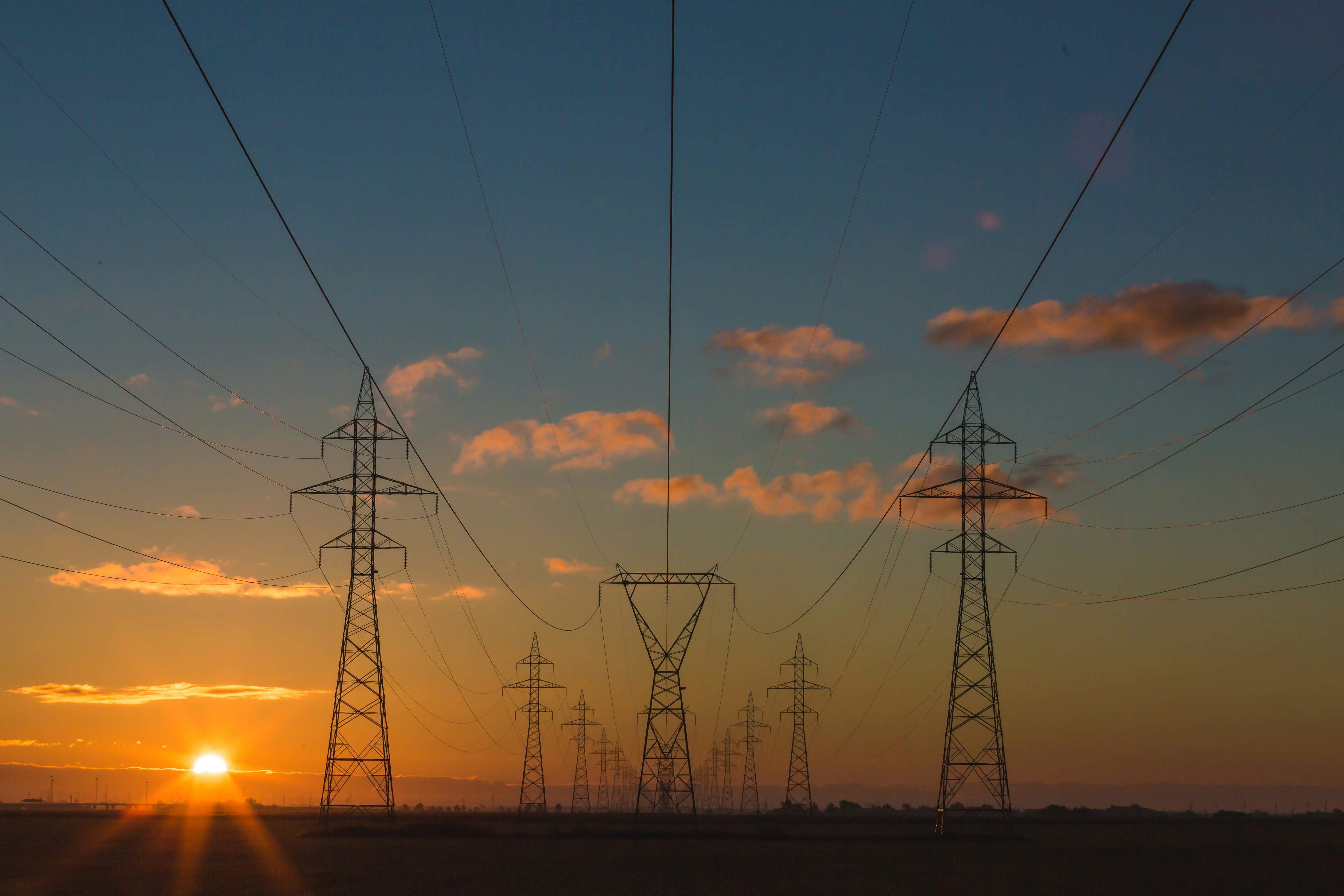

电气化何以决定东盟能源转型的成败?
依托本地区可再生能源的电气化进程,对增强东盟能源安全至关重要。推进跨境电网互联互通与区域协作,有助于在东盟全域开展高效、多边的电力贸易。

Oxana Saimo is Lead for Emerging Markets, Energy and Materials, at the World Economic Forum. She leads the Forum’s energy and materials transition initiatives in Southeast Asia, bringing together industry leaders, governments, and ecosystem partners to accelerate industrial transformation, energy transition, and sustainable economic growth across Southeast Asia and the broader Asia-Pacific region.
Before joining the Forum, Oxana held roles spanning stakeholder engagement, project management, and public affairs. Her experience includes working across Asia and Europe and building partnerships between the public and private sectors to advance sustainable economic development.
Having grown up on the Russia–China border and studied in China as a recipient of a Chinese Government Scholarship, Oxana has developed a deep understanding of China and extensive experience in cross-cultural engagement. She is multilingual and has a longstanding interest in languages, international affairs, and foreign cultures.
Oxana holds a Master’s degree in International Governance and Diplomacy (Asian Studies) from Sciences Po Paris, a Master's degree in Chinese Studies from Liaoning Normal University in China, and recently graduated from Harvard Extension School with a graduate certificate in Corporate Sustainability and Innovation.
依托本地区可再生能源的电气化进程,对增强东盟能源安全至关重要。推进跨境电网互联互通与区域协作,有助于在东盟全域开展高效、多边的电力贸易。
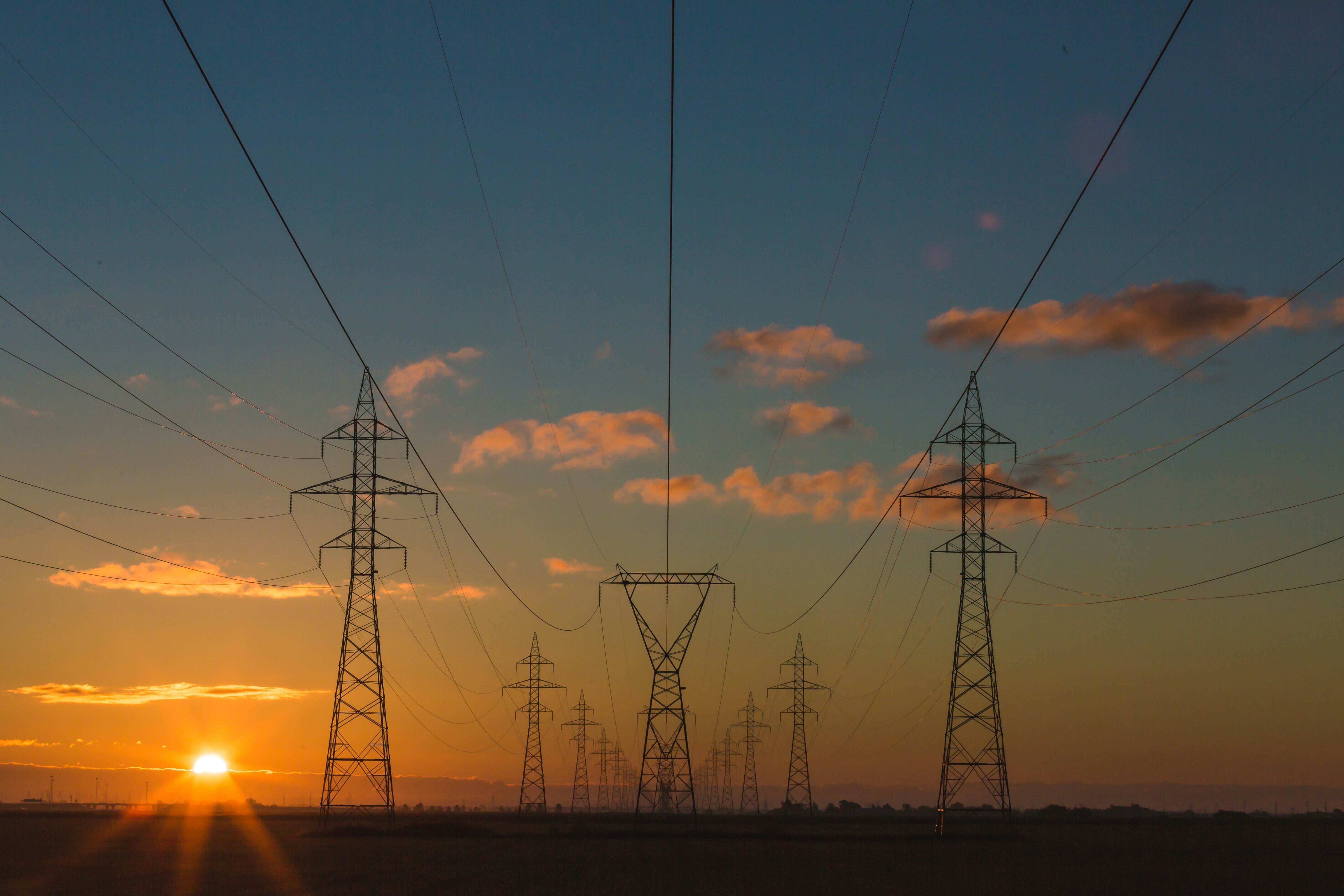
Electrification will determine if ASEAN can meet climate and energy security goals. And the region's greatest untapped resource may be connectivity.
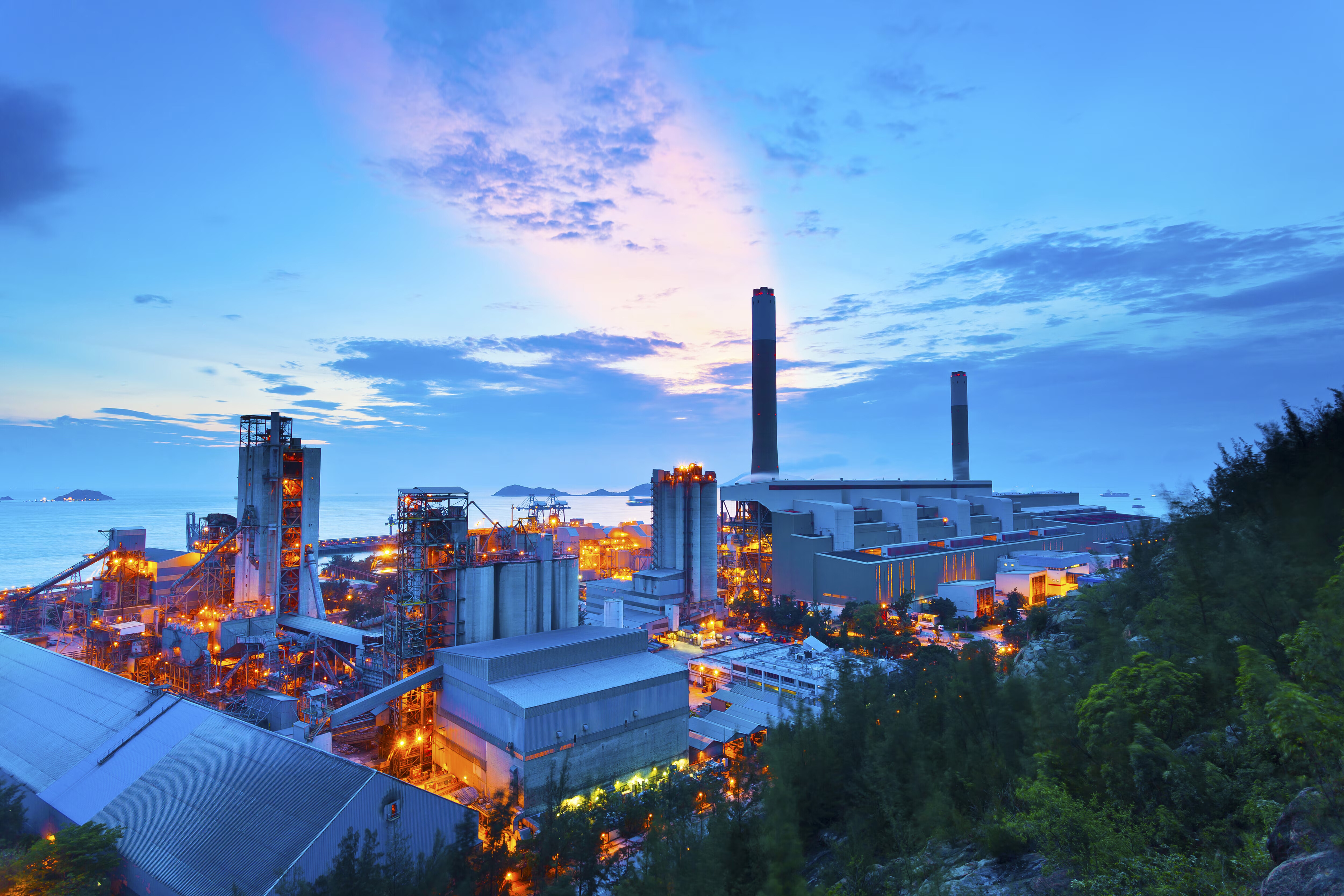
東南アジアは決定的な10年を迎えようとしています。6億7,000万人以上の人口と3.8兆ドル規模の経済を有するASEANの急速な成長は、2050年までに2倍以上になると予測されるエネルギー需要を牽引。ASEANがこの需要急増にどう対応するかが、今後数十年にわたる地域の経済、産業のレジリエンス、雇用創出、環境の未来を形作るでしょう。
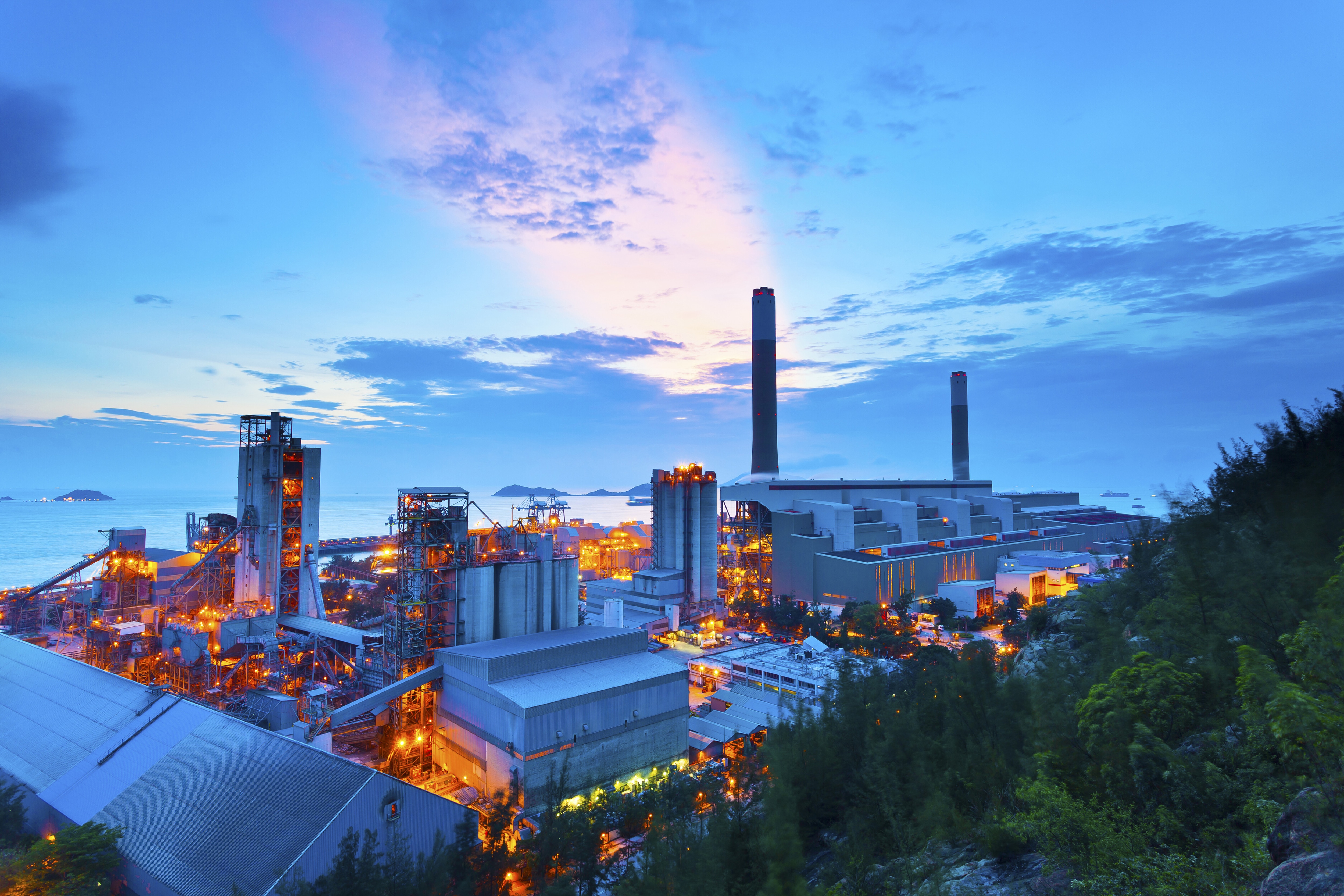
ASEAN must meet rising power demand while strengthening competitiveness and energy security. Industrial clusters across the region are already helping.

With industry responsible for 30% of total global CO2 emissions, industrial clusters will be a critical player in accelerating the path towards net zero.

エネルギー転換、二酸化炭素排出量削減への取り組み、再生可能テクノロジーの実現において、化学産業は欠かすことができないものです。化学業界は、責任、レジリエンス(強靭性)、生産性の向上に重点を置いた変革を進め、協調的な取り組みを通じて持続可能性と社会的影響の拡大に努めています。

The chemical industry is dynamically responding to global shifts and internal innovations, playing a pivotal role in socioeconomic systems.


