The ocean is essential to our health, yet its own health is increasingly under threat.
World Ocean Day occurs every year on 8 June, encouraging action throughout the year to meet global ocean goals. This year's theme is 'Reimagine: Beyond the world we know, a new relationship with our ocean'.
Switching to a regenerative blue economy can help restore ecosystems while supporting equitable prosperity, says a new World Economic Forum report.
From tourists at the beach to desert desalination plants, and from data cables on the seafloor to fishing communities – the ocean impacts everyone.
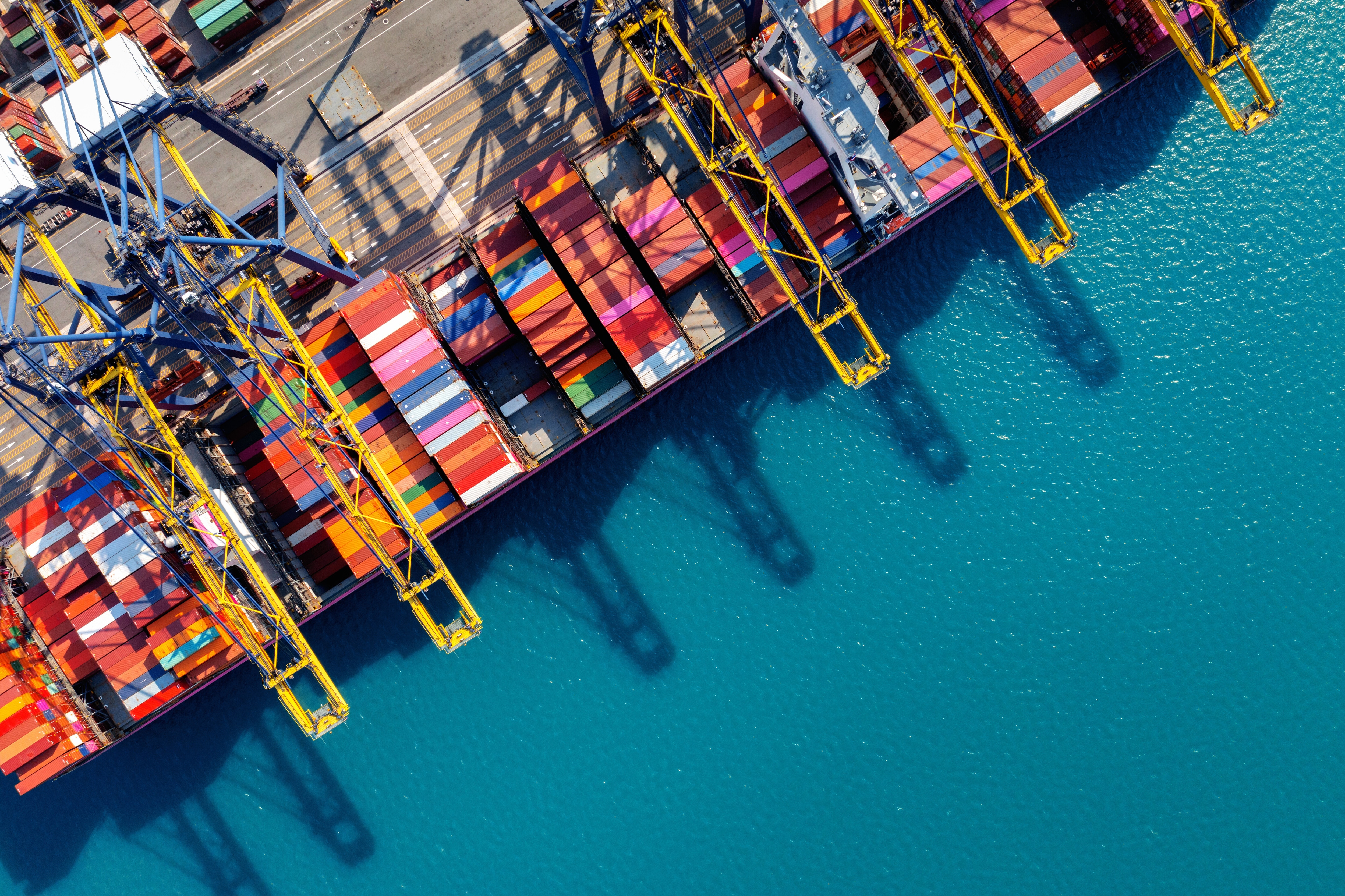
It is also one of the world’s most powerful risk multipliers. The ocean regulates climate, carries 80% of global trade, supplies freshwater and food, enables communications, sustains livelihoods and underpins a fast‑growing blue economy. To ignore the ocean is therefore not just to miss a crucial sustainability target – it is to misread the global risk landscape.
World Ocean Day
As ocean health continues to decline – with acidification, sea-level rise and glacier melt all increasing as a result of the climate crisis – human health and the economies we depend on are under threat.
This is why World Ocean Day, marked each year on 8 June, is such a vital global campaign. This year’s theme, 'Strong Marine Protected Areas for Our Blue Planet', shores up key commitments from recent years, including the 30x30 framework to protect at least 30% of land and water by 2030, and the High Seas Treaty to protect marine biodiversity beyond national jurisdiction and to equitably share marine resources.
"The ocean belongs to everyone, whether you live by the shore or deep inland," says Jeremiah Ugochukwu, one of 24 young changemakers on the Youth Advisory Council, a key element of the UN's annual event. "Our ocean’s health depends on the actions we take now.”
Ocean prosperity depends on a regenerative blue economy
A healthy ocean is also a prosperous one. The blue economy – which consists of essentially all economic activities related to the ocean, seas and coasts – already outpaces global growth and is expected to be worth over $5 trillion by 2050.
But nature loss and accelerating climate pressures are exposing ocean-dependent markets to escalating risks, according to the World Economic Forum's briefing paper, The Ocean Economy Imperative. And the cost of inaction is growing too big to ignore.
While the sustainable blue economy has helped reduce harm, it remains focused on maintaining current conditions.
A regenerative blue economy goes further. The International Union for the Conservation of Nature defines this as "ocean-based economic activity helps restore ecosystems, strengthen resilience and support equitable prosperity within planetary limits".
It calls for ocean-based economic activity to be reimagined – not as extraction or sustaining, but as a force capable of restoring ecosystems, building resilience and advancing equitable prosperity within planetary boundaries.
Now, a new Forum report, The Regenerative Blue Economy – Pathways to Prosperity. highlights the ways sectors and organizations are already operating with this mindset, such as the Parties to the Nauru Agreement, a coalition of eight Pacific Island countries that successfully coordinates and manages shared tuna resources across national boundaries. This collective governance model shows that "it is possible to realign power, value and stewardship in ways that benefit both people and ecosystems".

The report examines key ocean industries driving this transformation including ‘traditional’ sectors (ports and shipping), ‘growing’ sectors (offshore renewables, aquaculture and desalination) and emerging ‘frontier’ sectors (biotechnology, ocean data systems and more).
From offshore wind, shipping and ports to fisheries, marine spatial planning, new technologies and financial innovations, the report also showcases practical examples showing that progress is already underway.
As the Forum's new report puts it, a regenerative blue economy "encourages us to imagine an ocean economy that gives back more than it takes".
Note: The World Economic Forum hosts the Global Future Councils, which is an interdisciplinary knowledge network of experts from academia, business, government and civil society who collaborate to develop innovative solutions and actionable insights on the world's most pressing challenges and emerging technologies. Learn more about the Global Future Council, Regenerative Blue Economy here.
With just four years to go before the 30x30 target and the UN Sustainable Development Goal 14, 'Life Below Water', are due to be met, this World Ocean Day is a reminder that these goals are not box‑ticking exercises, but essential guardrails for managing the wider risk landscape we all depend on.