How Africa is building scalable natural capital investments
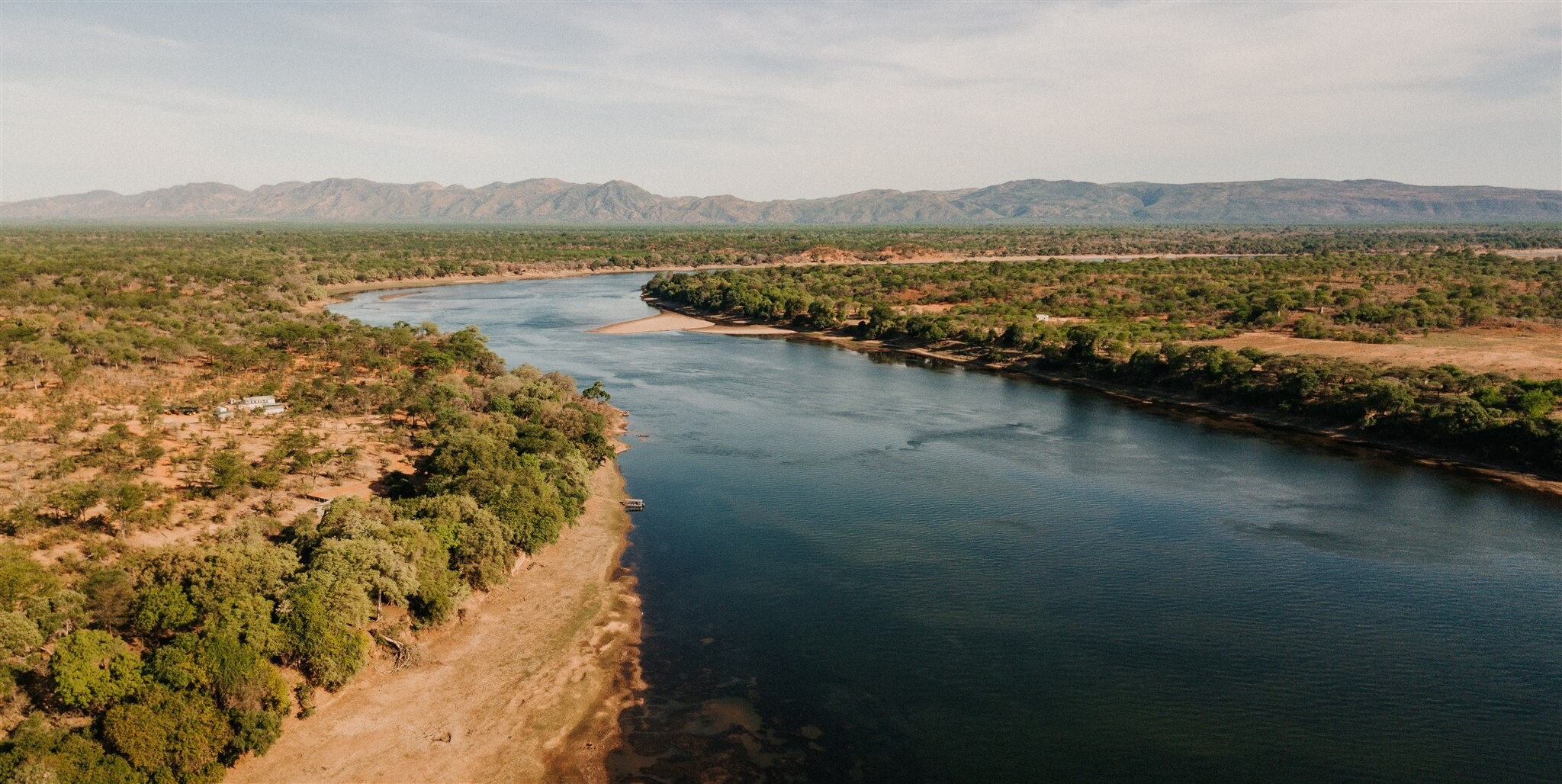
Africa’s vast natural landscapes offer a $10 trillion opportunity for nature-positive economic growth. Image: Tara Shupe
Dorothy Abade-Maseke
Africa Lead, Nature Finance and Taskforce on Nature-related Financial Disclosures (TNFD); Head, ANCA Secretariat, Financial Sector Deepening Africa - FSD Africa- Africa possesses an abundance of biodiversity hotspots that function as critical but severely underfunded natural infrastructure.
- Traditional conservation models are inherently risky due to their over reliance on a single income stream like donor funding.
- Specialized platforms unlock private and institutional capital by layering long-term revenue streams, such as ecotourism, carbon and biodiversity markets.
Africa’s natural capital is one of the continent’s greatest economic assets, yet it remains significantly underfinanced.
Home to some of the world’s most important biodiversity hotspots and intact landscapes, Africa provides critical ecosystem services that underpin livelihoods, food systems, water security and economic resilience. Yet despite more than half of global GDP being moderately or highly dependent on nature and its services, the ecosystems that provide this foundational infrastructure remain largely absent from mainstream investment portfolios.
This disconnect represents one of the most urgent capital allocation challenges of our time. While governments, businesses and investors increasingly recognize the long-term systemic risks posed by biodiversity loss and ecosystem degradation, the financial structures needed to attract capital into conservation have lagged behind.
Simultaneously, a genuine economic opportunity exists. According to a 2020 report from the World Economic Forum, transitioning to a nature-positive economy could create more than $10 trillion in annual business opportunities and nearly 400 million jobs by 2030, offering a windfall of employment opportunities for Africa’s young and growing population.
A new approach for Africa’s natural capital
Africa’s natural landscapes have long been recognized for their ecological importance, yet they are rarely financed or managed as productive assets. Increasingly, however, investors are beginning to view healthy ecosystems as a form of natural infrastructure. Forests regulate climate, wetlands buffer floods, grasslands support food production, and conservation landscapes generate ecosystem services.
Unlike built infrastructure, which depreciates over time, natural infrastructure is regenerative. When protected and properly managed, ecosystems naturally appreciate in value, as biodiversity recovers, ecological resilience strengthens, and the volume and diversity of ecosystem services increases. Seen through this lens, conservation is neither a sunk cost nor a liability; it is the active management of an appreciating, income-generating asset.
Financing these natural assets requires investment instruments aligned to the risk profile, time horizon and revenue-generating characteristics of conservation landscapes. Blended finance structures, which combine philanthropic, public and private capital, help match different risk-return appetites across the investment lifecycle. In the context of conservation, philanthropic funding can play a powerful catalytic role, supporting early-stage activities such as landscape identification, project origination, due diligence, stakeholder engagement, and the establishment of governance and management systems. Such approaches help reduce risk and create the enabling conditions for larger pools of private capital to participate.
However, reducing real and perceived investment risk is only part of the equation. Many conservation projects have historically relied on a single revenue source, most commonly donor funding or tourism receipts, highlighting the need for more resilient and diversified revenue models capable of attracting capital at scale.
From single-income streams to diversified platforms
Today, a growing number of conservation initiatives are repositioning landscapes as diversified natural capital investment platforms. Rather than relying on a single income stream, these models seek to combine multiple sources of revenue generated by healthy ecosystems. This diversification can strengthen financial returns and improve the resilience and investability of natural landscapes. Economic opportunities include nature-positive tourism, carbon finance, biodiversity credits, other payments for ecosystem services, regenerative supply chains, and outcome-linked financing mechanisms.
Consequently, we are seeing the emergence of a new generation of specialized natural capital investment platforms that identify high-potential conservation landscapes, secure long-term management rights, and build the governance and financial foundations needed to attract investment.
The Natural Investments Platform is one such example. It combines blended finance with a diversified revenue model, seeking to transform underfunded conservation landscapes into investable natural capital capable of generating environmental, social and financial returns. The approach has already received investment support from the Restoration Seed Capital Facility and was recently selected for the Climate Policy Initiative’s Global Innovation Lab for Climate Finance. Importantly, Natural Capital’s investment platform is not designed for single asset investing; it is a replicable and scalable model capable of unlocking private capital across a much larger portfolio of Africa’s natural assets.
An existing enabling environment
The opportunity to scale natural capital investments across Africa is further strengthened by many African countries already possessing the necessary policy, legal and regulatory foundations to enable investor involvement.
Across much of the continent, governments and communities have long used concession agreements, long-term leases and other management arrangements to enable private sector participation in the stewardship of conservation landscapes. This enabling policy environment provides the requisite security of tenure, governance frameworks and revenue-sharing mechanisms needed to attract investment, while ensuring that governments and local communities benefit from the long-term returns generated by their sovereign natural assets.
From theory to implementation
An example of this approach can be found in Zimbabwe’s Zambezi Valley.
The Middle Zambezi Conservation Project – Natural Capital’s flagship conservation investment initiative – spans more than 126,000 hectares of ecologically significant wilderness and is managed through 25-year renewable lease agreements in partnership with the Zimbabwe Parks and Wildlife Management Authority.
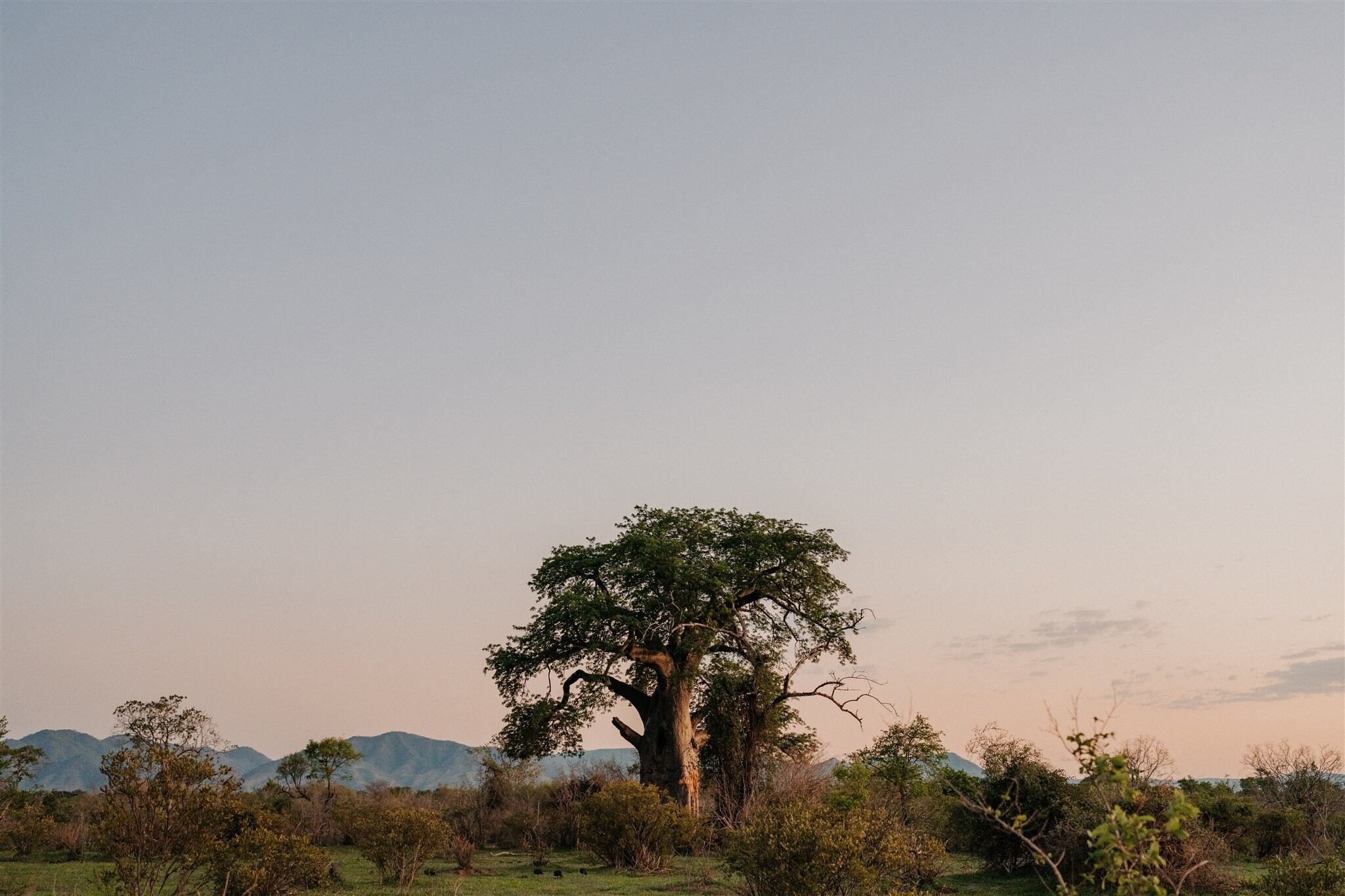
Rather than relying on a single source of income, the project has been structured around a diversified revenue model that combines ecotourism and sustainable wildlife activities with expansion into carbon and biodiversity markets. By securing long-term tenure, combined with detailed financial modelling and a robust investment case, the project has created a clear pathway for private capital participation. More than $7 million has been mobilized to date, and revenues are already flowing back into the project.
Importantly, the model is designed to generate value for key stakeholders. Through lease payments, tourist fees and bed night levies, alongside employment opportunities and community initiatives, governments and local communities share in the economic benefits created by a well-managed landscape, strengthening incentives for long-term conservation.
The opportunity ahead
The value of nature is increasingly recognized. The challenge now is turning that value into compelling investment opportunities capable of attracting private and institutional capital to protect and restore critical natural landscapes before it is too late.
Africa is well-poised to lead this transition. With globally significant natural assets, rapidly evolving policy frameworks and innovative financing approaches already emerging, the continent has an opportunity to demonstrate how conservation can advance from donor dependence to a mainstream impact investment opportunity with the necessary systems, structures and instruments to finance it at the speed and scale required.
Don't miss any update on this topic
Create a free account and access your personalized content collection with our latest publications and analyses.
License and Republishing
World Economic Forum articles may be republished in accordance with the Creative Commons Attribution-NonCommercial-NoDerivatives 4.0 International Public License, and in accordance with our Terms of Use.
The views expressed in this article are those of the author alone and not the World Economic Forum.
Stay up to date:
Africa


Forum Stories newsletter
Bringing you weekly curated insights and analysis on the global issues that matter.
More on Nature and BiodiversitySee all

Eleanor Ross
October 13, 2026


