

Climate Action and Waste Reduction
4 ways heat action plans can protect women in South Asia
Women are often more exposed to heat risk in South Asia. But governments can take four steps to create more equitable heat action plans to protect them.

Aarti Lila Ram is a Chevening Scholar with a Master’s in Gender, Policy, and Inequalities from the London School of Economics and Political Science.
She has six years’ experience advancing gender-responsive climate resilience and inclusive development in Pakistan. As Deputy Manager of Sustainability at Engro Foundation, she led programmes on sustainable fisheries, digital inclusion for women and youth, and mangrove restoration.
Beyond her institutional role, she has trained more than 25,000 women and girls on gender equality and leadership, addressing structural violence against women.
Her work bridges grassroots empowerment and inclusive development to advance gender equality and climate justice.
Women are often more exposed to heat risk in South Asia. But governments can take four steps to create more equitable heat action plans to protect them.
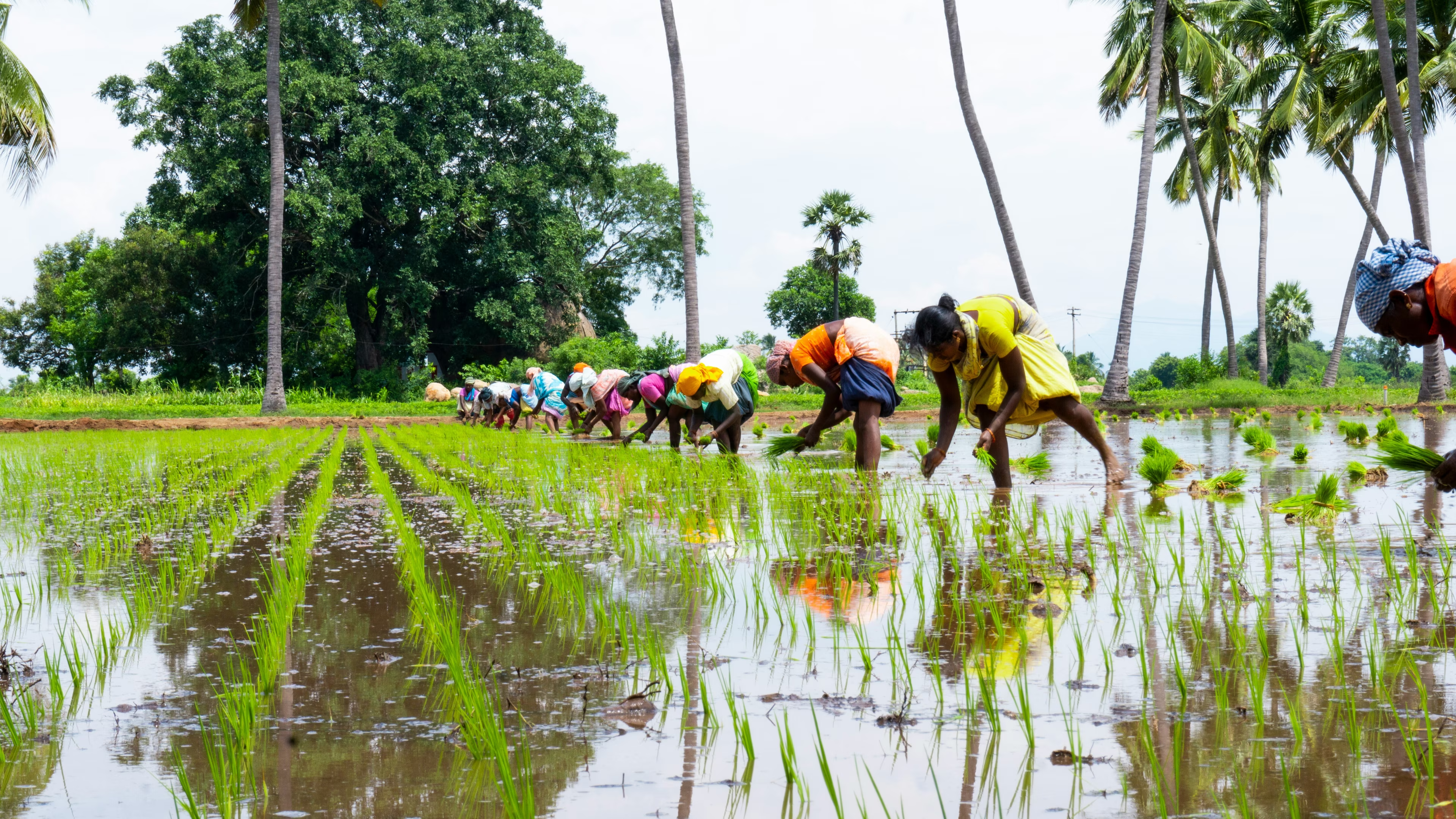
Integrar la perspectiva de género en la resiliencia ante inundaciones es clave: permite mejores sistemas de alerta temprana y empodera a las mujeres para una rápida recuperación tras desa...
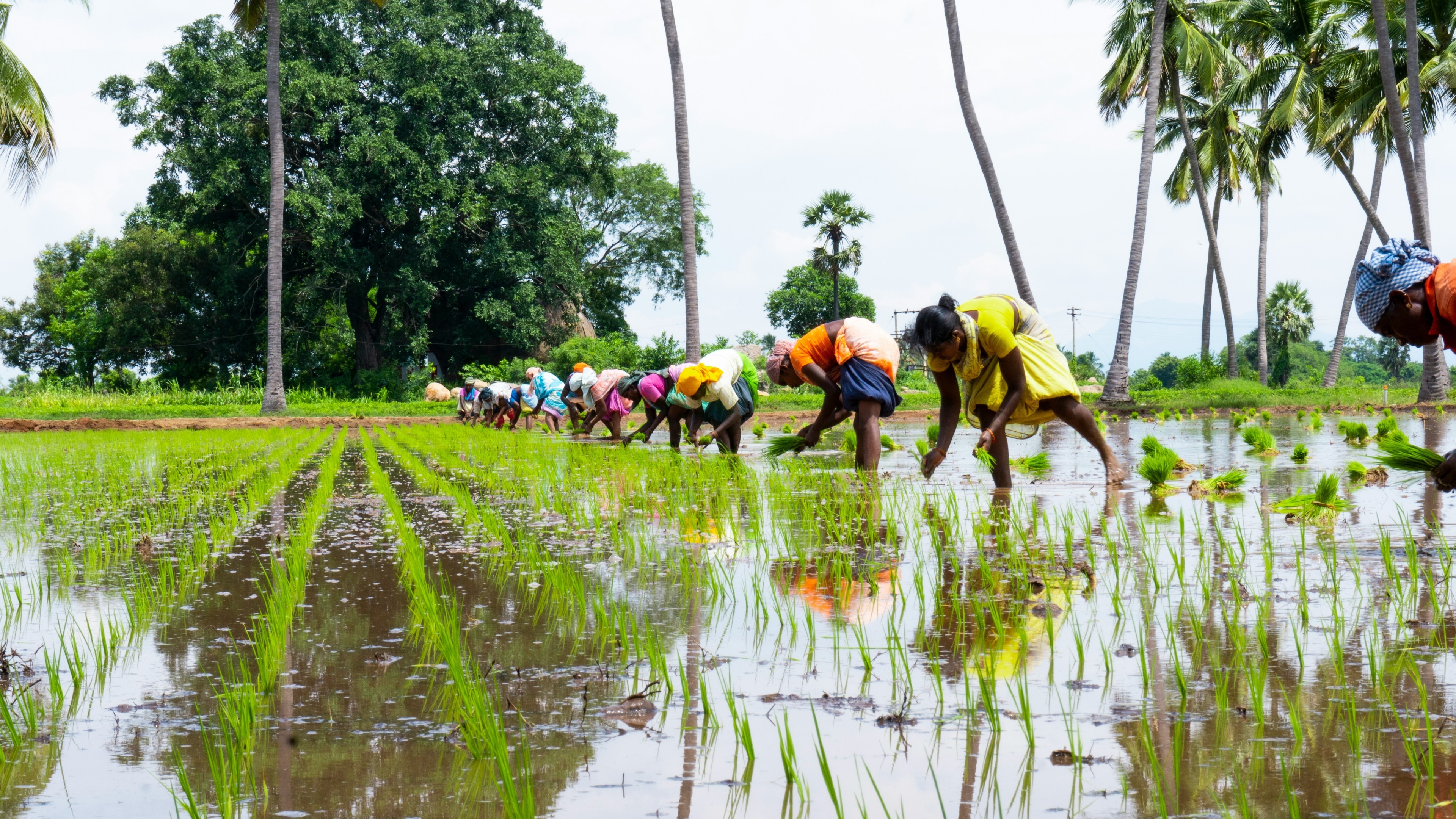
Gender-responsive flood resilience creates better early-warning systems and empowers female farmers and business owners to recover quickly after disasters.

Extreme heat in South Asia disproportionately impacts vulnerable communities. Here's why climate finance is key to fighting adverse effects.

Indigenous communities are among those most greatly impacted by climate change. Here's why we must include them in solutions to tackle the climate crisis.

By increasing women's representation in decision-making through gender-responsive policies, South Asian women can play a key role in tackling climate change.


