


Economic Growth
银发族如何重塑全球经济?
60岁及以上人群仅占全球人口的15%,却贡献了全球消费支出的27%,约19万亿美元。预计到2036年,这一数字将翻一番,达到34万亿美元,届时全球近三分之一的消费支出将来自60岁以上人群。

Anna Kiknadze is a thought leadership associate at World Data Lab. She holds a master’s degree in Sociology from the University of Amsterdam, and a degree in Politics, Rights, and Development from New York University.
60岁及以上人群仅占全球人口的15%,却贡献了全球消费支出的27%,约19万亿美元。预计到2036年,这一数字将翻一番,达到34万亿美元,届时全球近三分之一的消费支出将来自60岁以上人群。

The 60+ consumer is becoming the fastest-growing consumption engine, requiring a shift in corporate strategy across tech, healthcare and lifestyle sectors.
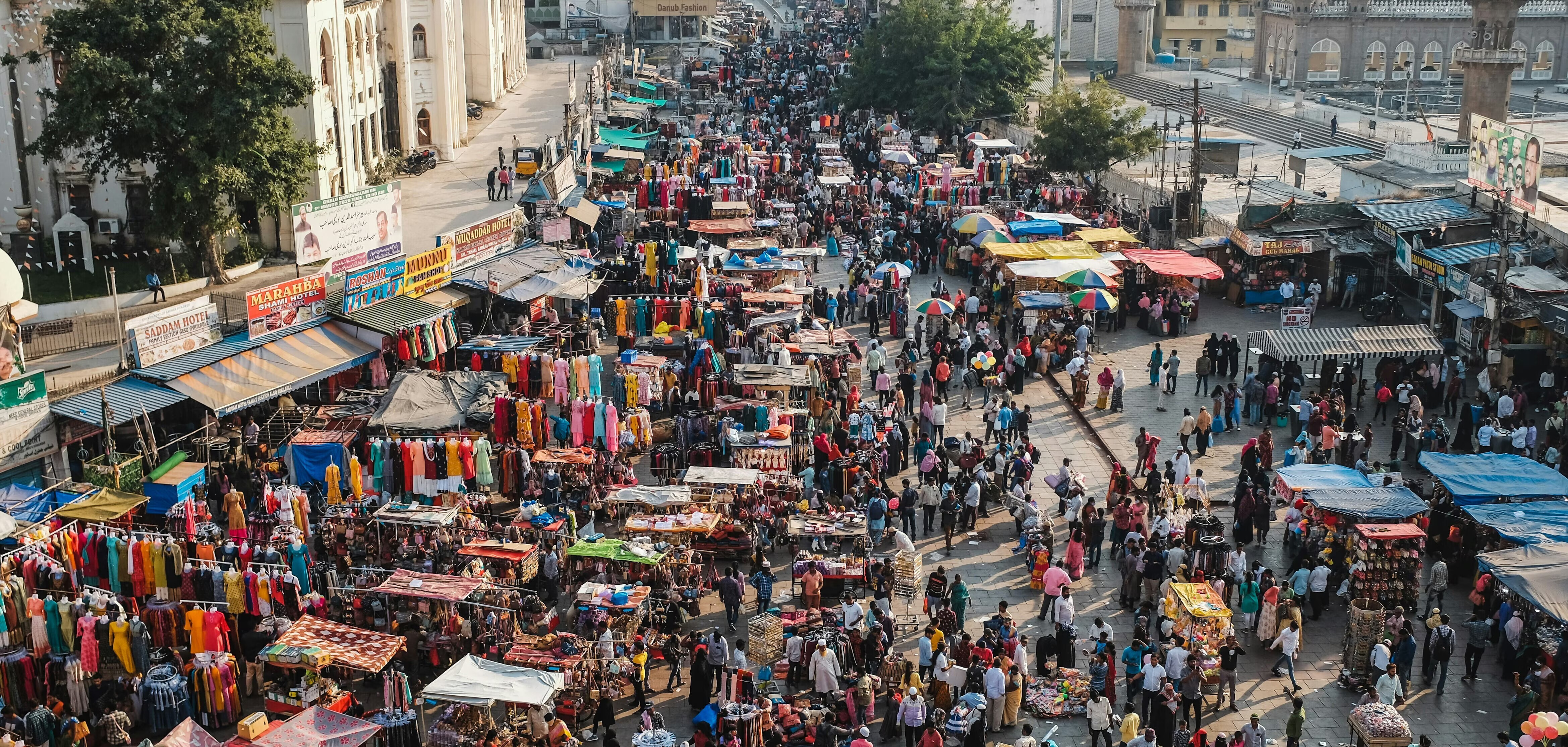
グローバル企業がインドのメガシティに集中する一方で、消費パターンの根本的な変化が進行中です。今後15年間で、インドの都市部消費者層の成長の93%は、国内5大都市以外で発生する見込みです。この分布状況を踏まえ、企業が世界有数の重要新興市場にどうアプローチするかを再考する必要があります。
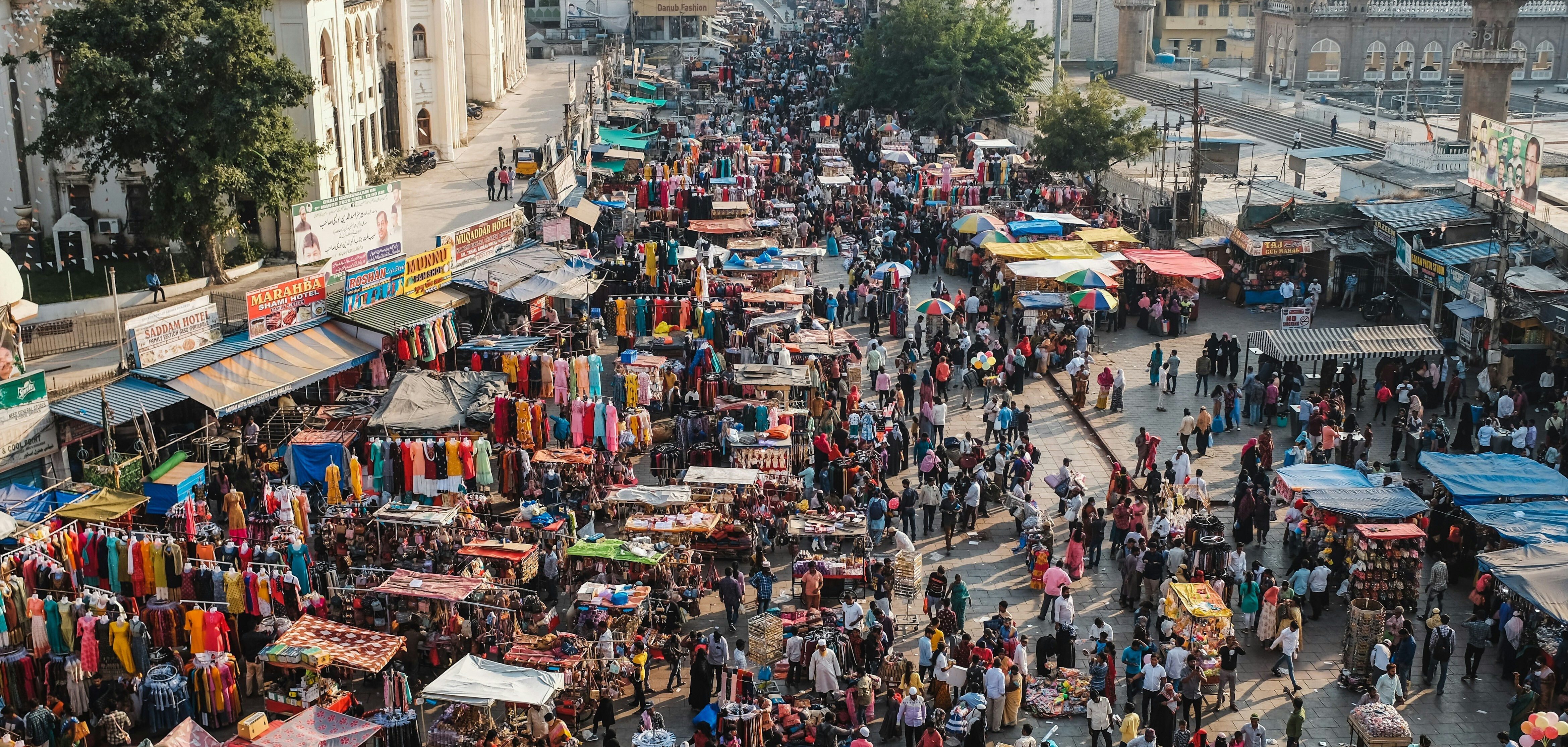
India is undergoing a massive urban shift where 93% of consumer growth is decentralizing.

多くの経済分析は、個人の所得、支出、生産性など個人に焦点を当てています。一方で、支出の決定が行われるのは世帯単位であり、家族の力学、共有資源、集団的なニーズが購買決定に影響を与えます。個人の視点から世帯の視点へ視点を移すと、経済の発展を左右するこうした構造的な差異から、個人レベルのデータでは捉えきれない経済的パターンが見えてくるでしょう。

A household of ten people sharing housing costs operates under entirely different economic development constraints than a single-person household bearing those costs alone.


