

Supply Chains and Transportation
サプライチェーンの新たな時代を実現する方法
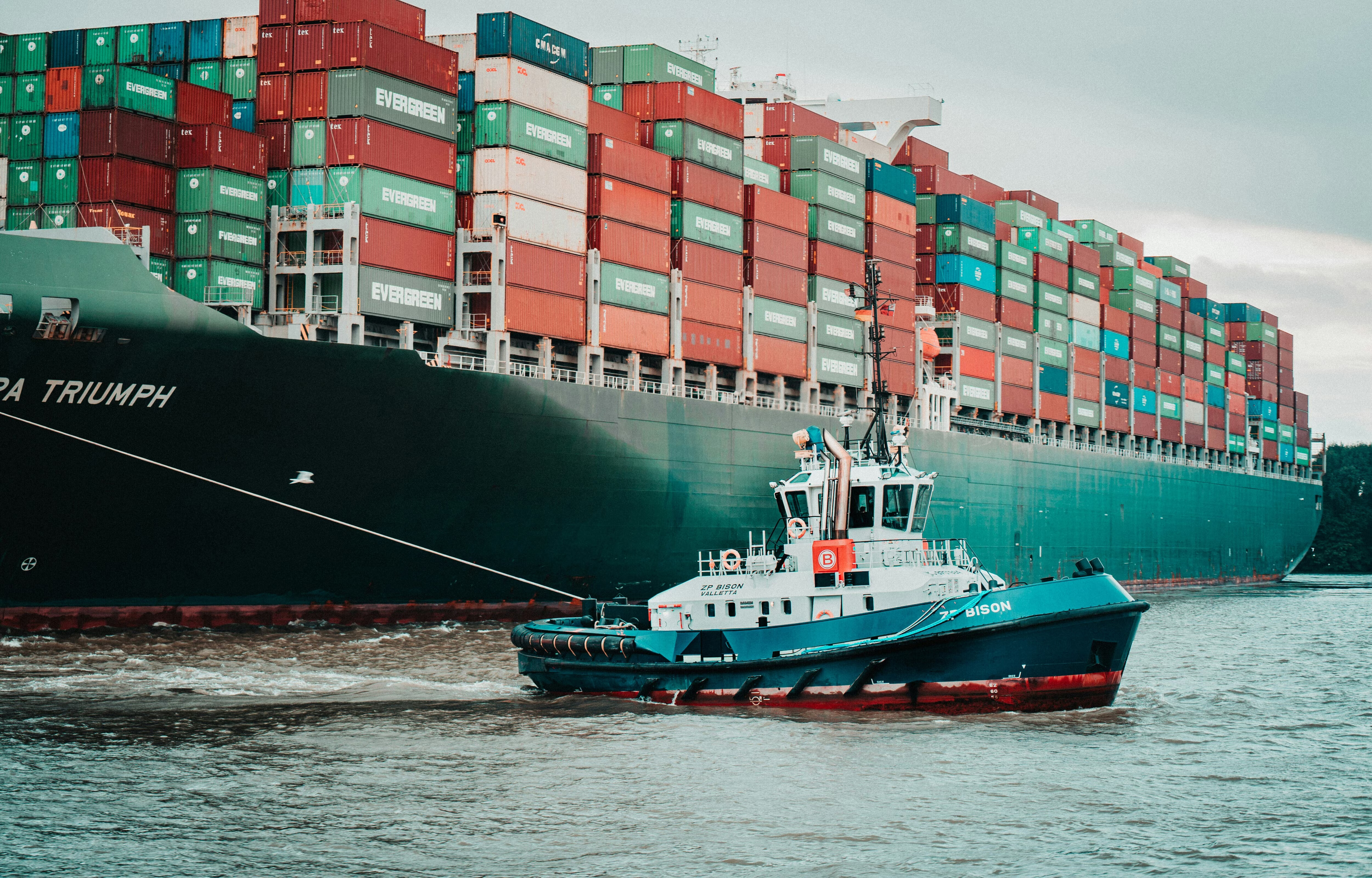
国境を越えて資材が流れ、製造が最低賃金地域に集中し、ジャストインタイムの在庫管理が無駄を最小化していた時代は、もはや存在しません。『Global Value Chains Outlook 2026(グローバル・バリューチェーン・アウトルック2026)』は、変動性が構造化しつつある中で、サプライチェーンがどのように進化しているかを検証しています。

Kiva Allgood is a Managing Director at the World Economic Forum, where she leads the San Francisco office and oversees three partner-centric teams: the Centre for Advanced Manufacturing and Supply Chains, the Centre for Urban Transformation, and the Experience Economy. In this capacity, she helps shape the Forum’s global engagement with industry, government, academia and civil society to build more resilient, sustainable and future-ready industrial, urban and experience economy ecosystems. Before joining the Forum, Kiva spent more than 25 years as a global technology executive, spanning frontier technologies, innovation strategy and strategic transformation across leading multinational companies, including GE and Qualcomm. Kiva holds a Bachelor of Science from Northwestern University and an MBA from the Kellogg School of Management. Her leadership and impact have been recognized through numerous honors, including the 2024 Forbes 50 Over 50 Innovation Award, the 2023 CEO of the Year (Utah Business), and the 2022 Silver Stevie Award for Women in Business – Executive of the Year, as well as recognition as a 2022 Woman in Technology.
国境を越えて資材が流れ、製造が最低賃金地域に集中し、ジャストインタイムの在庫管理が無駄を最小化していた時代は、もはや存在しません。『Global Value Chains Outlook 2026(グローバル・バリューチェーン・アウトルック2026)』は、変動性が構造化しつつある中で、サプライチェーンがどのように進化しているかを検証しています。

Intelligent infrastructure, from 5G to integrated computing networks, is driving industrial transformation and boosting global competitiveness.
The Global Value Chains Outlook 2026, produced by the World Economic Forum and Kearney, explores how supply chains are adapting to an era of structural volatility.

Data centres depend on metals, and the rapid scale-up of AI technologies is pushing their material intensity higher. Metals must scale for AI to scale.
産業変革はもはや単発の実験の連続ではありません。32カ国にわたる1,000件以上の実例から得られたエビデンスは明白です。企業はパイロット段階を超え、複数のテクノロジーを同時に導入し、測定可能な成果を上げています。工場は今やテクノロジー企業だと言えるでしょう。
Insights from over 1,000 industrial transformations prove progress happens when processes advance together – not through isolated pilots.
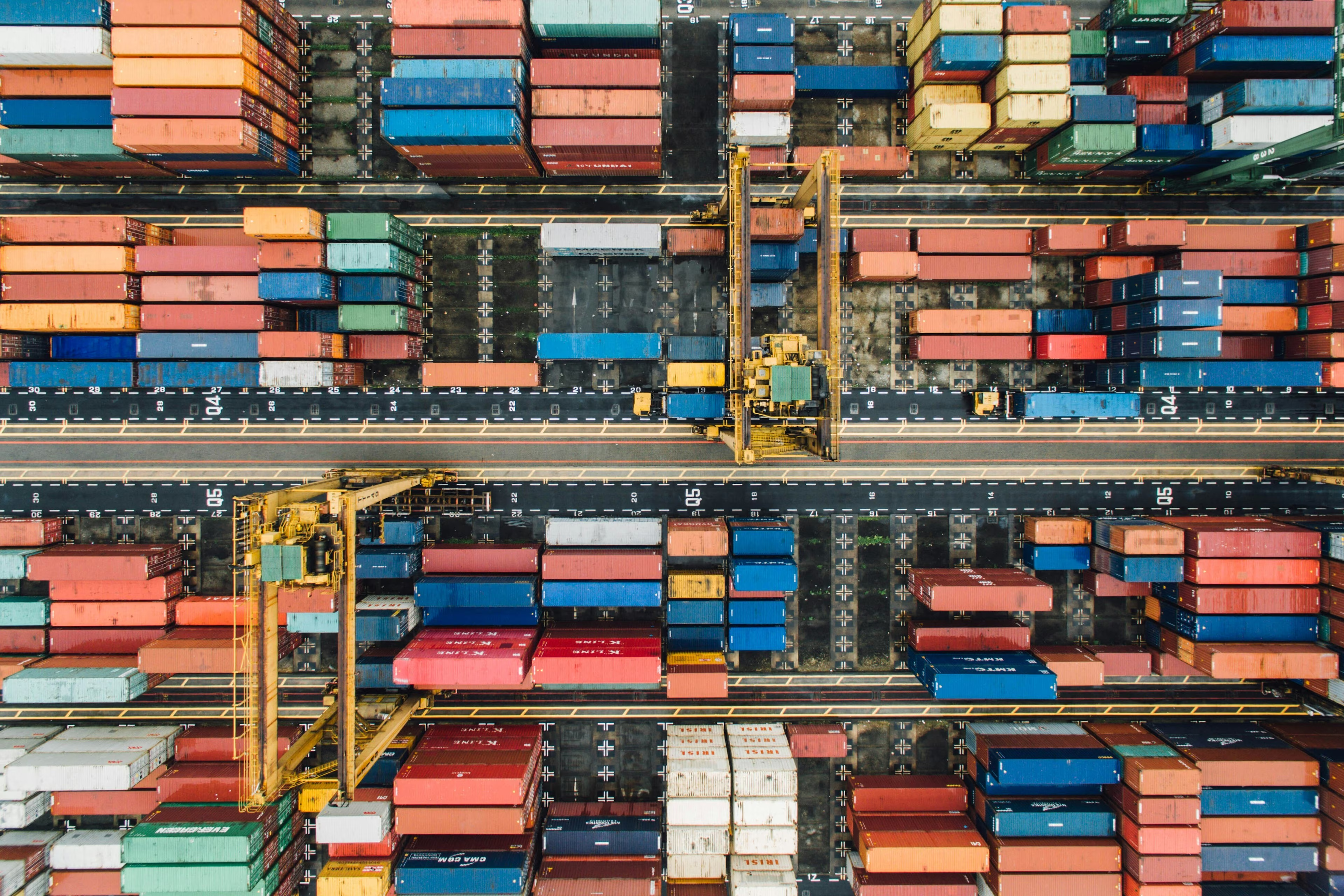
Las cadenas de suministro globales enfrentan una creciente fragmentación y una divergencia económica que dan lugar a cuatro escenarios plausibles, que van desde la cooperación multilatera...

Women are underrepresented in manufacturing. Three leaders share how curiosity, confidence and better education can empower the next generation.

Global supply chains face rising geopolitical fragmentation and economic divergence, driving four plausible outlooks, from multilateral cooperation to full degradation.

As the prevalence and impact of AI agents rise, the importance of understanding and selecting the right model rises too. Find out what to look for here.

今後5年の間に約8,000万の新しい雇用が創出され、米国の製造業では2033年までに380万人の新しい人材が必要になると予測されています。インディアナ州のアイビー・テック・コミュニティ・カレッジの労働力供給モデルは、生徒が未来の職場で必要となるスキルを習得することを支援し、スキル不足に対処しています。

Indiana's Ivy Tech Community College's scalable workforce model enables students to gain workplace skills and addresses the manufacturing skills shortage.

La manufactura se encuentra en una encrucijada transformadora en la que convergen la sostenibilidad y la innovación. Así se discutió el tema en Davos 2025.

Speakers at this year's World Economic Forum annual meeting revealed how manufacturing is at a transformative crossroads where sustainability and innovation converge

Un nuevo informe destaca siete factores de preparación críticos a nivel país para la toma de decisiones en la cadena de valor en una época de cambios geopolíticos.


