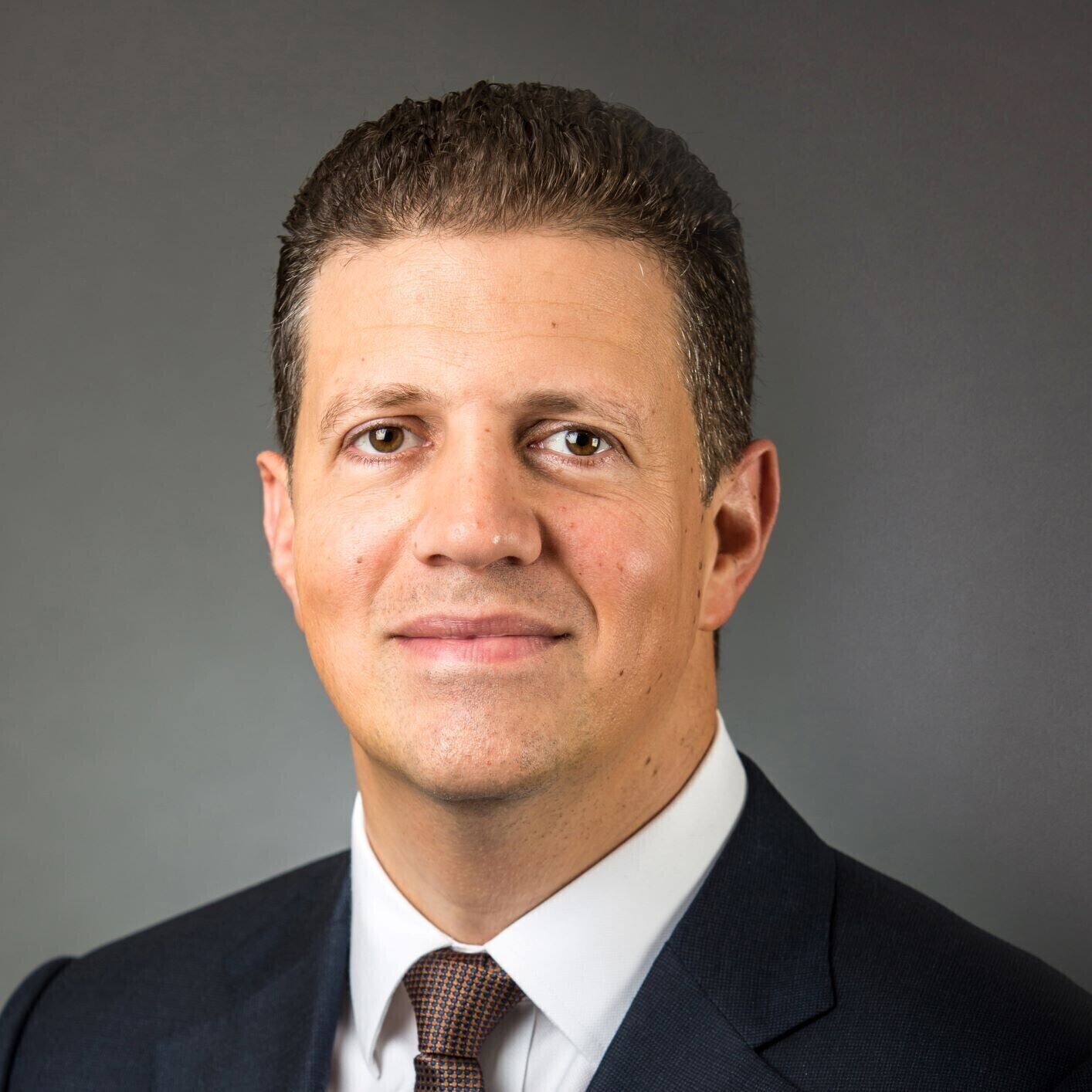
Majid Jafar is the CEO of Crescent Petroleum, the Middle East's oldest private oil & gas company, and Vice-Chairman of the Crescent Group of companies, a UAE headquartered family group which includes interests in port management, logistics, venture capital, private equity and real estate. He is also Managing Director of the Board of Dana Gas (PJSC), the Middle East’s leading publicly listed natural gas company, listed on the Abu Dhabi Exchange (ADX), in which Crescent is the largest shareholder. His previous experience was with Shell International's Exploration & Production and Gas & Power Divisions.
An advocate of responsible energy to drive economic development, he serves on numerous boards and advisory boards including: the Arab Forum for Environment & Development, the International Energy Forum in Riyadh, the Royal Institute of International Affairs (Chatham House) in London, and the Atlantic Council in Washington DC, and is also a member of the GCC Board Directors Institute and the Young Presidents Organization (YPO), an Accredited Director of the Institute of Directors (IoD Mudara), and was named a Young Global Leader by the World Economic Forum.
He is active in the non-profit space in children’s health and rare diseases as co-founder of the Loulou Foundation and serves on the Board of Fellows of Harvard Medical School, where he co-chairs the Discovery Council. He also co-chairs the campaign for Cambridge Children’s Hospital, is a member of the Advisory Council for the Oxford-Harrington Rare Disease Centre, and is a Founders Circle supporter of the Jalila Foundation.
Majid Jafar attended Eton College and graduated from Cambridge University (Churchill College) with Bachelor and Masters Degrees in Engineering (Fluid Mechanics and Thermodynamics). He also holds an MA (with Distinction) in International Studies and Diplomacy from the University of London’s School of Oriental & African Studies (SOAS), an MBA (with Distinction) from the Harvard Business School, and an Executive Certificate in Public Policy from the Harvard Kennedy School of Government. He has also been awarded an honorary doctorate from the UMASS Chan Medical School.