


Economic Growth
我们正在经历新冠肺炎疫情过后的K型复苏吗?
自疫情爆发以来,我们了解到不同的复苏曲线:Z型复苏(乐观:衰退,反弹至危机前的增长态势)、V型复苏(乐观:急剧下降,迅速复苏)、U型复苏(有点悲观:介于衰退与复苏之间的时期)、W型复苏(悲观:复苏,第二次下降)与L型复苏(最悲观:持续低迷)。
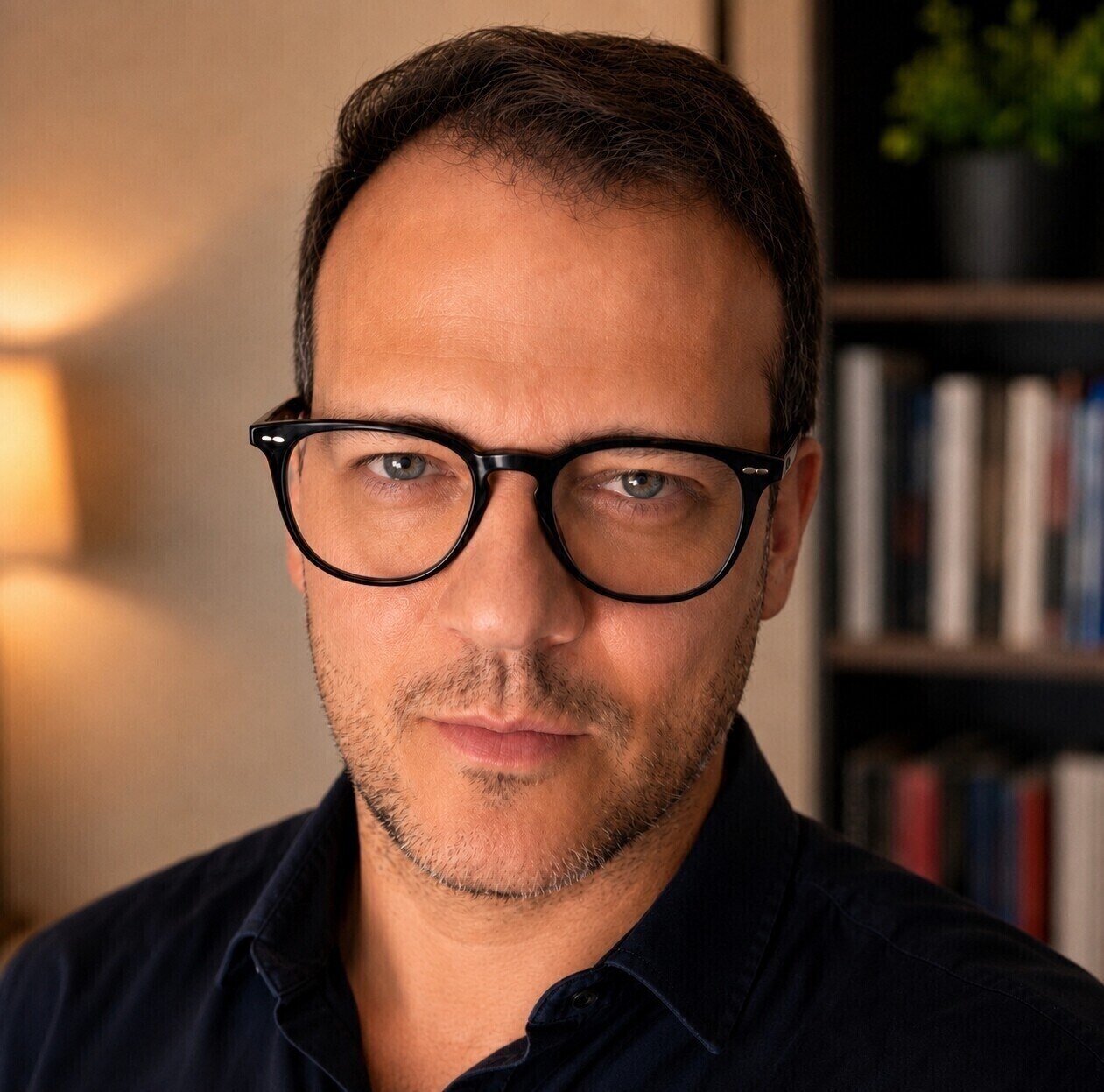
Mark Esposito, Professor of Strategy and Technology Policy, Faculty Fellow at the Center for Emerging Markets, and Affiliate Scientist of the Global Resilience Institute at Northeastern University, is a globally recognized scholar, educator, and practitioner at the forefront of technology, economics, and public policy. He specializes in the Fourth Industrial Revolution and artificial intelligence, with expertise spanning academia, international organizations, and the private sector.
Mark Esposito equally holds appointments at Harvard University, where his affiliations span the Berkman Klein Center for Internet and Society at Harvard Law School, the Center for International Development at Harvard Kennedy School, and the Institute for Quantitative Social Science. He is also a Senior Associate at the University of Cambridge, an institution with which he has maintained deep ties since he joined as inaugural fellow the Circular Economy Research Center at Cambridge Judge Business School in 2016, a role he held through 2020.
Mark is closely connected to policy and innovation initiatives worldwide. He is a member of the World Economic Forum's Global AI Alliance, Fostering Converging Technologies group and Next Frontier of Operations, Centre for Advanced Manufacturing and Supply Chains. He has been a Fellow at the Mohammed Bin Rashid School of Government in Dubai since 2017. He has advised government agencies across the Gulf Cooperation Council and Eurasia, and for over a decade co-led the Institute's Council on Microeconomics of Competitiveness at Harvard Business School under Professor Michael Porter. An accomplished entrepreneur, he co-founded Nexus FrontierTech, an influential machine learning research firm, as well as The Chart ThinkTank and the AI Native Foundation. He currently serves as Chief Economist of micro1, a Silicon Valley AI lab developing human intelligence platforms for the training of frontier AI models.
He holds a doctoral degree from École des Ponts ParisTech in France, the world's oldest civil engineering school.
自疫情爆发以来,我们了解到不同的复苏曲线:Z型复苏(乐观:衰退,反弹至危机前的增长态势)、V型复苏(乐观:急剧下降,迅速复苏)、U型复苏(有点悲观:介于衰退与复苏之间的时期)、W型复苏(悲观:复苏,第二次下降)与L型复苏(最悲观:持续低迷)。

New research from JP Morgan suggests the recovery from the COVID-19 pandemic might be K-shaped - with implications for SMEs in particular.

Our adoption of AI technology has accelerated during the pandemic. It's time for a deeper conversation on what we need from AI in order to respond to future crises.

Fintech startups are offering new, innovative services to increase financial inclusion.

As the world continues to grapple with COVID-19, the Massachusetts Institute of Technology looks at the AI tools which have been used in the pandemic.

As they become more prevalent it is in everyone's interest to consider how technologies such as self-driving cars will navigate life-or-death ethical dilemmas in the real world.

Consumers need to be made more aware of just how much of what they do on the internet is traceable, as recent scandals highlight.

As nations race to create the next AI innovation, working together could provide us with more benefits and fewer risks.

数据统治了我们的生活,因为它不仅能告诉公司我们的需求,还能帮助我们记录并分类所求、所需、所忽视的事物。所有的决定都会被模式替代,而模式合在一起就是我们自身的样子。现在,我们被各种模式环绕,甚至被其赶超——在餐厅里,我们会让其知道我们是否有过敏史;在零售店里,我们会让其知道我们喜欢的服装尺码。这样的世界运行方式已摆在我们眼前,如果还有人将其标榜为科幻小说,那他不是缺乏想象力...

As AI increasingly influences our lives, it might be that its governance will require further artificial intelligence.

More venture capital, less labour law and a 21st-century education system are how Europe can beat the trap of falling living standards for future generations.

New technology has the capacity to revolutionize education, but only if we let it.

Humans will work increasingly closely with machines, and we need to prepare people for that.

Humans will work increasingly closely with machines, and we need to prepare people for that.

A comparison between two economic indicators shows how competitiveness is more closely related to social progress than to GDP.


