


人类即将踏上人工智能之旅
人们对计算机分析和学习技术进行了研究,并把它们用于了人工智能领域。人工智能代表了人们的雄心壮志:创造能够思考、学习、解决问题的机器。在应用方面,和人类的心智别无二致。
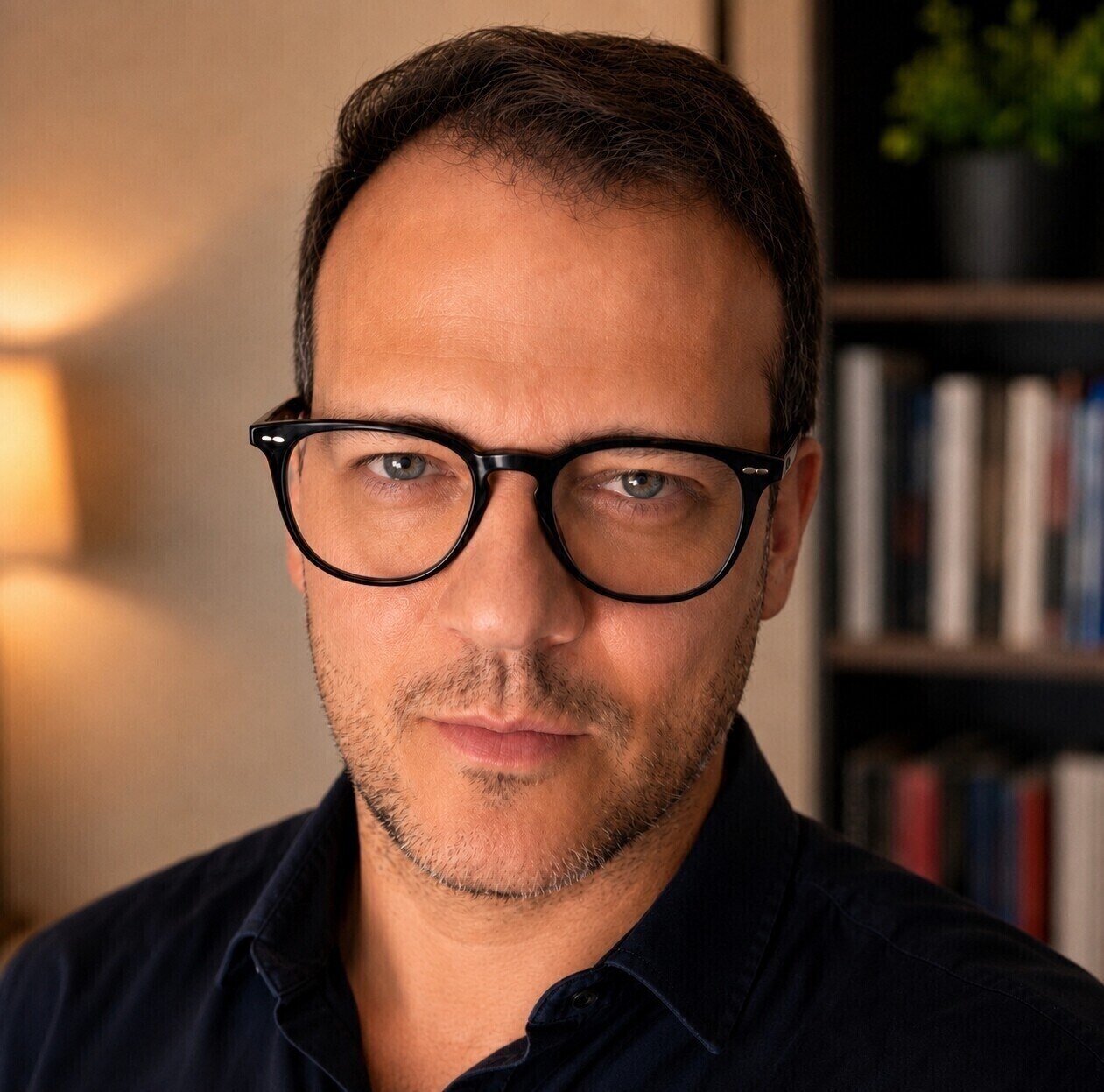
Mark Esposito, Professor of Strategy and Technology Policy, Faculty Fellow at the Center for Emerging Markets, and Affiliate Scientist of the Global Resilience Institute at Northeastern University, is a globally recognized scholar, educator, and practitioner at the forefront of technology, economics, and public policy. He specializes in the Fourth Industrial Revolution and artificial intelligence, with expertise spanning academia, international organizations, and the private sector.
Mark Esposito equally holds appointments at Harvard University, where his affiliations span the Berkman Klein Center for Internet and Society at Harvard Law School, the Center for International Development at Harvard Kennedy School, and the Institute for Quantitative Social Science. He is also a Senior Associate at the University of Cambridge, an institution with which he has maintained deep ties since he joined as inaugural fellow the Circular Economy Research Center at Cambridge Judge Business School in 2016, a role he held through 2020.
Mark is closely connected to policy and innovation initiatives worldwide. He is a member of the World Economic Forum's Global AI Alliance, Fostering Converging Technologies group and Next Frontier of Operations, Centre for Advanced Manufacturing and Supply Chains. He has been a Fellow at the Mohammed Bin Rashid School of Government in Dubai since 2017. He has advised government agencies across the Gulf Cooperation Council and Eurasia, and for over a decade co-led the Institute's Council on Microeconomics of Competitiveness at Harvard Business School under Professor Michael Porter. An accomplished entrepreneur, he co-founded Nexus FrontierTech, an influential machine learning research firm, as well as The Chart ThinkTank and the AI Native Foundation. He currently serves as Chief Economist of micro1, a Silicon Valley AI lab developing human intelligence platforms for the training of frontier AI models.
He holds a doctoral degree from École des Ponts ParisTech in France, the world's oldest civil engineering school.
人们对计算机分析和学习技术进行了研究,并把它们用于了人工智能领域。人工智能代表了人们的雄心壮志:创造能够思考、学习、解决问题的机器。在应用方面,和人类的心智别无二致。

AI is absolutely nothing new, but there's still more to come.

The circular economy, if used properly, could dramatically decrease waste.

Neural networks and deep learning will have a huge impact on the future of AI.

The authors explain what machine learning is, its implications and its applications.

随着2016年美国总统大选的结束以及“后真相时代”的兴起,是时候围绕教育领域创新开展一番讨论了。 教育领域面临的最大挑战是什么,又有哪些解决方案正在路上? 谁来负责重塑有缺陷的教育制度? 虽然教育制度的相关问题来自多个维度,但有件事情我们是能够确信的:要想改变社会,就得从教育后代开始做起,而这正是现在所发生的事情。 如果你环视整个教育行业,显然许多组织已经建立起了全新且...

In the wake of the US presidential election and the rise of the post-truth information era, it seems timely to open a discussion around innovation in the education sphere. What are the bi...
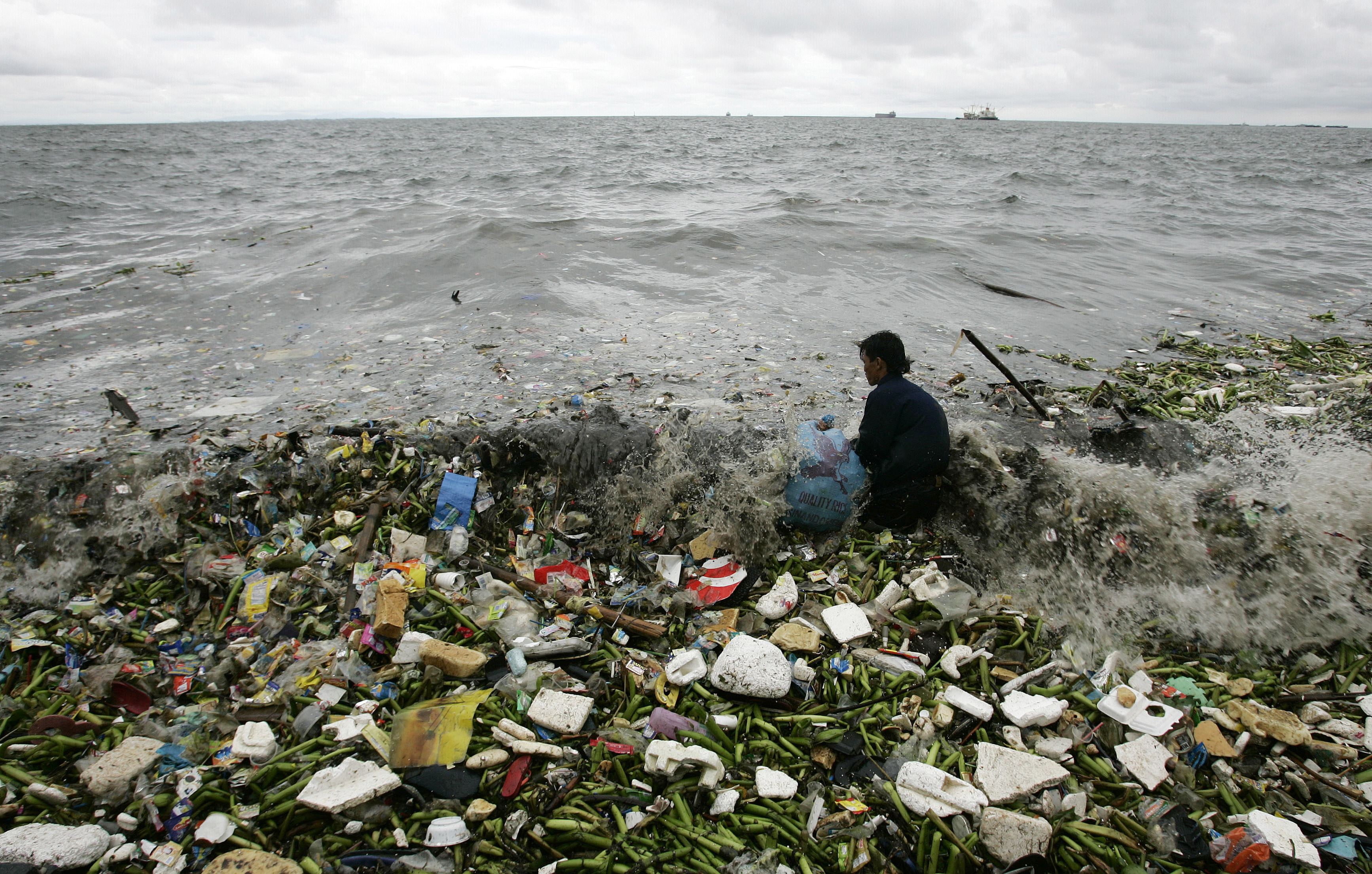
A look at how green chemistry can become an important foundation of the circular economy.

The luxury automotive industry is a mature industry that has traditionally focused on high quality design and manufacturing, as well as prestige marketing. Its above-average Cost of Sales...

“The need for electricity as a result of more electric vehicles could see peak demand rise by 30% by 2035.”

Europe must embrace innovation and entrepreneurship, argue Mark Esposito and Terence Tse.

While we recognize the historical rationale of GDP and its unintentional shortcomings, it's time for an alternative.

The BRICS club, which used to be known for its tremendous growth potential, is today in the midst of severe economic and political woes.

Advanced technological breakthroughs are changing how we diagnose and treat disease.

The DRIVE framework can help bring a little clarity to a seemingly unpredictable world.


