

Emerging Technologies
3 challenges en route to electric vehicle batteries driving the circular economy
Half of electric vehicles' production emissions are accounted for by the battery. How can we ensure they are fully recyclable?
Dr. Maya Ben Dror is a global strategist and catalyst for systems innovation with nearly two decades of experience across start-ups, scale-ups, governments and non-profits on three continents. Her work spans cleantech, the mobility ecosystem, manufacturing and AI for cooperation. As co-founder of ComplexChaos, she builds AI tools to enhance large-scale human collaboration. Previously, she led sustainability and mobility initiatives at the World Economic Forum and has advised venture capital firms and global boards on mobility, sustainability and innovation.
Half of electric vehicles' production emissions are accounted for by the battery. How can we ensure they are fully recyclable?

The market in electric vehicles is growing fast – but not fast enough. To scale up effectively, we need to invest in battery swapping and electric roads
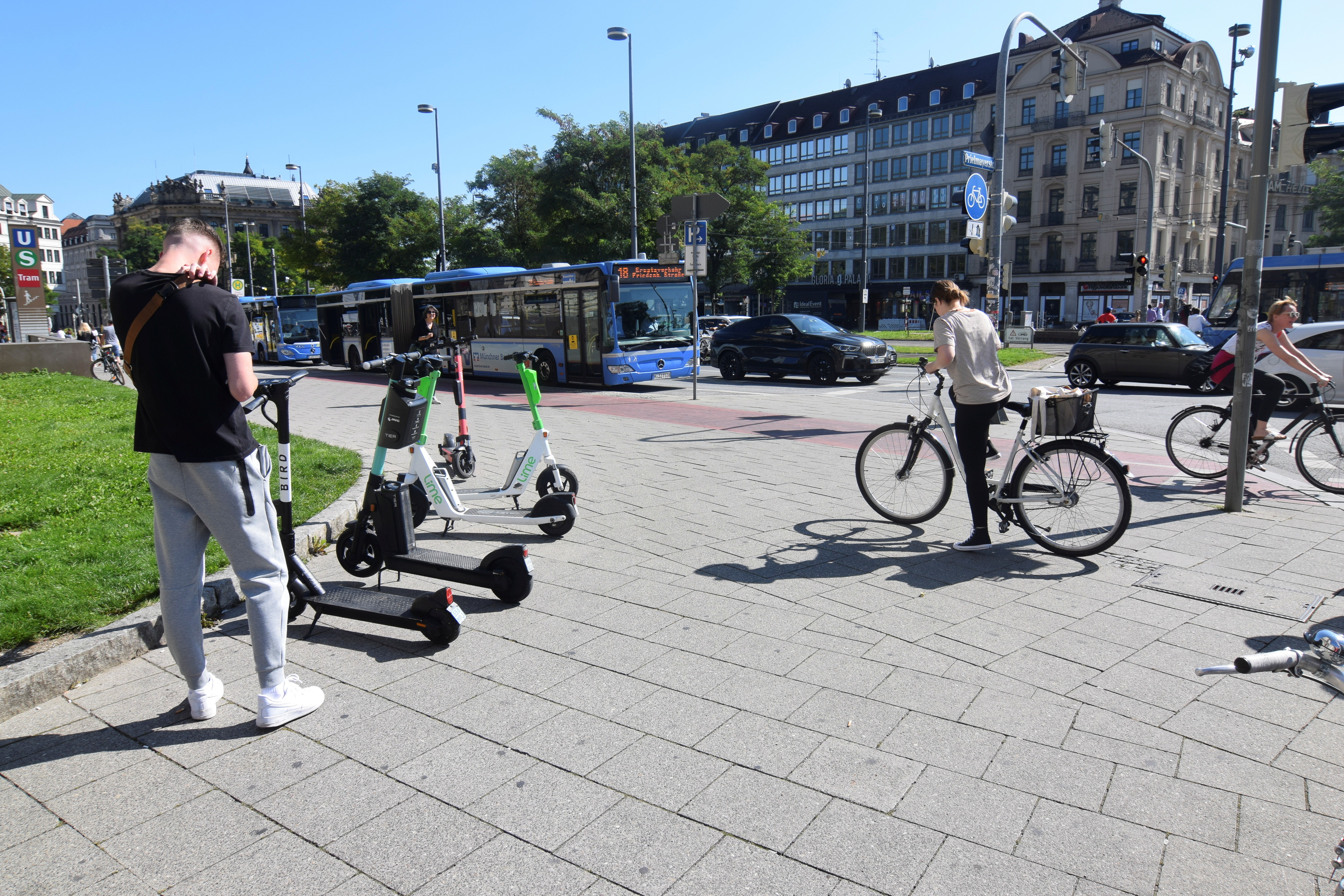
Cities account for 50% of global emissions and transport emissions are rising. New mobility integrations need real-world data to help slash emissions.

The role of transport in the carbon emissions conversation emerged front and center at COP26 in Glasgow, Scotland. Stakeholders collectively pledged to reach net-zero in transport by 204...
The current pace of transformation towards decarbonization is too slow. A new report proposes six sustainable mobility investment cases to speed things up.

To help meet the EU's emissions targets, the union should issue guidelines for road pricing, writes the World Economic Forum's mobility chief Maya Ben Dror.

The European Green Deal is a chance for car manufacturers to make their processes more circular, write the Forum's Maya Ben Dror and SYSTEMIQ's Tilmann Vahle.

By electrifying urban fleets, we can mitigate more than 70% of mobility CO2 urban emissions, remove 50% of city air pollution, and electrify rides to everyone – making the electrification...
New approaches to regulation can help countries transition away from 20th century transportation solutions and ensure countries can embrace the groundbreaking technologies of the future.

Nearly a quarter of workers have left a job because of the commute. Here's how we can create safer, greener, more dignified journeys for everyone after COVID-19.

Here's how the stimulus plans to come post-COVID can make mobility more sustainable.

Here's how the COVID-19 crisis drove mobility innovation in Israel - and what's needed to keep that innovation going.

新型コロナウイルス感染拡大によるロックダウン措置への当初の対応は、モビリティスの分野で驚くべき進歩をもたらしました。ロックダウンにより、車の渋滞は減少し、徒歩と自転車での移動が奨励されるようになり、二酸化炭素排出量も最小限に抑えられました。そしてすぐに、政府、民間のモビリティサービス提供者、公共交通機関の間のユニークなパートナーシップが見られるようになりました。

COVID-19 inspired never-seen-before mobility collaborations between businesses and governments. Here are the sustainable, efficient and multi-modal trends leaders hope continue.

A new platform launched this week by Wunder Mobility can help bridge real-time mobility service information gaps widened after the coronavirus crisis.