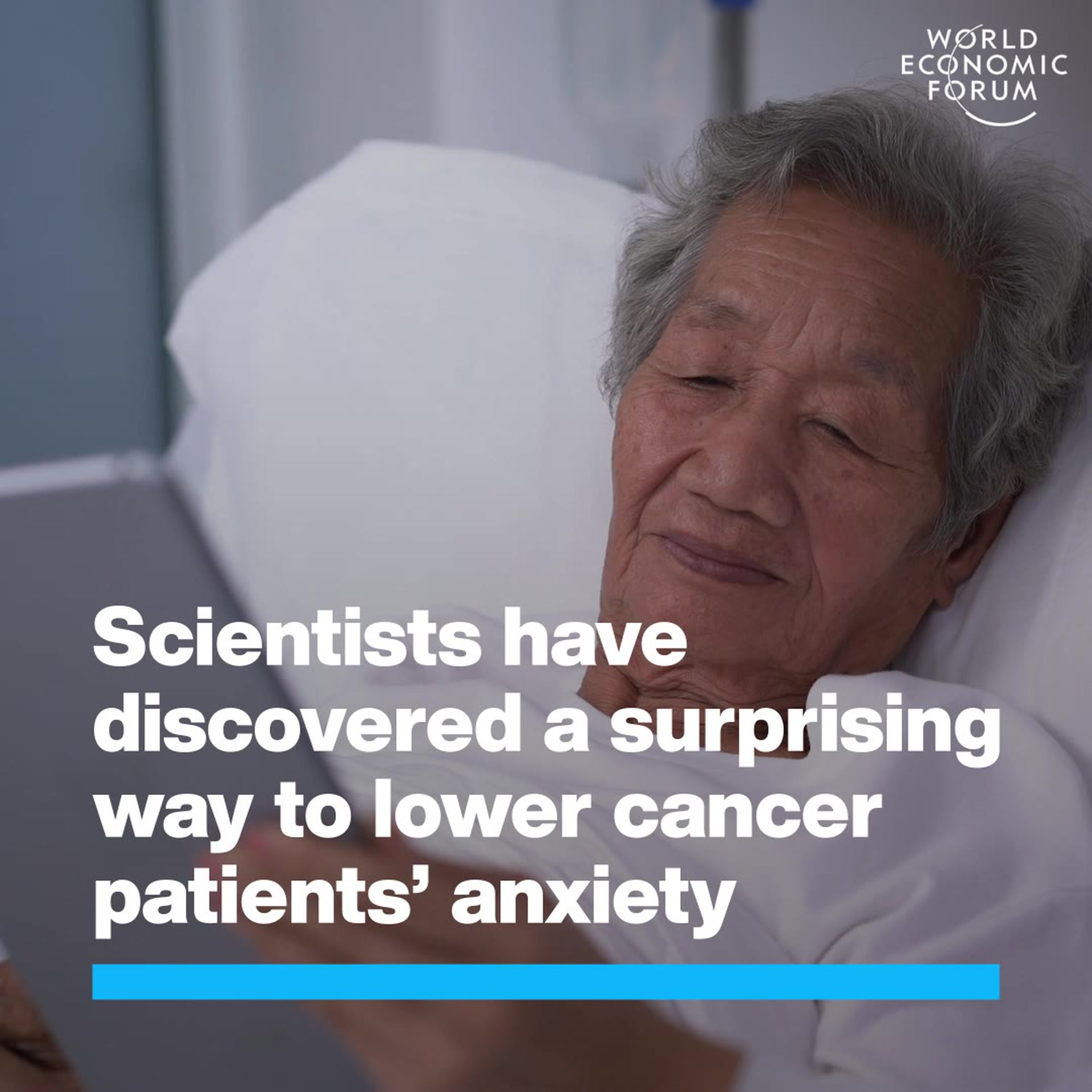
Non-communicable diseases (NCDs) account for 71% of deaths per year globally. Renewed focus is needed on NCDs from prevention right through to follow-up care.
Leisure, social and learning activities can protect our brains from the cognitive decline that comes with Alzheimer’s disease, a new UK study suggests.
The Pew Research Center asked Americans what had become more or less important to them because of the pandemic. Their views on socializing are surprising.
WalkWise helps older adults stay safe and active with a device that can be connected to walkers or rollators - allowing data to be sent to medical professionals.
Despite the wide knowledge of basic thunderstorm safety, you might not know that you should avoid taking a shower during a thunderstorm. Here's why.
Following reports of poliovirus in sewage in London, a polio vaccine booster dose is being offered to children aged 1 to 9 in the UK's capital.
Learn how a special American Heart Association fund is bridging health equity gaps through entrepreneurship while paying tribute to former Kaiser Permanente CEO Bernard J Tyson.
Langya henipavirus is a new virus that is suspected to have caused infections in two Chinese provinces, but there are still significant knowledge gaps.
Climate change impacts on healthcare have created a crisis through extreme heat and damage to healthcare provision, including facilities and supply chains.
New research has found that many diseases can be exacerbated by climate change. The main causes are atmospheric warming, heavy precipitation and flooding.
Achieving SDG 3.4 and reducing by one third premature mortality from non-communicable diseases can only be done by tackling lung cancer in national plans.
The pandemic accelerated the adoption of digital healthcare technologies but progress varies between countries. What can we learn from successful digital healthcare systems?