Biophilic business: how cultural heritage and informal economies can reshape sustainability
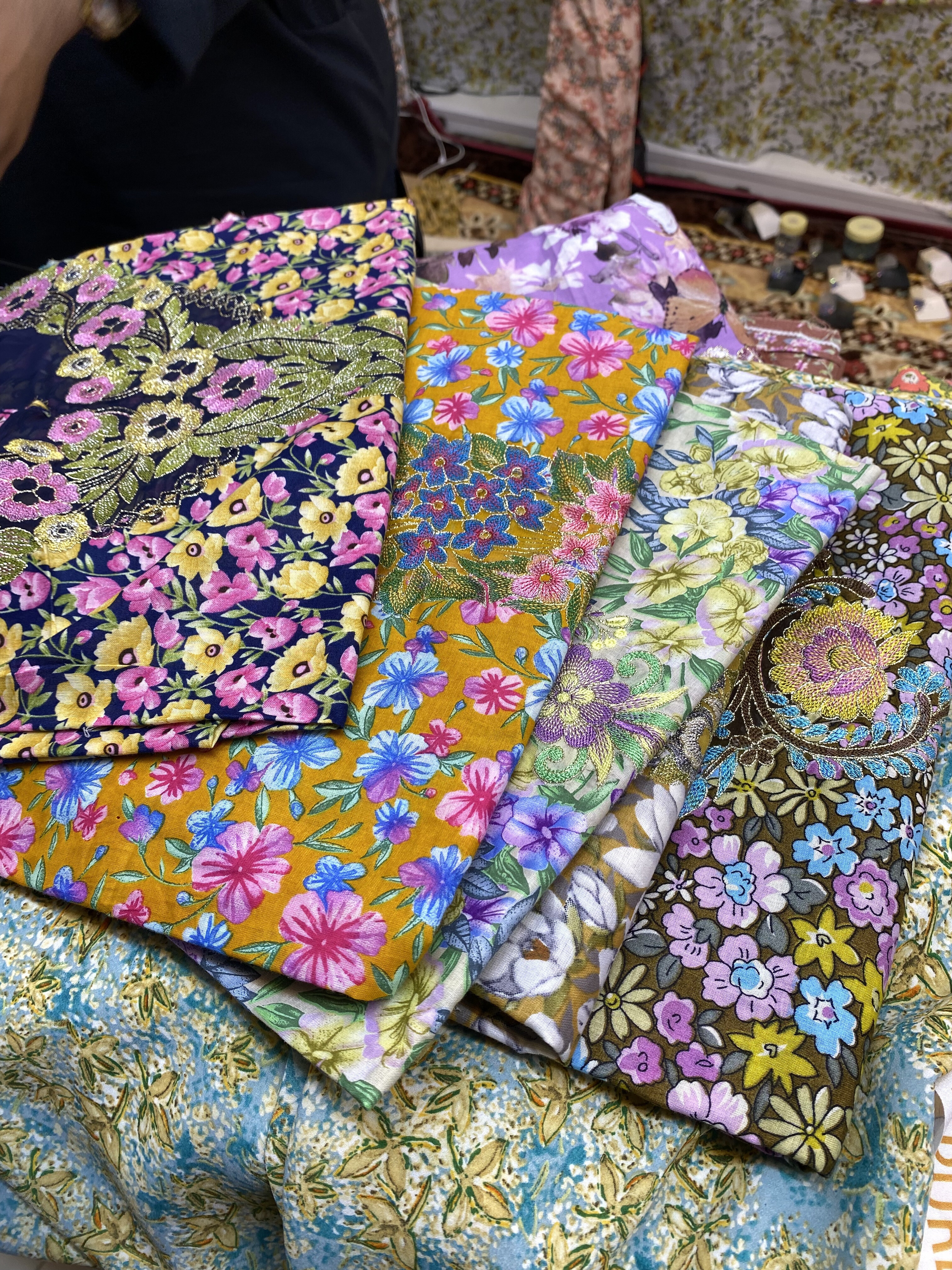
Biophilic business emphasizes identity, memory and belonging. Image: Sumaia
- Often overlooked, biophilic businesses ground their practices in nature, heritage, and social ties to offer a different vision of sustainability.
- Operating locally, emphasising cultural heritage and natural materials, their sustainability is not based in compensating for mass production and consumption.
- Bolstering grassroots resilience and supply chains, they can help reshape our economic model.
The term biophilia, coined by philosopher Erich Fromm and popularized by naturalist Edward Wilson, refers to the innate human connection with life and living systems. Initially applied to architecture and design, biophilia has since expanded into urbanism, well-being, and now, business.
A biophilic business is not simply one that sells natural products or adds greenery in its space to create a connection with nature. Rather, a biophilic business integrates ecological values, cultural heritage and local knowledge into the core of its practices. These businesses engage with nature not to simply generate aesthetic responses in consumers. They draw on nature as a guiding principle for materials, methods, and the construction of identity and meaning – reshaping what global sustainability means in practice.
Whether it is a carpet weaver using natural fibres, a forest-inspired design studio, or a regenerative food entrepreneur, these actors – regardless of their geographical location – are prioritizing local resources, cultural knowledge and ecological responsibility over mass production and consumption.
Garments emulating coral reefs, desert sands, bougainvillea vines, or alpine flowers, for example, are not merely decorative – they signify identity, memory and belonging. These references reveal a crucial insight: True sustainability is not only technical or economic – it is cultural, emotional and ecological. And it begins, often, at home.
As philosopher and business scholar David Jones argues, biophilic organizations function with a root metaphor: Their very raison d’être is to foster bio-cultural connections with the environment.
Why biophilic businesses matter
As highlighted during the World Economic Forum’s inaugural Resilience Leaders’ Roundtable, the impact of trade tensions, tariffs, regional conflicts and political instability on supply chains is better addressed at the local level. By managing risks and fostering adaptability, resilience enables businesses to build a more future-proof foundation.
- Biophilic businesses preserve intergenerational knowledge through crafts, techniques and storytelling that link people to places.
- Their production employs renewable and natural materials, such as wood, palm leaves, earth pigments and wool, reducing ecological footprints and fostering circularity.
- Biophilic businesses operate locally, often from homes or cooperatives. This localized approach shortens supply chains and deepens social cohesion.
- These businesses build on emotional and symbolic ties to nature, seen in design practices, seasonal production rhythms and product storytelling.
- Biophilic businesses can create resilient supply chains in emerging markets to help them navigate geopolitical risks.
The economic case for biophilia
Global economic policies and funding mechanisms mostly favour scale, profit and business formalization. Biophilic businesses often operate at the margins of traditional economic models, despite their growing relevance in building resilient and sustainable economies. Standard frameworks, focused on GDP growth, formal employment and industrial development, tend to overlook the economic and social value these businesses generate.
This gap points to the need to redefine an economic model that accounts for:
- The informal economy and its role in cultural ecosystems (included in the 2025 UNESCO Framework for Cultural Statistics).
- The social and ecological externalities embedded in production, from living heritage values and environmental policies to climate-smart business solutions.
- The use of biological resources, qualifying such work under the evolving definitions of bioeconomy.
To design truly regenerative economies, the economic contributions of informal and biocultural practices cannot be ignored. This includes acknowledging culture as driver and enabler of sustainable development.
A biophilic vision
To design regenerative economies, we must also rethink the futures we are planning for. In this context, biophilic businesses can serve as practical models. Future studies professor Sohail Inayatullah’s six-pillar framework for futures thinking applied to biophilic businesses offers a roadmap to guide this reimagining:
- 1. Mapping. Recognize the continuity of ancestral and future practices in home and microbusinesses.
- 2. Anticipation. Identify emerging cultural and ecological trends in these businesses.
- 3. Timing the future. Understand how social systems can benefit from technological or ecological shifts.
- 4. Deepening the future. Use layered analysis to uncover how culture, myth and metaphor shape biophilic and informal economies.
- 5. Creating alternatives. Develop scenario models where informal and local economies are central, not peripheral.
- 6. Transforming the future. Visualize and empower preferred futures driven by social values, not just market logic.
How the Forum helps leaders align climate action with nature-positive growth
These pillars help position biophilic businesses – where culture, nature, and community meet – as catalysts for more inclusive, sustainable and future economic systems. To build regenerative economies, we must invest in the quiet power of biophilic businesses not as peripheral actors or exceptions, but as vital forces shaping a more equitable future.
Don't miss any update on this topic
Create a free account and access your personalized content collection with our latest publications and analyses.
License and Republishing
World Economic Forum articles may be republished in accordance with the Creative Commons Attribution-NonCommercial-NoDerivatives 4.0 International Public License, and in accordance with our Terms of Use.
The views expressed in this article are those of the author alone and not the World Economic Forum.
Stay up to date:
Arts and Culture
Related topics:


Forum Stories newsletter
Bringing you weekly curated insights and analysis on the global issues that matter.
More on BusinessSee all

Temidayo Akenroye and Hushneara Begum
April 10, 2026


