Reimagining water infrastructure for resilience and sustainability in Japan
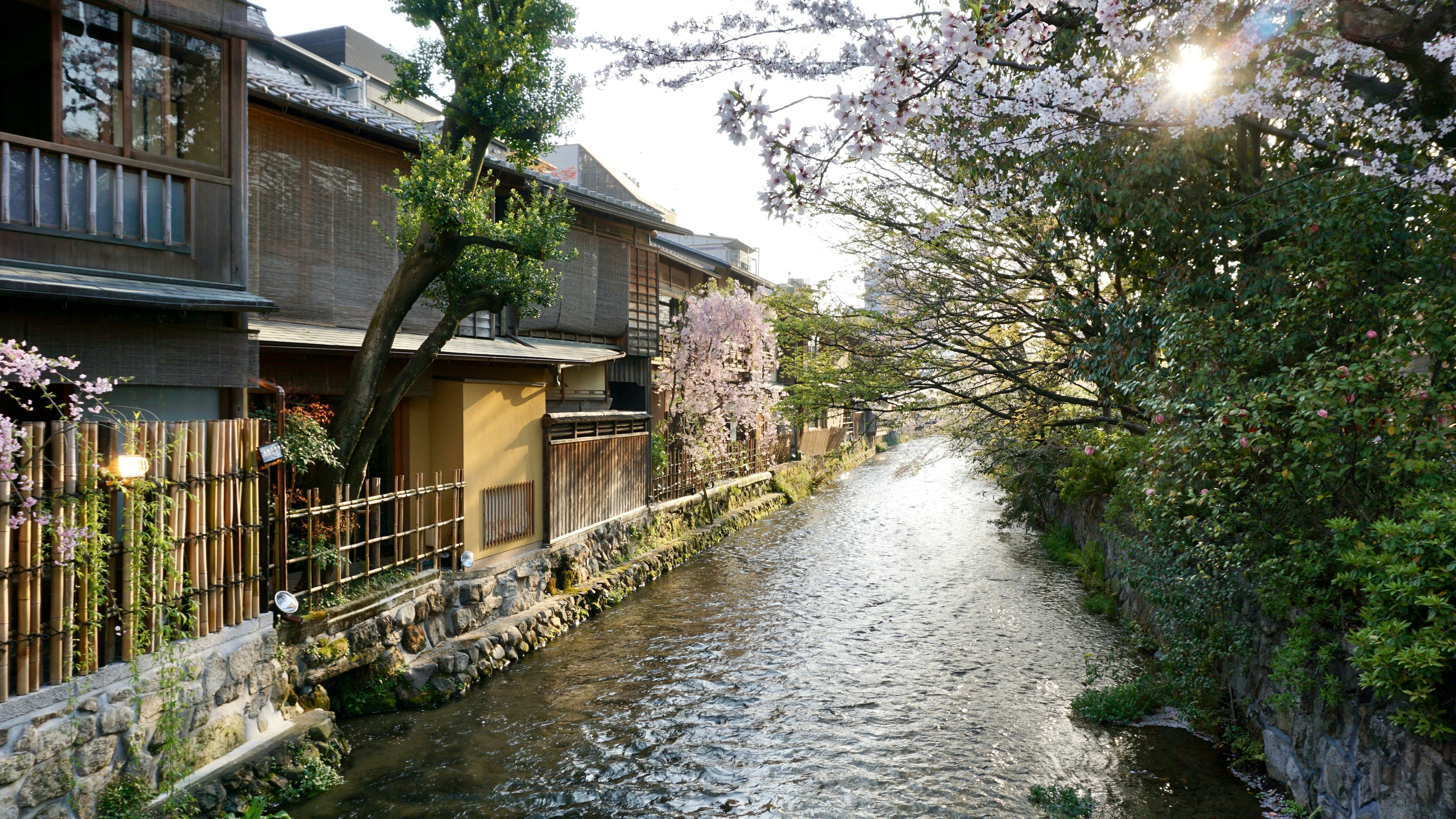
Various factors including poor water infrastructure threaten water security in Japan. Image: Unsplash+/Karen Chew
- An ageing demographic, declining revenues, regional disparities and poor water infrastructure threaten water security in Japan.
- The government is improving oversight through data, innovation and public-private partnerships.
- Major cities, such as Tokyo, are implementing ambitious environmental plans focused on decarbonization, renewable energy and ecosystem conservation.
Water is indispensable to life and livelihoods. The infrastructure that ensures its stable supply lies at the heart of societal resilience and sustainability.
According to the United Nations, only 0.5% of Earth’s water is freshwater accessible for human use and approximately 2.2 billion people still lack access to safely managed water.
Japan is relatively well-resourced, with around 430 billion cubic metres of water resources annually, according to the Food and Agriculture Organization of the United Nations (FAO).
However, water abundance does not automatically translate into secure access. Sustainable water management and supply depend on robust infrastructure, institutional framework, skilled personnel and the effective use of technology.
Today, Japan’s water utilities face significant challenges due to a rapidly ageing population and urban concentration. Much of the country’s infrastructure was built during the 1970s and is now in urgent need of maintenance and renewal.
At the same time, declining revenues from water charges, shortages in skilled workers and widening regional disparities are compounding the pressure. In response, national and local governments, along with private-sector partners, are advancing efforts to strengthen water systems and build long-term resilience.
Driving improvements through transparency
In December 2024, Japan’s Ministry of Land, Infrastructure, Transport and Tourism (MLIT) released the Water Supply Performance Report, a dashboard visualizing the financial and seismic resilience of approximately 1,300 water utilities nationwide.
The data identified utilities unable to cover operational costs through revenue, as well as those operating facilities with seismic resistance rates below national standards.
As of 2022, the dashboard showed that approximately 46.5% of utilities had both revenue collection rates below 100% and seismic performance below average. Delays in infrastructure renewal and disaster preparedness are particularly acute in smaller municipalities.
To address this, the national government is conducting a nationwide survey of utilities and aims to release new guidelines by 2026. It also promotes regional integration, public-private partnerships and support for seismic retrofitting and energy-saving systems.
Sustainable water management in major cities
Metropolitan areas, including Tokyo and Osaka, home to tens of millions of people, require robust planning for both infrastructure and water sources management.
In March 2025, the Tokyo Metropolitan Waterworks Bureau introduced its new Environmental Five-Year Plan (2025–2029), based on four pillars: decarbonization, circular society, water-and-greens conservation and multistakeholder collaboration. The plan sets out 45 specific initiatives.
Among its most ambitious goals is reducing greenhouse gas emissions by 50% by 2030 compared to 2000 levels and increasing the use of renewable energy to over 60%. The plan also emphasizes the protection of upstream forests, expanding green spaces in urban areas and environmental education in collaboration with local residents.
These efforts highlight how utilities in large cities can maintain reliable services while pursuing decarbonization and resilience.
Whether in densely populated cities or ageing rural communities, redesigning water systems in line with local realities and climate challenges has become an urgent priority.
”Boosting efficiency through technology
In rural regions facing population decline and workforce shortages, maintaining water infrastructure cost-effectively has become increasingly urgent. In such areas, digital technologies are playing a vital role in supporting sustainable service delivery.
To accelerate this shift, MLIT published a Catalogue of Digital Technology in Water and Sewerage Systems, introducing 119 advanced solutions, ranging from predictive maintenance and inspection solutions to data management platforms, for use by local governments and water operators.
Public–private collaboration is also gaining momentum. An example is Waterlinks Inc., which is piloting smart water meters in partnership with municipalities, including Kushimoto (Wakayama), Yurihama and Hokuei (Tottori), Nankan (Kumamoto) and Miyazaki City (Miyazaki).
These meters use automated meter reading technology with wireless transmitters, enabling efficient bulk collection. In addition to addressing labour shortages and operational burdens, they offer early leak detection and potential applications in elder care by monitoring household water use.
These innovations not only improve operational efficiency but also contribute to the well-being of the community.
Collaboration and action for the future
Amid demographic shifts and escalating climate risks, the future of water infrastructure lies not only in repairs or upgrades but also in smarter, technology-enabled systems. Realizing this future will require close collaboration among national and local governments, businesses and civil society to create sustainable, locally tailored models.
As underscored in the World Economic Forum’s report, Water Futures: Mobilizing Multi‑Stakeholder Action for Resilience, ensuring future water security depends on collective action.
Whether in densely populated cities or ageing rural communities, redesigning water systems in line with local realities and climate challenges has become an urgent priority. Building resilience requires not only investment but also innovation and cooperation, starting today.
Don't miss any update on this topic
Create a free account and access your personalized content collection with our latest publications and analyses.
License and Republishing
World Economic Forum articles may be republished in accordance with the Creative Commons Attribution-NonCommercial-NoDerivatives 4.0 International Public License, and in accordance with our Terms of Use.
The views expressed in this article are those of the author alone and not the World Economic Forum.
Stay up to date:
SDG 06: Clean Water and Sanitation


Forum Stories newsletter
Bringing you weekly curated insights and analysis on the global issues that matter.
More on Food, Water and Clean AirSee all

Michael Colarossi
April 7, 2026


