Japan’s peace initiatives preserving the past for the future
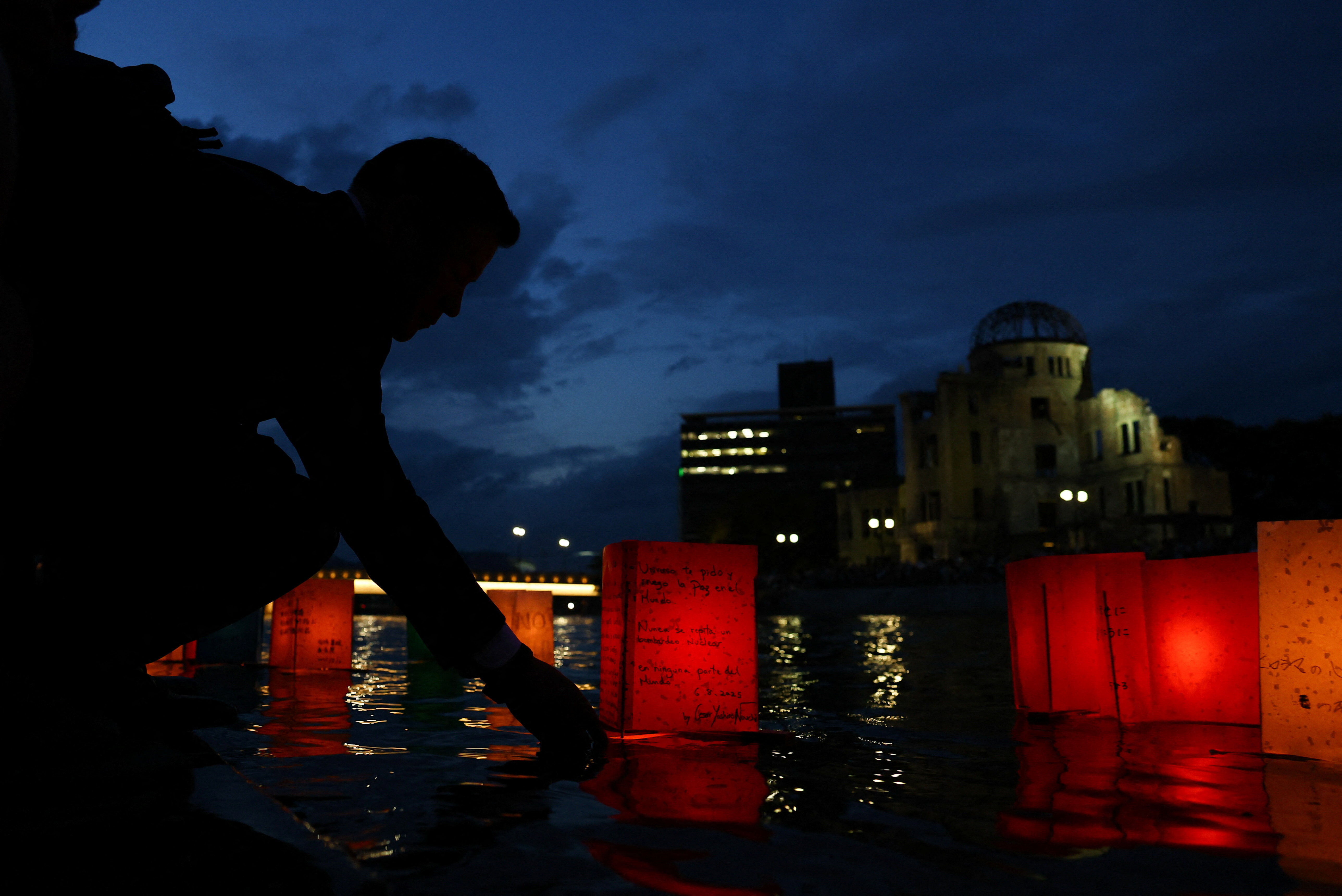
Lanterns are placed on the river in front of the Atomic Bomb Dome in Hiroshima, Japan, in memory of the 1945 atomic bomb victims. Image: Reuters/Kim Kyung-Hoon
- Eighty years on from the end of World War II, it is vital we learn lessons from past conflicts to sustain efforts to preserve peace.
- As the only nation ever bombed with nuclear weapons, Japan bears a unique responsibility to convey the inhumanity.
- Elderly survivors are sharing their experiences with younger generations, who in turn become 'kataribe' or 'narrators' to pass on these stories.
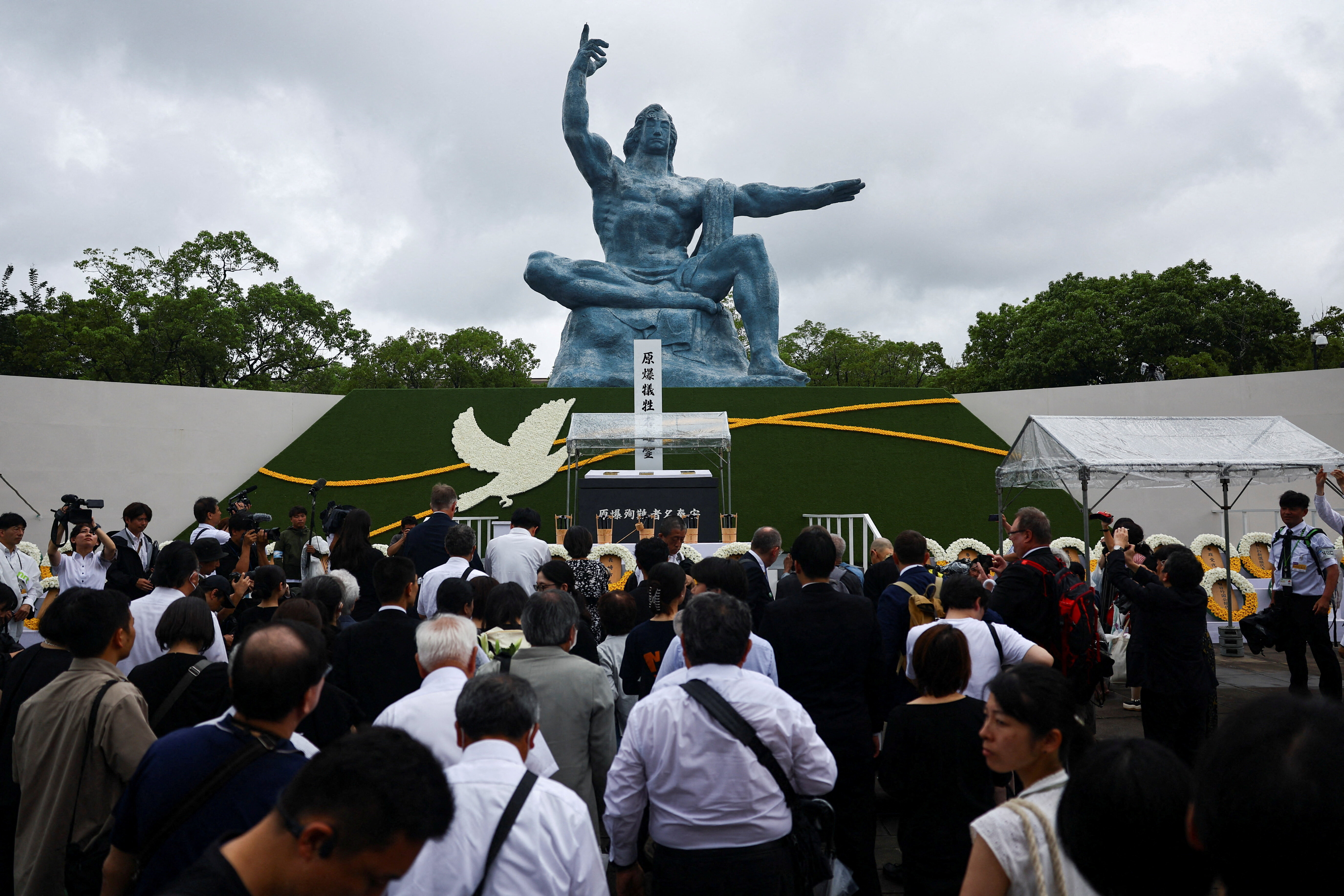
This year marks the 80th anniversary of the end of World War II. Amid rising geopolitical instability, passing on the lessons of past conflicts to future generations and sustaining efforts to preserve peace have never been more urgent.
At the 80th National Memorial Ceremony for the War Dead on 15 August, Japanese Prime Minister Shigeru Ishiba stated: “No matter how much time passes, we will hand down across generations the sorrowful memories of the war and our resolute pledge to renounce war, and we will remain steadfast in our actions to foster lasting peace.”
In Japan, the ageing of those who lived through the war is posing a growing challenge to preserving these experiences. Today, the vast majority of Japanese people do not personally know the realities of war. According to the Statistics Bureau of Japan, as of October 2024, approximately 109.91 million people, or 88.8% of the population, were born after the war.
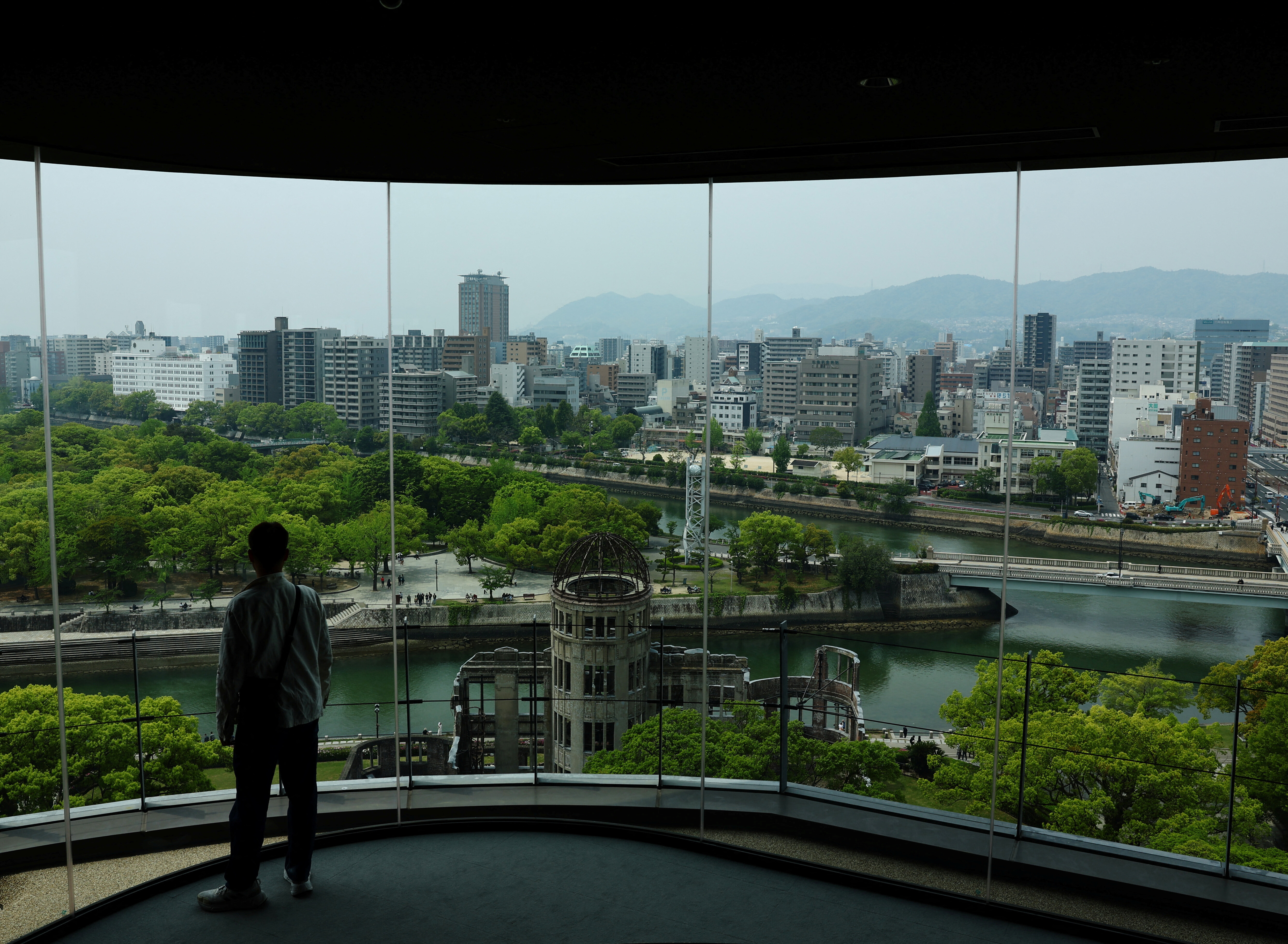
It is vital to remember the devastation of war and to keep its lessons alive, so that history does not repeat itself. As the only nation to have experienced atomic bombings, Japan carries a unique responsibility to convey the inhumanity of nuclear weapons. Passing on wartime experiences is therefore not only a matter of historical preservation, but a national imperative.
Government agencies and local authorities are supporting programmes that enable elderly survivors to share their experiences with younger generations, who in turn become “kataribe” or “narrators” to pass on these stories.
In 2025, Japan’s Ministry of Health, Labour and Welfare quadrupled subsidies for “kataribe” training to JPY100 million ($681,000). From Hiroshima and Nagasaki to Okinawa and beyond, initiatives to preserve regional wartime memories are expanding throughout Japan.
Leveraging technology to preserve wartime memories
While nurturing young narrators is essential, some observers note that it can be difficult for them to convey wartime realities and emotions without having lived through them personally. Technology is increasingly helping to bridge this gap.
Kanagawa Prefecture has become the first in Japan to introduce an AI-powered “interactive storytelling system” that digitally preserves the testimonies of atomic bomb survivors.
The Kanagawa Peace Memorial Hall, in collaboration with software developer SILVACOMPASS Inc., created a system that allows visitors to ask questions to a survivor shown on a screen. Artificial intelligence analyses pre-recorded video testimony and plays relevant responses in real time, creating an experience akin to a live conversation.
One testimony contributor, Hiroshi Nishioka, who was 13 when he survived the Nagasaki bombing, recorded answers to more than 170 questions. With 4K video and natural language processing, visitors can receive clear, personalized responses.
By making testimonies interactive, the technology aims to preserve war experiences more effectively. A similar “interactive testimony system” has also been introduced at the Hiroshima Peace Memorial Museum.
Immersive exhibitions fostering empathy
While technology can be a powerful tool, there are limits to what AI can convey at this moment. Some argue that it struggles to evoke genuine emotion, while others worry it may construct misleading narratives.
To help younger generations emotionally connect with the human realities of war, develop empathy and share these experiences with others, museums across Japan are turning to creative approaches, offering interactive programmes alongside war-related exhibitions. The Memorial Museum for Soldiers, Detainees in Siberia and Postwar Repatriates in Tokyo, for example, hosted a workshop for children to create newspapers based on what they learned from the exhibits.
A notable example is the Peace in the Dark programme held in Tokyo and Hiroshima. Presented by the Dialogue in the Dark franchise, known for raising awareness on diversity and inclusion for people with disabilities, this marked the organization’s first-ever global exhibition dedicated to peace.
In complete darkness and guided by an attendant, participants walked through a recreated 1945 home, touching everyday objects to experience life in Hiroshima before the atomic bombing on 6 August 1945. During and after the exhibition, the attendants facilitated reflective dialogues, encouraging participants to consider the meaning of peace.
This initiative enables younger generations, who have no direct experience of war, to engage both intellectually and emotionally, inspiring personal reflection on the value of peace. A creative approaches as such complement AI-driven tools by providing immersive, human-centred experiences that foster deeper understanding and empathy.
Protecting peace through cross-generational and cross-sector collaboration
“State-based armed conflict” is ranked as the most pressing current risk in World Economic Forum’s Global Risk Report 2025.
In today’s uncertain world, remembering the tragedies of war and reaffirming the importance of peace is not just about looking back. It is a call to action to safeguard the present and future.
Japan’s public-private initiatives demonstrate how societies can preserve memories of conflict and contribute to building global peace. These efforts underscore the importance of collaboration across generations and sectors, contributing to offering valuable lessons for the international community in maintaining peace.
Don't miss any update on this topic
Create a free account and access your personalized content collection with our latest publications and analyses.
License and Republishing
World Economic Forum articles may be republished in accordance with the Creative Commons Attribution-NonCommercial-NoDerivatives 4.0 International Public License, and in accordance with our Terms of Use.
The views expressed in this article are those of the author alone and not the World Economic Forum.
Stay up to date:
Japan


Forum Stories newsletter
Bringing you weekly curated insights and analysis on the global issues that matter.
More on Resilience, Peace and SecuritySee all

Naoko Tochibayashi
February 24, 2026


