What the Myanmar earthquake reveals about hidden risks
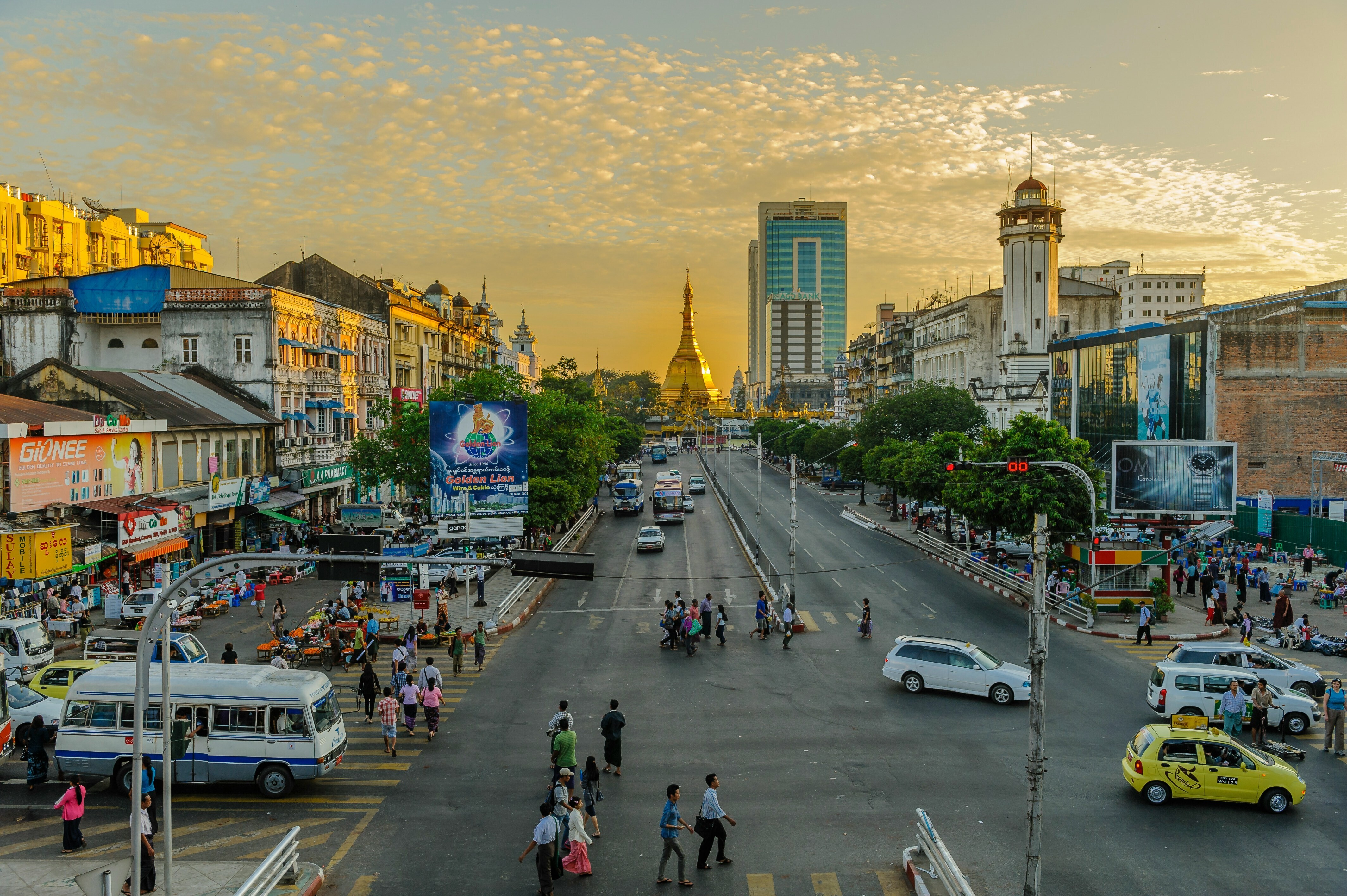
On 28 March 2025, a powerful 7.7-magnitude earthquake struck central Myanmar, causing widespread devastation. Image: Alexander Shimmeck/Unsplash
- The 2025 Myanmar earthquake revealed systemic vulnerabilities: unsafe housing, weak infrastructure and underfunded health systems.
- With limited insurance, social safety nets and fiscal buffers, natural disasters often deepen poverty and delay societal recovery.
- This disaster highlights the urgent need for integrated resilience and risk management across sectors.
On 28 March 2025, a powerful 7.7-magnitude earthquake struck central Myanmar, causing widespread devastation across Mandalay, Sagaing and Naypyidaw. Thousands were killed, thousands more injured and vital infrastructure was reduced to rubble.
The visible destruction tells only part of the story.
A disaster within a disaster
This wasn’t just a natural disaster. It was a disaster made worse by years of underlying problems. Myanmar faces political instability, its economy has shrunk and the local currency has lost value – eroding public revenues and access to external credit. The government was financing 80% of its budget deficit domestically, narrowing fiscal space for investment in long-term risk reduction.
At the same time, international aid declined sharply in 2024, forcing the World Food Programme to cut food assistance for over a million people – signalling declining global engagement and shrinking international risk buffers.
What is the World Economic Forum doing to promote sustainable urban development?
Buildings were a ticking time bomb
The physical collapse following the earthquake was swift and widespread. A 12-storey apartment block pancaked in Mandalay. Entire villages were flattened in Sagaing. A major bridge connecting Mandalay and Sagaing collapsed into the Irrawaddy River, severing critical supply routes and delaying rescue.
Some of this destruction could have been avoided. Myanmar sits atop the seismically active Sagaing Fault. Experts had long warned about weak buildings and infrastructure, especially in fast-growing urban areas.
While Myanmar introduced a national building code in 2012 and expanded it in 2016, actual enforcement has been uneven. This has been undermined by capacity gaps, limited inspection staff and underfunded retrofitting programmes.
Many people in the country live in informal settlements, built quickly and cheaply, often without proper inspections. With little access to mortgage finance, loans or government support to make their homes safer, these communities were left highly exposed. Risk reduction in these areas hinges as much on micro-financing and community-based upgrades as on national policy.
Health systems buckle under pressure
The earthquake also hit Myanmar’s health system hard. At least three hospitals were destroyed. One of the biggest hospitals in Mandalay (a 1,000-bed facility) had to be evacuated. Medical teams resorted to treating patients outdoors under tents, with critical shortages of trauma supplies and essential medicines.
Even before the earthquake, though, the health system was struggling. Less than 3% of Myanmar’s national budget is spent on healthcare. Around 70% of all health costs are borne directly by individuals. The country’s only social health insurance covers less than 2% of the population.
In the quake’s aftermath, this meant that families had to pay out of pocket for surgeries, medication and long-term care. For low-income households, these costs were often unmanageable, deepening debt and delaying recovery.
Compounding the situation were growing public health risks. Overcrowded temporary shelters increased the risk of disease outbreaks. The World Health Organization warned of possible cholera outbreaks and waterborne diseases, alongside vector-borne diseases, exacerbated by extreme heat and seasonal rains.
Have you read?
The hidden cost of losing lives
One of the saddest effects of the earthquake was also one of the least visible. Many families lost their main breadwinners, leaving loved ones without income.
In Myanmar, hardly anyone has life insurance. Insurance penetration is estimated at under 0.1% of GDP and there is no formal system for survivor compensation in the wake of disasters. Without a system to support families after such a loss, many are left with nothing. Some may pull their children out of school, skip meals or take out risky loans—trapping them in poverty for generations.
In this way, a single earthquake has acted as a multiplier: disrupting not only buildings and bodies, but entire family trajectories.
The real problem
This earthquake showed that the biggest issues aren’t just falling buildings or broken roads. It also isn’t just about insurance or recovery coverage. It was a convergence of systemic risk factors:
- Unsafe housing and public infrastructure
- Under-resourced health systems with limited surge capacity
- Absence of health or life insurance
- Lack of social safety nets or fiscal buffers
These risk factors are interconnected. The collapse of hospitals drives up mortality. Lack of health coverage delays treatment. Families without income support or insurance spiral into poverty. And without pre-arranged disaster financing, governments struggle to coordinate recovery at scale. When these factors overlap, a disaster turns into a crisis that touches every part of life.
Myanmar’s experience illustrates that the impacts of one disaster risk event can span all three levels of disaster management measures. These include risk reduction, insurance and social protection, and fiscal risk financing. The impacts can also span other risks, in this case, health and mortality.
From risk management to resilience building
What’s needed is not simply better disaster response, but an integrated approach across all risk types and all solutions categories, to ensure the impacts of one disaster event will not be felt for generations to come.
Building resilience in such contexts requires cross-sectoral coordination:
- Engineering agencies must work alongside public health planners to identify and retrofit hospitals and schools in seismic zones.
- Finance ministries must incorporate disaster risk into national budgeting, including pre-arranged credit and insurance mechanisms.
- Insurance regulators and social policy designers must collaborate to expand households' access to life, health and disaster coverage.
The goal is not to eliminate risk but to ensure it does not cascade into avoidable suffering and poverty.
Planning with clarity
Organizations like the Global-Asia Insurance Partnership (GAIP) support governments with a practical framework to adopt an integrated, holistic approach to risks and resilience.
They are also developing a platform that will allow governments to take a complete view of their risk exposures across multiple risks. These include earthquakes, floods, pandemics, mortality, health and more. The platform will also show what risk management measures or instruments can be used to manage them. This could inform strategies, action plans, prioritization and investment.
A wake-up call
The Myanmar earthquake sent a clear signal: when underlying problems go ignored, disasters can do much more than destroy buildings. They can tear apart lives, families and entire systems.
In the face of the escalating risks and rapid developments and changes we face, building resilience can’t be an afterthought. It needs to be part of everything we do — and focused on those who are most at risk.
Don't miss any update on this topic
Create a free account and access your personalized content collection with our latest publications and analyses.
License and Republishing
World Economic Forum articles may be republished in accordance with the Creative Commons Attribution-NonCommercial-NoDerivatives 4.0 International Public License, and in accordance with our Terms of Use.
The views expressed in this article are those of the author alone and not the World Economic Forum.
Stay up to date:
Infrastructure
Related topics:


Forum Stories newsletter
Bringing you weekly curated insights and analysis on the global issues that matter.
More on BusinessSee all

Maria Basso and Michael Römer
February 12, 2026


