How this Swedish tech company is protecting nature in cities
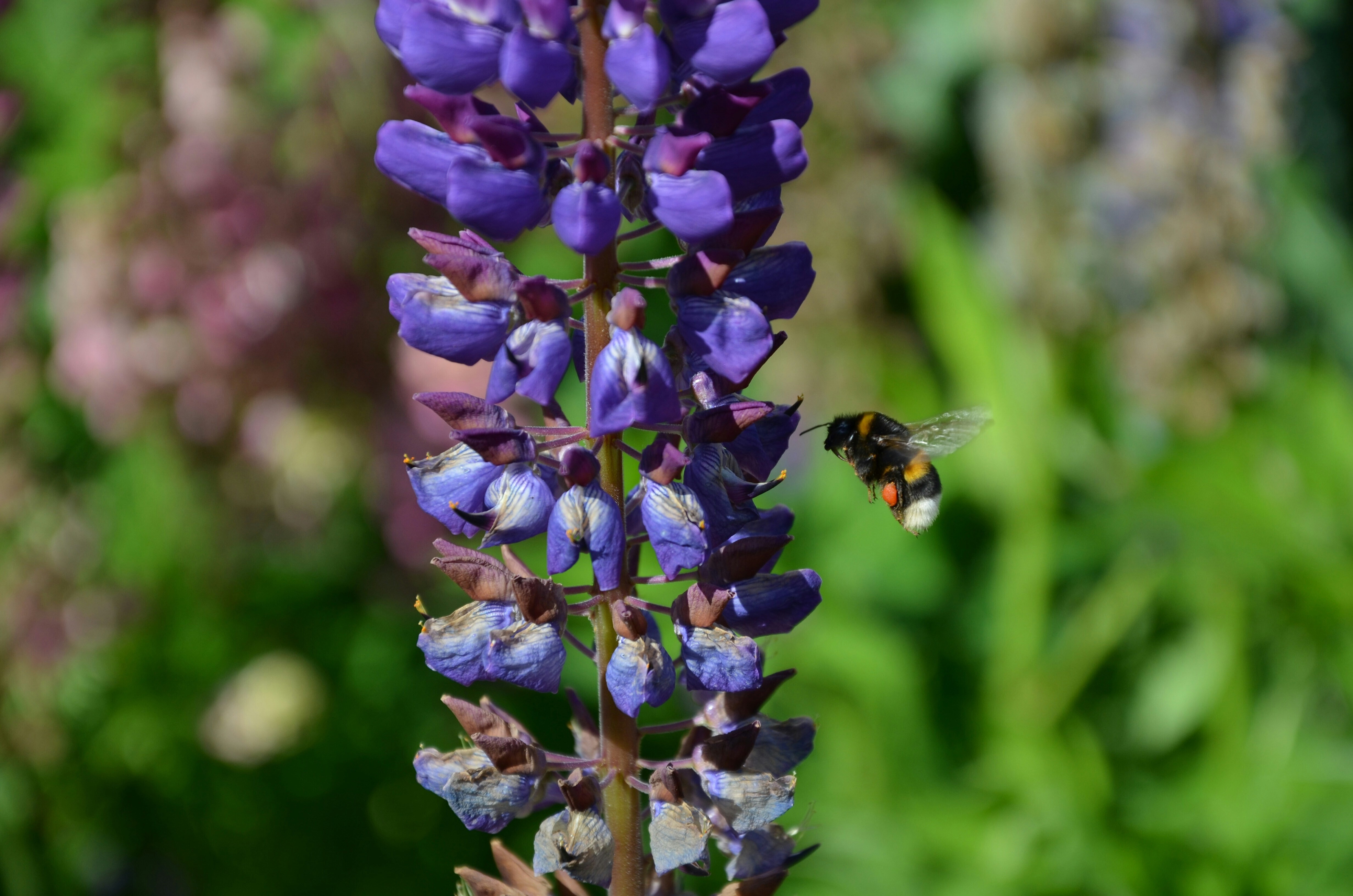
Businesses are protecting nature via innovative solutions and boots on the ground. Image: Unsplash/Karin Lehtonin
- Addressing nature and biodiversity challenges is no longer confined to the public sector, with businesses helping to fund innovation in protecting nature.
- A Swedish collaboration shows how businesses can involve employees in biodiversity restoration to foster a greater connection with nature.
- Getting directly involved in conservation work can strengthen social cohesion and personal well-being as well as environmental health.
Nature surrounds us and is the foundation of everything we depend on: clean air, water, food, raw materials and a stable climate. Healthy ecosystems regulate temperatures, protect against extreme weather and pollinate crops.
Yet, preserving nature is no longer just about environmental preservation; it is also critical to human life. A 2023 global study analyzing over 71,000 animal species found that 48% are experiencing population decline, while only 3% are increasing. Just last year, more than 6.7 million hectares of primary rainforest in 2024 were destroyed – an area nearly the size of Panama.
Climate change and biodiversity loss are interconnected challenges that require a unified approach. Biodiversity loss can exacerbate climate change impacts, while climate action can negatively affect biodiversity if not carefully implemented. Addressing biodiversity is, therefore, also a way to address climate change.
Historically, environmental responsibility has been seen as the domain of the public sector. However, as the nature crisis reaches a boiling point, businesses are helping to fund innovative solutions and finance new ways of protecting nature through sustainable protection, restoration and growth.
Local conservation in practice in Sweden
In Sweden, a collaborative initiative between City of Sundbyberg ecologist Dan Andersson and volunteers joining from technology company Ericsson illustrates how business involvement in biodiversity restoration can work on the ground.
This effort takes place in the Igelbäcken nature reserve, in the city of Sundbyberg – part of Stockholm County – where volunteers contribute to ecological maintenance several times per year.
Guided by science and Andersson’s ecological knowledge, the collaboration reacts to seasonal needs. In one session, employees might remove encroaching spruce trees that threaten ancient oaks. In another, they might clear bracken ferns or help monitor populations of red-listed species.
During the collaboration, Andersson advises them to focus on and protect trees with high biodiversity value, such as oaks and old pine trees and to remove invasive species such as lupines.
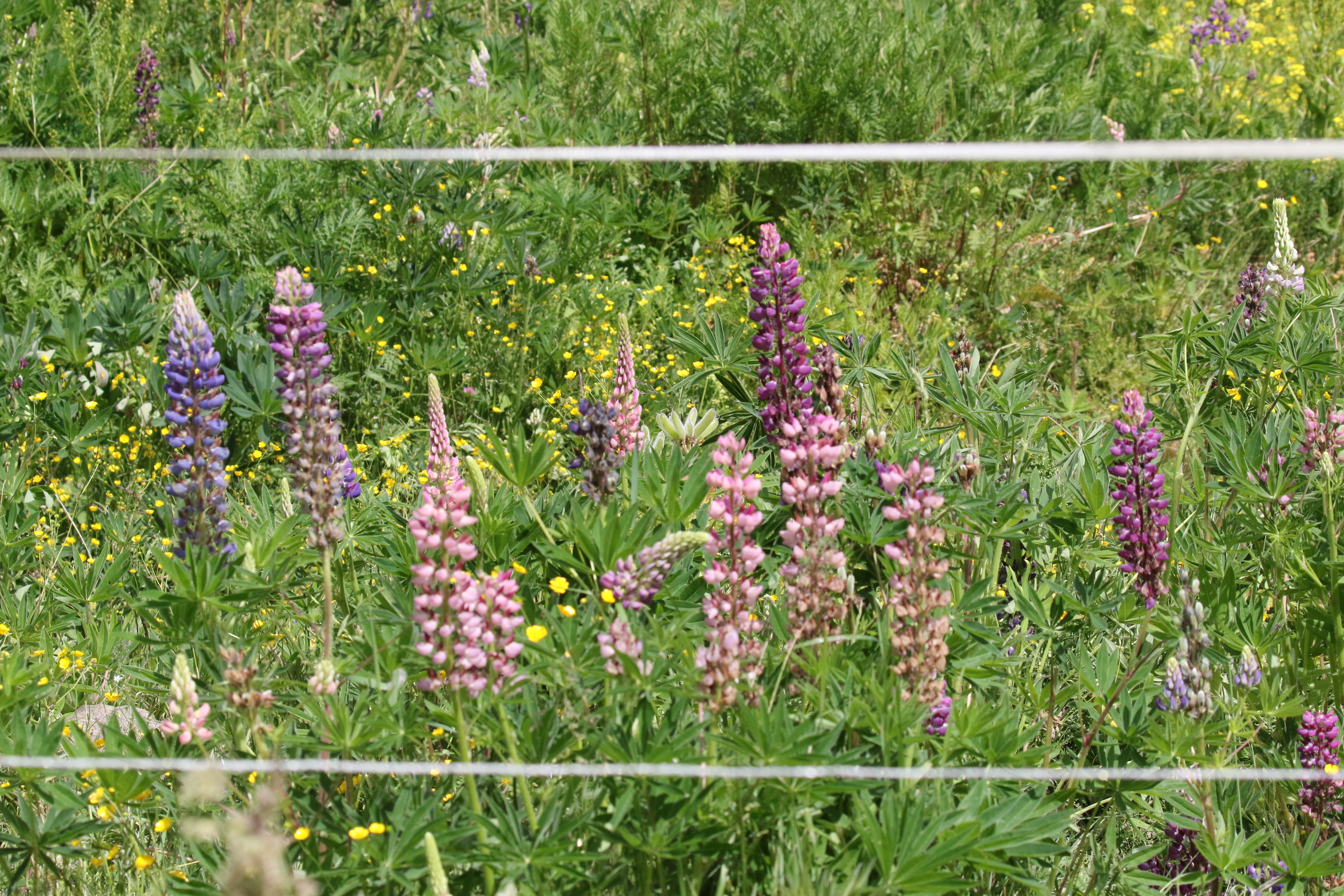
Lupines may be beautiful but they disrupt soil nutrition balance and displace native species in meadow lands in Sweden. They were introduced to non-native regions, including parts of Europe such as Sweden, by humans, primarily for ornamental gardening, erosion control and soil improvement.
Lupines disrupt local ecosystems by increasing the soil of nutrients, meadow lands need low levels of nutrients to maintain the biodiversity of meadows. By removing them, volunteers help preserve delicate meadow environments where rare species such as the meadow anemone and quaking grass thrive.
The conservation activity has already demonstrated clear ecological impact – quantitatively and qualitatively. One of the key indicators of success is the quick resurgence of quaking grass, a traditional meadow species that depends on nutrient-poor soils.
In addition to plant recovery in meadow lands within the nature reserve, these conservation activities have enhanced woodland biodiversity. The branch pile collections have become important microhabitats, offering nesting sites for birds and breeding grounds for microlepidoptera.
Nature and the workforce
For many volunteers, participating in ecological restoration is a novel and eye-opening experience. As one participant, Alice Waller, reflected, “You think you are just removing branches. But then Dan explains how that plant affects the entire habitat. You start to see the forest differently.”
The sessions function as informal environmental education, with Andersson sharing insights on rare mushrooms, insect biodiversity and the importance of ageing trees as micro-ecosystems. Getting physically involved in conservation helps employees build not only ecological understanding but also a stronger connection with their community.
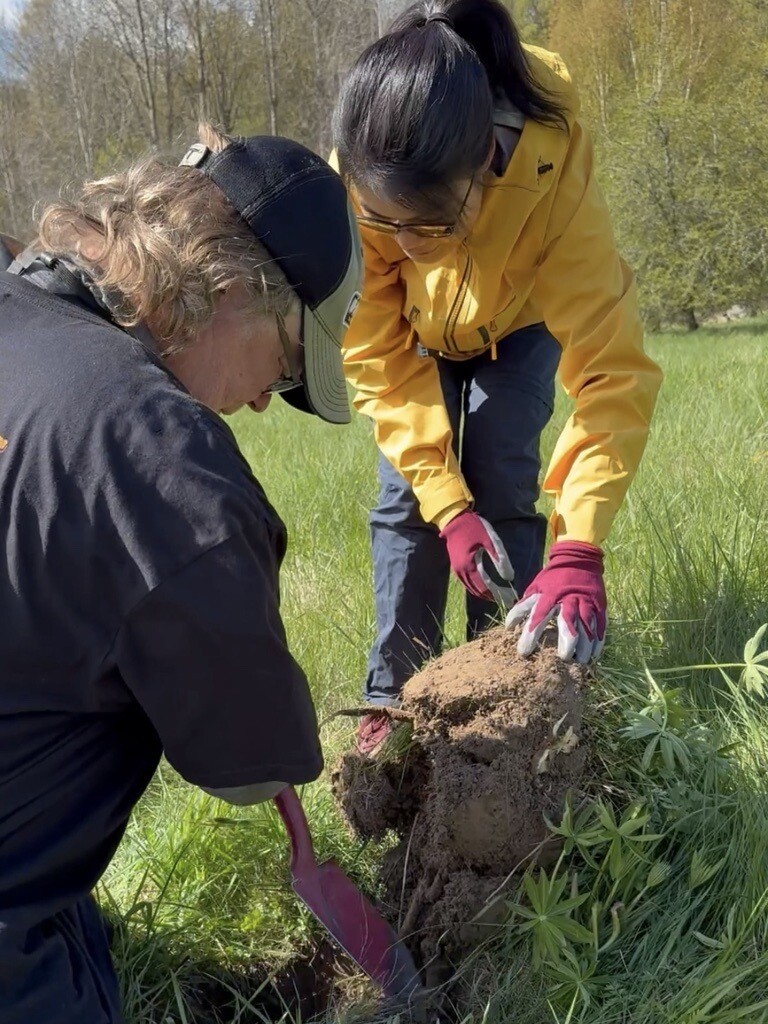
Volunteers report feeling more bonded with colleagues and engaged with their local environment. These outcomes suggest that biodiversity work can strengthen social cohesion and personal wellbeing, not just environmental health.
A scalable approach to protecting nature
As well as conservation activities on the ground, Ericsson has pledged to 1t.org, a platform supporting the global forest movement at the World Economic Forum, to support its goal: to conserve, restore and help grow one trillion trees by 2030.
Its hands-on and science-led collaboration in protecting nature goes beyond corporate pledges or environmental targets. This shows how companies can make meaningful local contributions while gaining practical insight into sustainability.
Such efforts also demonstrate a model that can be replicated and adapted elsewhere. Any organization with access to natural land, whether urban green spaces, industrial buffer zones or rural properties, can partner with local ecologists or city governments to implement ecologically appropriate actions. Seasonal adaptation, community engagement and data-informed strategy are key ingredients for success.
The collaboration in Sundbyberg is part of a growing recognition that environmental stewardship is not just a governmental task but something everyone – citizens, scientists and businesses – can engage with.

Real change begins at home
As Andersson notes, “If more companies could come out and do the same kind of work with scientists, they would understand how important this is for us and future generations.”
The most powerful aspect of this initiative is its accessibility. You don’t need to be a conservation expert to make a difference; you just need a willingness to listen, learn and lend a hand.
From moving branches and pulling invasive weeds to monitoring endangered species, these local and tangible acts of restoration demonstrate the potential of grassroots action in protecting nature, amplified by the structure and resources of larger organizations.
As we confront the twin crises of biodiversity loss and climate change, real progress may well begin with boots on the ground, hands in the soil and open minds in the forest.
Don't miss any update on this topic
Create a free account and access your personalized content collection with our latest publications and analyses.
License and Republishing
World Economic Forum articles may be republished in accordance with the Creative Commons Attribution-NonCommercial-NoDerivatives 4.0 International Public License, and in accordance with our Terms of Use.
The views expressed in this article are those of the author alone and not the World Economic Forum.
Stay up to date:
Nature and Biodiversity


Forum Stories newsletter
Bringing you weekly curated insights and analysis on the global issues that matter.
More on Nature and BiodiversitySee all

Adriana Mata and Judith Ketelslegers
April 9, 2026


