Affordable housing crisis: How can we redesign cities to tackle the real cost of living?
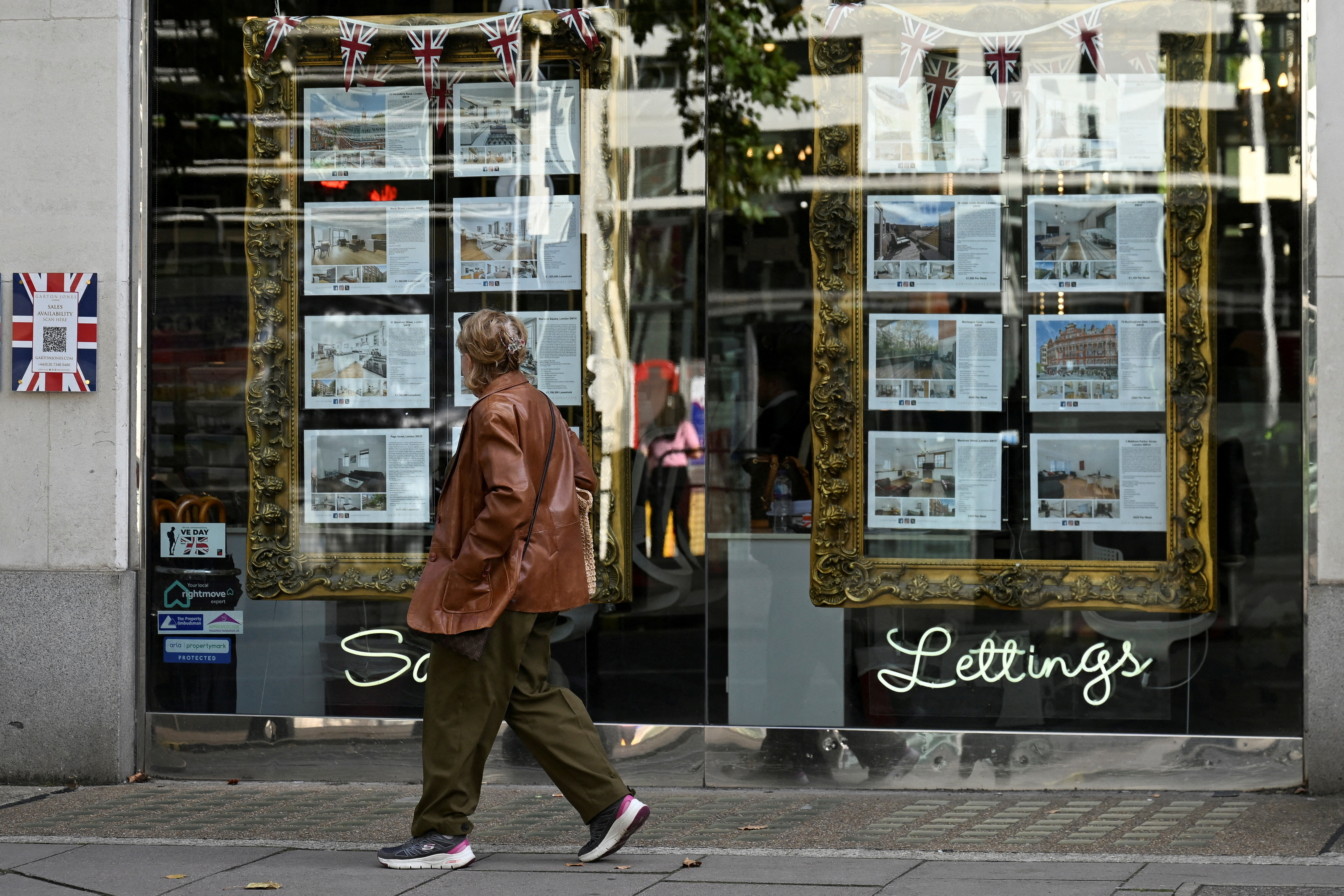
We must redesign cities and think beyond affordable housing to address the cost of living. Image: REUTERS/Jaimi Joy
- Focusing narrowly on the price of housing overlooks a broader array of expenses, including transportation, energy, food and healthcare, that determine a household’s real cost of living.
- How we design cities shapes affordability: reducing car dependence, promoting mixed-use development and funding shared amenities can lower costs and improve quality of life.
- From rethinking incentives to investing in public transit and engaging residents in planning, meaningful progress comes from integrated, locally tailored approaches.
Governments and public agencies worldwide are struggling to meet the challenge of providing affordable housing for an increasingly stressed population.
In Toronto, for example, rising real estate prices have far outpaced income growth, pushing average homeownership and rental costs well beyond what many residents can afford. According to one source, between 1994 and 2024, the average home price in the city increased around 205% while the median household after‐tax income rose by only approximately 32%.
Yet too often, this effort is treated as an isolated crisis – a housing problem to be solved with housing tools alone.
In reality, affordability depends not only on the cost of shelter but also on the interlocking expenses of transportation, energy, food and healthcare. To truly address the crisis, we must look beyond the price of a home and confront the cost of living itself.
...if we want to tackle the housing affordability crisis seriously, we must expand our perspective to address the array of expenses that burden households.
”Families, conversely, struggle with simply making ends meet. Every month, they struggle to stretch their income to cover the costs of shelter, food, transportation, healthcare, recreation and other expenses.
And while every household will be different, on average, Statistics Canada estimates that Canadian families spend 29.3% of their income on shelter. They also pay 18.5% on their cars, 15% on food and 11.5% on household operations.
While policymakers focus on the cost of shelter, families are having to make difficult choices among an array of bills.
Redesigning cities
Consider the following. If we can enable a family to live comfortably without a car, in an energy-efficient home, with access to affordable food, we can liberate more disposable income than what they spend on housing.
As a society, it is negligent for us to focus myopically on the affordable housing crisis if we neglect parallel crises for affordable transportation, recreation, food and healthcare.
Historically, cities emerged as a mutually supportive mechanism for people to secure a livelihood and an elevated quality of life. This promise has eroded, as cities’ blueprints ultimately required an affluent middle class to own cars, appliances and an endless supply of land and energy.
The costs of developing further on the periphery of a city created an increasing tax on the system. Today, such flawed thinking is abundantly clear. Households can no longer afford to live in a city built for affluence. We must make a 180-degree turn and rewrite the DNA of cities to raise the quality of life while reducing the cost of living.
A central tenet in this thinking is a shift from designing cities around an ideal lifestyle based on accumulation, equating to expensive individual ownership, to a lifestyle based on access to services and amenities, meaning affordable shared ownership. Private yards and two-car garages would thus be replaced with large parks and subway systems.
Leading by example
The good news is that we have abundant good examples.
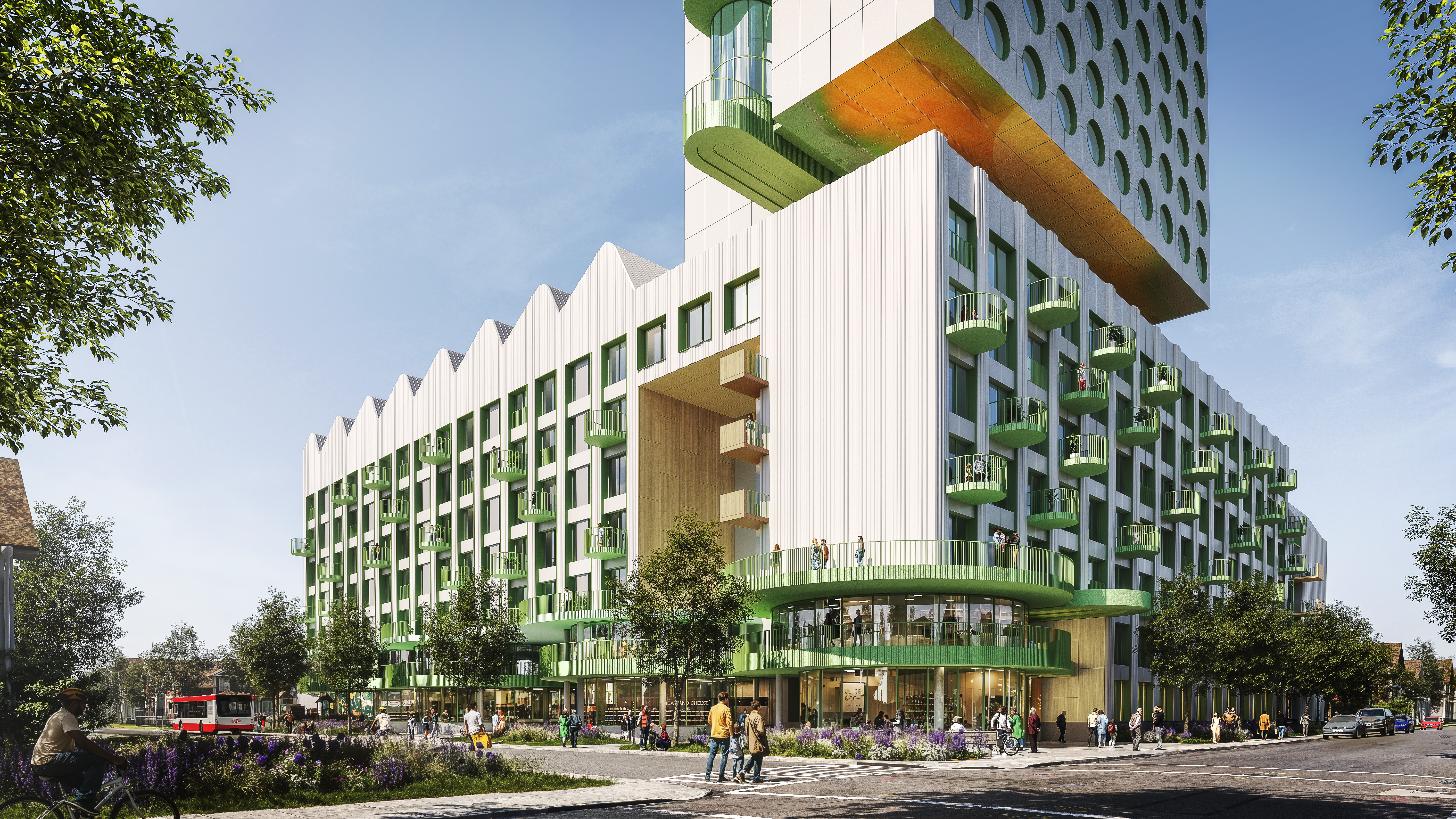
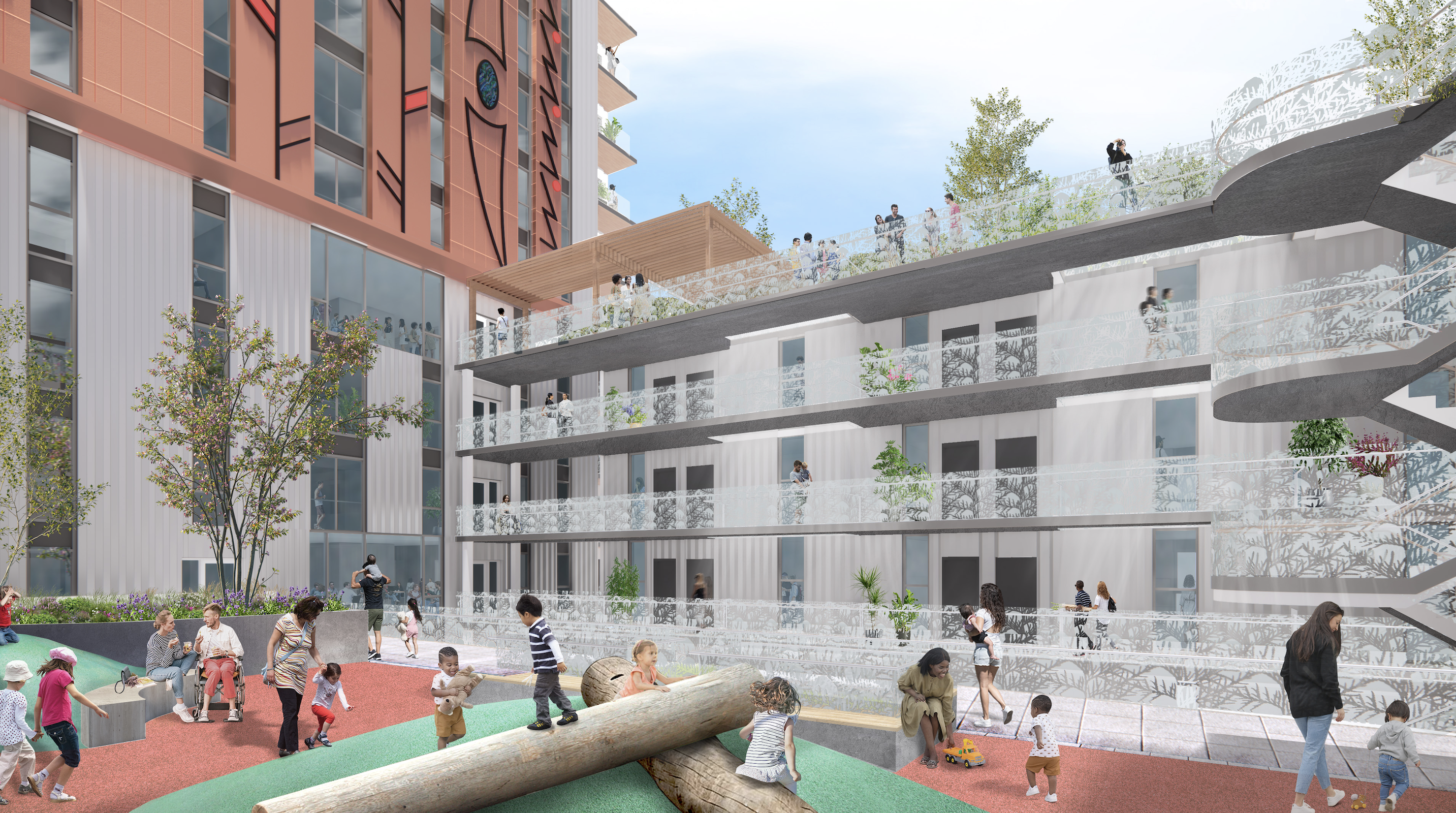
Cities worldwide are rethinking their urban centres, prioritizing density near public transit, investing in parks and healthy waterways, incentivizing mixed-income, multi-generational developments, building high-efficiency district energy plants, bringing schools and corner stores back into neighbourhoods and making walking a wonderful experience.
For example, Toronto, Canada, is orienting density around transit stations; Bilbao, Spain, is investing in the public realm and catalytic institutions. Meanwhile, Mexico City, Mexico, is emphasizing gender-based design and safety.
Elsewhere, New York, United States, is transforming car-oriented streets to be pedestrian spaces and Barcelona, Spain and Paris, France, are rethinking neighbourhoods to operate within a walkable radius.
Each has a different story to tell, yet they share the hypothesis that investing in the livability of urban centres fosters a virtuous circle that enhances social and environmental well-being and the economic development that supports affordability.
However, we need more cities to pave this path. Dr David Gordon estimates that approximately “two-thirds of the Canadian population lives in neighbourhoods that most observers would consider suburban.”
This is still a worrisome amount of a type of housing that creates an undue economic burden on households (who require cars to get home), society (taxed with building roads) and the environment (consuming land and eroding ecosystem services).
Putting policy into practice
Here are some of the key shifts we can make to turn this vision into action:
- Realign the incentives: We currently subsidize the development and maintenance of suburbs, perversely eroding affordability. We need to start incentivizing the types of development that result in more sustainable, affordable and resilient cities.
- Invest in transit and the public realm: People cannot be expected to opt out of car ownership if there is no viable alternative. Cities with great parks and transit systems offer a quality of life that would be otherwise unattainable for many.
- Embrace complexity: Suburbs on green fields are easy to build. Re-urbanizing existing areas to achieve a critical mass of population, add a mix of uses, public transit, achieve net-zero energy and restore ecosystem service is difficult.
- Engage with community: While the problems are shared, the solutions must be bespoke. Every context will be different and require a different approach. Some of the world’s best cities are constantly evolving, leveraging the strength of community groups and civil society to build social capital and resilience.
The takeaway message here is that if we want to tackle the housing affordability crisis seriously, we must expand our perspective to address the array of expenses that burden households.
The problems are not siloed; the solutions shouldn’t be either. If we build cities for people rather than possessions, affordability will follow.
Don't miss any update on this topic
Create a free account and access your personalized content collection with our latest publications and analyses.
License and Republishing
World Economic Forum articles may be republished in accordance with the Creative Commons Attribution-NonCommercial-NoDerivatives 4.0 International Public License, and in accordance with our Terms of Use.
The views expressed in this article are those of the author alone and not the World Economic Forum.
Stay up to date:
Cities and Urbanization
Related topics:


Forum Stories newsletter
Bringing you weekly curated insights and analysis on the global issues that matter.
More on Built Environment and InfrastructureSee all

Miroslav Zafirov
October 9, 2026


